During Ketamine Therapy: What to Expect
Summary
Starting ketamine therapy can raise many questions. You may wonder what the treatment room looks like, how the medication is administered, or what it feels like once the session begins. These are natural questions, especially before your first appointment.
If you have not yet read the Before Ketamine Therapy guide, it may be helpful to start there. It explains how to prepare your body and mind for treatment, which sets the stage for what happens next.
This article focuses on what to expect during your session. Every clinic and provider may have their own methods, and every person’s experience is unique. The information below offers a general understanding of the process, while reminding you that your provider is the best source for details specific to your care.
Entering the Treatment Environment
Your first impression of the treatment space can have a meaningful impact on how comfortable you feel. Most clinics are designed to be quiet, calming, and medically safe. The goal is to help your body and mind relax while maintaining a clear sense of support and supervision.
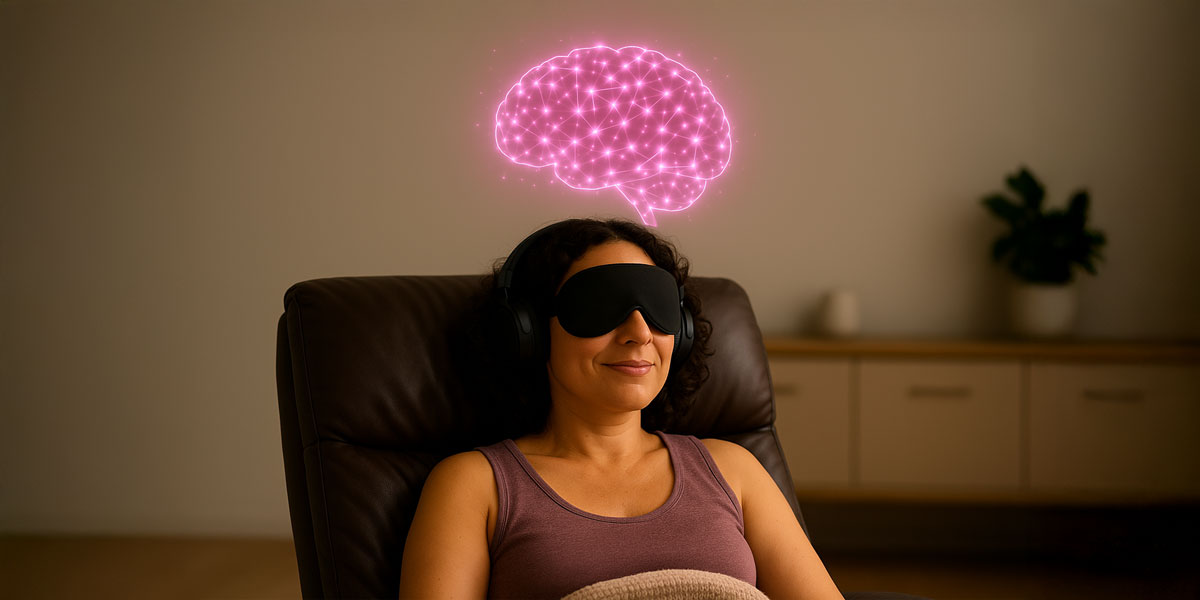
You may notice soft lighting, gentle music, or minimal décor. Some clinics use reclining chairs or medical beds. Others offer more personalized touches like eye masks or weighted blankets. Every environment varies, and it is always okay to ask your provider what the space looks like before your first visit.
Your care team will review safety information, answer last-minute questions, and make sure you are settled. This is also a good time to share any preferences, such as whether you would like calming music, silence, or gentle conversation before the session begins.
Meeting Your Care Team
Before treatment starts, your provider or a trained staff member will meet with you to review your health information and confirm you are ready to begin. This brief check-in usually includes:
- Reviewing recent health or medication updates
- Answering final questions
- Confirming transportation plans
- Setting up any comfort items or tools you brought with you
This moment helps create trust and safety. You can expect your provider to remain nearby throughout your session to monitor your comfort and well-being.
Beginning the Session
Ketamine can be administered in several ways, including intravenous (IV) infusion, intramuscular (IM) injection, oral lozenge, or nasal spray. Your provider will explain which method you are receiving, how it will feel, and what to expect as the medicine begins to take effect.
Once the session starts, you may choose to use an eye mask and headphones. Many clinics provide soothing music or guided experiences like Limitless Macrodoses to help you turn your focus inward. Some patients prefer silence, while others find comfort in gentle background sound.
Within a few minutes, you may begin to notice changes in perception. This can include sensations of lightness, warmth, or visual shifts. These are common and temporary. Your provider will continue to check on you and ensure your safety throughout the experience.
Common Physical and Emotional Sensations
No two sessions are alike. Your experience will be unique to you, influenced by your mindset, environment, and treatment plan. Some sensations may feel new, while others may feel deeply familiar.
Common physical sensations may include:
- A feeling of lightness or floating
- Warmth spreading through the body
- Slight tingling or gentle numbness
- A change in awareness of time or space
Emotionally, patients often describe:
- A sense of calm or peace
- Heightened curiosity or reflection
- Temporary emotional release, sometimes with tears or laughter
- Increased clarity or connection to personal insights
If any feeling becomes uncomfortable, you can always communicate that to your provider. Many clinics use simple signals, such as a thumbs-up or thumbs-down, so you can communicate easily even if words feel difficult to form.
Remember that sensations come and go. Your care team is there to monitor you closely and ensure you feel safe at every stage.
Emotional Experiences and Internal Awareness
Ketamine therapy often engages parts of the brain linked to emotional processing. During a session, you might revisit thoughts, memories, or emotions from a new perspective. These moments can feel powerful, but they are not something you need to control.
You may experience:
- Insights about yourself, habits, or relationships
- Feelings of compassion, forgiveness, or release
- Quiet reflection without clear thoughts or words
There is no right or wrong way to experience ketamine therapy. Some sessions may feel gentle and restful, while others feel more vivid or introspective. Each one contributes to your overall progress, even when the experience itself feels subtle.
The Role of Intention and Support
If you set an intention before your session, it can help guide how you process what unfolds. For example, if your intention was to approach the experience with openness, you can gently return to that idea if your mind starts to wander.
Your provider and care team are there to help you stay safe and supported. Some people prefer minimal communication once the session begins, while others appreciate gentle reassurance. You can discuss your preferences in advance so your provider knows what helps you feel most comfortable.
It is also okay if you lose track of your intention or forget parts of the experience. Your brain continues processing even when your awareness shifts.
Session Length and Timing
Session length depends on the route of administration and your provider’s protocol. Most ketamine therapy sessions last between 40 minutes and two hours. Intravenous infusions tend to be longer, while intramuscular injections and nasal spray sessions may be shorter.
After the medicine portion ends, you will usually have a period of quiet rest. The effects fade gradually, and you may need 15 to 30 minutes before you feel fully alert. This transition time allows your body and mind to return to baseline safely.
Integration and Recovery
When your session concludes, you may move to a recovery space or remain where you are until you feel ready to leave. Many people find that they prefer to sit quietly or close their eyes for a few more minutes. You might feel calm, reflective, or slightly disoriented. These sensations are temporary and part of the process.
During this time, your provider may check in to discuss how you are feeling. Some patients like to share brief reflections right away, while others prefer to process silently. Both are valid approaches.
It can be helpful to take mental notes or write a few thoughts in your phone once you feel clear. These details may be useful later when you begin integration, the process of connecting what you experienced with your daily life.
How To Navigate Your Ketamine Session
The steps below are designed to help you feel confident, supported, and engaged during treatment. Every clinic’s procedures vary, so always follow your provider’s guidance first.
How to Settle Into the Environment
Take a few slow breaths as you enter the treatment space. Allow yourself to notice details such as lighting, temperature, and sound. If something feels uncomfortable, ask your provider to adjust it. Creating a sense of ease early on helps your nervous system relax.
How to Stay Grounded During the Session
As sensations shift, remind yourself that you are safe and supported. If your thoughts become intense, gently return to your breath or focus on your intention. Some patients find that repeating a calming phrase or word helps anchor them throughout the experience.
How to Communicate With Your Care Team
Before your session begins, discuss how you prefer to communicate if you need assistance. You can speak softly, raise your hand, or use a simple gesture such as a thumbs-up or thumbs-down. Knowing these signals ahead of time provides reassurance that you can ask for help at any time.
How to Work With Your Intention
You do not need to focus on your intention constantly. Simply let it exist in the background, like a quiet reminder of why you are there. If your mind drifts, return to it briefly, then let yourself continue observing what arises. The intention is a guidepost, not a goal.
How to Allow Emotions to Move
Emotions may surface in waves; calm one moment and tender the next. If you feel sadness, curiosity, or release, allow those sensations to pass naturally. There is no need to hold back or analyze them in the moment. Trust that your body and brain are processing in the way they need to.
How to Transition After the Session
When the medicine wears off, take your time coming back to full alertness. Move slowly, drink water if available, and sit quietly until you feel steady. Once home, consider listening to the Limitless App again to support gentle recovery, even if its just the Chill Music channel.
FAQs About Ketamine Therapy Sessions
After a check-in with your provider and have some settling in, the medicine is administered. You may rest in a comfortable position, often with an eye mask and calming music. The medicine takes effect within minutes, and your care team stays nearby for support.
Session length depends on the method used. Intravenous sessions usually last 45 to 60 minutes, while intramuscular or nasal routes may be shorter. Extra time is provided for recovery before you leave the clinic.
A provider or trained staff member remains close by at all times to ensure your safety. You may rest quietly, but your care team is always monitoring and available if needed.
Each person’s experience is unique. Some describe floating, lightness, or visual imagery. Others notice emotional clarity or calm introspection. There is no “right” way to feel during ketamine therapy. Try to stay open and curious rather than focusing on expectations.
You will be in a dissociative state and may struggle to communicate like normal, but communication is always welcome. You can speak or use a hand signal to let your provider know if you need support. Before the session begins, agree on simple cues that feel natural to you.
Memory can vary. Some people recall the experience clearly, while others remember only brief moments or sensations. Both outcomes are normal and do not affect how well the therapy works.
If anything feels unpleasant, signal your provider right away. They can offer reassurance, adjust your environment, or make other changes to help you feel secure. A common hand signal for discomfort is a thumbs-down. Be sure to confirm what that gesture means with your care team beforehand.
Try not to overanalyze what is happening during the session. Ketamine therapy works best when you allow experiences to flow naturally. If your mind becomes active, return to your breath or to a calm image that helps you feel steady.
Moving Through the Experience With Care
Your first ketamine therapy session is a meaningful step toward relief. You may feel curious, cautious, or both; all of those feelings are valid. Understanding the environment, knowing what to expect, and maintaining a sense of openness can help you move through the experience with trust.
Your care team will guide and monitor you from beginning to end. The Limitless app can also be a supportive companion, offering grounding tools and audio experiences like Microdoses and calming music that can help you regulate your nervous system before and after treatment.
Remember that every session is different. What you feel today may not be what you feel next time, and that variability is part of the process. Over time, the combination of professional support, guided self-awareness, and preparation can help you experience meaningful progress.
⭑ Check out our related articles in this series for Before and After Ketamine Therapy.
____
Disclaimer: This article is for educational purposes only and is not medical advice. It is not intended to diagnose, treat, cure, or prevent any disease. Always consult your qualified healthcare provider before making decisions about ketamine therapy or any other medical treatment.