
After Treatment: Ketamine Infusion Therapy Integration

Summary
After your first ketamine therapy appointment, you may find yourself wondering what comes next. Will you feel calm or emotional? Will you notice new thoughts or need extra rest? The ketamine infusion therapy integration period after treatment is as meaningful as the session itself. How you care for your body and mind afterward can influence how well the benefits unfold.
Every person’s response to ketamine therapy is unique. The timeline, sensations, and emotions can vary widely, even between sessions. This is normal. The goal is not to compare your experience to anyone else’s, but to understand what your body and mind need as they adapt to this new state of balance.
This article is part of our ongoing education on how to get more out of your ketamine treatment sessions.
The Immediate Recovery Period
When your session ends, you will likely spend time resting in the clinic before going home. This brief recovery window allows your body and brain to adjust as the medicine fades. Your care team will check in to make sure you feel steady before you leave.
Because driving is not permitted after ketamine therapy, make sure you have a plan for transportation. A trusted friend, family member can help you get home safely. Once home, give yourself permission to keep the rest of the day light.
You may notice sensations such as mild fatigue, a feeling of lightness, or emotional openness. These are normal and temporary. Allow your body to rest without rushing back into routines. Your brain continues to process information long after the session ends, so quiet time supports that healing process.
Common Experiences After a Session
Everyone’s recovery looks a little different. You may notice subtle changes or more vivid emotional responses. Some patients describe a calm sense of clarity, while others feel reflective or tired.
Here are some experiences that may occur:
- Physical sensations: You might feel light, tired, or slightly dizzy. Resting quietly helps your body reset.
- Emotional shifts: You may feel peaceful, sensitive, or introspective. Journaling or quiet reflection can help you understand what is surfacing.
- Mental clarity or insight: Some people recall images, thoughts, or realizations. Others simply notice that their mind feels quieter.
There is no right or wrong way to feel after ketamine therapy. Each session is different, and your body may respond in new ways as your treatment progresses.
Taking Care of Yourself After Treatment
The hours following intravenous ketamine therapy are a time for restoration. Your Your nervous system has just been through a profound experience, and care afterward helps stabilize and integrate those effects.
Rest and Recovery
Plan to rest for the remainder of the day. Avoid high-stimulation environments such as bright screens, busy crowds, or heavy physical activity. Your brain benefits from quiet time to reorganize and restore. Resting does not mean doing nothing; it means allowing your system to recalibrate at its own pace.
Nourishment and Hydration
Eat balanced, nourishing meals and drink water throughout the day. Light, wholesome foods such as fruits, grains, and vegetables are often easiest to digest. Nutrition supports your brain’s recovery and helps maintain stable energy levels as your body metabolizes the treatment.
Gentle Activities
Once home, consider doing something grounding and soothing. Activities like:
- Taking a slow walk outdoors
- Journaling reflections
- Listening to music
- Light stretching or mindful breathing
These gentle actions help your mind process without overwhelming your senses.
Emotional Processing
It is common to feel more emotionally open or reflective after ketamine therapy. Some people experience a sense of relief, while others feel tender or introspective. Both are signs that your brain and emotions are working together to create new pathways.
Rather than pushing emotions away, try to observe them with curiosity. You might:
- Talk with a trusted friend, therapist, or provider
- Write freely in a journal
- Practice mindfulness or guided visualization to help with ketamine infusion therapy integration.
These activities create a bridge between the insights from your session and your everyday awareness.
Understanding the Window of Neuroplasticity
In the 24-48 hours following ketamine infusion therapy, your brain enters what is known as a window of neuroplasticity; a period when neural pathways are more flexible and responsive to change. In this window, your mind is more capable of forming new connections related to thought, emotion, and behavior.
During this time, small choices matter. The habits you reinforce, the self-talk you engage in, and the environments you spend time in can all influence how your brain consolidates progress.
Using supportive tools like Limitless Microdoses during this window can help you stabilize emotions, reflect with focus, and encourage a supportive inner dialogue to build on the therapy’s effects.
To learn more about how ketamine therapy works, read our article What is Ketamine Therapy?
Preparing for Ketamine Infusion Therapy Integration
Integration for ketamine therapy is where meaningful change begins to take shape. It involves translating the insights or emotional clarity you may have experienced during treatment into daily life. Without intentional integration, the awareness gained in the session may fade over time.
Practical steps for integration include:
- Setting aside quiet time to revisit what you noticed during the session
- Identifying small, achievable ways to apply those insights
- Using Limitless Microdoses such as Get Centered or Letting Go to anchor reflection
- Tracking your emotions or progress in a journal
- Discussing patterns or realizations with a trusted therapist or provider
Integration is a process, not a single event. Each session builds on the last, and thoughtful reflection helps your mind connect those experiences in lasting ways.
How To Support Yourself After a Ketamine Therapy Session
These steps combine neuroscience and mindfulness to help you support your recovery and integration. Every person’s process is different, so follow what feels natural while honoring your provider’s recommendations.
Step 1: Prioritize Rest
Give yourself space to slow down. Limit stimulation and allow your body to recover fully. Rest helps your nervous system absorb the therapeutic effects and begin forming new patterns.
Step 2: Stay Connected
Reach out to a trusted friend, therapist, or support group. Talking about your experience can normalize your emotions and deepen understanding. Even brief conversations can help you process thoughts that might otherwise stay internal.
Step 3: Ground Your Emotions
Use simple grounding tools to stabilize your energy. Deep breathing with Chill Music or guided visualizations with Limitless, can help regulate emotions and create a sense of balance.
Step 4: Capture Reflections
Write down key moments, images, or feelings that stood out. You might not understand them right away, and that is okay. Writing helps you anchor the memory so you can revisit it later during integration.
Step 5: Support Neuroplasticity
Treat the next few days as a continuation of therapy. Engage in habits that promote well-being: good sleep, hydration, mindful self-talk, and calm environments. The brain is actively reorganizing during this time, and small positive actions strengthen those new pathways.
Step 6: Begin Ketamine Infusion Therapy Integration
Start weaving insights into daily life by identifying one small action that aligns with what you learned. It could be setting a morning intention, improving communication with loved ones, or practicing patience with yourself. Integration grows through consistency, not intensity.
Continuing the Journey
Your ketamine therapy journey continues beyond the treatment room. The hours and days after each session offer an opportunity for your brain and mind to connect in new ways. With rest, reflection, and intentional self-care, you can help reinforce the benefits of treatment and strengthen positive neural patterns during the neuroplastic window.
You are not alone in this process. Each step builds on the one before it: preparation, experience, and integration. If you have not already, revisit our guides for how to prepare for Ketamine Therapy and During Ketamine Therapy guides to deepen your understanding of the full journey.
The Limitless mindset companion app can help you stay connected through this phase, offering guided Microdoses, Macrodoses, and calming soundscapes that encourage balance, focus, and emotional regulation.
________
Disclaimer: This article is for educational purposes only and is not medical advice. It is not intended to diagnose, treat, cure, or prevent any disease. Always consult your qualified healthcare provider before making decisions about ketamine therapy or any other medical treatment.
FAQs About Life After Ketamine Therapy
Most immediate after effects from ketamine therapy improve within a few hours, but subtle emotional or mental shifts can continue for several days. Some people feel tired or introspective the same day, while others notice increased emotional openness, mental clarity, or sensitivity during the following week. Recovery timelines vary from person to person and even between sessions.
Ketamine may temporarily increase neuroplasticity, which refers to the brain’s ability to form new connections and patterns. Many clinicians describe the hours and days after treatment as a window where new habits, emotional insights, and therapeutic work may feel more accessible. This is one reason integration practices, therapy, journaling, mindfulness, or supportive routines are often encouraged after treatment.
Yes, every ketamine therapy experience is highly individual. Some people feel emotionally open or reflective afterward, while others simply feel calm, tired, or mentally quieter. There is no “correct” reaction or outcome after a session, and your response may change over time depending on your nervous system, mindset, environment, and treatment plan.
Most clinics recommend avoiding driving, alcohol, recreational substances, intense exercise, emotionally overwhelming situations, and major life decisions immediately after ketamine therapy. Giving yourself a calm, low-pressure recovery period can help your mind and body process the experience more safely and comfortably.
You may feel calm, emotional, or tired. Some patients describe lightness or reflection, while others simply feel restful. Everyone’s recovery is different. Allow your body to rest and your mind to process at its own pace.
Yes, rest and quality sleep can play an important role in ketamine therapy recovery. Sleep supports emotional processing, nervous system regulation, and memory consolidation, all of which may help reinforce insights or shifts that emerge during the post-treatment integration period. Many patients benefit from keeping their evening calm and prioritizing rest after a session.
No, you will need a ride home. Ketamine can temporarily affect perception and coordination, making it unsafe to drive. Plan transportation in advance so you can focus entirely on recovery.
Most people resume daily activities the following day, but keep your schedule flexible. If your session was emotionally intense or physically tiring, give yourself extra time to adjust.
Yes. Emotional release or sensitivity is a common part of recovery. It can indicate that your brain is reorganizing and integrating the experience. Journaling, mindfulness, or calm conversation can help you process emotions constructively.
It is best to wait. During the window of neuroplasticity, thoughts and emotions may shift quickly. Give yourself time to reflect before making major choices. Discuss significant decisions with your provider or therapist once you feel settled.
Ketamine infusion therapy integration is the process of bringing insights from your ketamine session into everyday life. It helps translate internal change into real-world habits and emotional growth.
Some patients experience brief moments of disorientation or sensitivity. Grounding techniques, music, or guided visualization can help you feel centered again. If discomfort persists or you feel unsafe, contact your provider for guidance.
Ketamine nasal spray is one of several ways ketamine can be administered for depression and other conditions. Learn how intranasal ketamine works, potential benefits and risks, treatment costs, safety considerations, and how it compares to Spravato/esketamine.

Is ketamine an opioid? Learn how ketamine differs from opioids, how ketamine therapy works, common medical uses, side effects, and why ketamine is considered a non-opioid treatment option in some settings.
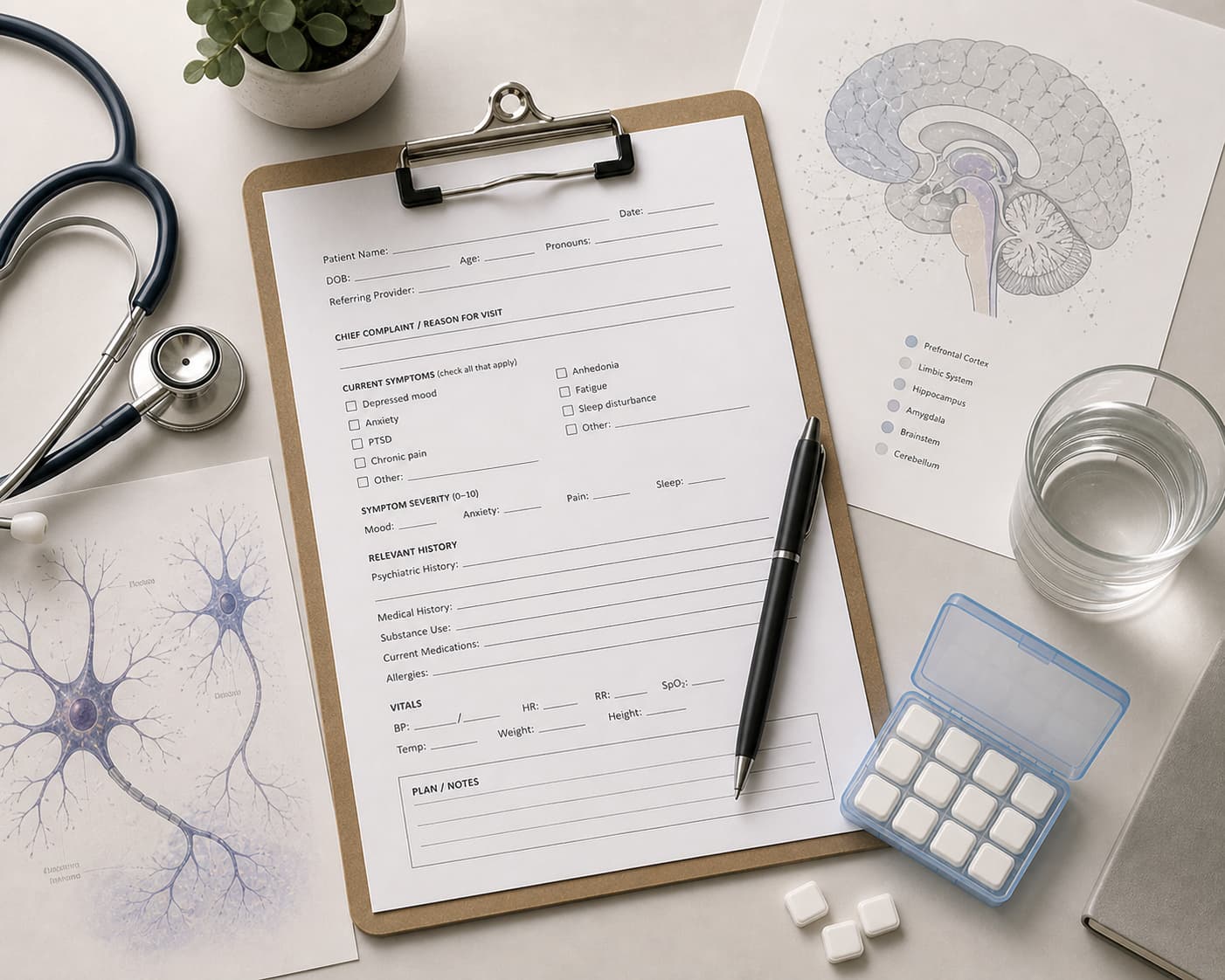
Learn about what is ketamine used for medically and therapeutically, including depression, PTSD, anxiety, chronic pain, anesthesia, ketamine infusions, and nasal ketamine treatment.

At home ketamine therapy offers a more accessible way to receive treatment for depression and anxiety through virtual care and clinician-guided sessions. Safe treatment requires a prescription, proper oversight, and ongoing support.
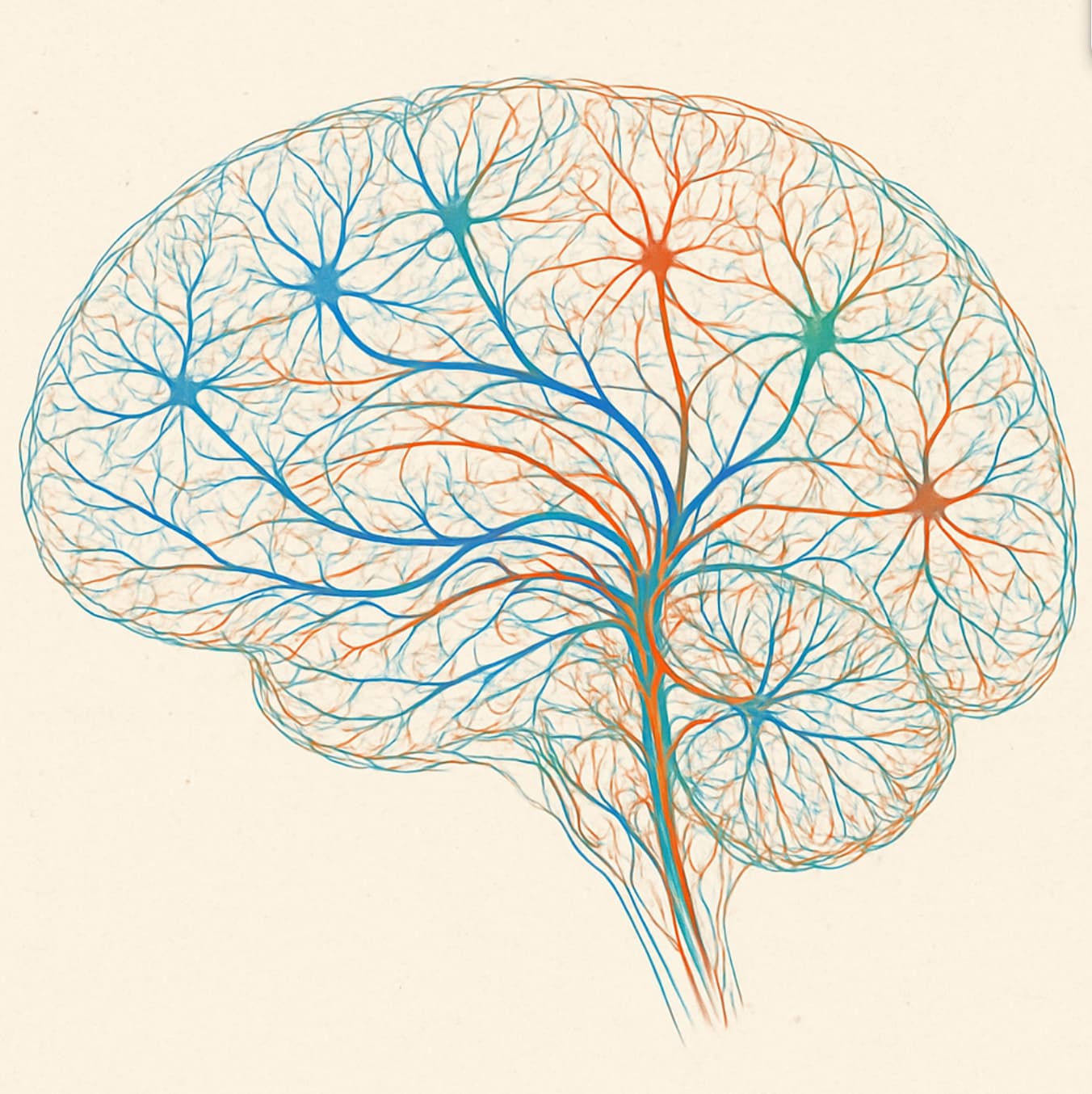
Spravato is an FDA-approved esketamine nasal spray used for treatment-resistant depression, offering a new option when traditional antidepressants are not enough. While it can provide rapid relief for some patients, understanding Spravato side effects is essential before starting treatment.
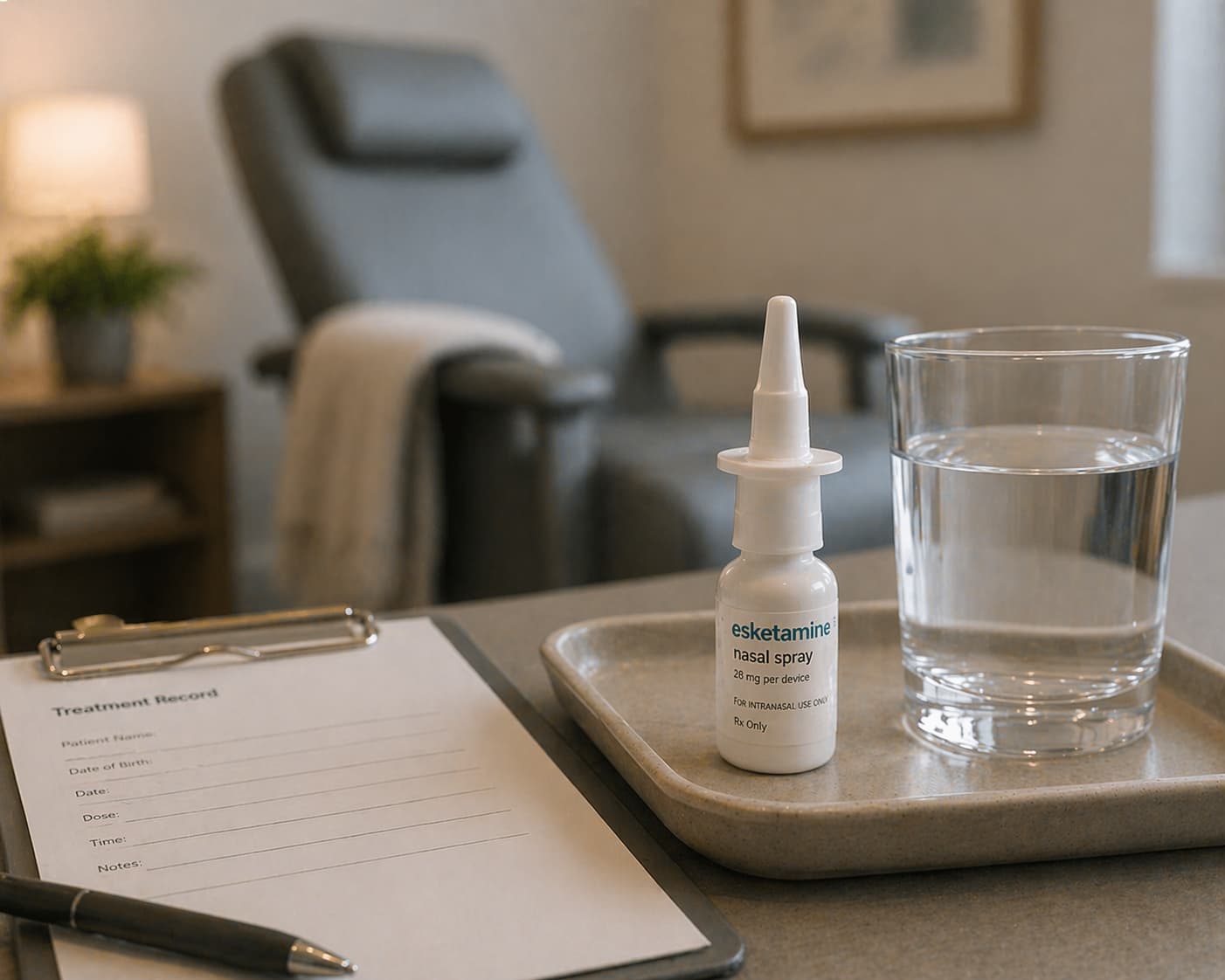
Esketamine is a fast-acting, clinic-based treatment for depression that may help when other options haven’t worked. Delivered as a supervised nasal spray, it works differently from traditional medications and can provide relief more quickly for some people.

Examples of ketamine therapy side effects are dissociation, nausea, and fatigue, but these are usually short-lived and manageable in a clinical setting. With proper supervision and aftercare, treatment can be both safe and effective.

Ketamine for depression is an emerging treatment that can provide rapid relief, especially when other options haven’t worked. By targeting different brain pathways, it offers a new approach to care and is used under medical supervision as part of a personalized treatment plan.

Spravato treatment (esketamine) is a clinic-based treatment for treatment-resistant depression that works differently from traditional antidepressants by targeting the brain’s glutamate system and supporting neuroplasticity. It’s administered as a nasal spray under medical supervision.