
How Can I Develop a More Positive Mental Attitude in Daily Life?
Summary
Developing a positive mental attitude (PMA) is a gradual process rooted in self-awareness, consistency, and intentional mindset shifts. Rather than forcing positivity, it involves learning to reframe challenges, build resilience, and focus on empowering thoughts. Backed by positive psychology, practices like gratitude, mindfulness, and supportive environments can improve mental wellness, relationships, and overall life satisfaction. While obstacles like negative self-talk and stress are common, small daily habits and consistent effort can create lasting change. A positive mindset isn’t about perfection, it’s about building the ability to navigate life with more clarity, resilience, and optimism.
Developing a positive mental attitude can transform your life by helping you embrace optimism and focus on empowering thoughts. It’s not just about feeling good in the moment, it’s about cultivating mental wellness and resilience over time.
Positive psychology highlights the benefits of maintaining a positive outlook, showing how it can support greater happiness and success. Bringing more positive vibes into your daily routine can be life-changing, but it requires consistent effort and practice.
Attitude adjustment and mindset shift play an important role in this process, helping you overcome negativity and build lasting mental positivity. Tools like positive mental attitude quotes can act as daily reminders, encouraging you to stay grounded in a more optimistic perspective.
The idea of success through a positive mental attitude is widely recognized, showing how this mindset can support both personal and professional growth. This guide will walk you through practical strategies to help you develop a positive mental attitude and move toward a more fulfilling life.
What is a Positive Mental Attitude (PMA)?
A Positive Mental Attitude, often abbreviated as PMA, is more than just thinking happy thoughts. It involves a proactive approach to life, where one's outlook actively shapes their reality.
Having a PMA means embracing challenges with optimism and using empowering thoughts to overcome obstacles. This shift in mindset is crucial for personal growth and achieving goals.
Several key components define PMA:
- Optimistic Thinking: Focus on possibilities and solutions rather than problems.
- Empowering Thoughts: Encourage self-belief and confidence.
- Resilience: Bounce back stronger from setbacks.
Building a Positive Mental Attitude requires effort, consistency, and self-awareness. It's about training your mind to see the silver lining in every cloud. PMA is not an overnight transformation but a gradual process that can profoundly impact various aspects of your life. Whether it's at work, in personal relationships, or while pursuing goals, maintaining a positive mental attitude helps foster success and satisfaction. Developing this mindset paves the way for lasting change and a fulfilling life.
The Science Behind Positive Psychology and Mental Wellness
Positive psychology focuses on enhancing individual well-being rather than just treating mental illness. It examines how fostering mental wellness can lead to a more fulfilling life.
Researchers in this field study what contributes to people's happiness and fulfillment and they explore how positive emotions and a nurturing environment can enhance life satisfaction.
Key findings in positive psychology include the importance of:
- Gratitude: Regularly acknowledging what you're thankful for.
- Resilience: Developing the capacity to recover from difficulties.
- Social Connections: Building strong, healthy relationships.

Mental wellness involves more than the absence of mental illness. It includes cultivating a state of mental positivity and resilience. Engaging with positive psychology's principles can lead to profound improvements in overall mental health. This proactive approach supports emotional stability, encourages a lifelong pursuit of happiness and promotes a growth mindset. By understanding these principles, individuals can implement practical strategies to improve their mental wellness daily. Embracing positivity not only benefits personal well-being but also enhances interpersonal relationships and professional success. Science supports that nurturing your mental wellness through positive psychology creates a more empowered and satisfying life experience.
Why a Positive Outlook Matters: Benefits of Mental Positivity
A positive outlook can have a powerful impact on your life, supporting both your mental and physical health by reducing stress and building resilience over time.
Mental outlook is often closely connected to nervous system regulation, sleep quality, and stress recovery, which is why some individuals explore a cortisol detox alongside mindset and emotional resilience practices.
People with a positive mindset often cope more effectively with challenges. Instead of seeing setbacks as obstacles, they’re more likely to view them as opportunities for growth. This shift in perspective can improve problem-solving, spark creativity, and help you move through difficult moments with more clarity and confidence.
The benefits of mental positivity include:
- Improved well-being: A happier, more fulfilled life.
- Better relationships: Enhanced communication and empathy.
- Increased success: Greater motivation and productivity.

Embracing mental positivity doesn't just make you feel good; it also transforms your external circumstances. Positive individuals tend to attract more opportunities and create a more vibrant social network. They foster environments where collaboration and constructive dialogues flourish. Cultivating a positive outlook is a worthwhile pursuit with profound benefits for both personal and professional spheres. Adopting this mindset is a practical step towards achieving long-lasting happiness and success in life.
Common Barriers to a Positive Mindset
Despite the benefits of a positive mental attitude, many people struggle to maintain one. Common barriers include negative self-talk and limiting beliefs. These can seep into your thoughts, leading to self-doubt and anxiety.
Life's challenges can also hinder a positive mindset. Stressful events or overwhelming responsibilities often make it hard to stay optimistic. As setbacks accumulate, it becomes easier to focus on the negative aspects of life.
Some barriers to a positive mindset are:
- Negative influences: Being around pessimistic people.
- Fear of failure: Worrying about making mistakes.
- Lack of self-awareness: Difficulty identifying personal strengths.
Recognizing these barriers is the first step toward overcoming them. It's important to confront negative influences and challenge limiting beliefs actively. Building awareness of these obstacles is vital to developing a more resilient and positive mental framework.
Practical Strategies for Attitude Adjustment and Mindset Shift
Shifting your mindset requires deliberate effort and commitment. Start by setting clear, achievable goals that align with your values. This creates a sense of purpose and direction.
Gratitude journaling is a powerful tool. Each day, jot down things you're thankful for. This practice helps you focus on positive experiences and can shift your perspective over time.
Mindfulness meditation can aid in developing a more peaceful mind. Some people also use a progressive muscle relaxation script before bed or during stressful moments to help release physical tension and calm racing thoughts. Practicing mindfulness allows you to live in the moment, reducing stress and promoting mental clarity.
Additionally, surrounding yourself with positive influences can greatly impact your mindset. Seek out friends and mentors who inspire and encourage you. Their positive vibes can be contagious.
Consider incorporating these strategies into your daily routine:
- Visualization: Imagine achieving your goals.
- Positive affirmations: Repeat empowering thoughts daily.
- Reflective practice: Spend time reviewing your progress.
You can also use guided tools to support this shift. For example, guided visualization apps like Limitless mindset companion app can help you step out of negative thought loops and into a calmer, more grounded state. Instead of trying to force a positive mindset, you’re creating the conditions where empowering thoughts can arise more naturally.
Reframing negative thoughts is another effective tactic. When faced with a challenge, try to view it as an opportunity for growth rather than a setback.
Developing a learning mindset is also crucial. Embrace mistakes as learning experiences. This approach fosters resilience and a positive attitude.
Here are additional strategies to consider:
- Exercise regularly: Physical activity boosts mood.
- Creative outlets: Engage in activities like painting or writing.
- Healthy habits: Nutrition and sleep are key for mental clarity.
Adopting these strategies requires persistence. Set aside time each day to practice these techniques. Over time, you will notice a shift in your overall mindset and outlook on life. With dedication, achieving a positive mental attitude is entirely within your reach.
Daily Habits to Cultivate Positive Vibes and Empowering Thoughts
Incorporating daily habits that promote positive vibes can significantly enhance your mental wellness. Begin your morning with a positive ritual, like stretching or reading something uplifting.
Listening to music that lifts your spirits can set a positive tone for the day. Choose songs with empowering lyrics that motivate and energize you.
Setting aside time to disconnect from digital devices is also beneficial. This break from screens allows for self-reflection and mental rest, which fosters mental positivity.
Moreover, small acts of kindness can have a big impact. Performing simple gestures, like complimenting a coworker, can boost both your mood and theirs.
Consider establishing the following daily practices:
- Reflective journaling: Write about your day and thoughts.
- Short nature walks: Reconnect with the environment.

Developing a positive mindset requires consistency. Try spending at least five minutes a day practicing mindfulness or meditation. If it feels difficult to stay consistent on your own, guided support can help. Tools like Limitless Guided Visualizations offer short audio sessions designed to help you reset your mindset, shift your thought loops, regulate your nervous system, and ease into a more positive mental state, especially on days when your thoughts feel overwhelming.
Consistency in these habits nurtures a more positive outlook, gradually reshaping your mindset. In time, these practices will become a natural part of your routine, cultivating an enduring positive mental attitude.
Using Positive Mental Attitude Quotes and Affirmations
Incorporating positive mental attitude quotes and affirmations into your daily life can be a powerful tool for fostering mental wellness. These words of wisdom can provide the motivation needed to start each day with confidence.
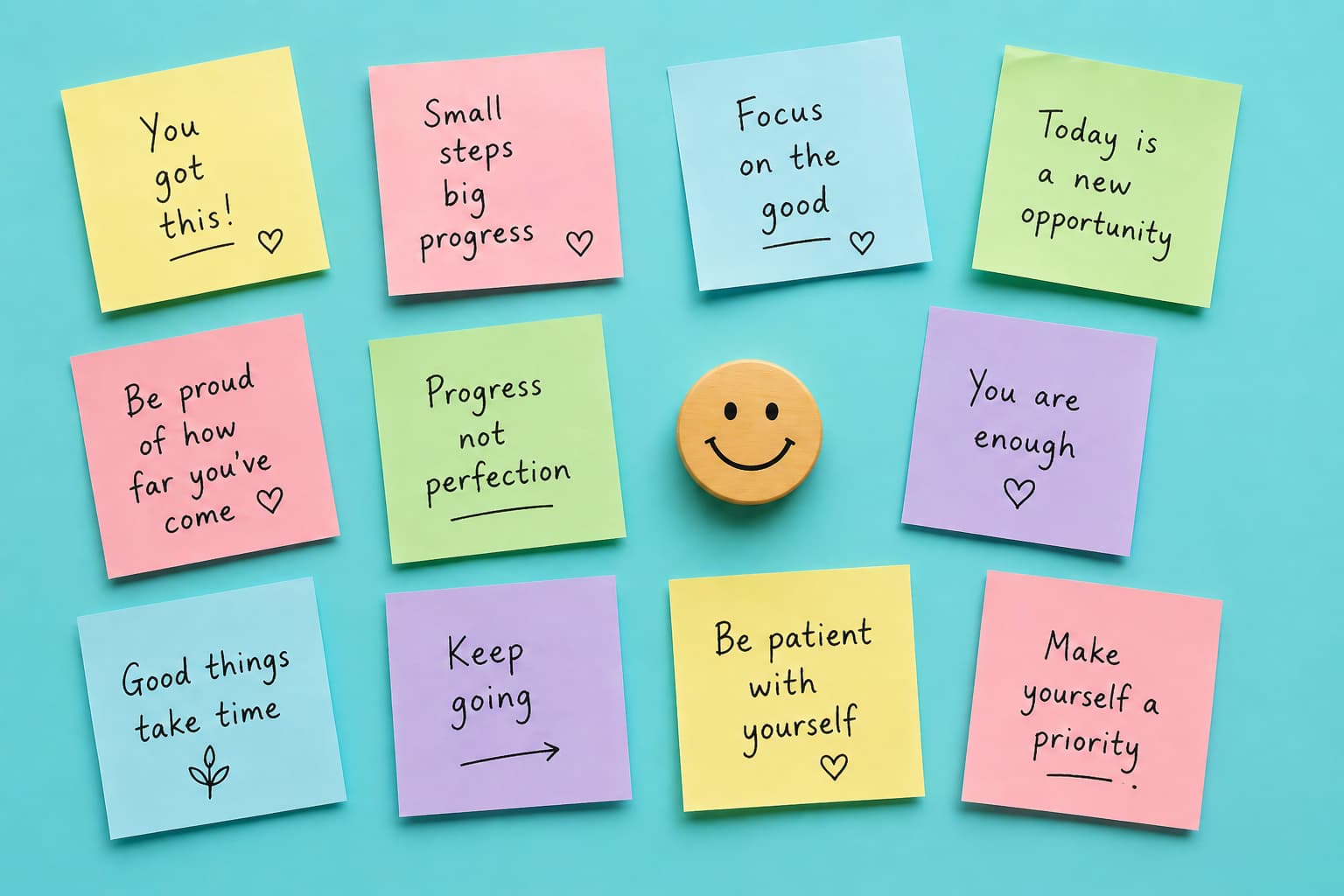
Quotes serve as concise reminders of the power of optimistic thinking. They can inspire hope, promote attitude adjustment, and encourage a mindset shift. Keeping a few favorites in visible places like your desk or phone helps reinforce a positive outlook.
Affirmations, on the other hand, are personal expressions of what you wish to achieve or feel. Speaking them aloud can instill mental positivity and strengthen your positive mindset. Begin your day with affirmations tailored to your goals and values, enhancing your sense of empowerment.
Consider compiling a list of impactful quotes and affirmations:
- "I create my own calm."
- "Today, I choose happiness."
- "Positivity fuels my progress."
Regular engagement with these empowering thoughts can gradually transform your mindset. With time, using positive quotes and affirmations will become a reflexive habit, ingraining optimism into your daily routine.
Building Resilience: Overcoming Setbacks with Optimistic Thinking
Resilience is crucial for maintaining a positive mental attitude. Life's challenges can unsettle us, but optimistic thinking helps us bounce back stronger. Resilience requires practice and a willingness to shift one's perspective.
Understanding that setbacks are part of growth is key. Embrace challenges as opportunities to learn and adapt. This mindset shift not only enhances mental positivity but also fortifies your ability to face future hurdles.
Identify your strengths and use them to navigate difficulties. Every challenge becomes more manageable when you focus on solutions rather than problems. By reframing these situations, you develop mental wellness and emotional endurance.
Supporting this growth, here are ways to build resilience:
- Embrace change as a learning experience.
- Reflect on past successes for encouragement.
- Maintain a network of supportive individuals.
Building resilience is a gradual process. With consistent effort, optimistic thinking becomes your default response to adversity. As you cultivate resilience, remember that every small victory fuels your journey towards a more positive outlook.
Creating a Supportive Environment for Mental Wellness
A positive environment is essential for nurturing mental wellness. The people and places you interact with daily significantly influence your mindset. Surrounding yourself with positive vibes aids in maintaining a positive mental attitude.
Begin by evaluating your current environment. Identify elements that bolster or undermine your mental positivity. This might involve spending more time with supportive, optimistic individuals or adjusting your surroundings to be more uplifting.
Consider implementing these steps to create a supportive space:
- Decorate with colors and items that bring joy.
- Limit exposure to negative media or conversations.
- Create areas dedicated to relaxation and reflection.
Crafting a supportive environment requires intention and care. As you enrich your surroundings, you'll find it easier to foster empowering thoughts and develop a sustainable positive mindset.
Success Stories: Lessons from "Success Through a Positive Mental Attitude" Book
"Success Through a Positive Mental Attitude" illustrates the transformative power of an optimistic mindset. The book showcases real-life stories where individuals achieved remarkable feats by cultivating a positive attitude.
These narratives reveal how setbacks turn into opportunities with a mindset shift. Readers learn that challenges can be stepping stones rather than roadblocks. The book's timeless lessons inspire perseverance and resilience.
Notable takeaways include:
- Consistently nurture a positive outlook.
- View failures as learning opportunities.
- Surround yourself with positivity and supportive people.
These stories remind us that a positive mental attitude isn't just a concept but a practical tool for success. Embracing these lessons can propel you towards your goals, highlighting the potent impact of mental positivity.
How to Develop a Positive Mental Attitude in Daily Life
Building a positive mental attitude is about consistent, intentional habits that support mental wellness, resilience, and empowering thoughts over time.
Step 1: Build Awareness and Reframe Your Thoughts
Notice negative self-talk and limiting beliefs as they come up. Then gently reframe them by asking, What can I learn from this? This shift supports mindset change and emotional resilience.
Step 2: Practice Gratitude and Reflective Journaling
Write down what you’re grateful for and reflect on small wins. Gratitude journaling helps train your brain to focus on positive experiences and build mental positivity.
Step 3: Use Positive Mental Attitude Quotes and Affirmations
Keep positive mental attitude quotes visible and repeat affirmations daily. These simple cues reinforce empowering thoughts and help anchor a more optimistic mindset.
Step 4: Practice Mindfulness and Visualization
Spend a few minutes each day in mindfulness or meditation to reduce stress and improve clarity. Pair this with a guided imagery app like with Limitless Guided Visualizations to help you build a steady habit and support a more positive mental attitude.
5. Create a Positive Environment and Support System
Surround yourself with supportive people and reduce exposure to negative influences. Small shifts in your environment can make it easier to maintain positive vibes and emotional balance.
6. Support Your Mind with Consistent Daily Habits
Reinforce a positive mental attitude through simple, repeatable habits:
- Movement or exercise
- Creative outlets
- Time in nature
- Acts of kindness
- Healthy sleep and nutrition
Consistency matters more than intensity. Small daily actions create lasting change.
Final Thoughts: Embracing a Positive Mindset for Lasting Change
Developing a positive mental attitude can create meaningful change in your life. It supports mental wellness, helps you manage stress more effectively, and builds resilience over time. As your mindset shifts, you may also notice stronger relationships and a greater sense of balance in your day-to-day life.
A positive mindset isn’t something that happens overnight. It’s built through consistent effort, small daily habits, and a willingness to gently shift your thinking. Practicing empowering thoughts and making intentional attitude adjustments can lead to lasting, sustainable change.
Over time, these small shifts add up. By nurturing a positive outlook and staying committed to the process, you create space for growth, possibility, and a more fulfilling, grounded life.
Frequently Asked Questions About Positive Mental Attitude (PMA)
These questions highlight key interests about PMA. Each aspect reveals how fostering positivity enhances life holistically.
Yes. A positive mindset can improve communication, increase empathy, and help you approach challenges with clarity and confidence. This often leads to stronger relationships and greater personal and professional success.
Developing a positive mental attitude starts with small, consistent actions. Practicing mindfulness, reframing negative thoughts, using affirmations, and building supportive habits all contribute to a stronger, more positive mindset over time.
Simple exercises include gratitude journaling, mindfulness meditation, repeating positive affirmations, and visualization. Guided tools like Limitless can also support these practices by helping you access a calmer, more positive mental state more consistently.
There is no fixed timeline. Building a positive mental attitude depends on consistency, self-awareness, and daily habits. Some people notice small shifts quickly, while deeper mindset changes develop gradually over time.
A positive mental attitude can help reduce stress, improve emotional resilience, and support clearer, more solution-focused thinking. It also strengthens relationships, helps you stay motivated through challenges and develop a growth mindset.
A negative mindset can come from repeated stress, limiting beliefs, or negative self-talk. Shifting it starts with awareness, followed by attitude adjustment techniques like reframing thoughts, practicing gratitude, and building daily habits that support mental positivity.
Yes. A positive mental attitude is a skill that can be developed with practice. Through mindset shifts, attitude adjustment, and intentional habits, anyone can strengthen their ability to think more positively and build resilience.
A positive mental attitude supports mental wellness by reducing stress, improving emotional resilience, and helping you navigate challenges more effectively. It also contributes to better mood, stronger relationships, and overall life satisfaction.
Yes, a positive mental attitude can improve success and productivity by increasing motivation, focus, and resilience. When you approach challenges with optimism, you’re more likely to stay consistent, adapt to setbacks, and follow through on goals.
Consistency can be challenging during stressful moments. Instead of relying on willpower alone, it helps to use structured support like journaling, therapy, or guided tools. For example, guided visualization apps like Limitless can help you reset your mindset and reconnect with a more positive outlook when it feels hardest to access.

Explore practical mental health tips for stress relief, mindfulness, emotional resilience, and daily wellness habits that support long-term mental well-being.
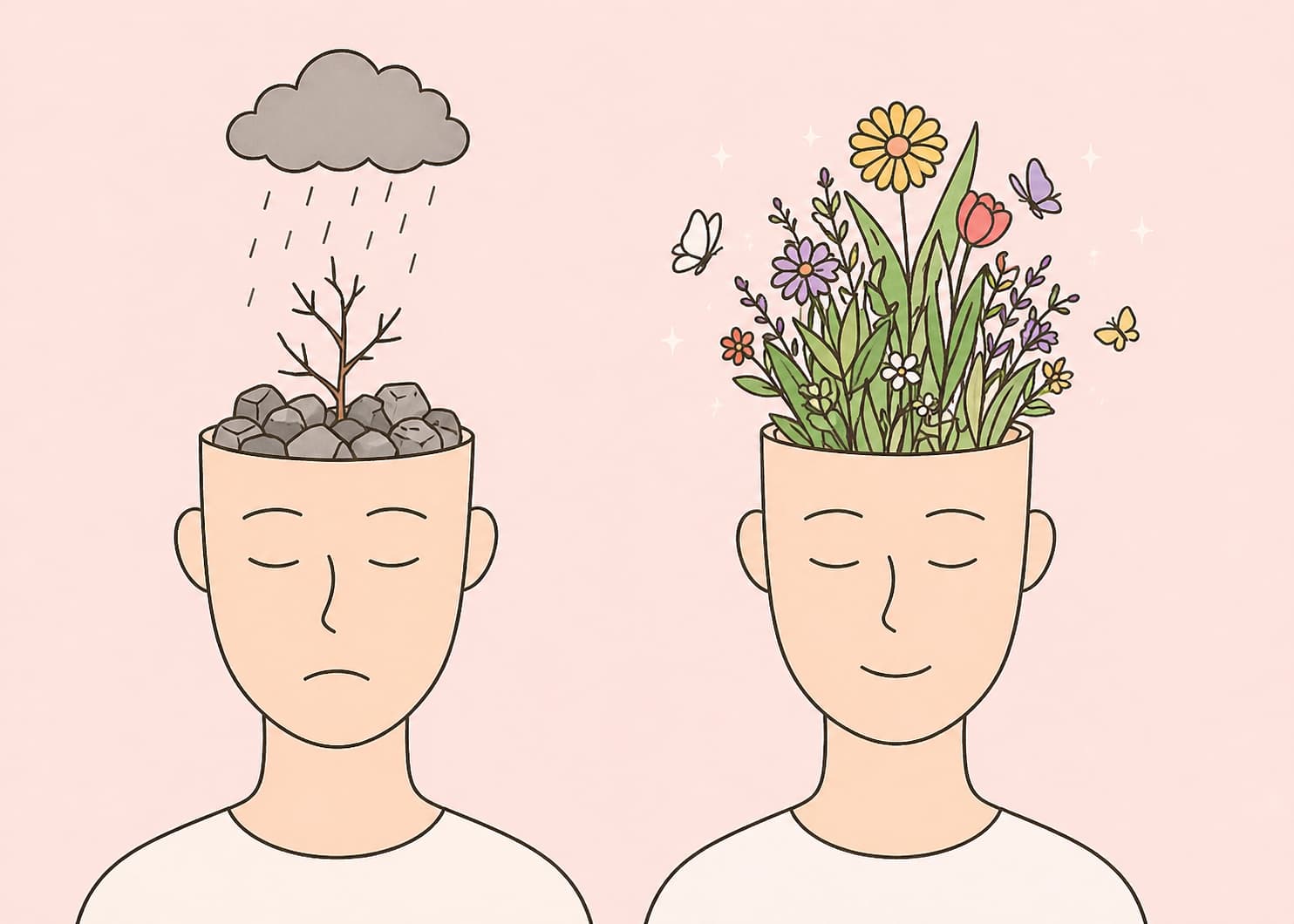
A growth mindset is the belief that your abilities can improve through effort, learning, and persistence. Instead of avoiding challenges, you learn to embrace them as opportunities for growth.

Discover five simple, neuroscience-backed habits to help rewire your brain for better focus, mood, and resilience.

Cognitive harm reduction is a vital approach to managing the negative impacts of stress and anxiety on cognitive health. The Limitless Guided Visualizations app provides accessible, natural tools to reduce mental strain, improve emotional regulation, and enhance cognitive function, helping you achieve better mental well-being.

Master your metacognition with the Metacognitive Healing Methodology™ to transform your internal dialogue. Use the Limitless Guided Visualizations app to practice daily and create lasting changes in your mindset.


Learn the difference between meditation vs. metacognition and how blending the two can support deeper mindset transformation through the Limitless app.

Metacognition helps you improve your thinking by observing and regulating your thoughts, supporting better mental clarity, emotional regulation, and resilience. The Limitless app, using the MHM, offers guided visualizations to strengthen these skills and support your cognitive health.