
Understanding Ketamine Side Effects: Risks, Safety, and Care

Summary
Ketamine side effects are usually temporary and manageable when treatment is administered under medical supervision. Understanding the most common ketamine side effects, long-term risks, and warning signs can help you make informed decisions and know what to expect before treatment.
Key Takeaways
- Most side effects occur during treatment and fade within hours.
- Common side effects include dissociation, dizziness, nausea, blurry vision, and fatigue.
- Some people experience mild next-day effects such as tiredness, brain fog, or appetite changes.
- Side effects can vary based on whether ketamine is administered by IV, injection, nasal spray, or troche.
- Long-term risks are most often associated with frequent or unsupervised use.
- Bladder problems, cognitive issues, and psychological dependence are the primary long-term concerns clinicians monitor.
- Severe sedation, breathing problems, seizures, or signs of overdose require immediate medical attention.
- Working with a qualified provider helps reduce risks and improve safety throughout treatment.
Introduction
Starting ketamine therapy is a significant step, and it's natural to have questions about its side effects. While the experience is unique to each person, most side effects are temporary and manageable under medical supervision.
Common effects include a dream-like state of dissociation, dizziness, nausea, and fatigue. Understanding these potential responses ahead of time empowers you to navigate your treatment with confidence, allowing you to focus on the therapeutic benefits while knowing how to manage the physical and mental shifts that may follow each session.
Most ketamine side effects are temporary and manageable when treatment is administered under medical supervision. However, side effects can vary based on dosage, treatment setting, and whether ketamine is administered by IV infusion, injection, nasal spray, or troche.
This guide explains the most common ketamine side effects, how long they typically last, how side effects differ between treatment methods, potential long-term risks, and important warning signs that require medical attention.
What Are the Most Common Ketamine Side Effects?
The most common ketamine side effects are dissociation, dizziness, nausea, blurry vision, fatigue, and temporary increases in blood pressure or heart rate. Most side effects occur during treatment and improve within a few hours after the medication wears off.
While ketamine side effects can feel unusual, they are often predictable when treatment is administered under medical supervision. The type and intensity of side effects may vary based on the dose, treatment setting, and whether ketamine is administered by IV infusion, injection, nasal spray, or troche.
Common ketamine side effects include:
- Dissociation or feeling detached from your surroundings
- Dizziness or lightheadedness
- Nausea or upset stomach
- Blurry or altered vision
- Fatigue or drowsiness
- Temporary increases in blood pressure
- Temporary increases in heart rate
- Changes in sensory perception
- Feeling emotionally sensitive or introspective
- Mild confusion or difficulty concentrating immediately after treatment
Many people find that the most noticeable side effect is dissociation, a temporary altered state of awareness that can make you feel detached from your body, thoughts, emotions, or surroundings. Although this sensation can feel unfamiliar, it is one of the most commonly reported effects of ketamine therapy and typically resolves as the medication leaves the system.
Most ketamine treatment side effects are short-lived and manageable. Serious complications are uncommon in clinical settings where patients are monitored by trained medical professionals throughout the treatment process.

What Does Ketamine Dissociation Feel Like?
Ketamine dissociation often feels like temporary detachment from your body, thoughts, emotions, or surroundings. Many people describe it as feeling like an observer rather than an active participant in the experience.
While you may know that this medication alters brain activity, one of the most common psychological ketamine reactions is a profound feeling called dissociation. It often feels like you are sitting in the backseat of a car watching your life happen through the window, rather than being the driver. This temporary detachment from your physical body can feel unusual at first, but it is an expected, safe part of the therapy rather than a cause for alarm. These experiences are among the common ketamine symptoms reported during monitored care.
As your mind settles into this detached state, you will likely notice mild hallucinations and sensory perception changes. The music playing in your room might sound like it is echoing from a great distance, or the walls might appear to breathe and move slightly. Doctors observe that these sensory shifts are generally gentle and dream-like when administered at proper medical doses, distinguishing them from the overwhelming visuals associated with unmonitored recreational substances.
Patients naturally wonder exactly how long dissociative effects last once the treatment stops. Fortunately, these floating sensations fade very quickly, usually wearing off completely within 30 to 60 minutes. As your mind safely re-tethers to reality, your care team will shift their focus downward to your body, monitoring everything from nausea to blood pressure and managing physical reactions in the clinic-helpful context if you have ever asked how long do ketamine infusion side effects last.
To learn about guided support for navigating the dissasociative state, dive into our resource on ketamine treatment.
What Are the Most Common Physical Side Effects of Ketamine?
Common physical side effects of ketamine include nausea, dizziness, blurry vision, elevated blood pressure, and temporary increases in heart rate. These effects are usually mild and closely monitored during treatment.
Common Short-Term Side Effects During and After Treatment
During a ketamine session, it's common to experience a range of temporary side effects as the medication takes effect. Your clinical team is prepared to manage these to ensure your safety and comfort.
- Psychological Effects: The most noted effect is dissociation, often described as a feeling of detachment from your body or surroundings. You might also experience vivid imagery, altered perceptions of time and sound, or a dream-like state. These effects are central to the therapeutic process for many and typically subside within an hour after treatment ends.
- Physical Effects: You may experience nausea, dizziness, or blurred vision. It is also normal for ketamine to cause a temporary increase in blood pressure and heart rate. Medical staff will monitor your vital signs throughout the session to ensure they remain in a safe range and may administer anti-nausea medication proactively.
While your mind explores a detached state, your body quietly reacts to the medication. Because ketamine infusion therapy side effects often include a temporary cardiovascular squeeze, clinics prioritize monitoring blood pressure during treatment. You might feel your heart beat a bit faster, similar to the exertion of walking up a steep flight of stairs. This physical response is exactly why a blood pressure cuff stays on your arm throughout the session, allowing nurses to ensure your vitals remain completely safe and predictable.
Beyond cardiovascular shifts, your nervous system might experience brief confusion resembling motion sickness. To assist in minimizing nausea during infusion therapy, doctors typically administer a prophylactic anti-emetic-a preventative anti-nausea medicine like Zofran-before your session even starts.
Even with this helpful precaution, you should be prepared for a brief checklist of potential physical side effects during infusion:
- Nausea
- Elevated heart rate
- Dizziness
- Blurry vision
These considerations are similar whether you receive ketamine for depression or a ketamine injection for pain management; side effects of ketamine infusion for pain closely mirror those in psychiatric care. Fortunately, these physical reactions peak during the session and fade rapidly once the medication stops. As the temporary dizziness subsides and you prepare to safely leave the clinic, your focus will naturally shift toward managing the 24-hour after-effect window: fatigue, mood shifts, and driving safety.

How Long Do Ketamine Side Effects Last?
Most ketamine side effects improve within a few hours of treatment, although some people experience fatigue, mild brain fog, dizziness, or emotional sensitivity until the following day. The exact timeline depends on the dose, treatment method, and individual response.
Typical Ketamine Side Effect Timeline
Stepping out of the clinic does not mean your treatment experience is completely over. Even after the most noticeable effects wear off, many people find that the rest of the day is best spent resting, hydrating, and giving their mind time to process the experience. Patients often describe the immediate recovery period as feeling mentally heavy, relaxed, or similar to recovering from a very vivid dream.
Some people also notice mild ketamine next-day side effects. These can include temporary fatigue, brain fog, muscle heaviness, emotional sensitivity, or mild appetite changes. For most patients, these effects are manageable and improve on their own with rest, hydration, light movement, and a regular sleep schedule.
Because reflexes, coordination, and judgment can remain temporarily impaired, clinics require patients to arrange transportation home after treatment. Whether you receive IV ketamine or esketamine nasal spray, you should avoid driving, operating machinery, or making important decisions until the following day.
The recovery experience can vary depending on the treatment method, dosage, and individual response. Understanding how side effects differ between IV infusions, nasal sprays, injections, and troches can help set realistic expectations before treatment.
Do Ketamine Side Effects Differ by Treatment Type?
Ketamine side effects are generally similar across treatment methods, but the intensity, duration, and monitoring requirements can differ depending on whether ketamine is administered by IV infusion, injection, nasal spray, or troche.
How the medicine enters your body directly impacts how intensely you feel it. Because it is delivered straight into the bloodstream, doctors can manage any side effect of ketamine infusion-like sudden nausea or a spike in heart rate-by simply turning down the IV drip. This precision makes the intravenous route highly controlled, allowing medical staff to stop the treatment instantly if you feel overwhelmed by the temporary psychological shift.
Ketamine nasal sprays offer a different experience entirely, largely due to differences in bioavailability, or how much medicine your body actually absorbs. When comparing the esketamine vs intravenous ketamine safety profile, doctors note that prescription nasal sprays like Spavato require a two-hour clinical monitoring period as part of the Spravato REMS program. This essential waiting period ensures your blood pressure remains safe and that any intense out-of-body feelings pass completely before you are allowed to go home.
Taking the medication as a lozenge under the tongue introduces yet another timeline. The most common ketamine troche side effects include a harmless, temporary mouth numbness and a longer, milder period of grogginess, since the body processes the drug much slower. In some settings, providers may use a ketamine injection (sometimes abbreviated as ketamine inj in clinical shorthand). For surgical contexts, dosing is different, and clinicians discuss potential ketamine anesthesia side effects separately from psychiatric dosing. While managing immediate physical reactions is vital, frequent use of any method requires protecting your bladder, preventing ketamine-induced cystitis, and evaluating long-term health risks.
If you want to learn more about the different types of ketamine administration, read the article: What is Ketamine Therapy?
Is Ketamine an Opioid?
Many people researching ketamine side effects also wonder, Is ketamine an opioid. Ketamine is not an opioid, and its side effects and dependence risks differ from traditional opioid medications.
While both ketamine and opioids may be used in medical settings, ketamine produces distinct effects, including dissociation, sensory changes, and temporary alterations in awareness that are not typically associated with opioid medications.
Understanding and Mitigating Long-Term Risks
While ketamine is safe when used appropriately under medical supervision, it's crucial to be aware of the serious risks associated with frequent, high-dose, or recreational use. The most significant long-term risks include:
- Ketamine-Induced Cystitis: Chronic use can lead to severe and potentially irreversible bladder damage, causing symptoms like frequent, painful urination and pelvic pain. Adhering to the prescribed treatment schedule is the most effective way to prevent this.
- Cognitive Impairment: Long-term, unmonitored use has been linked to issues with memory and other cognitive functions.
- Psychological Dependence: As with any substance that alters perception, there is a risk of developing a psychological dependence.
Working closely with your provider, adhering to your treatment plan, and reporting any new symptoms promptly are key strategies to minimize these risks and ensure your long-term health.
Understanding and Mitigating Long-Term Risks
While ketamine is safe when used appropriately under medical supervision, it's crucial to be aware of the serious risks associated with frequent, high-dose, or recreational use. The most significant long-term risks include:
- Ketamine-Induced Cystitis: Chronic use can lead to severe and potentially irreversible bladder damage, causing symptoms like frequent, painful urination and pelvic pain. Adhering to the prescribed treatment schedule is the most effective way to prevent this.
- Cognitive Impairment: Long-term, unmonitored use has been linked to issues with memory and other cognitive functions.
- Psychological Dependence: As with any substance that alters perception, there is a risk of developing a psychological dependence.
Working closely with your provider, adhering to your treatment plan, and reporting any new symptoms promptly are key strategies to minimize these risks and ensure your long-term health.
What Are the Long-Term Side Effects of Ketamine?
While ketamine is safe when used appropriately under medical supervision, it's crucial to be aware of the serious risks associated with frequent, high-dose, or recreational ketamine drug use. The most significant long-term risks include:
- Ketamine-Induced Cystitis: Chronic use can lead to severe and potentially irreversible bladder damage, causing symptoms like frequent, painful urination and pelvic pain. Adhering to the prescribed treatment schedule is the most effective way to prevent this.
- Cognitive Impairment: Long-term, unmonitored use has been linked to issues with memory and other cognitive functions.
- Psychological Dependence: As with any substance that alters perception, there is a risk of developing a psychological dependence.
Because the drug exits through the kidneys, repeated exposure can irritate the urinary tract, much like how coarse salt irritates a skin scrape. This constant friction creates a real potential for bladder damage from chronic use, making strict medical supervision and proper dose spacing essential for your safety. Clinicians continue to study the long term effects ketamine use may pose to the urinary tract so that monitoring and prevention remain front and center.
Recognizing early warning signs prevents lasting harm. Doctors call this severe inflammation cystitis, and catching ketamine induced ulcerative cystitis symptoms early is your best defense against irreversible damage.
Contact your medical provider immediately if you experience any of these daily red flags:
- Frequent urination throughout the day or night
- Pain during urination
- Persistent pelvic pressure
Drinking plenty of water after your sessions helps flush the medication through your system safely, acting as a natural buffer for your bladder lining. Protecting your physical health goes hand-in-hand with understanding how ongoing treatments affect the brain, requiring a thorough assessment of memory and mental health impacts.
Working closely with your provider, adhering to your treatment plan, and reporting any new symptoms promptly are key strategies to minimize these risks and ensure your long-term health.
Can Ketamine Affect Memory, Cognition, or Mental Health?
Clinical ketamine treatment is not generally associated with lasting cognitive impairment, but frequent or unsupervised use may increase the risk of memory problems, difficulty concentrating, and psychological dependence.
Following a session, you might wake up feeling like you have a slight cognitive fog that makes finding words slightly difficult. This fuzzy-headedness is normal and fades within twenty-four hours. Still, patients understandably worry about the long-term cognitive impact of ketamine. The difference between healing and harm relies entirely on medical guidance. Under clinical care, the medicine promotes neuroplasticity, helping your brain form healthy new connections to fight depression and support positive ketamine mental health effects.
Taking high doses without supervision changes this healing process into a harmful one. Frequent use forces the nervous system into overdrive, leading to neurotoxicity, which essentially strains your brain's delicate networks. This constant stress is where doctors observe the negative effects of ketamine on the brain, including persistent memory issues and difficulty concentrating. In this context, experts may describe broader negative effects of ketamine that appear with heavy, unregulated use. Proper clinical spacing ensures your mind has time to rest, maximizing benefits safely.
Beyond memory concerns, unregulated use introduces the risk of psychological dependence and addiction. While the medication does not cause severe physical withdrawals, individuals can become emotionally reliant on the temporary escape of dissociation. Strict psychiatric oversight prevents this habituation through careful dose limits and ongoing support. When clinical guardrails are removed, however, risks escalate rapidly. Recognizing what happens when the body is overwhelmed helps identify a true medical crisis.
When Are Ketamine Side Effects an Emergency?
Unregulated use often surfaces a natural fear: can ketamine kill? People also ask, is ketamine deadly or how does ketamine kill you? Under medical supervision, doctors closely monitor vital signs and have proven protocols to manage adverse reactions immediately. However, taking this medication outside a clinic removes those safety nets, making severe ketamine complications a real possibility. Understanding the difference between an uncomfortable feeling and true ketamine toxicity symptoms is vital, especially when considering broader ketamine dangers.
The most critical danger of taking too much is respiratory depression, which simply means your breathing becomes dangerously slow or shallow. While a clinical dose might make you feel temporarily sedated, ketamine overdose symptoms push the body's systems to a breaking point. These life-threatening emergency signals include an inability to stay awake, extreme chest pain, seizures, or lips turning blue from a lack of oxygen.
If you ever experience these extreme reactions, especially if the medication was taken outside a clinic or mixed with alcohol, call for emergency medical help immediately. Hospital professionals have specific tools to reverse toxicity and safely stabilize essential functions. When sessions conclude safely under proper medical supervision, managing mild, expected side effects becomes your primary focus. Following a structured recovery roadmap ensures post-treatment safety.
How To Reduce Ketamine Side Effects After Treatment
Stepping into a new medical therapy can feel overwhelming, especially when the medication temporarily alters how you perceive the world. You no longer have to wonder if a passing dizzy spell or a wave of tiredness is a cause for panic. By understanding exactly what to expect, you can focus entirely on your ketamine treatment benefits, knowing you have the practical tools to handle the physical and mental shifts that follow each session.
To prioritize ketamine safety and build a healthy routine, actively protect your body and mind using this 3-Step Safety Checklist:
Step 1: Hydrate and Nourish Your Body
Staying well-hydrated helps your body process the medication and can reduce post-treatment fatigue and headaches. Eat a light, nourishing meal after your session, but avoid heavy foods beforehand to minimize the risk of nausea.
Step 2: Plan for a Restful Recovery
Arrange for a trusted friend or family member to drive you home, as you will not be able to drive. Prepare a calm, quiet space where you can rest and integrate your experience. This helps manage any lingering grogginess or sensory sensitivity.
Step 3: Maintain Open Communication
Your feedback is essential for tailoring the treatment to your needs. Report all side effects—such as the intensity of dissociation or feelings of anxiety—to your provider. This allows them to adjust dosages or provide additional support to make your future sessions as comfortable and effective as possible.
Step 4: Avoid Activities That Can Worsen Side Effects
Even if you start feeling better, give yourself time to fully recover before returning to demanding physical or mental activities. Avoid alcohol, driving, strenuous exercise, and anything that could increase dizziness or impair your judgment. A slower return to your normal routine can help your body recover more comfortably as temporary side effects wear off.
Frequently Asked Questions About Ketamine Side Effects
Yes, low-dose ketamine side effects in clinical settings are typically mild and short-lived, such as dizziness, nausea, or brief dissociation. Higher or unregulated doses increase the risk of more serious effects, including confusion, respiratory issues, and long-term complications like cognitive impairment or bladder damage.
Preparation can help minimize ketamine side effects. Patients are usually advised to stay hydrated, avoid heavy meals before treatment, arrange transportation home, and plan for rest afterward. Communicating openly with your provider also helps tailor the experience to your needs and improve safety.
No, ketamine side effects can vary based on factors like dosage, treatment method (IV, nasal spray, or troche), individual sensitivity, and overall health. While some people experience mild dissociation and relaxation, others may notice stronger sensory changes or temporary discomfort.
Most ketamine side effects cannot be completely avoided because they are part of how the medication works. However, in a clinical setting, they can be managed effectively through proper dosing, monitoring, and supportive care, making the experience predictable and much safer.
Many people describe dissociation as feeling like a “passenger in the backseat” watching life through a window. At clinical, low doses it may include gentle, dream-like sensory changes, distant-sounding music or subtly “breathing” walls. In monitored care, these effects are expected and typically fade within 30–60 minutes, after which your team shifts focus to physical monitoring (e.g., nausea, blood pressure).
In a clinical setting, severe reactions are rare because you are in a controlled environment. Your dose is carefully calculated, and your vital signs are monitored by a medical team trained to respond to any issues. However, you should seek immediate emergency help (call 911) if you experience severe symptoms like difficulty breathing, chest pain, seizures, or an inability to stay awake. These are signs of an overdose and are primarily a risk in recreational or unsupervised settings where the dose and purity of the substance are unknown, or when ketamine is mixed with other substances like alcohol or opioids.
Common, temporary effects include nausea, dizziness, blurry vision, and brief increases in heart rate and blood pressure. Clinics monitor vitals throughout treatment and often give a preventive anti-nausea medication (like Zofran). Afterward, expect fatigue or grogginess the rest of the day; the next morning you might notice mild muscle heaviness, joint achiness, or a short-lived dip in appetite. Hydration, a light meal, and gentle stretching usually help. Do not drive for 24 hours after treatment.
When comparing IV ketamine side effects with Spravato side effects, IV infusions are highly controllable. clinicians can adjust or stop the drip to ease side effects quickly. Prescription nasal sprays (esketamine/Spravato) have less predictable absorption, so a mandatory two-hour monitoring period is standard to ensure blood pressure and dissociation resolve before discharge. Troches (lozenges) often cause temporary mouth numbness and a longer, milder grogginess due to slower processing. Across routes, short-term side effects are similar when dosed and supervised medically.
The most significant long-term risks are associated with frequent, high-dose, or recreational use, not typically with medically supervised protocols. Key risks include cognitive problems and psychological dependence. A major physical concern is bladder injury (ketamine-induced cystitis). It is critical to contact your provider immediately if you experience any signs of bladder issues, which can include:
- A frequent and urgent need to urinate, even at night.
- Pain or burning during urination.
- Persistent pelvic pain or pressure.
- Difficulty urinating or blood in the urine.
Adhering strictly to the prescribed dosage and frequency, along with ongoing clinical oversight, is the most effective way to protect your long-term urinary and cognitive health.

Ketamine nasal spray is one of several ways ketamine can be administered for depression and other conditions. Learn how intranasal ketamine works, potential benefits and risks, treatment costs, safety considerations, and how it compares to Spravato/esketamine.

Is ketamine an opioid? Learn how ketamine differs from opioids, how ketamine therapy works, common medical uses, side effects, and why ketamine is considered a non-opioid treatment option in some settings.
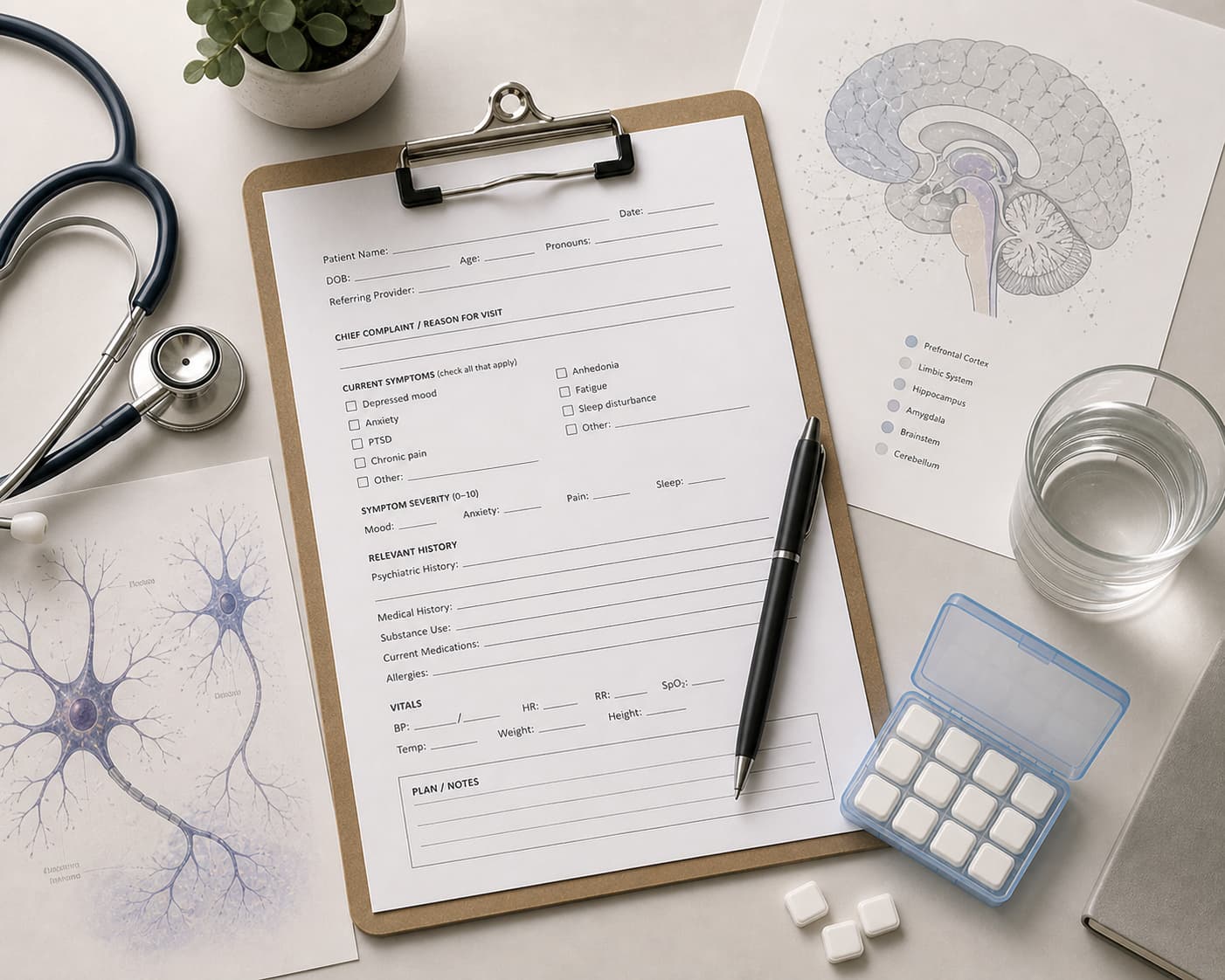
Learn about what is ketamine used for medically and therapeutically, including depression, PTSD, anxiety, chronic pain, anesthesia, ketamine infusions, and nasal ketamine treatment.

At home ketamine therapy offers a more accessible way to receive treatment for depression and anxiety through virtual care and clinician-guided sessions. Safe treatment requires a prescription, proper oversight, and ongoing support.
Spravato is an FDA-approved esketamine nasal spray used for treatment-resistant depression, offering a new option when traditional antidepressants are not enough. While it can provide rapid relief for some patients, understanding Spravato side effects is essential before starting treatment.

Esketamine is a fast-acting, clinic-based treatment for depression that may help when other options haven’t worked. Delivered as a supervised nasal spray, it works differently from traditional medications and can provide relief more quickly for some people.

Ketamine for depression is an emerging treatment that can provide rapid relief, especially when other options haven’t worked. By targeting different brain pathways, it offers a new approach to care and is used under medical supervision as part of a personalized treatment plan.

Spravato treatment (esketamine) is a clinic-based treatment for treatment-resistant depression that works differently from traditional antidepressants by targeting the brain’s glutamate system and supporting neuroplasticity. It’s administered as a nasal spray under medical supervision.

Ketamine drug is a medically approved dissociative anesthetic now used for treatment-resistant depression and pain. Unlike traditional antidepressants, it works rapidly by targeting the brain’s glutamate system and supporting neuroplasticity, often providing relief within hours.