
Understanding Spravato Treatment

Summary
Spravato (esketamine) is a clinic-based treatment for treatment-resistant depression that works differently from traditional antidepressants by targeting the brain’s glutamate system and supporting neuroplasticity. It’s administered as a nasal spray under medical supervision through a structured schedule, starting with frequent sessions and transitioning to maintenance. While some people feel relief quickly, results vary, and side effects like dissociation, dizziness, or fatigue are common but usually temporary. Cost and insurance coverage can vary widely, and treatment requires a REMS-certified clinic. For best results, Spravato works as part of a broader plan that includes mindset, support, and integration between sessions.
Key Takeaways
• Spravato (esketamine) is an FDA-approved nasal spray used for treatment-resistant depression.
• Treatment is administered in REMS-certified clinics under medical supervision.
• Most patients begin with twice-weekly sessions before transitioning to maintenance treatment.
• Common side effects include dissociation, dizziness, nausea, and fatigue.
• Spravato differs from IV ketamine because it is FDA-approved and follows a standardized treatment protocol.
If you’re here because depression has been hanging on way too long, I get it. It’s draining to try medication after medication and still feel stuck. Spravato (esketamine) is one of the newer options people look into when standard antidepressants haven’t helped enough.
This guide is written for a United States audience in plain, conversational language. We’ll cover the basics of how to get Spravato, what it’s like in the chair, Spravato dosing and the Spravato treatment schedule, side effects, cost, insurance (including Medicare and Medicaid), and how it compares to IV ketamine and TMS.
Quick note: This is educational info, not medical advice. Your prescriber and clinic will always be the final word for what’s safe for you.
Is Spravato the Same as Ketamine?
No, Spravato® and ketamine are related, but they’re not the same thing.
Spravato contains esketamine, which is one of the two molecules that make up the ketamine drug. In fact, Spravato is an esketamine nasal spray that is FDA-approved for treatment-resistant depression and certain other depressive disorders when used under medical supervision in a certified treatment center.
Ketamine itself can be administered in several different forms, including IV infusions, IM injections, oral lozenges, and ketamine nasal spray. While Spravato and the ketamine drug affect some of the same brain pathways, they differ in how they’re made, how they’re prescribed, and how they’re administered.
If you’re comparing Spravato vs. ketamine, one of the biggest differences is that Spravato contains only esketamine, while ketamine treatments use the full ketamine molecule. Ketamine may also be administered through several different routes depending on the provider and treatment plan.
You may also see people searching for the Spravato generic name. The generic name for Spravato is esketamine. Like ketamine, it is classified as a Schedule III controlled substance in the United States.
How Does Spravato Work in the Brain?
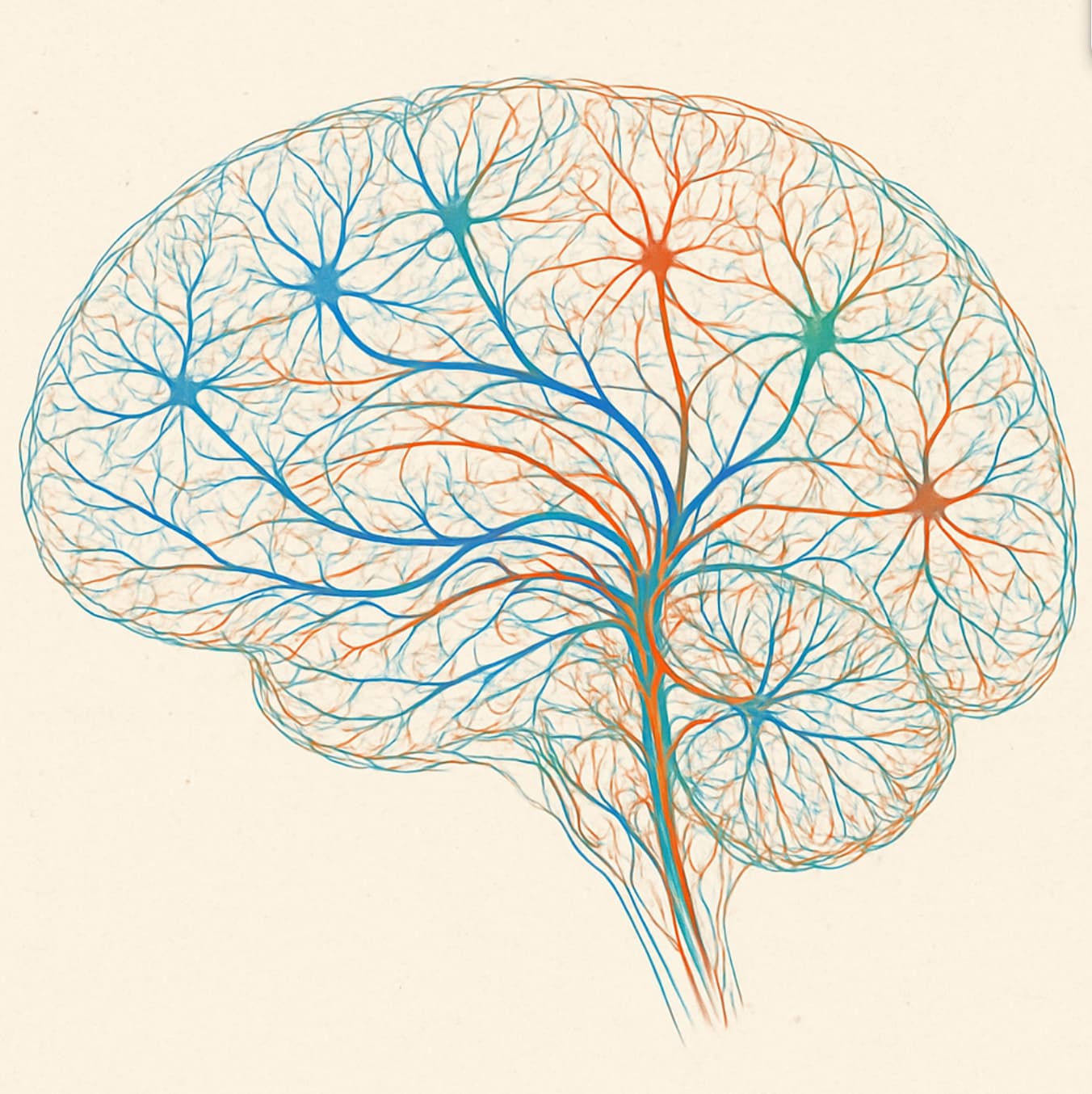
Spravato (esketamine) works differently from traditional antidepressants by affecting the brain’s glutamate system, which may support neuroplasticity and the formation of new neural connections. Some people experience improvement faster than they would with conventional antidepressants.
You’ll see people ask how does Spravato work, how does Spravato work in the brain, and what the Spravato mechanism of action is. Even experts still talk about it with some “we think this is the main pathway” language, but here’s the easy-to-grasp version:
- Spravato seems to affect glutamate (a major brain messenger).
- That glutamate activity can kick off a chain reaction that supports new connections between brain cells (neuroplasticity).
- For some people with treatment-resistant depression, that “reset and rebuild” effect can happen faster than traditional daily antidepressants.
You may also see the shorthand Spravato MOA / Spravato moa. That’s just another way to say “mechanism of action.”
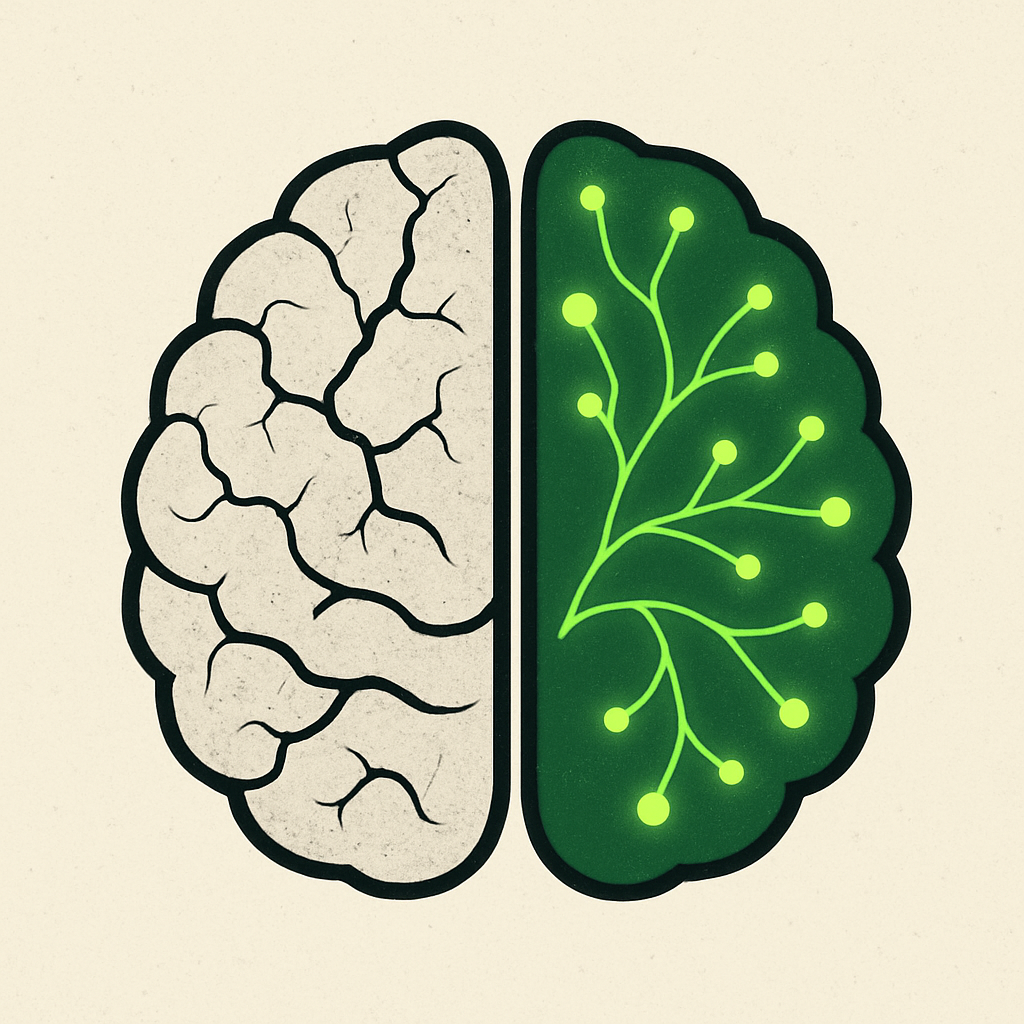
The Pothole Analogy: How Esketamine Repaves Your Brain’s Neural Pathways
If you’ve tried several antidepressants without success, it helps to realize chronic depression physically changes your mind. Think of your brain’s communication networks like a busy highway. Years of heavy stress wear down these roads, leaving deep potholes. When you try sending positive energy down these damaged routes, it simply gets stuck. Understanding how esketamine works in the brain starts with seeing it as a biological repair team rather than just a mood-lifter.
Who is Spravato for? Understanding the Two FDA-Approved Indications
Spravato is FDA-approved
Who is Spravato for? Understanding the Two FDA-Approved Indications
Spravato is FDA-approved for adults with two specific conditions. A certified prescriber will confirm if you meet the criteria for one of them:
- Treatment-Resistant Depression (TRD): This applies to adults with major depressive disorder who have not responded adequately to at least two different oral antidepressant medications in their current depressive episode.
- Major Depressive Disorder with Acute Suicidal Ideation or Behavior (MDSI): This applies to adults with major depressive disorder who are experiencing active suicidal thoughts. In this case, Spravato is taken along with a new or optimized oral antidepressant.
Many people also ask about Spravato for anxiety or “does Spravato help with anxiety?” Anxiety can improve for some people when depression lifts, but Spravato isn’t simply an “anxiety med,” and response varies a lot. If you have significant anxiety, tell your prescriber so they can plan your sessions in a way that feels safer and more supportive.
If you’re wondering about Spravato bipolar: this is important. Clinics usually screen carefully for bipolar disorder because antidepressant-like treatments can sometimes trigger mania or mood instability in vulnerable people. Be open with your history so your team can choose the right path.
You may also see searches for Spravato monotherapy. In many cases, Spravato is used along with an oral antidepressant rather than as a standalone. Your prescriber will explain what applies to you.
How To Get a Spravato Prescription
Step 1: Talk to a qualified prescriber.
This might be a psychiatrist or a qualified medical clinician working in a Spravato-certified setting. If you’re searching esketamine doctors near me, esketamine providers near me, or esketamine clinic near me, focus on clinics that specifically say they provide Spravato/esketamine and are set up for monitoring.
Step 2: Confirm you meet clinical criteria
Clinics often look for a history of depression that hasn’t responded to other treatments. Bring your medication history if you can.
Step 3: Find a REMS-certified treatment center
Because of potential side effects like sedation, dissociation, and temporary increases in blood pressure, Spravato is only available through a restricted safety program called REMS (Risk Evaluation and Mitigation Strategy). This means you can only receive the medication in a certified clinic where you can be monitored by healthcare staff, and you cannot take it home.
To find a certified center, you can use the Spravato Treatment Center Locator.
Step 4: Insurance check + prior authorization
Many patients need paperwork showing medical necessity.
Step 5: Schedule induction visits
The early phase is more frequent (more on that below).
Please don’t try to “buy Spravato online”
We're including this because people search it: buy Spravato online. Spravato is not meant to be purchased like a typical prescription and shipped to your home. Legit Spravato treatment happens in a certified clinic with stricy tmonitoring. If a website claims they can sell it directly to you, treat that as a major red flag and talk to a licensed provider instead.
How to get the most out of your Spravato Treatment?
You don’t need to “perform” in treatment. But you can support the process.
- Show up fed (but not too full) and hydrated. Follow your clinic’s fasting rules.
- Protect your schedule. Don’t pack meetings right after.
- Track basics. Sleep, appetite, mood, anxiety, and functioning.
- Use support. Therapy, supportive check-ins, or structured self-care.
If your goal is relief plus stability, the “between sessions” part matters. This is where progress often sticks.
Limitless Guided Visualizations has a Ketamine and Spravato Treatment Mindset Companion to help you with improving your mindset, stress resilience and thoughts as you gain new mental flexibility from Spravato.
What Is the Typical Spravato Treatment Schedule?
The typical Spravato treatment schedule begins with an induction phase of twice-weekly sessions for about four weeks, followed by a maintenance phase that may continue weekly or every other week depending on your response. Each appointment includes medication administration and a monitoring period, with most visits lasting around two hours. Your provider may adjust the schedule based on symptom improvement, side effects, and long-term treatment goals.
People search Spravato dose, Spravato dosage, Spravato dosing, and Spravato dosing schedule because they want to know what they’re signing up for. Clinics individualize care, but a common pattern looks like this:
- Induction phase: often twice weekly for about 4 weeks
- Maintenance phase: often weekly for a while, then every other week (or another plan based on response)
This is why you’ll also see: Spravato schedule, Spravato treatment schedule, and how often is Spravato administered. If you’re asking how long is Spravato treatment, the honest answer is: it varies. Some people stay on maintenance longer-term, and some taper off when they’re stable.
About the amount: many clinics use 56 mg or 84 mg sessions depending on where you are in treatment and how you respond. You may see searches like Spravato 84 mg dose, Spravato max dose, and Spravato 84 mg dose pack. Your clinician will confirm what’s appropriate for you. Don’t try to “self-optimize” dosing—this is one place where following the protocol matters.
How long does it take for Spravato to work? People also ask how long does it take for Spravato to work. Some people notice changes quickly (sometimes within days), while others need several sessions. And for some, it’s not the right fit. Your clinic should track symptoms over time, not just ask “Do you feel better today?”
What does Spravato treatment feel like?
This is one of the most human questions: what does Spravato treatment feel like? People also ask how does Spravato make you feel and search for Spravato experience stories.
Most sessions have a predictable arc:
- First 10–20 minutes: the spray is given in the clinic. Some people notice a bitter taste or drip in the throat.
- Next 40–60 minutes: you might feel floaty, spacey, or “not fully in your usual head.” Some people describe this as altered consciousness, while others simply feel detached from their usual thoughts or surroundings. Some feel calm. Others feel uneasy. Lots of people just feel weird in a neutral way.
- By around 2 hours: most people are closer to baseline, but still not safe to drive.
The altered consciousness that can occur during Spravato treatment may sound intimidating at first, but is it temporary and manageable with the right setup. If you’re nervous, tell the staff. They do this all the time, and they can help you feel grounded.
Simple “set and setting” tips that actually help
- Bring headphones and a calm playlist (instrumental is great).
- Bring an eye mask if light bothers you.
- Wear comfy clothes and warm socks.
- Try a gentle intention like: “Let this be easier than I expect.”

What Are the Side Effects of Spravato?
Like any medication, Spravato can cause side effects. Most happen during or shortly after treatment, which is why patients are monitored in the clinic after each dose.
Common Spravato side effects may include:
- Dissociation or feeling detached from your surroundings
- Dizziness
- Nausea
- Sleepiness or fatigue
- Temporary increases in blood pressure
- An unpleasant or bitter taste in the mouth after using the nasal spray
How long do Spravato side effects last?
For most patients, side effects are strongest during the first hour or two after treatment and gradually improve during the monitoring period. Some people may feel tired, foggy, or less focused for the rest of the day, which is why it’s often best to keep your schedule light after an appointment.
It’s also important to remember that Spravato side effects are not always the same as ketamine side effects. While the medications are related, they are different drugs and may affect people differently depending on the treatment approach, dose, and route of administration.
What Should You Do After a Spravato Session?
If you search what to do after Spravato treatment, you’ll get a lot of random advice. Here’s the simple, realistic version that most clinics agree with:
- Do not drive the same day. Arrange a ride every time.
- Keep the rest of the day light. No big work presentations. No major life decisions.
- Eat something gentle when you feel ready and drink water.
- If you journal, jot down a few words about how it went.
- Try to sleep well that night. Your brain does a lot of “filing and organizing” during sleep.
If you’re trying to figure out how to get the most out of Spravato, this is a big part of it: protect the day, protect your nervous system, and let the treatment do its thing.
How Much Does Spravato Treatment Cost?
Cost questions are huge, and they come in a thousand forms: Spravato cost, how much does Spravato cost, how much is Spravato, Spravato price, Spravato pricing, Spravato cost per dose, Spravato treatment cost, and Spravato treatment price.
Here’s the key thing: total cost usually has two parts:
- The medication (esketamine nasal spray)
- The clinic services (administration, observation/monitoring, staff time, room time)
So when someone asks Spravato nasal spray cost, they’re often only talking about the medication portion. When someone asks about Spravato out of pocket cost, they usually mean the whole visit.
Spravato cost without insurance can be high. If you’re searching how much is Spravato without insurance or Spravato cost without insurance, ask your clinic for a written estimate that separates medication cost from monitoring fees. Prices can vary a lot by clinic and region, and your dose (for example, 56 mg vs 84 mg) matters too.
Is Spravato Covered by Insurance?
Coverage varies, but many patients do get help through insurance once the right paperwork is in place.
- Medicare: People ask is Spravato covered by Medicare, does Medicare cover Spravato, Spravato Medicare, Spravato Medicare coverage, and is Spravato covered by Medicare Part B. Because Spravato is administered in a clinic with monitoring, coverage is often handled more like an outpatient medical service. Your clinic’s billing team can tell you exactly how it’s billed for your plan.
- Medicaid: People ask is Spravato covered by Medicaid, does Medicaid cover Spravato, and Spravato Medicaid. Medicaid rules vary by state, so the answer can be “yes in one state, no in another,” or “yes with strict prior auth.”
- Commercial insurance: You’ll also see “does Blue Cross Blue Shield cover Spravato?” Many commercial plans do cover it with prior authorization, but benefits differ by employer and plan type.
If you’re worried about cost, ask your clinic these three questions:
- What’s my estimated per-visit cost with my insurance?
- What’s my estimated per-visit cost without insurance?
- Do you have patient assistance options (like savings programs) and can you help me enroll?
What Is the Spravato WithMe Program?
Spravato WithMe is a patient support program offered by the manufacturer of Spravato. Depending on eligibility, it may help patients understand insurance coverage, explore savings options, and navigate parts of the treatment process.
If you’re considering Spravato treatment, your clinic will typically help you determine whether you’re eligible for financial assistance programs, prior authorization support, or other resources that may reduce out-of-pocket costs.
If you have questions about enrollment, insurance coverage, or available savings programs, ask your clinic which support resources are available for your specific situation.
Billing basics: Spravato CPT code, J code, billing codes, reimbursement
This section is here because people understandably Google it: Spravato CPT code, Spravato J code, Spravato billing, Spravato billing codes, Spravato billing guide, Spravato reimbursement, and even Spravato reimbursement rate.
Here’s the honest, non-confusing truth: there isn’t one single universal code that magically answers every billing question. Clinics typically bill for:
- The drug (often using a HCPCS code or an unclassified drug code, depending on payer)
- The clinical service (observation/monitoring and related visit services, often using CPT codes that match what was done)
Medicare and commercial payers can handle this differently. So if you need clarity, the fastest way is to ask your clinic’s billing team, “Which codes do you bill under my insurance, and what is my expected responsibility?” That’s also where documents like a clinic’s internal Spravato billing guide can help (many clinics have one).
Spravato reviews: how to read them without getting overwhelmed
It makes sense to look up Spravato reviews and Spravato patient reviews. But reviews can be intense because people are often writing from a place of real pain (or real relief). When you read reviews, try to look for patterns that matter most:
- Did the person stick with the full induction schedule?
- Were they also doing therapy or other supports?
- What side effects did they have, and did those fade over time?
- Did cost/insurance issues interrupt care?
If you want the most useful “review,” ask your clinic: “What does success look like in your patients, and how do you track it?” That tends to be more grounded than internet anecdotes.
Spravato vs IV Ketamine
People compare IV ketamine vs Spravato and search ketamine infusion vs Spravato because they want to choose the right path (and they don’t want to waste time or money). Here are the simple differences most clinics talk about:
- Spravato: FDA-approved for specific depression indications, given as a nasal spray in a certified clinic under REMS.
- IV ketamine: often offered as an off-label infusion. Many people benefit, but protocols vary by clinic, and coverage can be different.
If you’re weighing Spravato vs ketamine, ask about safety monitoring, dosing approach, total cost, and the clinic’s experience with your diagnosis. The best choice is usually the one that’s medically appropriate and realistically accessible for you.
Spravato vs TMS (and using transcranial magnetic stimulation and Spravato)
Another common comparison is Spravato vs TMS. TMS stands for transcranial magnetic stimulation. It’s a non-medication treatment that uses magnetic pulses over multiple sessions.
- TMS: no dissociation, no sedation-style effects, typically many short visits (often daily on weekdays for several weeks).
- Spravato: fewer days per week for many people, but each visit is longer and requires a ride home.
You’ll also see searches for transcranial magnetic stimulation and Spravato. Some patients do one after the other, and some clinics coordinate treatment plans. This is very individualized—your psychiatrist should guide the sequence.
Safety details: contraindications, label, package insert, ingredients
If you like reading the official details (or your insurance requires documentation), you’ll see terms like Spravato label, Spravato package insert, and Spravato prescribing information. That’s where you’ll find information about:
- Spravato contraindications (situations where it should not be used)
- Warnings and precautions (blood pressure, sedation/dissociation, abuse and misuse risk)
- Detailed dosing tables and monitoring requirements
- Spravato ingredients (active ingredient: esketamine; inactive ingredients are listed there too)
If you’re the kind of person who feels calmer when you have facts, reading the label with your provider can actually be reassuring. You don’t have to do it alone.
Is Spravato addictive?
Spravato has the potential for misuse, which is one reason it is only available through a specialized safety program called REMS (Risk Evaluation and Mitigation Strategy). Receiving treatment in a certified clinic with structured dosing and monitoring helps reduce risk. If you have a history of substance use disorder, talk with your provider so they can help determine whether Spravato is appropriate for you.
Session paperwork you might hear about: monitoring forms
Some clinics use structured documentation like a Spravato monitoring form to record vitals, side effects, and how you’re doing before and after the session. This is normal. It helps keep treatment consistent and safe, especially during dose changes.
Wrap-up: a realistic, supportive way forward
If you’ve been trying to claw your way out of depression for a long time, needing a higher-support option like Spravato doesn’t mean you failed. It means your brain needs a different tool.
Your next best move is practical: find a REMS-certified clinic, ask about eligibility and the full Spravato dosing schedule, get a clear picture of insurance and Spravato cost, and set yourself up for calmer sessions with good prep and good aftercare. And if you feel overwhelmed, let the clinic’s team carry some of that load. You deserve that kind of support.
Frequently asked questions (quick answers)
To start Spravato treatment, you need to connect with a REMS-certified clinic and a qualified prescriber, usually a psychiatrist. They will review your history of depression, confirm whether you meet criteria for treatment-resistant depression, and handle insurance authorization. Because Spravato cannot be taken at home, all treatment is scheduled and administered in a certified medical setting with monitoring.
Spravato (esketamine) is FDA-approved for treatment-resistant depression and is given as a nasal spray in certified clinics under strict monitoring. IV ketamine is typically used off-label and may vary more by provider in terms of dosing and protocols. The best choice depends on medical eligibility, cost, access, and how structured you want the treatment environment to be.
Yes. For patients with commercial insurance, the manufacturer of Spravato offers a patient savings program (such as Janssen CarePath) that can significantly reduce out-of-pocket costs for the medication itself. For patients who are uninsured or underinsured, there may be other patient assistance programs available. Ask the clinic’s benefits coordinator specifically about these programs when you discuss cost.
During a Spravato session, many people experience temporary dissociation, which can feel like being detached or “outside” your usual thoughts. Some feel calm, while others may feel unsettled or introspective. These effects usually peak within the first hour and fade within two hours under supervision. The experience is temporary and monitored closely by clinic staff.
The two-hour monitoring period after you take Spravato is a mandatory safety measure. During this time, a healthcare professional will monitor you for potential side effects, especially sedation and any changes in blood pressure. You will be in a comfortable, supervised setting. Because of the potential for drowsiness and impaired judgment, you must not drive or operate heavy machinery until the following day after a restful sleep. You will need to arrange for transportation home from every appointment.
Yes, Spravato is not safe for everyone. A thorough medical history is essential. You should not take Spravato if you have certain medical conditions, including aneurysmal vascular disease (involving blood vessel abnormalities) or a history of bleeding in the brain. It is also not recommended for those with a known allergy to esketamine or ketamine. Be sure to provide your doctor with a complete medical history during your consultation.
Spravato is typically considered when you’ve tried multiple antidepressants without enough improvement, a pattern known as treatment-resistant depression. A qualified provider will review your medication history, symptom severity, and overall health to determine if it’s appropriate. It’s not just about eligibility, though. It’s also about whether you’re ready for a structured, in-clinic treatment process that includes monitoring, follow-up, and ongoing support.
Some people notice anxiety improves as depression lifts. Others need separate anxiety-focused treatment too. If you’re specifically looking for Spravato for anxiety, talk with a clinician about what’s realistic for your situation.
Yes, many commercial insurance plans, as well as Medicare and some state Medicaid programs, cover Spravato. However, coverage almost always requires a 'prior authorization.' This is a process where your clinic must submit documentation to your insurer proving medical necessity. This typically includes your diagnosis and a detailed history showing you have tried and not responded to at least two other antidepressant medications. The clinic's administrative staff usually handles this paperwork on your behalf.
It's normal to be curious or concerned about side effects. During and immediately after a treatment session, the most common side effects are temporary. They are also the reason for the mandatory in-clinic monitoring. They include:
- Dissociation (feeling disconnected from yourself, your thoughts, or reality)
- Dizziness or vertigo
- Nausea or vomiting
- Sedation or feeling sleepy
- Increased blood pressure
- Anxiety
- Numbness Most of these effects fade within the two-hour monitoring period. Your treatment team is trained to help you manage them during your appointment.
If you’re following Spravato news today, use reliable sources (FDA updates, major medical centers, or your prescriber). Social media can be helpful for community, but it’s not always accurate about safety and dosing.
Getting the most out of Spravato treatment involves more than just the sessions. Supporting your nervous system with rest, hydration, and a low-stress schedule on treatment days can help. Tracking mood and symptoms between sessions, engaging in therapy, and using structured tools like Limitless Ketamine companion app can help you integrate the experience and create more lasting changes.
Ketamine nasal spray is one of several ways ketamine can be administered for depression and other conditions. Learn how intranasal ketamine works, potential benefits and risks, treatment costs, safety considerations, and how it compares to Spravato/esketamine.

Is ketamine an opioid? Learn how ketamine differs from opioids, how ketamine therapy works, common medical uses, side effects, and why ketamine is considered a non-opioid treatment option in some settings.
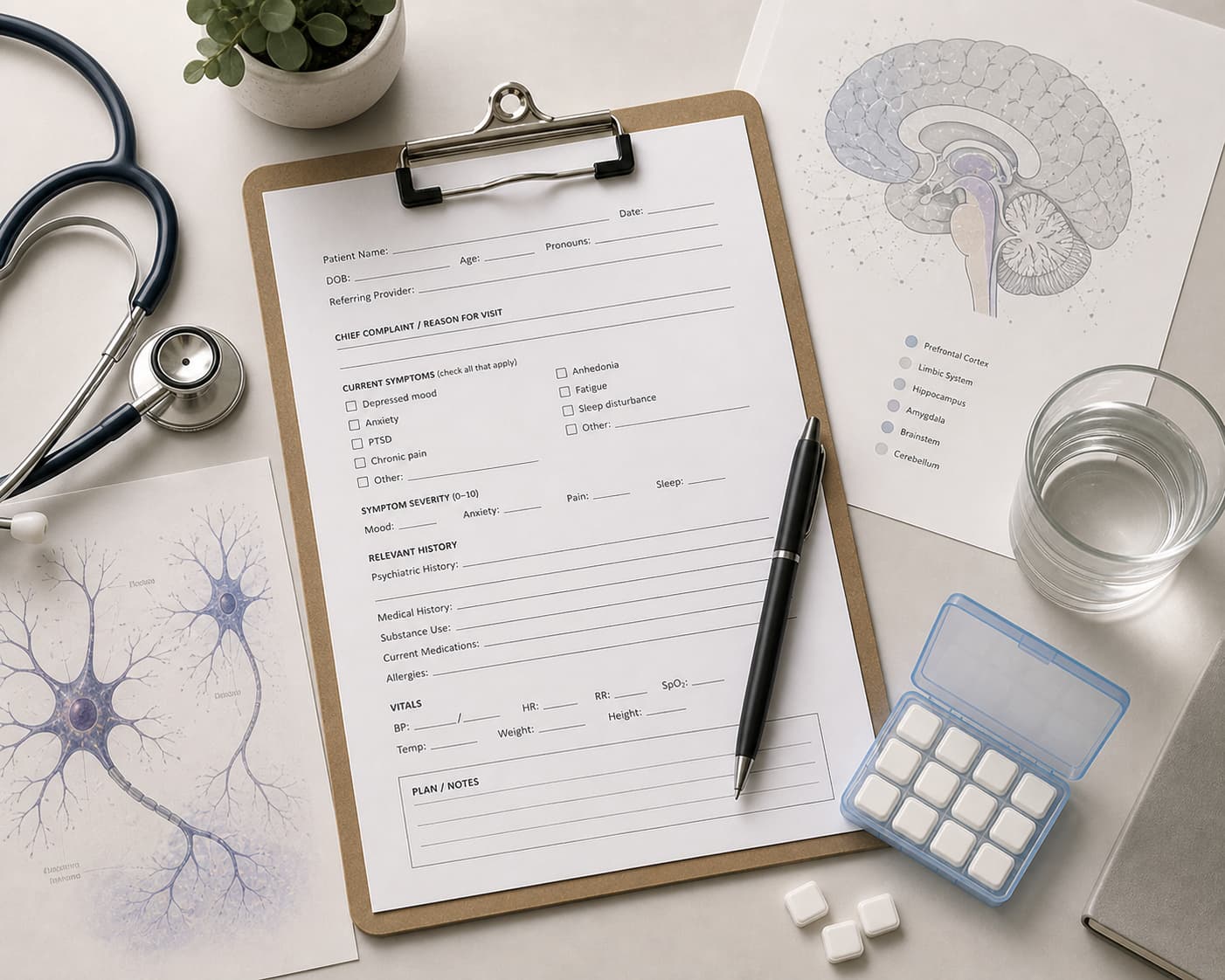
Learn about what is ketamine used for medically and therapeutically, including depression, PTSD, anxiety, chronic pain, anesthesia, ketamine infusions, and nasal ketamine treatment.

At home ketamine therapy offers a more accessible way to receive treatment for depression and anxiety through virtual care and clinician-guided sessions. Safe treatment requires a prescription, proper oversight, and ongoing support.
Spravato is an FDA-approved esketamine nasal spray used for treatment-resistant depression, offering a new option when traditional antidepressants are not enough. While it can provide rapid relief for some patients, understanding Spravato side effects is essential before starting treatment.
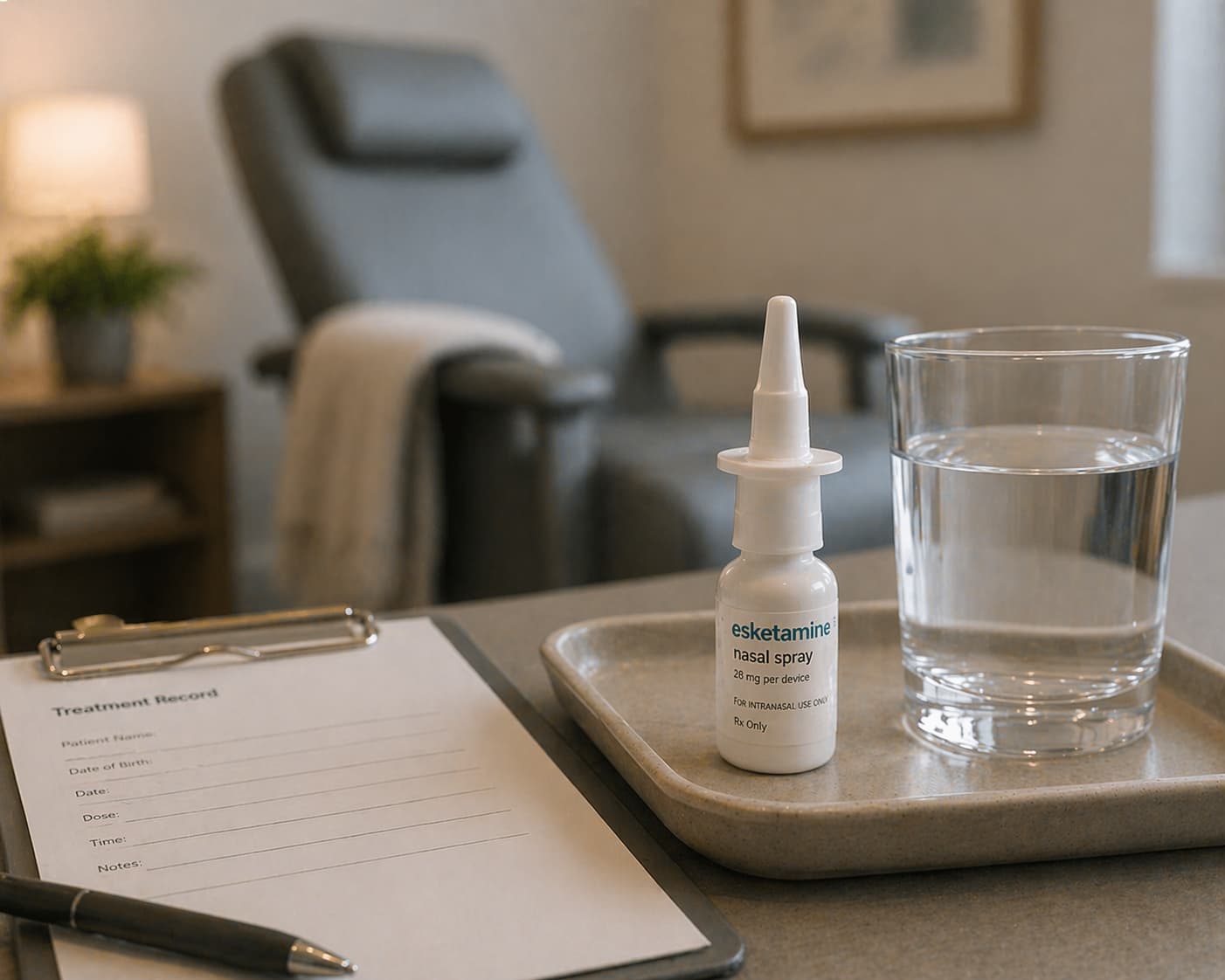
Esketamine is a fast-acting, clinic-based treatment for depression that may help when other options haven’t worked. Delivered as a supervised nasal spray, it works differently from traditional medications and can provide relief more quickly for some people.

Examples of ketamine therapy side effects are dissociation, nausea, and fatigue, but these are usually short-lived and manageable in a clinical setting. With proper supervision and aftercare, treatment can be both safe and effective.

Ketamine for depression is an emerging treatment that can provide rapid relief, especially when other options haven’t worked. By targeting different brain pathways, it offers a new approach to care and is used under medical supervision as part of a personalized treatment plan.

Ketamine drug is a medically approved dissociative anesthetic now used for treatment-resistant depression and pain. Unlike traditional antidepressants, it works rapidly by targeting the brain’s glutamate system and supporting neuroplasticity, often providing relief within hours.