
How to Have the Best Ketamine Session

Summary
Getting the most out of ketamine session isn’t about having a perfect experience. It’s about creating the right conditions for your mind and body to feel safe enough to open. That means preparing your mindset, choosing a calm and supportive environment, working with a clinician on the right dose, and prioritizing integration afterward. When you approach ketamine with curiosity instead of control, you give the experience more space to work.
A ketamine session can feel strange, calm, emotional, or even kind of blank. All of that can be normal. The goal isn't to get it right. It's to feel safe enough to let the experience unfold, and to work with what comes up in a way that actually supports change.
Below is an easy guide to a supportive ketamine therapy experience, including:
- How to get the most out of ketamine therapy
- What to expect during ketamine therapy
- Ketamine dosage and administration
- Ketamine integration therapy (plus aftercare).
If you’ve been searching for how to enhance ketamine or how to get the most out of ketamine session, this is the safe, practical version: enhance your results by improving preparation, support, and integration not by trying to hack the medicine.
To learn more about how to get the most out of your treatment, check out our resource on how to maximize ketamine treatment.
Why Ketamine May Help You Break Out of Negative Thought Patterns
Depression, anxiety, and chronic stress can sometimes feel like being stuck in the same mental loops over and over again. The same worries, fears, beliefs, and emotional reactions keep repeating, even when you want things to change.
One way clinicians describe ketamine’s effects is through the “fresh snow” metaphor.
Imagine a snowy hill covered with deep sled tracks. Over time, your thoughts naturally follow those same grooves because they’ve become familiar and automatic. Depression and anxiety can create similar patterns in the brain.
Ketamine appears to work differently than many traditional treatments by affecting glutamate, a neurotransmitter involved in learning, memory, and brain plasticity. Researchers believe this process may help support the formation of new neural connections, a phenomenon known as neuroplasticity.
In simple terms, ketamine may temporarily create an opportunity for the brain to explore new pathways instead of automatically following old ones.
Many people describe this shift as feeling less stuck, gaining a new perspective, or being able to look at long-standing challenges differently than before.
While the ketamine experience itself can be meaningful, lasting change often comes from what you do afterward. This is why preparation, intention-setting, therapy, and integration practices are often considered just as important as the treatment session itself.
What makes a ketamine session successful?
If you're wondering what makes a ketamine experience successful, it usually comes down to a few basics:
- Safety (medical safety and feeling emotionally supported)
- Set and setting (your mindset + your environment)
- The right dose and route (your clinician guides this in ketamine treatment)
- Integration (what you do after the session)
This is how many people move toward the best ketamine therapy experience and how to improve ketamine therapy outcomes over time.
How to get the most out of ketamine therapy (quick answer)
When people want to know how to get the most out of ketamine therapy or how to enhance ketamine, they usually mean: How do I make ketamine treatment work better for me?
At Limitless, we help people anchor their experience in curiosity, not control. Metacognition is your ability to observe the internal terrain, without getting consumed by it. This witnessing allows you to receive insights without needing to “figure it all out.”
Metacognitive Reframe: “What I’m experiencing isn’t right or wrong. It’s information. It’s energy moving. I can observe without attaching meaning too quickly.”
Additional ways to help you get the most out of your ketamine treatment are:
- Make the room feel safe. Comfort + privacy + low noise = easier letting go.
- Use simple nervous system tools. Slow exhale, relaxed jaw, loose hands.
- Don't stack stress. Avoid rushing, conflict, or heavy decision-making around your session.
- Do real ketamine integration. The session is the opening; integration is the change.
For anything involving supplements, fasting, cannabis, alcohol, or medication changes, check with your prescribing clinician first. Those choices can change safety and outcomes.
Preparing for Your First Session: Why Set and Setting Matter
One of the best ways to improve your ketamine session starts before it even begins.
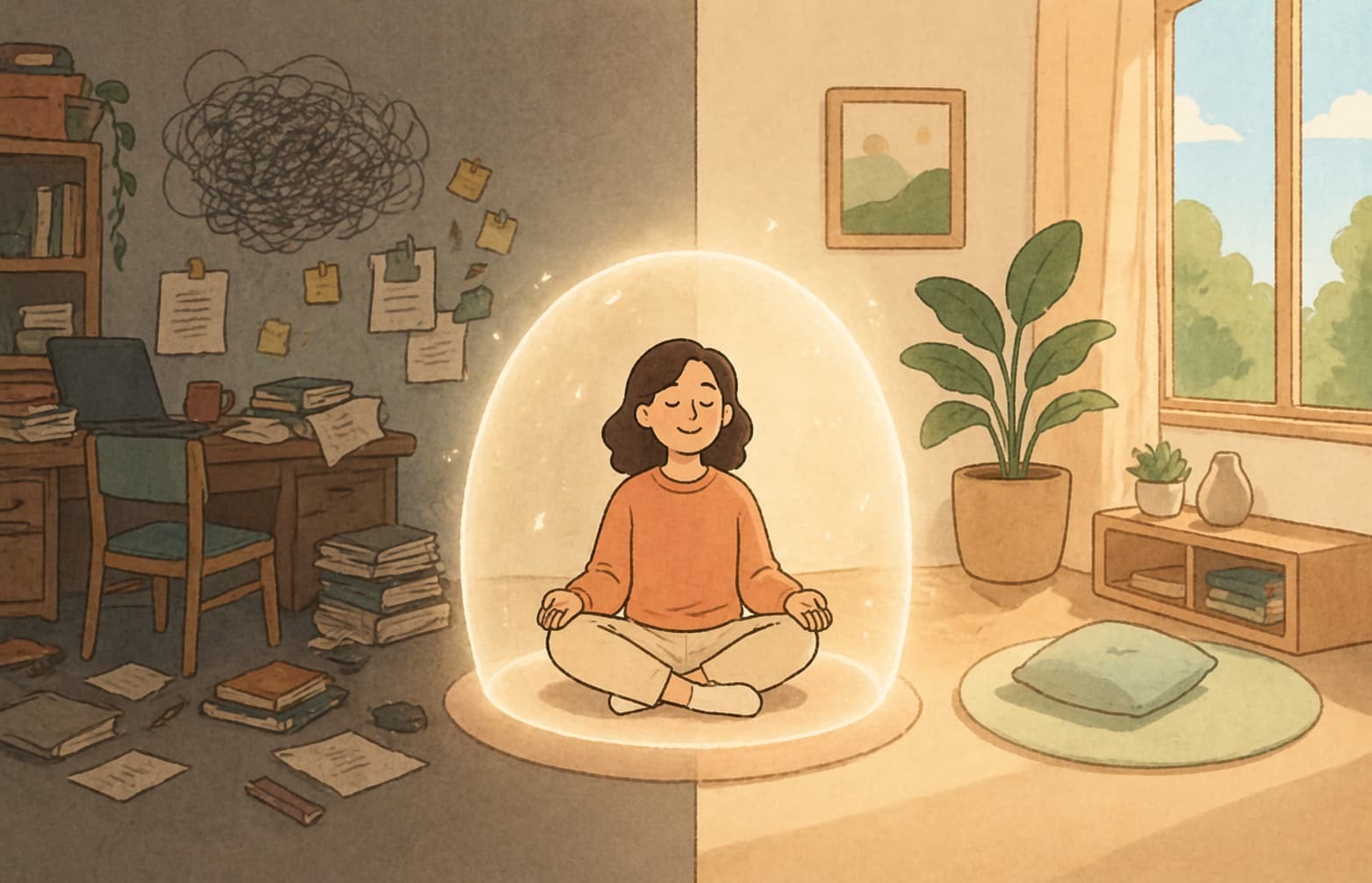
You may hear providers talk about “set and setting.”
- Set refers to your mindset. This includes your expectations, emotions, and overall mental state going into treatment.
- Setting refers to your environment. This includes the treatment room, the people around you, the music you listen to, and anything else that helps you feel comfortable and safe.
Most ketamine clinics are intentionally designed to feel calm and supportive rather than clinical or intimidating. Medical staff monitor you throughout the session while creating an environment that allows you to relax and focus inward.
Many people find it helpful to approach ketamine with curiosity rather than expectation. You do not need to force insights or have a major breakthrough. Some sessions feel profound, while others feel peaceful, reflective, or difficult to describe. All of these experiences can be normal.
Before your session, many providers recommend bringing a few simple comfort items:
- Comfortable clothing
- An eye mask
- Headphones
- A calming playlist if allowed by the clinic
- A simple intention for the experience
When you're tense or scared, your body fights the experience. When you feel safe, you can soften and let it move through you.
The goal is not to control what happens during treatment. The goal is to create a safe, supportive environment that allows you to remain open to the experience.
Instead of trying to make something happen, focus on creating conditions that allow the experience to unfold naturally. Often, the most helpful mindset is simply:
“I’m willing to see what comes up.”
Your ketamine therapy environment also plays a big role. You want to have things to support you like
- Soft lighting
- Quiet, private space
- Comfortable setup (blanket, chair)
- Music or headphones if helpful
You'll sometimes hear us talk about metacognition in ketamine therapy. That's just a fancy word for a simple skill: notice what's happening (this is fear, this is tightness), and don't panic about it.
How Limitless Can Support Your Ketamine Experience
Many people spend a lot of time preparing for the treatment itself but very little time preparing for the experience.
Ketamine can create a unique opportunity to step outside familiar thought patterns and view yourself, your relationships, and your challenges from a different perspective. Going into a session with a clear intention can help create a greater sense of purpose and direction.
Many people use Limitless before treatment to:
- Calm pre-session anxiety
- Create a more positive mindset before treatment
- Set an intention for the experience
- Feel more emotionally prepared and supported
During treatment, Journey Macrodoses are designed to serve as a supportive backdrop for the experience. Through guided visualizations, calming music, gentle narration, and breath pacing, they can help reinforce feelings of safety, curiosity, self-compassion, and openness while the session unfolds.
After treatment, many people revisit the same Journey to reconnect with insights, reflect on what surfaced during the session, and continue the integration process between treatments.
If you’d like additional guidance, our Level Up Your Ketamine Treatment With Limitless mini course teaches you how to use Limitless Journey Macrodoses to bring more intention, support, and structure to your session.
Ketamine dosage and administration (IV vs IM ketamine therapy and more)
Ketamine dosage and administration should be decided by a qualified clinician. Different bodies need different plans for ketamine treatment.
IV vs IM ketamine therapy (quick and casual):
- IV: often smoother and easier to adjust during the session.
- IM: usually a faster come-up, sometimes feels more intense at first.
Some clinics also offer other options, like:
- Spravato (esketamine): a nasal spray done in a clinic setting.
- Troches/lozenges: a dissolvable form used in some treatment plans.
If you want extra support, ask about a guided ketamine session. This could mean a therapist, coach, or trained guide helping you stay grounded and process what comes up (alongside medical oversight).
What to expect during ketamine therapy
Every ketamine experience is different, but many people notice a gradual shift in awareness within minutes of treatment beginning.
Early in the session, you may feel physically relaxed, calm, or detached from your usual thoughts. As the medication takes effect, your attention often turns inward and becomes less focused on the outside world.
You might notice:
- Time feels weird
- Floating or heaviness
- Colors, patterns, dreamlike scenes
- A far away feeling in your body (a dissociative therapy experience)
- Emotional processing with ketamine (sadness, relief, grief, peace)
Some providers refer to this as a “drone view.” Instead of being caught inside a stressful situation, you may feel as though you are observing it from a little farther away. For some people, this perspective can make difficult emotions feel easier to explore.
As the medication wears off, awareness gradually returns to normal. Many people describe the transition as similar to waking up from a vivid dream or a deep meditation. You may feel relaxed, reflective, tired, or slightly groggy for a short period afterward.
The session itself eventually ends, but many providers encourage patients to pay attention to the next 24 to 48 hours. This period is often viewed as an important opportunity for reflection, therapy, journaling, mindfulness practices, and other forms of integration.
Some people also notice a feeling of emotional distance from their usual worries or thought patterns. Rather than feeling disconnected, many describe being able to observe challenges from a different perspective. Some providers refer to this as getting a “drone view” of your life, where problems can feel easier to look at without becoming completely overwhelmed by them.
One big skill here is nervous system regulation during ketamine. Try slow breathing and relaxing your jaw and shoulders. If something feels intense, see if you can say: Okay, I'm noticing this. Then come back to your breath or music.
If trauma is part of your story, ask for trauma-informed ketamine care. That means more choice, more consent, and more pacing-so you don't feel pushed.
Ketamine therapy tips (for the best ketamine therapy experience)
Simple ketamine therapy tips that can help you have the best ketamine therapy experience:
- Don't force it. You don't need to solve your life during the session.
- Let your brain do its thing. Some sessions feel deep. Some feel quiet.
- Try guided imagery if it's comforting. Guided imagery ketamine can be as simple as picturing a safe place.
- Be curious, not judgey. This is where metacognition helps.
Sometimes the session opens a door into subconscious healing ketamine themes-old memories, symbols, or new perspectives. You don't have to chase anything. Just stay supported and present.
Ketamine integration therapy (how to integrate a ketamine experience)
In the 24-48 hours after treatment, your brain enters a vital state of neuroplasticity, much like a landscape covered in fresh snow. This window is your opportunity to build new habits without immediately slipping back into deeply worn mental ruts.
As you return to your routine, you might notice lingering physical sensations. Managing the potential side effects of esketamine or IV treatments, like mild nausea or fatigue, is entirely normal. Allow your body to rest while tuning into positive, qualitative shifts, such as simply feeling lighter and noticing a break in constant rumination.
To prevent wasting this neuroplastic opportunity, utilize these ketamine integration aftercare tips for your first 24 hours:
- Write without judgment: Practice non-judgmental journaling to capture fleeting ketamine insights before they fade.
- Ask yourself: What felt important? and What do I want to do differently this week?
- Protect your peace: Actively avoid high-stress environments, negative media, or demanding conversations.
- Move gently: Engage in light movement, like a short walk in nature, to ground your physical body.
Try these gentle steps and notice how they anchor your newly shifted perspective. By actively participating in your healing rather than passively waiting for a cure, you maximize the benefits of ketamine therapy experience. Each time you honor this integration phase, you build the mental flexibility to steer your life in a healthier direction.
Over time, stress, depression, anxiety, and negative self-talk can create deeply worn mental pathways. Ketamine may temporarily create an opportunity to explore new perspectives and responses instead of automatically following those familiar tracks. This is one reason integration work is considered such an important part of the process.
Ketamine therapy aftercare
Ketamine therapy aftercare is a big part of what to do before and after ketamine therapy. Keep the rest of your day simple.
- Hydrate and eat when you're ready
- Rest and keep things quiet
- Avoid alcohol and big arguments that day
- Limit intense screens or heavy news
How many ketamine sessions do I need?
It depends. Many people start with a short series, then do maintenance sessions if needed. Your provider should help you choose a plan based on your response.
How to Have the Best Ketamine Session
The best ketamine treatment experiences are usually the result of good preparation, a supportive environment, realistic expectations, and thoughtful integration afterward
Step 1: Prepare Your Mindset
Before your session, take a few minutes to think about why you’re seeking treatment.
You do not need a perfect intention or a major life goal. A simple focus such as “I’m open to learning,” “I want more peace,” or “I’m curious about what comes up” is often enough.
Step 2: Create a Comfortable Environment
Whether you’re receiving treatment in a clinic or another approved setting, comfort matters.
Wear comfortable clothing, bring an eye mask if recommended, use calming music, and remove unnecessary distractions whenever possible.
Step 3: Let Go of Expectations
Some sessions feel emotional, insightful, or transformative. Others feel quiet, neutral, or difficult to describe.
Try not to judge the experience while it’s happening. The goal is not to have the “perfect” session. The goal is to remain open to whatever arises.
Step 4: Support Your Nervous System
If you feel anxious or overwhelmed, return your attention to your breath, the music, or physical sensations in your body.
Simple grounding techniques can help you stay present without fighting the experience.
Step 5: Prioritize Integration
The work does not end when the session ends.
Journaling, therapy, guided visualizations, mindfulness practices, and intentional reflection can help turn temporary insights into lasting changes.
Many people find that what they do after treatment is just as important as the treatment itself.
Try these next from the Limitless App
- Get Grounded before treatment
- Neutrality when your mind feels busy
- Letting Go after a session
- Reclaim Your Energy for momentum
Final Thoughts: The Experience Is the Messenger—Not the Destination
Ketamine isn’t meant to “fix” you. It’s here to remind you of your own inner guidance system—the one that may have gone offline after trauma, depression, or chronic stress.
With the right setting, intention, and integration, ketamine becomes more than a treatment—it becomes a teacher. One that can reconnect you with parts of yourself that have long waited to be seen.
“You are not broken. You are learning to listen.”
– Limitless Philosophy
Frequently Asked Questions About How To Have the Best Ketamine Treatment Experience
What makes a ketamine experience successful is usually a mix of safety, supportive ketamine mindset and setting, appropriate ketamine dosage and administration, and follow-through with integration. If trauma is involved, ask about trauma-informed ketamine care.
IV vs IM ketamine therapy isn't about better or worse-it's about fit based on your indivisualized needs. Ketamine dosage and administration should be personalized by your clinician, based on your history, sensitivity, and goals.
Start with simple ketamine treatment preparation: follow your clinic's instructions, wear comfortable clothes, and plan a calm day. For how to prepare your mindset for ketamine treatment, choose a light intention and a backup phrase like I'm safe. This will pass.
"Setting" is your external environment: modern clinics are designed like quiet living rooms with continuous but unobtrusive medical monitoring. "Set" is your mindset: arriving with calm curiosity helps you engage the process safely. To support both, bring comfortable clothes, a soothing instrumental playlist, and an eye mask; you may receive the medicine via IV infusion, IM injection, or FDA-cleared esketamine nasal spray.
Absoliutely! A guided ketamine session can add support and structure-especially if anxiety or trauma is part of your story. Ask your clinic what's available and what's included in their model of care.
Your brain enters a heightened neuroplastic window, prime time to consolidate positive changes. Focus on integration: journal without judgment to capture insights, protect your peace by avoiding high-stress inputs and negative media, and move gently (e.g., a short walk) to ground your body. These steps help anchor new pathways so benefits last.
For how to get the most out of ketamine therapy, it’s less about trying to control the experience and more about how you support it. Strong ketamine treatment preparation, a calm ketamine mindset and setting, and simple tools like steady breathing can help you stay grounded during your ketamine therapy experience. What you do afterward matters just as much, ketamine integration therapy like journaling, reflection, or small behavior changes is what helps the benefits actually last.
What to expect during ketamine therapy varies. Some people feel floaty or dreamlike, others feel emotional, and some have a quieter experience. A dissociative therapy experience is common. If you feel intensity, use slow breathing for nervous system regulation during ketamine.
How many ketamine sessions you need will depends on your clinic's protocols and will be based upon goals and how you respond. Many people start with a short series, then adjust with their provider based on symptom changes and integration progress.
Ketamine infusion therapy integration is how you turn the session into real-life change. Common ketamine integration techniques include journaling within 24 hours, therapy/coaching, and gentle movement. This can support long-term results during the neuroplasticity ketamine therapy window.
Ketamine therapy aftercare matters. Rest, hydrate, eat when you're ready, and keep things low-stimulation. If possible, journal and do a guided experience like a Mindset Microdose to help you integrate the experience. That's a big part of how to improve ketamine therapy outcomes over time.
Your first ketamine therapy session can feel unfamiliar, but understanding what does ketamine feel like and what typically happens during treatment can ease nerves and create a sense of calm. This guide walks you through the setting, the process, and what you may experience so you can feel supported and informed as you begin.

Your first ketamine infusion therapy appointment is an important step toward feeling better. Preparing thoughtfully can help you feel calm, comfortable, and ready to engage in the process. This guide walks you through what to expect, how to prepare your body and mind, and how to set yourself up for the best possible experience.

Quiet ketamine infusion therapy sessions are normal. Even when “nothing happens,” healing is often unfolding beneath the surface. This guide shows why they matter and how to work with them.
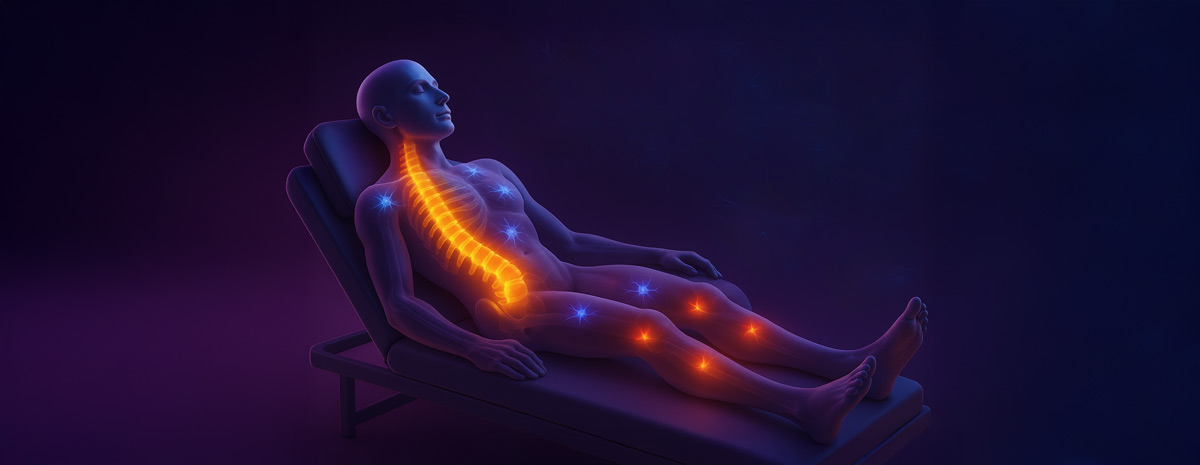
Curious how long ketamine pain relief lasts? Learn what to expect, influences on pain perception, and natural techniques to boost pain relief.