What is Growth Mindset Meaning?
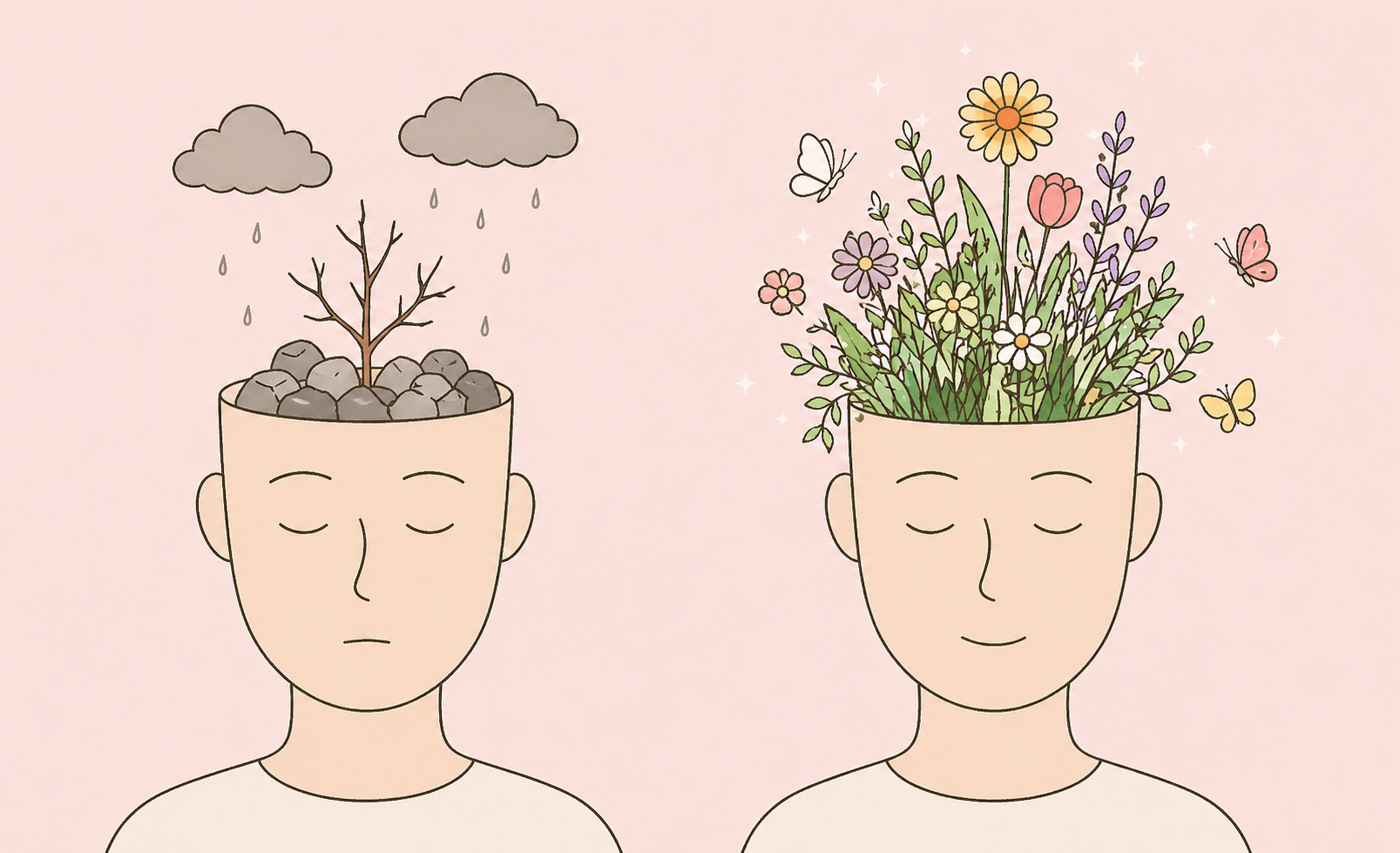
A growth mindset is the belief that abilities, intelligence, and skills can be developed through effort, learning, and persistence. Popularized by psychologist Carol Dweck, this mindset helps people approach challenges as opportunities rather than obstacles. By understanding the differences between a growth mindset and a fixed mindset, individuals can build resilience, improve performance, and stay motivated through setbacks. With practical strategies like reframing negative thoughts, seeking feedback, and setting achievable goals, anyone can begin developing a growth mindset and unlock greater personal and professional growth.
A growth mindset is a powerful concept that can transform how we approach challenges. It is the belief that abilities and intelligence can be developed through dedication and hard work, which is the growth mindset definition most commonly cited. This mindset contrasts with a fixed mindset, where people see their abilities as static and unchangeable.
Psychologist Carol Dweck popularized the growth mindset concept. Her research shows that embracing a growth mindset can lead to greater success and fulfillment.
Understanding growth mindset and its principles can help us overcome obstacles and achieve our goals. It encourages us to view challenges as opportunities for growth rather than threats.
The benefits of a growth mindset are numerous. It fosters resilience, creativity, and a love for learning.
In education, sports, and business, a growth mindset can lead to improved performance and innovation.
Developing growth mindset habits involves changing our self-talk and adopting a positive attitude toward challenges.
This article will explore what it means to have a growth mindset, what is the definition of a growth mindset, and how to cultivate it. You’ll also learn about growth mindset traits, real growth mindset examples, and key growth mindset principles, along with how these ideas apply across different stages of life, including growth mindset definition for kids and growth mindset definition for students.
Growth Mindset Meaning: What Is a Growth Mindset?
A growth mindset revolves around the belief that our basic qualities and intelligence are not fixed traits. Instead, they can be developed with time and effort. This perspective encourages people to face challenges with an open mind. In practical terms, the definition of growth mindset centers on seeing abilities as developable through strategies and practice.
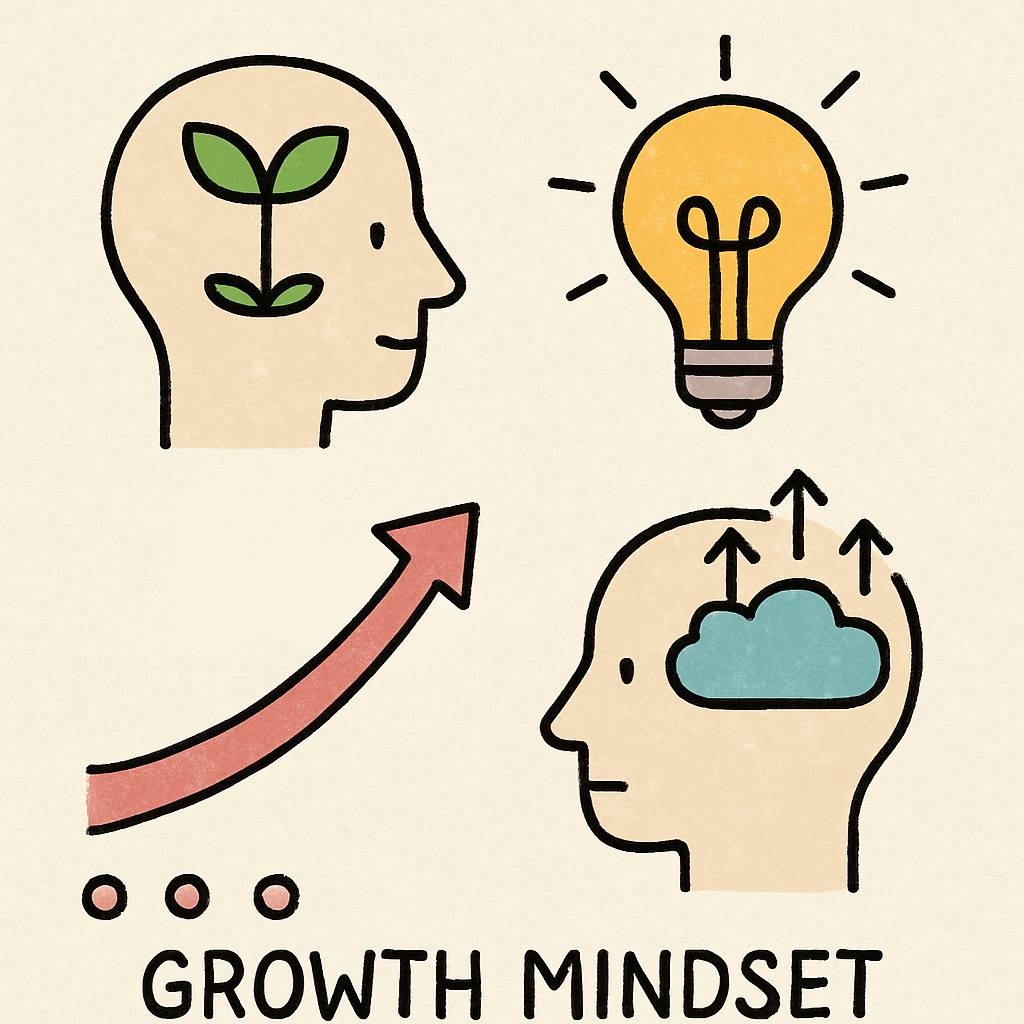
This concept is attributed to Carol Dweck, a psychologist known for her work on motivation. According to Dweck, a growth mindset fosters a passion for learning rather than a desire to appear smart. It emphasizes the importance of effort in achieving success.
Key growth mindset definition characteristics include:
- Embracing challenges
- Persisting in the face of setbacks
- Viewing effort as the path to mastery
- Learning from criticism
- Finding inspiration in others' success
Understanding how developing a growth mindset works involves recognizing that failures and challenges are opportunities to grow. This mindset nurtures resilience and adaptability, encouraging continuous personal improvement.
In contrast, those with a fixed mindset believe that their abilities and intelligence are static. They see failure as a limit to their potential, rather than a chance to improve. By adopting a growth mindset, we unlock the potential to expand our abilities and achieve more than we thought possible. This mindset can transform the way we learn, work, and interact with others.
Growth Mindset Explained: The Science and Origins
The growth mindset concept emerged from the field of psychology. It stems from research on brain plasticity and how we can change our brain's structure through experience. The science behind a growth mindset shows that intelligence is not fixed, but expandable.

Brain plasticity, or neuroplasticity, explains how the brain forms new connections with learning. Studies reveal that engaging in challenging activities strengthens neural pathways. This supports the idea of intelligence growing with effort and practice.
Carol Dweck's research on student attitudes further popularized the growth mindset. Her studies showed that students with a growth mindset embraced learning and performed better academically. They viewed failures as stepping stones, not barriers.
Key scientific insights supporting the growth mindset include:
- The brain's adaptability through learning
- Positive correlation between effort and neural growth
- The impact of mindset on academic and personal achievements
The origins and science of the growth mindset illustrate its power to enhance learning and personal growth. It underscores the importance of cultivating an adaptive and open mindset. Understanding these fundamentals empowers us to adopt strategies that nurture continuous growth.
Growth Mindset vs Fixed Mindset: Key Differences
When considering growth mindset vs fixed perspectives, it's helpful to compare how each frames learning and challenges. A growth mindset views abilities as qualities that can be developed through effort. In contrast, a fixed mindset sees them as set traits that don't change over time. This fundamental difference shapes how individuals approach learning and challenges.
People with a growth mindset embrace challenges. They believe effort leads to mastery. In contrast, those with a fixed mindset tend to avoid challenges to prevent failure, fearing it reflects their true abilities.
Growth mindset individuals view failure as an opportunity to learn. They persist in the face of setbacks, driven by the belief in potential for growth. On the other hand, a fixed mindset often leads to giving up easily because setbacks threaten self-worth.
The key differences include:
- Approach to challenges (embrace vs. avoid)
- Reaction to setbacks (learn vs. give up)
- Belief in effort (necessary vs. pointless)
These distinctions impact motivation and success in various life areas. Understanding the differences between growth and fixed mindsets helps individuals identify areas for personal improvement. Cultivating a growth mindset opens paths to lifelong learning and achievement.
Growth Mindset Principles and Core Characteristics
Central to a growth mindset is the idea that effort contributes to improvement. This belief fosters resilience and a passion for learning. Those with a growth mindset see setbacks as part of the learning process, not an end.
Several principles underpin a growth mindset. Embracing challenges and persisting through them is key. Recognizing that mistakes offer valuable lessons encourages continuous growth and development.
Another critical characteristic is viewing effort positively. People with a growth mindset see hard work as a path to excellence and not merely as a chore. This perspective transforms challenges into opportunities for personal advancement.
Here's a breakdown of core principles and characteristics:
- Embracing challenges and persisting
- Seeing effort as a path to mastery
- Learning from criticism and feedback
- Celebrating others' success and using it as inspiration
Together, these principles create a proactive approach to life and learning. They empower individuals to overcome obstacles and achieve their potential. Acknowledging these traits can initiate personal growth and guide toward success in various fields.
Growth Mindset Traits: What Does It Look Like in Practice?
People with a growth mindset exhibit distinct traits. These traits guide their actions and decisions in everyday life. Observing these traits can provide insights into fostering a growth mindset in oneself.
One of the most notable traits is curiosity. A growth mindset individual approaches the unknown with eagerness and a willingness to explore new possibilities. This trait drives innovation and creativity.
Persistence also defines those who embrace a growth mindset. They are not deterred by failures or setbacks, viewing them as opportunities to learn rather than insurmountable barriers. This resilience is crucial for long-term success and satisfaction.
Here's a quick look at common growth mindset traits:
- Curiosity and a desire to learn
- Resilience in the face of setbacks
- Openness to feedback and constructive criticism
- Willingness to adapt and change
Together, these traits form a foundation for personal and professional growth. They enable individuals to navigate challenges positively, thereby fostering continuous development and achievement.
Growth Mindset Examples in Everyday Life
A growth mindset manifests in many forms in our daily routines. Observing how it operates in various scenarios can provide valuable insights.
Consider a student who doesn't fear failure. Instead, they see it as a stepping stone to mastery. They understand that each mistake is a chance to improve and refine their skills.
In the workplace, a manager might embrace innovative methods. Instead of avoiding risks, they encourage their team to experiment. This openness often leads to greater creativity and improved solutions.
Here's how a growth mindset appears in different settings:
- A chef who constantly experiments with new recipes to improve.
- An athlete who uses losses as learning opportunities.
- A parent who encourages children to try new hobbies despite challenges.

These examples highlight the power of a growth mindset in overcoming obstacles and fostering lifelong learning. By incorporating these practices, anyone can enhance their personal and professional growth.
Growth Mindset Definition for Kids and Students
Introducing a growth mindset to kids and students begins with simple concepts. It's crucial for young minds to grasp that abilities can be developed over time.
The essence of this mindset for kids is the belief that "I can learn anything if I try hard." This encourages curiosity and resilience when facing challenges in school or at home.
For students, understanding the growth mindset includes recognizing that intelligence isn't static. It can expand with effort, practice, and new experiences. This realization can transform their approach to learning and boost their confidence. A straightforward growth mindset definition for students is that abilities can expand with deliberate practice, effective strategies, and helpful feedback.
Practical ways to introduce this to young learners might include:
- Using stories that emphasize learning through persistence.
- Encouraging activities that highlight progress over perfection.
- Offering praise for effort rather than innate ability.

By fostering a growth mindset early on, children and students become better equipped for academic and life successes. This foundation is pivotal for cultivating lifelong learning habits.
Growth Mindset Benefits: Why It Matters
Adopting a growth mindset comes with many meaningful benefits. It helps you build resilience in the face of setbacks and creates a stronger mental framework for handling challenges. This kind of adaptability supports both personal growth and professional success.
People with a growth mindset often feel more motivated. They move toward their goals with intention, seeing effort as an important part of learning and mastery. Over time, this leads to continued growth in knowledge, skills, and overall satisfaction.
This mindset can also improve how you respond to stress. By focusing on learning and progress, you’re more likely to develop healthier, more balanced reactions. Challenges start to feel like opportunities instead of threats, which can support emotional stability.
Some key benefits of a growth mindset include:
- Enhanced creativity and innovation
- Improved problem-solving abilities
- Better emotional and mental health
- Greater adaptability and flexibility
Overall, the growth mindset's benefits contribute to a fulfilling and rewarding life. It lays the foundation for lifelong learning and continuous self-improvement.
Developing a Growth Mindset: Practical Strategies
Adopting a growth mindset offers powerful, real-life benefits. Start by embracing challenges as learning opportunities. This shift in perspective can transform perceived failures into valuable experiences for growth.
Replace negative self-talk with positive affirmations. When you catch yourself doubting your abilities, remind yourself that effort leads to improvement. Consistently practicing this can reshape how you approach obstacles.
Seeking feedback is another crucial strategy. Constructive criticism can highlight areas for development. Use this information to refine your skills and enhance your understanding of tasks.
Additionally, setting realistic, achievable goals fosters progression. These objectives should be incremental, allowing you to celebrate small victories. These achievements reinforce your confidence, encouraging further efforts.
Here are some strategies to consider:
- Embrace challenges as opportunities for growth.
- Practice positive self-talk and affirmations.
- Seek and utilize constructive feedback.
- Set incremental, achievable goals.
- Celebrate progress and learning, not just outcomes.
Finally, remember that developing a growth mindset is a journey. It involves ongoing learning and adaptation.

Growth Mindset in Education, Sports, and Business
A growth mindset holds significant value across various fields, including education, sports, and business. In education, teachers who encourage a growth mindset can boost student engagement and academic performance. Students learn to appreciate effort, viewing challenges as stepping stones for development.
In sports, athletes with a growth mindset often outshine those with a fixed mindset. They view setbacks as opportunities to improve skills and resilience. This mindset fosters long-term success and personal fulfillment.
Business leaders with a growth mindset inspire innovation and adaptability within their teams. Organizations benefit from a culture that values learning, leading to improved productivity and creativity.
Key areas where growth mindset impacts include:
- Enhanced student learning in educational settings.
- Improved performance and resilience in sports.
- Increased innovation and adaptability in business environments.
Growth Mindset in Psychology: AP Psychology Definition and Research
In psychology, the growth mindset is pivotal in understanding human behavior and development. In AP Psychology, the growth mindset AP Psychology definition highlights its role in shaping one's identity and motivation.
Research indicates that individuals with a growth mindset tend to achieve higher and cope better with stress. Psychological growth involves adapting and improving, despite challenges.
Key research findings include:
- Growth mindset leads to higher achievement.
- It enhances stress management capabilities.
- It contributes to stronger motivation and engagement.
Understanding these elements in psychology can provide insights for personal and social development.
Common Misconceptions and Challenges
Misunderstandings about the growth mindset can hinder its true potential. Some believe it means just staying positive, but it goes deeper than that.
Challenges arise in shifting deeply ingrained beliefs and habits. Overcoming these requires patience and effort.
Common misconceptions include:
- Growth mindset is only about effort.
- It means ignoring failures.
- It's about always being positive.
Navigating these challenges and clarifying misconceptions can pave the way for genuine growth and development. With time, a true growth mindset can be embraced.
How to Develop a Growth Mindset
Developing growth mindset habits takes intention, but it doesn’t have to feel overwhelming. It’s about small, consistent shifts in how you think, respond, and reflect.
Step 1. Reframe Challenges as Opportunities
Instead of seeing obstacles as proof of limitation, begin to view them as part of the learning process. This is a core part of understanding growth mindset and how it works in real life.
Reflection prompt:
Where in your life are you avoiding something that could actually help you grow?
Step 2. Shift Your Self-Talk
Pay attention to the way you speak to yourself. A growth mindset is built by replacing “I can’t do this” with “I’m learning how to do this.”
Over time, this simple shift supports developing growth mindset patterns that feel more natural and less forced.
Step 3. Focus on Effort, Not Just Outcomes
A key part of the growth mindset concept is recognizing that effort is how skills are built. Progress matters more than perfection.
This aligns with many growth mindset examples, where persistence leads to long-term success rather than immediate resu
Step 4. Seek Feedback and Stay Curious
Feedback isn’t criticism, it’s information. People with strong growth mindset traits use feedback to improve rather than take it personally.
Reflection prompt:
What feedback have you been resisting that could actually help you move forward?
Step 5. Use Tools That Reinforce Growth Daily
Consistency is what turns awareness into change. Practices like journaling, reflection, and guided visualization can help reinforce new thought patterns.
This is where Limitless fits naturally into developing growth mindset habits. The app is designed to help you practice these shifts in real time, using short mindset microdoses that help you bring awareness to your thought patterns and reframe them for personal growth.
Step 6. Create Space to Integrate What You Learn
Growth doesn’t happen in constant motion. It happens when you pause, reflect, and let new perspectives settle.
Even a few minutes of intentional mental space can strengthen your ability to apply growth mindset principles in everyday situations.
Frequently Asked Questions About Growth Mindset Meaning
A growth mindset is the belief that abilities and intelligence can be developed through dedication, effort, and effective strategies. It embraces challenges, persists through setbacks, views effort as the path to mastery, learns from criticism, and finds inspiration in others’ success. A fixed mindset, by contrast, sees abilities as static, avoids challenges, gives up more easily, and treats failure as a limit rather than a learning opportunity.
Research on brain plasticity shows the brain can form new connections through learning and practice, indicating intelligence is expandable. Studies highlight that engaging in challenging activities strengthens neural pathways, and Carol Dweck’s work shows students with a growth mindset achieve more by treating failures as stepping stones.
A growth mindset fosters resilience, creativity, and a love for learning, which support better performance across education, sports, and business. It enhances problem-solving, adaptability, and stress management by reframing challenges as opportunities. Over time, this mindset strengthens motivation, persistence, and overall fulfillment.
Reframe challenges and setbacks as learning opportunities, and replace negative self-talk with constructive, effort-focused affirmations. Seek and use feedback, set incremental goals, and celebrate progress and learning, not just outcomes. Remember it’s an ongoing journey that requires practice and reflection.
It’s not just about “being positive,” ignoring failures, or relying only on effort. A true growth mindset combines effort with effective strategies, learning from criticism, and using mistakes as data to improve. It’s a disciplined approach to continuous development, not a superficial optimism.
The growth mindset definition for students or growth mindset definition for kids is the idea that learning takes time, effort, and practice. It helps young people understand that mistakes are part of how they grow.
Start small. Notice your thoughts, reframe challenges, and practice consistency. Tools like guided visualizations can make this process easier by helping you experience the shift, not just think about it.
This is another place where Limitless mindset companion app can support your journey. Instead of trying to force new thoughts, you’re guided through them in a way that feels natural and repeatable.
Conclusion: Embracing the Growth Mindset Concept
A growth mindset transforms how we approach challenges and setbacks. By embracing this concept, we open up new possibilities for personal and professional growth.
The path toward a growth mindset requires an active shift in perspective. This shift helps cultivate resilience and adaptability, crucial for navigating life's uncertainties. The benefits of adopting this mindset ripple through all areas of life, enhancing creativity, learning, and problem-solving.
Incorporating the principles of a growth mindset into daily life can lead to lasting fulfillment. By recognizing that intelligence and abilities are not set in stone, we empower ourselves to strive for continuous improvement and success. Embrace the journey, cherish learning, and watch as the power of a growth mindset unfolds in remarkable ways.