

Letting Go Microdose | Release What No Longer Serves You

The Art of Letting Go
Letting Go is the sixth step in your metacognitive journey. It’s not about forgetting—it’s about clearing space for clarity, healing, and renewal. In this guided visualization, you’ll release mental and emotional baggage that weighs you down, and open up room for peace and new patterns to emerge.Prompt: What are you holding onto that no longer serves you? Imagine setting it down gently.
How Letting Go Supports Your Well-Being
Let go of what’s no longer aligned and create space for clarity, lightness, and renewed self-trust.

Stress Relief: Guided visualization helps release stress stored in the body, allowing for a lighter, more open state of being.
Emotional Freedom: Let go of lingering grief, resentment, or guilt—reclaim your emotional bandwidth.
Cognitive Clarity: By clearing mental clutter, you create space for clarity, creativity, and renewed focus.
Smoother Transitions: Whether you're in a life shift or healing season, this Microdose supports inner adaptation and flow.

The Philosophy Behind Letting Go
Letting Go activates the metacognitive process of re-evaluation. It invites you to witness your attachments—not as failures or flaws—but as imprints ready to evolve. In this visualization, you’ll use metaphor, imagery, and breath to release them.You might see the thing you’re letting go of as a balloon, a cloud, or a heavy stone. You’ll watch it drift, float, or dissolve, and with it, experience a release in the body and mind.Letting go isn’t passive. It’s a practice of courageous surrender—and in that surrender, healing accelerates.
Prompt: If your thoughts or emotions had a shape or texture, what would they look like? What happens as you watch them leave?
Practicing Letting Go: Tools & Techniques
These techniques help you visualize the release of internal weight, reclaim space, and reinforce your boundaries with intention.
Learn to construct and release visual representations of burdens through imagery like smoke, sand, light, or nature-based metaphors.
Use grounding techniques and breath to bring your attention inward and create a safe, neutral space for release.
Once something is released, the visualization guides you to reinforce and protect the space you've reclaimed—with light, energy, or intention.
Prompt: After releasing something, visualize what you want to replace it with. Is it peace, clarity, or spaciousness?

Daily Practices for Letting Go
Play with these core techniques in your daily life to help you build a lasting sense of balance and clarity:

Breathing Exercise
Inhale peace, exhale tension. With each breath, visualize a wisp of worry leaving your body. Repeat for 5 minutes daily.

Nature Connection
Take a walk. Watch leaves fall or waves retreat. Mirror nature’s rhythm of release and return.

Art as Alchemy
Draw what you're ready to release. Then alter it—cross it out, paint over it, tear it. Create a new image that symbolizes what's next.
Letting Go Affirmations
Use these mantras during and after your session:
"I release what I no longer need."
"I am safe to let go."
"With every breath, I become lighter."
Prompt: Choose one affirmation and say it aloud three times. Where do you feel it in your body?

How Letting Go Creates an Altered State of Consciousness
Release is a state characterized by loosening attachment to expectations, outcomes, old narratives, and repetitive thought patterns. It is not about avoiding emotions or suppressing experiences. Instead, it involves creating space for experiences to move through awareness without excessive resistance.
Letting Go helps users practice releasing mental and emotional tension through guided reflection, acceptance, and metacognitive awareness.
Many people report feeling lighter, calmer, and less burdened after practicing this state.
Potential Benefits: Reduced mental tension, greater acceptance, emotional flexibility, and decreased rumination.
Questions about Release State
Letting Go cultivates a release state, an altered state of consciousness characterized by reduced attachment to expectations, outcomes, past experiences, and repetitive thought patterns. Instead of mentally holding on, awareness becomes more open, flexible, and willing to allow experiences to unfold without excessive resistance.
Letting Go uses guided reflection, acceptance practices, and metacognitive awareness to help individuals recognize where they may be clinging to thoughts, emotions, stories, or expectations. By practicing non-resistance and creating psychological space around difficult experiences, the mind learns to loosen its grip on what it cannot control.
A release state often feels lighter, more spacious, and emotionally freeing. Many people notice less internal tension, reduced mental pressure, and a greater ability to allow thoughts and emotions to move through awareness without becoming stuck in them.
When people stop repeatedly engaging with stressful thoughts and emotional resistance, mental energy can be redirected away from rumination and toward present-moment awareness. This shift often supports emotional flexibility, nervous system regulation, and a greater sense of psychological ease.
Regular practice can help reduce rumination, improve emotional resilience, increase adaptability, and help individuals respond more effectively to change. Over time, people often become less controlled by old narratives and more capable of moving forward with clarity and acceptance.
While Observational Awareness focuses on observing thoughts and Self-Authority focuses on making aligned decisions, Release focuses specifically on reducing attachment. Its purpose is not simply noticing thoughts, but learning how to stop carrying unnecessary mental and emotional weight.
Expand Your Metacognitive Abilities: Microdoses to Explore Next
After Letting Go, continue your mindset development with these relevant Microdoses to expand your metacognitive skills.


Macrodoses to Pair with Letting Go
Deep Guided Visualization Sessions


FAQs About Letting Go
Learn how this Microdose helps release emotional weight and restore clarity.
Letting go helps release mental and emotional patterns that drain your energy or block clarity. It creates room for new insight and healing.
No. Letting go acknowledges what was—but chooses not to carry it forward. It’s an act of honoring and release, not avoidance.
The subconscious processes imagery more deeply than language. Visualization makes emotional release tangible and embodied.
You can start by visualizing the idea of letting go. Readiness will follow practice.
Yes. Letting Go is especially helpful during life transitions, emotional overwhelm, or full moon cycles.
Learn About Limitless

What Is Ketamine Nasal Spray? A Guide for Patients
Ketamine nasal spray is one of several ways ketamine can be administered for depression and other conditions. Learn how intranasal ketamine works, potential benefits and risks, treatment costs, safety considerations, and how it compares to Spravato/esketamine.

Exploring Altered Consciousness Examples and Their Meanings
Explore a wide range of altered consciousness examples, including dreaming, meditation, hypnosis, trance states, sensory deprivation, and psychedelic experiences. Learn how altered consciousness states affect awareness, perception, and the human mind.

Is Ketamine an Opioid? Ketamine Classification and Uses
Is ketamine an opioid? Learn how ketamine differs from opioids, how ketamine therapy works, common medical uses, side effects, and why ketamine is considered a non-opioid treatment option in some settings.

Cortisol Detox: Practical Ways to Lower Cortisol Naturally
Learn how a cortisol detox may help lower stress hormones naturally through sleep, nervous system regulation, nutrition, and lifestyle habits that support energy, emotional balance, and long-term wellness.
Essential Mental Health Tips for Everyone
Explore practical mental health tips for stress relief, mindfulness, emotional resilience, and daily wellness habits that support long-term mental well-being.

Progressive Muscle Relaxation Script: Guided Meditation Steps
Learn how to use a progressive muscle relaxation script to calm the nervous system, release physical tension, improve sleep, and support stress recovery through guided meditation and body-based relaxation techniques.
What Is Ketamine Used For? Depression, PTSD, Pain Relief, and Medical Uses
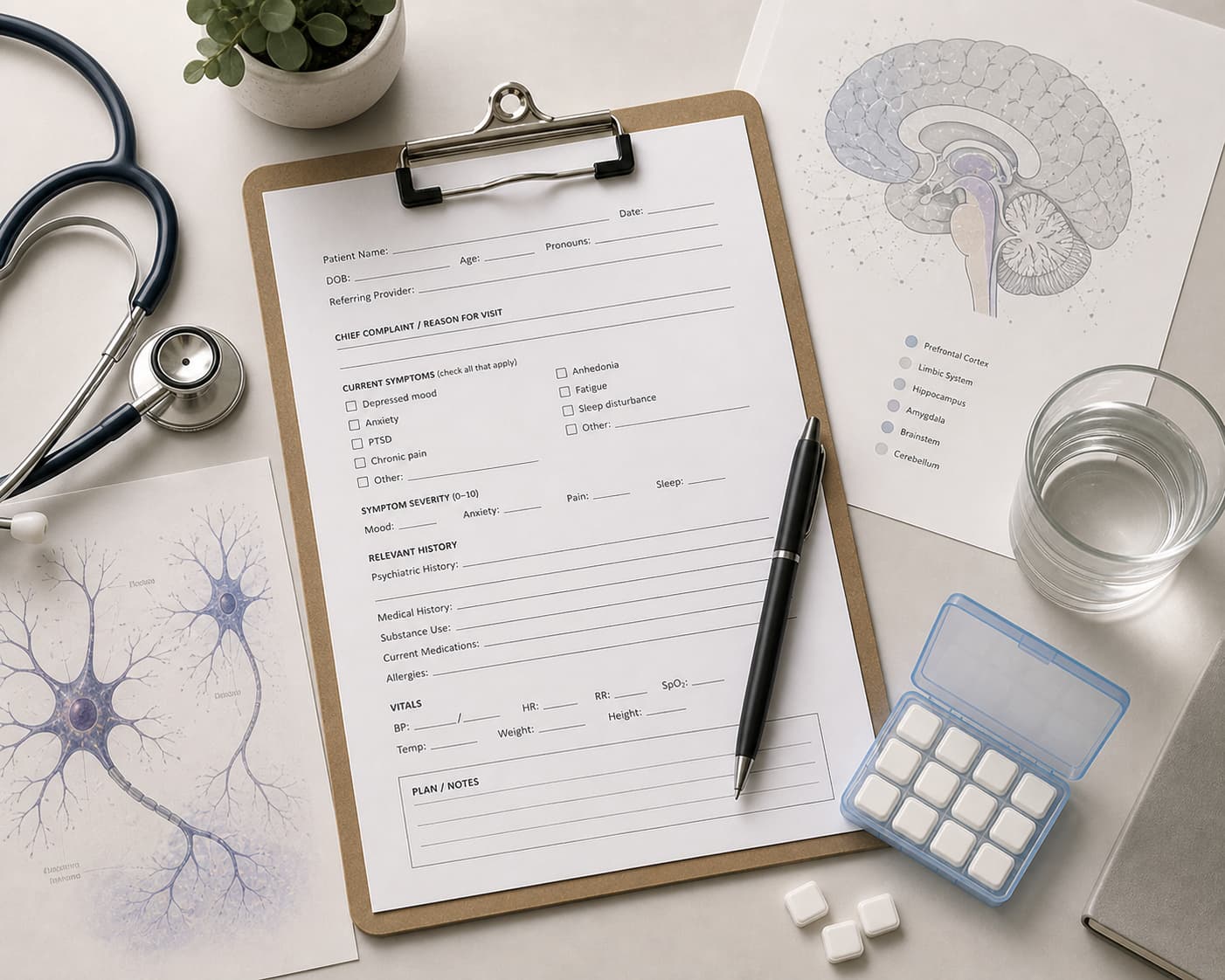
Learn about what is ketamine used for medically and therapeutically, including depression, PTSD, anxiety, chronic pain, anesthesia, ketamine infusions, and nasal ketamine treatment.

Benefits of At Home Ketamine Therapy
At home ketamine therapy offers a more accessible way to receive treatment for depression and anxiety through virtual care and clinician-guided sessions. Safe treatment requires a prescription, proper oversight, and ongoing support.
Understanding Spravato Side Effects: What to Expect
Spravato is an FDA-approved esketamine nasal spray used for treatment-resistant depression, offering a new option when traditional antidepressants are not enough. While it can provide rapid relief for some patients, understanding Spravato side effects is essential before starting treatment.
What Is a Growth Mindset? How to Develop One
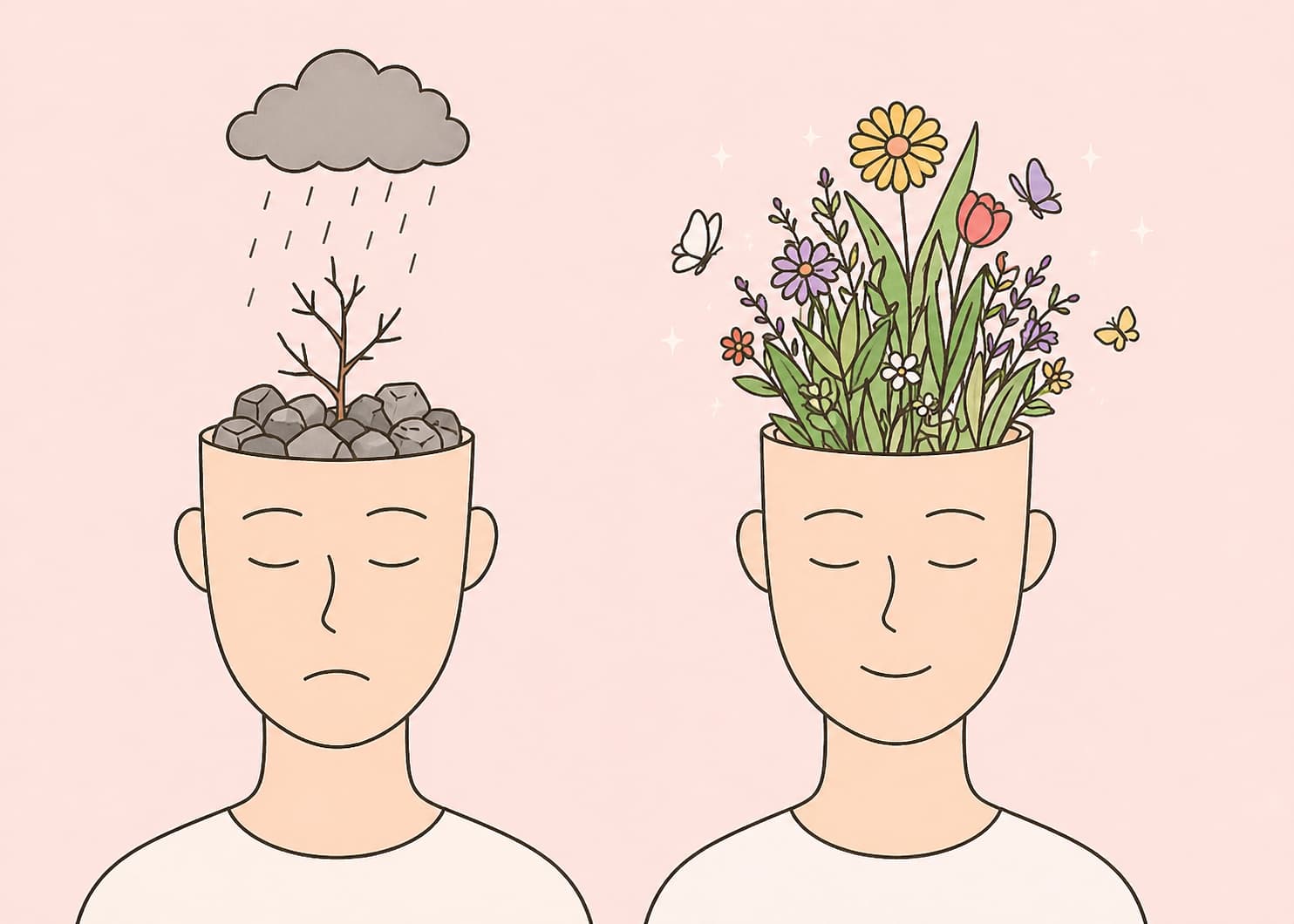
A growth mindset is the belief that your abilities can improve through effort, learning, and persistence. Instead of avoiding challenges, you learn to embrace them as opportunities for growth.
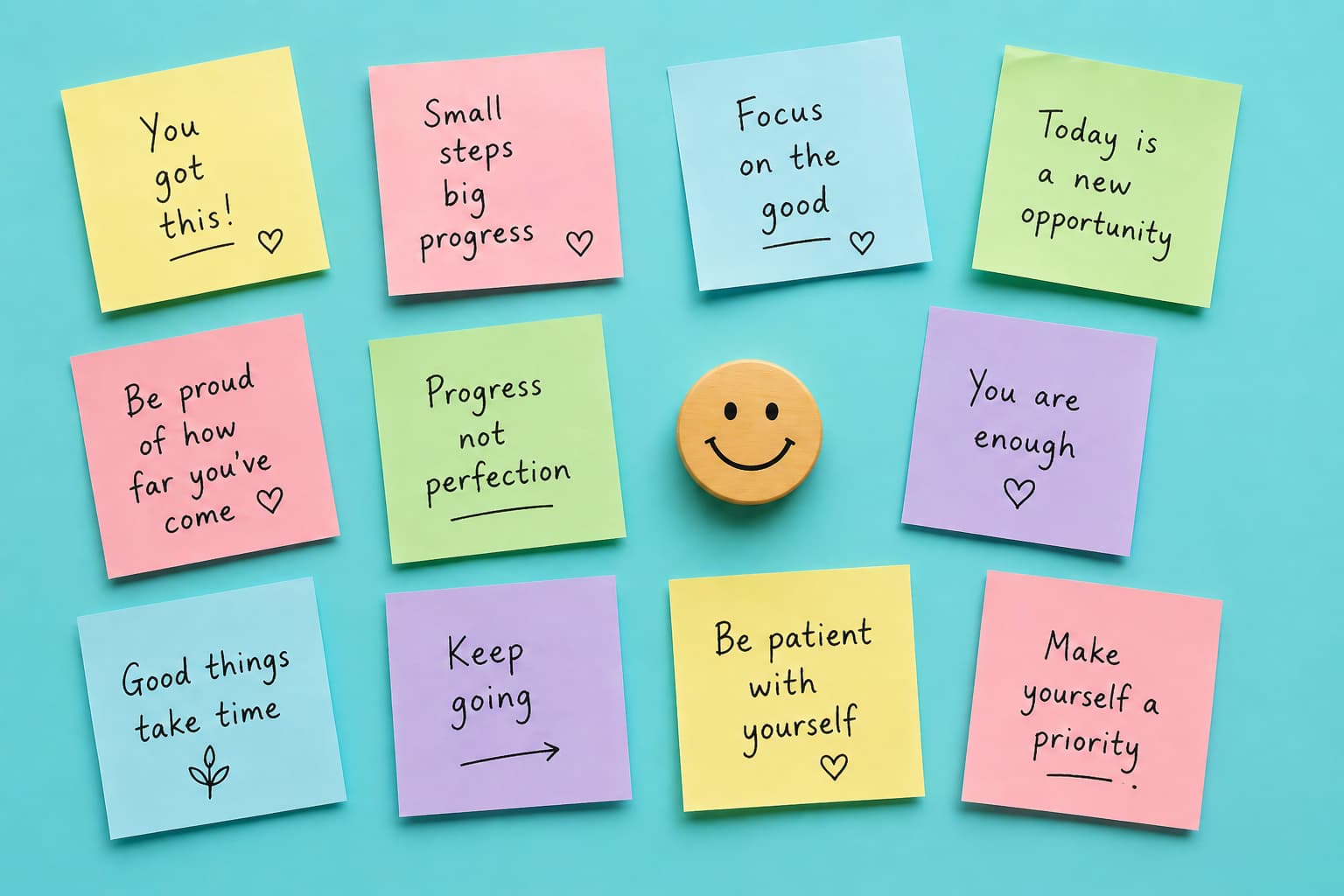
How Can I Develop a More Positive Mental Attitude in Daily Life?
A positive mental attitude isn’t about forcing happiness, it’s about learning how to shift your mindset, build resilience, and respond to challenges with more clarity. Through small daily habits like gratitude, mindfulness, and reframing negative thoughts, you can create lasting changes in how you think, feel, and show up in your life.

Exploring the Benefits of Esketamine Treatment
Esketamine is a fast-acting, clinic-based treatment for depression that may help when other options haven’t worked. Delivered as a supervised nasal spray, it works differently from traditional medications and can provide relief more quickly for some people.

Understanding Ketamine Side Effects: Risks, Safety, and Care
Examples of ketamine therapy side effects are dissociation, nausea, and fatigue, but these are usually short-lived and manageable in a clinical setting. With proper supervision and aftercare, treatment can be both safe and effective.

Ketamine for Depression: Therapy, Benefits, Risks, and Hope
Ketamine for depression is an emerging treatment that can provide rapid relief, especially when other options haven’t worked. By targeting different brain pathways, it offers a new approach to care and is used under medical supervision as part of a personalized treatment plan.

Understanding Spravato Treatment
Spravato treatment (esketamine) is a clinic-based treatment for treatment-resistant depression that works differently from traditional antidepressants by targeting the brain’s glutamate system and supporting neuroplasticity. It’s administered as a nasal spray under medical supervision.

Ketamine Drug: What you need to know
Ketamine drug is a medically approved dissociative anesthetic now used for treatment-resistant depression and pain. Unlike traditional antidepressants, it works rapidly by targeting the brain’s glutamate system and supporting neuroplasticity, often providing relief within hours.

Understanding Ketamine Therapy Cost and Insurance Coverage
Ketamine therapy cost can vary widely depending on the type of treatment, provider, and number of sessions. IV ketamine infusions are usually not covered by insurance, meaning most patients pay out of pocket. Spravato (esketamine), an FDA-approved nasal spray given in a clinic, is often covered when eligibility criteria are met.

What is Ketamine?
This article explains what is ketamine, what ketamine is made of, how it works in the brain and body, the different forms it can take, and the benefits, risks, and safety considerations to understand before treatment.

How Long Do Ketamine Infusions Last?
The infusion itself is relatively short, usually lasting about 40 to 60 minutes in a clinic. But if you’re wondering how long do ketamine infusions last, the experience goes beyond the session itself. Some people notice changes within hours, while for others the benefits build over time.
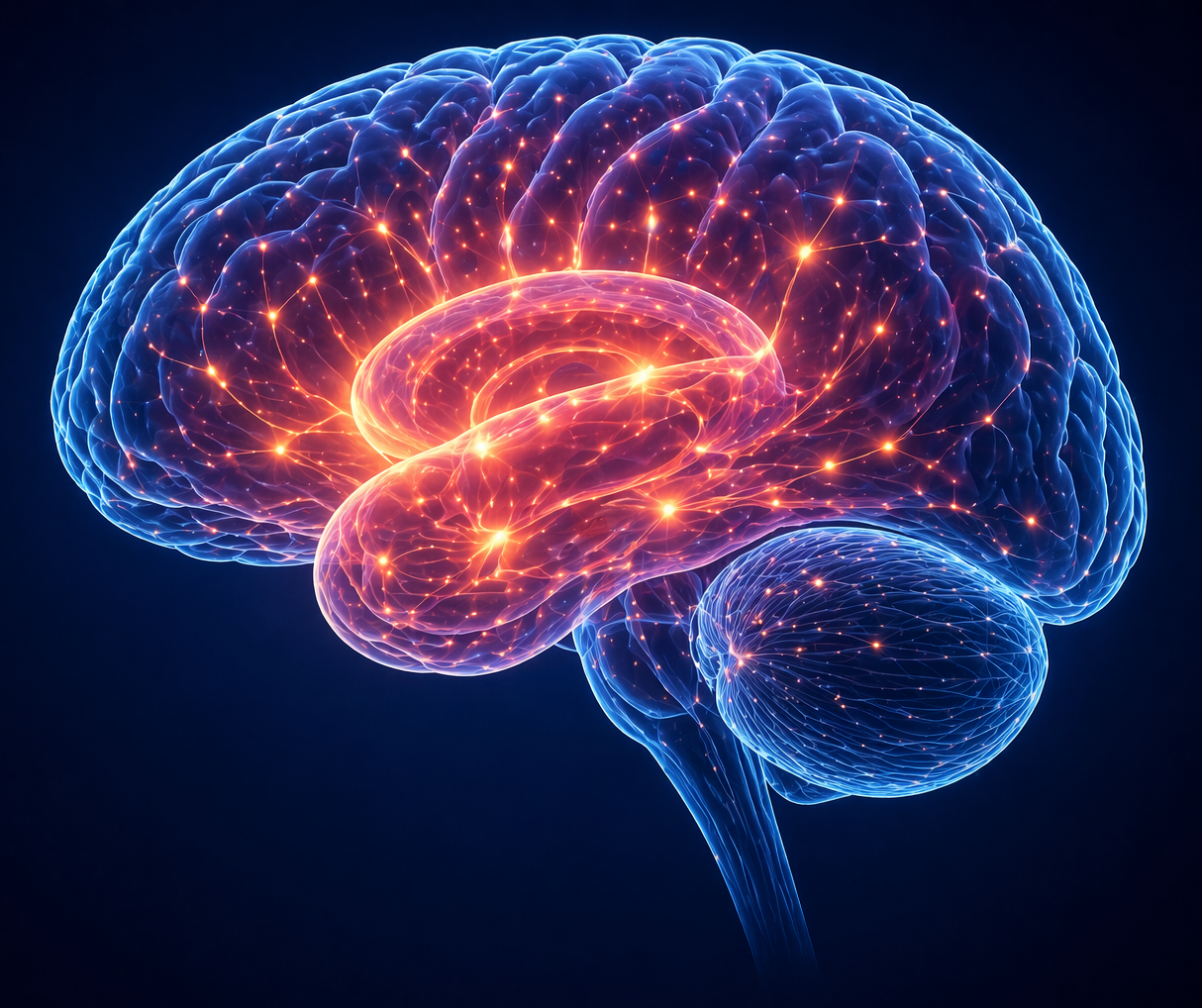
What Does Ketamine Do to You: Brain and Body
Ketamine works differently than traditional treatments. If you’re wondering what does ketamine do to you, it can rapidly shift mood, perception, and pain while supporting neuroplasticity. Results vary, and understanding both the benefits and risks can help you approach treatment more safely.

How to Have the Best Ketamine Session
Getting the most out of ketamine session isn’t about having a perfect experience. It’s about creating the right conditions for your mind and body to feel safe enough to open. That means preparing your mindset, choosing a calm and supportive environment, working with a clinician on the right dose, and prioritizing integration afterward.
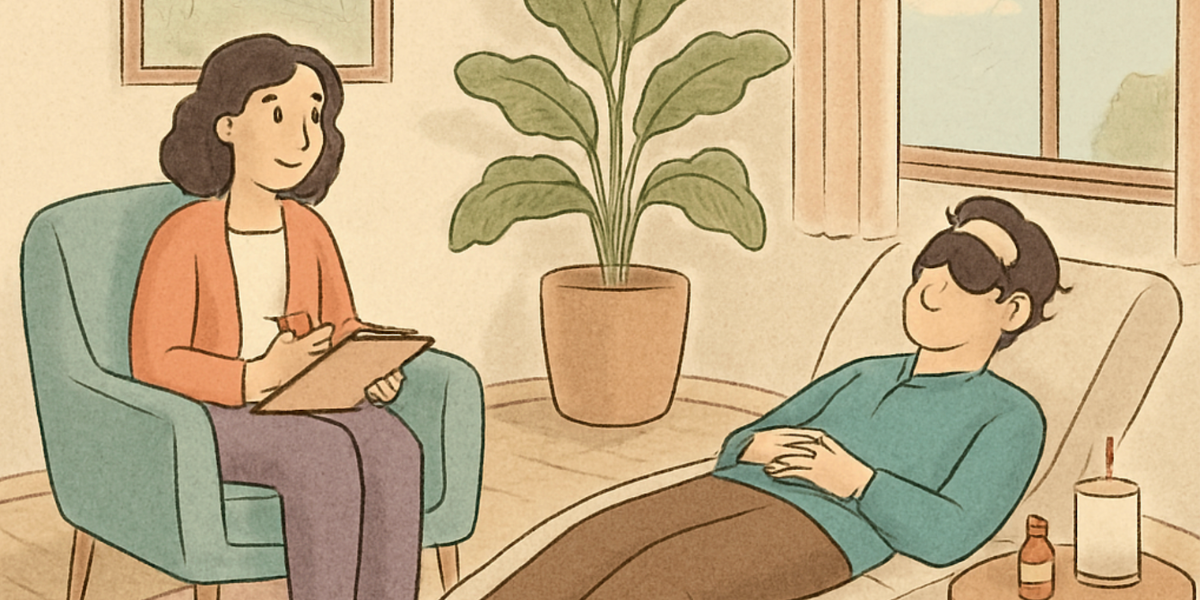
Exploring the Benefits of Ketamine Assisted Psychotherapy
Ketamine assisted psychotherapy (also called KAP therapy or ketamine psychotherapy) pairs medically supervised ketamine with psychotherapy and integration. Traditional psychotherapy relies on talk therapy alone. Both can be helpful-and the best fit depends on your history, goals, and what feels safe for you.

Exploring Safe Microdosing Ketamine at Home
Microdosing ketamine at home involves taking small, controlled doses, often as lozenges, to support mood and anxiety without the intensity of full treatments. While it can offer benefits like improved mood and neuroplasticity, it should always be done with professional guidance, clear safety protocols, and ongoing support.

What Is Ketamine Therapy? Benefits, Uses, and Safety for Anxiety and Depression
This article explains what is ketamine therapy and how it works as a fast-acting treatment for depression and anxiety. You’ll learn how infusions are administered, how quickly relief may happen, and what to expect with safety and side effects.

After Treatment: Ketamine Infusion Therapy Integration
Your ketamine therapy journey does not end when the medicine wears off. The hours and days after your session are a vital part of the process. This guide explains what you may notice after treatment, how to take care of yourself, and how to begin ketamine infusion therapy integration to support lasting change.
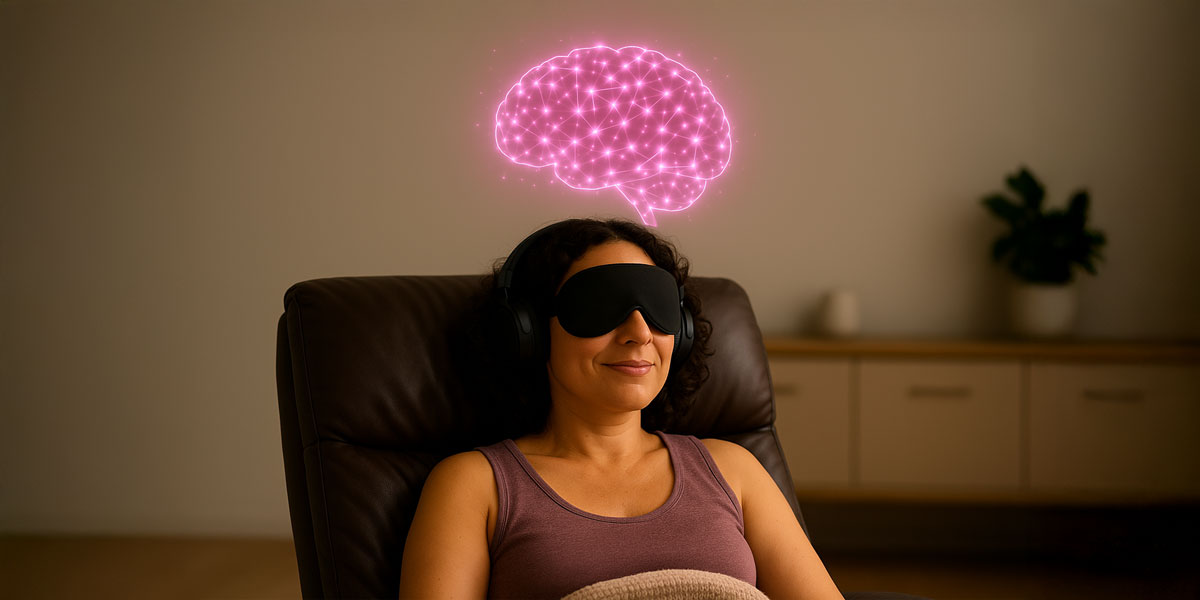
What to Expect During Ketamine Therapy: What Does Ketamine Feel Like
Your first ketamine therapy session can feel unfamiliar, but understanding what does ketamine feel like and what typically happens during treatment can ease nerves and create a sense of calm. This guide walks you through the setting, the process, and what you may experience so you can feel supported and informed as you begin.

Before Ketamine Infusion Therapy: Preparing for Your First Appointment
Your first ketamine infusion therapy appointment is an important step toward feeling better. Preparing thoughtfully can help you feel calm, comfortable, and ready to engage in the process. This guide walks you through what to expect, how to prepare your body and mind, and how to set yourself up for the best possible experience.

What If “Nothing Happened” During My Ketamine Infusion Therapy Session?
Quiet ketamine infusion therapy sessions are normal. Even when “nothing happens,” healing is often unfolding beneath the surface. This guide shows why they matter and how to work with them.

How Long Does Ketamine Pain Relief Last?
Curious how long ketamine pain relief lasts? Learn what to expect, influences on pain perception, and natural techniques to boost pain relief.

Why Does My Pain Linger? Understanding Central Sensitization Syndrome
Learn how central sensitization contributes to chronic pain, why pain can persist after healing, and how to start calming an overactive nervous system with education, breath, gentle movement, and guided visualizations.

How to Rewire Your Brain with Intention: 5 Key Techniques
Discover five simple, neuroscience-backed habits to help rewire your brain for better focus, mood, and resilience.

Cognitive Harm Reduction 101: Everything You Need to Know
Cognitive harm reduction is a vital approach to managing the negative impacts of stress and anxiety on cognitive health. The Limitless Guided Visualizations app provides accessible, natural tools to reduce mental strain, improve emotional regulation, and enhance cognitive function, helping you achieve better mental well-being.

A Comprehensive Guide to the App: Maximize Your Experience
Discover how to best use the Limitless app for the best possible experience. Regular practice helps reshape your thoughts, improve emotional resilience, and maximize your well-being.

Learn Techniques to Improve Your State of Mind with the Metacognitive Healing Methodology™
Master your metacognition with the Metacognitive Healing Methodology™ to transform your internal dialogue. Use the Limitless Guided Visualizations app to practice daily and create lasting changes in your mindset.

Ultimate Guide to Altered States of Consciousness
What is an altered state of consciousness? Unlock the pathways of your mind with this guide! Explore how a shift in perspective through peak experiences can foster mental clarity.

Guided Visualization Guide: Everything You Need to Know
Guided visualizations are a powerful tool for mental clarity, stress reduction, and creativity. Whether you’re looking to unwind, improve your performance, or tap into your inner healing, the Limitless Guided Visualizations app provides unique tools to help you achieve your goals.

Five Key Ways to Improve Your Mindset Today
This guide shares five easy, science-backed ways to start feeling better from the inside out. You’ll learn how to use the Limitless Guided Visualizations App to tune in to your thoughts, calm your nervous system, and shift how you see yourself.

Meditation vs. Metacognition: What Shapes Your Internal Dialogue?
Learn the difference between meditation vs. metacognition and how blending the two can support deeper mindset transformation through the Limitless app.

Metacognition: The Power of Understanding and Improving Your Thinking
Metacognition helps you improve your thinking by observing and regulating your thoughts, supporting better mental clarity, emotional regulation, and resilience. The Limitless app, using the MHM, offers guided visualizations to strengthen these skills and support your cognitive health.