
Understanding Spravato Side Effects: What to Expect
Summary
Esketamine treatment is a fast-acting, clinic-based treatment for depression that may help when traditional antidepressants have not worked. Delivered as a supervised nasal spray called Spravato, esketamine works differently from standard medications by targeting glutamate pathways in the brain. Many people explore esketamine for depression because it may provide symptom relief more quickly than traditional antidepressants, especially in cases of treatment-resistant depression. Esketamine is not a cure, but it can create a meaningful window for healing when combined with therapy and supportive ketamine therapy care.
Key Takeaways
- Esketamine is an FDA-approved nasal spray for treatment-resistant depression
- It is given in certified clinics under medical supervision
- Esketamine may help some people feel relief within hours or days
- Common side effects include dizziness, nausea, and temporary dissociation
- Insurance coverage and treatment costs vary significantly
- Esketamine is different from IV ketamine therapy and at-home ketamine treatment
To dive into how to maximize the benefits of the Spravato treatment, check out the Limitless Ketamine and Spravato Treatment Mindset Companion.
What Is Spravato? An Overview
Spravato is a breakthrough in treating severe depression, especially for those not responding to standard medications. This medication is a nasal spray containing esketamine, a powerful derivative of ketamine. Unlike typical antidepressants, it acts quickly, providing relief sometimes within hours.
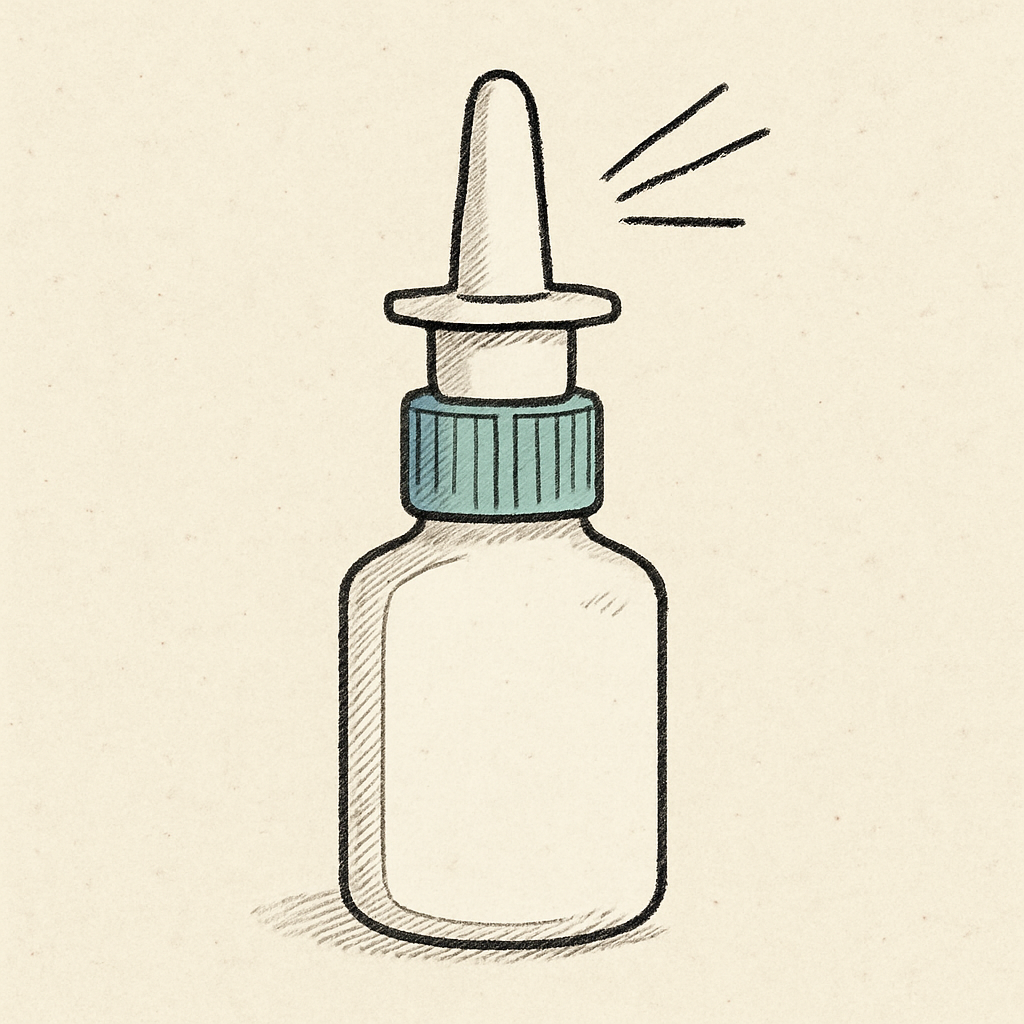
Developed by Janssen Pharmaceuticals, Spravato was approved by the FDA for adults with treatment-resistant depression. It offers a new hope for many, significantly enhancing their quality of life. However, it's important to understand that Spravato is used alongside an oral antidepressant, enhancing its effectiveness. As you consider this option, your care team will review potential esketamine side effects and how they're monitored during treatment.
Many people also ask what is ketamine used for when learning how ketamine-derived medications like esketamine are used in supervised mental health treatment.
Key facts about Spravato include:
- Indication: Used for treatment-resistant depression.
- Administration: Nasal spray, under medical supervision.
- Combination: Paired with traditional oral antidepressants.
Because of its potential for misuse, Spravato is only available through a restricted distribution system. This ensures that it's administered in certified healthcare settings where medical professionals can closely observe its effects. This controlled environment helps manage potential side effects and addresses safety concerns efficiently. With the correct guidance, Spravato can be a transformative part of a comprehensive treatment plan for those in need.
How Spravato Works in the Brain
Spravato's unique action in the brain distinguishes it from traditional antidepressants. It targets NMDA receptors, which play a key role in mood regulation. This mechanism helps reset certain neural pathways that are disrupted in depression.
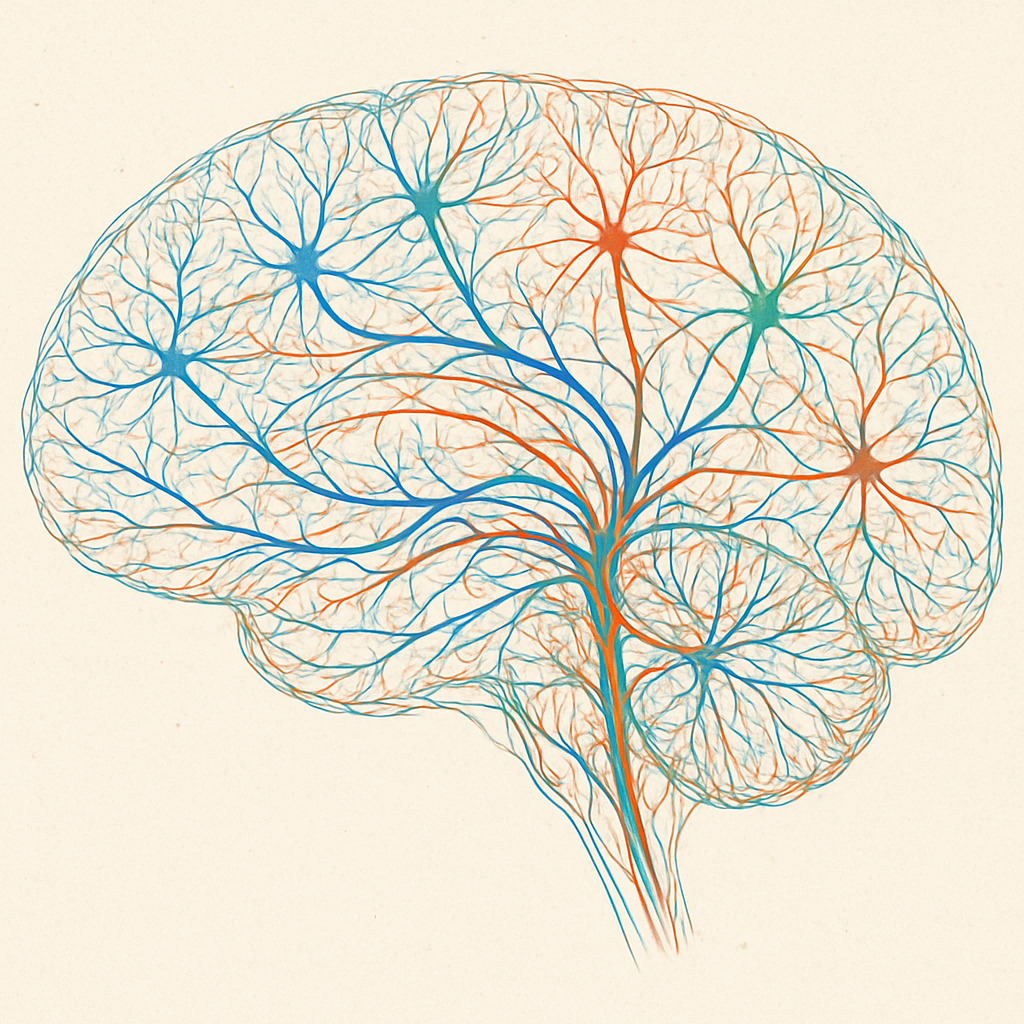
Esketamine, the active ingredient in Spravato, works differently than SSRIs, which focus on serotonin levels. By acting on glutamate, a different neurotransmitter, it offers a new pathway to alleviate depression. This rapid action can break the cycle of prolonged depressive episodes. Some Spravato side effects, such as temporary dissociation, are linked to this NMDA receptor modulation.
Key processes impacted by Spravato include:
- NMDA Receptor Modulation: Alters receptor activity, affecting mood and cognition.
- Glutamate Release: Increases glutamate, which promotes new connections between brain cells.
- Synaptic Plasticity: Enhances the brain's ability to adapt and change.
This novel approach addresses the brain's connectivity, which is often impaired in those with depression. Spravato's mechanism offers renewed hope by promoting quicker relief from symptoms. Patients often experience changes in perception during administration, due to its profound effect on the brain. For some individuals, these shifts may feel like a mild altered state of consciousness, with temporary changes in awareness, sensory perception, or the sense of self. This insight into brain function helps deepen understanding of how Spravato alleviates depression, opening new avenues for treatment strategies.
Common Spravato Side Effects
As with any medication, Spravato can lead to certain side effects. Understanding these can help you prepare for what to expect. While some effects are mild, others may feel uncomfortable, especially during the initial phase of treatment. Most Spravato side effects are short-lived and monitored.
Common side effects include:
- Dizziness
- Nausea
- Dissociation (feeling detached or “out of body”)

In addition to these, sedation or sleepiness is also common. Many patients find themselves feeling drowsy after administration. This is why it's important to avoid driving or operating heavy machinery on treatment days.
Here are other common side effects:
- Increased Blood Pressure: Typically monitored during clinic visits.
- Temporary Cognitive Changes: Some patients notice short-term effects on attention or memory during or shortly after treatment.
- Headaches and Anxiety: Occasionally reported by patients.
The effects of Spravato are often temporary and diminish after each session. The severity can vary depending on individual differences in how one processes the medication. It's reassuring to know that these side effects are closely monitored by healthcare professionals.
During the treatment process, healthcare providers ensure safety by monitoring vital signs. This careful oversight helps manage any adverse reactions effectively. Discussing your full medical history with your provider is crucial for minimizing risks.
Understanding the spectrum of common Spravato side effects allows for a more informed approach to treatment. Open dialogues with healthcare professionals about any discomfort can help enhance the therapeutic experience. This conversation ensures that both patients and providers can collaborate effectively, addressing any concerns as they arise.
Serious and Rare Spravato Treatment Side Effects
While many Spravato side effects are mild, there are some that require more attention. Serious and rare Spravato treatment side effects need immediate communication with a healthcare provider. It's important to be aware and watch for these symptoms.
One of the more concerning side effects involves significant spikes in blood pressure. This can pose a risk, especially for those with a history of heart issues. Providers closely monitor blood pressure during treatment sessions to manage this risk.

In rare instances, some individuals may experience severe dissociation or hallucinations. These are intense feelings where one's sense of reality may distort. Although unsettling, such effects are typically short-lived, fading as the medication wears off.
Be attentive to signs of allergic reactions, though rare, they can happen:
- Rash
- Swelling of face, lips, or throat
- Difficulty breathing
Other uncommon effects might include:
- Severe nausea or vomiting: Persistent enough to warrant medical attention.
- Extreme confusion or agitation: More profound disorientation beyond typical sessions.
Staying informed about these potential outcomes is crucial. Open dialogue about any past medical conditions can help tailor your Spravato experience. This ensures treatment is as safe and effective as possible.
Involving a support system during treatment can also aid in recognizing unusual side effects. A trusted friend or family member can offer valuable perspective. They may detect subtle changes that you might overlook. Always err on the side of caution, consulting your healthcare provider with concerns.
Long-Term Esketamine Side Effects: What We Know So Far
Spravato, containing esketamine, is relatively new in mental health care. With its novel mechanism, the long-term effects are still being explored. Researchers continue to study these aspects to ensure comprehensive safety. Long-term esketamine side effects remain an active area of investigation.
One area of focus is the potential for developing tolerance. Over time, there's concern about needing higher doses for the same effect. However, controlled administration aims to mitigate this possibility.
Long-term cognitive changes are another consideration. Some fear ongoing use might affect memory or thought processes. Current data does not conclusively point to significant decline, but vigilance remains critical.
As part of treatment protocols, regular assessments help to monitor these potential impacts. Healthcare providers frequently evaluate and adjust treatment as necessary. This strategy ensures that patients receive maximum benefit with minimal risk.
Key long-term side effects to monitor include:
- Cognitive changes: Memory or concentration issues.
- Tolerance development: Requiring increased dosage.
- Mood fluctuations: Variability in emotional responses.
Understanding the full spectrum of long-term esketamine side effects is vital. Continued research and patient feedback will provide valuable insights. Together, they guide enhancements in the safe application of this promising treatment for depression.
Who Should Avoid Spravato?
Spravato isn't suitable for everyone. It's important for individuals considering this treatment to understand when it might not be advisable. Certain medical conditions and life stages suggest caution or avoidance.
People with vascular or aneurysm history should approach Spravato cautiously. This is because it may affect blood pressure and pose risks in these cases. Discussing personal health history with a healthcare provider ensures safety. This caution also relates to potential esketamine side effects in sensitive populations.
Pregnant or breastfeeding women should also avoid Spravato. Its effects on fetal and infant development haven't been conclusively studied. Prioritizing the wellbeing of both mother and child is paramount.
Consider consulting a healthcare provider if any of the following apply:
- History of aneurysms or vascular disease.
- Current pregnancy or breastfeeding.
- Known allergies to esketamine or ingredients in Spravato.
Making informed decisions with professional guidance is crucial for anyone contemplating Spravato treatment.
Managing and Minimizing Side Effects
Managing Spravato side effects is not just about what happens during a session. It starts before treatment and continues afterward through awareness, preparation, and communication.
Before treatment begins, reviewing your medications, supplements, and medical history with your provider helps reduce the risk of interactions and unexpected side effects. This step creates a safer foundation for your care.
During treatment, your environment and level of support can shape your experience. Staying relaxed, using calming techniques, or having a trusted support person nearby can make side effects feel more manageable. Some patients also use guided audio or visualization tools to stay grounded and reduce anxiety during sessions.
After treatment, your body may need time to recover. Many patients feel tired or slightly “off” for a few hours. Rest, hydration, and a low-demand schedule can help you ease back into your day more comfortably.
Ongoing communication is also essential. Tracking how you feel between sessions helps your provider adjust your treatment and improve your overall experience over time. Some people find it helpful to pair this with simple reflection practices or guided support tools between sessions.
If you’re looking for a simple, step-by-step way to apply these strategies, the guide below breaks it down clearly.
Navigating the side effects of Spravato can feel overwhelming. With a proactive approach, these effects become more manageable. Preparation and communication with your provider can make side effects easier to manage.
These steps can also help reduce Spravato side effects during sessions.
Before your first session, ensure a thorough discussion with your provider about any medications you take. This conversation should include vitamins and supplements to prevent interactions. This careful preparation sets a solid foundation for your treatment.
Consider these strategies to minimize side effects:
- Rest before and after sessions: Adequate rest can enhance your body's ability to handle side effects.
- Stay hydrated: Dehydration may amplify symptoms, so drink plenty of water.
During treatment, follow these tips for a smoother experience:
- Practice relaxation techniques: Deep breathing and mindfulness can reduce anxiety and dissociation.
- Have a support person present: They can offer comfort and help with note-taking for follow-up questions.
After treatment, maintain open lines of communication with your healthcare provider. Regular check-ins allow for real-time adjustments. Report any severe or persistent side effects promptly.
Remember, effective management of side effects often leads to a more positive treatment experience. Adjustments and support systems play a crucial role in your journey with Spravato.
What to Expect During and After Treatment Sessions
Embarking on Spravato treatment involves more than just the medication. Understanding the process helps in navigating each session smoothly. Each treatment takes place in a controlled healthcare environment, ensuring safety.
Upon arrival, you'll check in with medical staff who explain what to expect. The nasal spray is self-administered under supervision. This supervision is vital for monitoring immediate responses to the medication and answering questions about esketamine side effects in real time.
During the session, expect certain sensations. Common experiences include lightheadedness or a sense of detachment. It's important to relax and focus on calming thoughts throughout this phase.
Post-treatment involves a mandatory observation period of at least two hours. This time allows professionals to ensure your wellbeing as the medication's effects wear off. Patients often feel sleepy, so plan for a restful period afterwards.
Before leaving, discuss any sensations or concerns with the healthcare team. They'll provide guidance for the rest of the day, such as avoiding driving or operating machinery. Overall, sessions are designed to prioritize safety and comfort.
How to Prepare for Spravato Treatment and Manage Side Effects
Step 1. Talk with your provider before starting treatment
Review your full medical history, including medications, supplements, and past conditions. This helps reduce the risk of interactions and ensures Spravato is appropriate for you.
Step 2. Understand common Spravato side effects
Knowing what to expect can make the experience feel less overwhelming. Common side effects include dizziness, nausea, dissociation, and sleepiness. These are usually temporary and monitored during treatment.
Step 3. Plan your treatment day in advance
Spravato is administered in a certified clinic, and you’ll need time to recover afterward. Arrange a ride home and avoid scheduling work or important decisions for the rest of the day.
Getting adequate rest before your session can also help your body better tolerate side effects.
Step 4. Use simple techniques during your session
You may feel lightheaded or detached during treatment. Deep breathing, mindfulness, or calming music can help reduce anxiety and dissociation.Having a trusted support person present can also provide comfort and help you process the experience afterward.
Some patients also use guided visualization or audio support, like Limitless, to create a more structured and calming internal experience.
5. Give your body time to recover after treatment
Rest, stay hydrated, and keep your environment calm.Drinking water can help reduce symptoms like dizziness or fatigue, and many people benefit from light meals and quiet time as their system adjusts.Gentle audio or visualization tools can help extend that sense of calm after treatment.
6. Track your response and communicate with your provider
Pay attention to how you feel between sessions. Note any side effects, mood changes, or patterns, and share them with your provider so your treatment can be adjusted if needed. Tools like Limitless mindset companion can also support reflection and consistency between sessions.

Support, Resources, and Next Steps
Navigating Spravato treatment requires more than just medical support. Emotional and community backing are equally important. Building a network around you can enhance your resilience and confidence.
Online forums and support groups provide communal understanding and encouragement. These platforms offer spaces where you can share experiences and find solace in the stories of others. Your journey can feel less isolating when you're part of a compassionate community.
Beyond peer support, consider engaging with mental health professionals like therapists or counselors. They can help process emotions tied to treatment and assist in developing coping strategies. A multi-faceted approach to mental health care can significantly enhance well-being and recovery.
As you continue with your treatment, always plan for next steps. This may include scheduled follow-up appointments, lifestyle adjustments, or exploring additional resources. Focus on proactive self-care by considering aspects such as:
- Mindfulness and relaxation techniques
- Nutrition and exercise plans
- Creative or mindfulness-based hobbies
These elements can combine to create a supportive and nurturing environment during your Spravato journey.
Final Thoughts
Understanding Spravato side effects enables you to make informed treatment decisions. Knowledge empowers you to work with your healthcare provider to manage any challenges.
Safety is paramount. Always prioritize open communication with your care team to address concerns early. Timely intervention can mitigate side effects, enhancing your treatment experience.
Consider these key points:
- Report all side effects to your healthcare provider.
- Engage with support networks for additional guidance.
- Maintain open dialogue about treatment goals and concerns.
Remember, Spravato represents a hopeful advance in mental health care for many. With careful monitoring and support, it can offer a promising path toward improved well-being.
Frequently Asked Questions About Spravato Side Effects
Serious side effects are rare but can include significant increases in blood pressure, severe confusion, intense dissociation, or allergic reactions such as swelling or difficulty breathing. These should be reported to a healthcare provider right away.
During a session, you will self-administer the nasal spray under medical supervision in a certified clinic. You will then be monitored for at least two hours. You may feel relaxed, lightheaded, or detached during this time, and you will need a ride home afterward.
Most Spravato side effects are short-term and occur during or shortly after treatment. They typically resolve within a few hours. Long-term esketamine side effects are still being studied, but current data has not shown clear long-term cognitive decline.
You can reduce side effects by preparing ahead of your session. Get enough rest, stay hydrated, and avoid scheduling demanding activities afterward. Relaxation techniques like deep breathing can also help during treatment. Always communicate openly with your provider about your experience.
Spravato is a prescription nasal spray that contains esketamine. It’s used for treatment-resistant depression and works differently from traditional antidepressants by targeting NMDA receptors and increasing glutamate activity in the brain. This process may help improve mood more quickly for some patients.
Long-term esketamine side effects are still being researched. Areas being studied include potential tolerance, cognitive changes, and mood variability. Ongoing monitoring with your provider helps ensure safe and effective treatment.
Common Spravato side effects include dizziness, nausea, dissociation (a feeling of detachment), and sleepiness. Some people also experience temporary increases in blood pressure or short-term changes in attention and memory. These effects are usually temporary and monitored during treatment.
For additional information, check out our ketamine side effects article.
Esketamine is one specific form of ketamine called the S-enantiomer. They are related medications but used differently in clinical practice.
Spravato may not be appropriate for people with certain vascular conditions, those who are pregnant or breastfeeding, or anyone with a known allergy to esketamine. A healthcare provider will review your medical history to determine if it is safe for you.
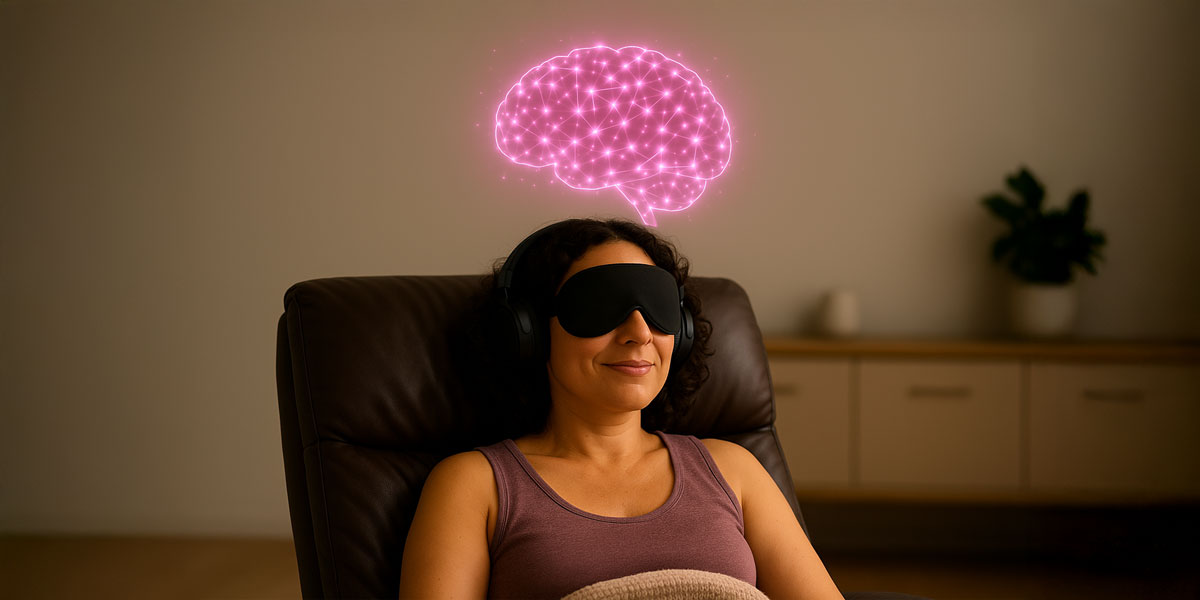
Your first ketamine therapy session can feel unfamiliar, but understanding what does ketamine feel like and what typically happens during treatment can ease nerves and create a sense of calm. This guide walks you through the setting, the process, and what you may experience so you can feel supported and informed as you begin.

Your first ketamine infusion therapy appointment is an important step toward feeling better. Preparing thoughtfully can help you feel calm, comfortable, and ready to engage in the process. This guide walks you through what to expect, how to prepare your body and mind, and how to set yourself up for the best possible experience.

Quiet ketamine infusion therapy sessions are normal. Even when “nothing happens,” healing is often unfolding beneath the surface. This guide shows why they matter and how to work with them.

Curious how long ketamine pain relief lasts? Learn what to expect, influences on pain perception, and natural techniques to boost pain relief.