
What Is Ketamine Used For? Depression, PTSD, Pain Relief, and Medical Uses
Summary
Quick Answer
Ketamine is primarily used medically for anesthesia, sedation and pain management. There are off-label uses for depression, PTSD, anxiety, and chronic pain treatment though under medical supervision. Ketamine treatment may involve IV infusions, nasal sprays, lozenges, injections, or at-home protocols depending on the provider and treatment approach.
Key Takeaways
- Ketamine was originally developed as an anesthetic
- Ketamine therapy is commonly explored for depression and PTSD
- Ketamine infusion therapy is one of the most common treatment formats
- Esketamine nasal spray is FDA approved for treatment-resistant depression
- Ketamine is used in both hospitals and psychiatric treatment settings
- Different ketamine treatment formats serve different purposes
Introduction to Ketamine Uses
Ketamine was originally developed as an anesthetic and remains FDA-approved for certain medical uses including anesthesia and procedural sedation. Today, clinicians and researchers also explore ketamine in mental health and pain-management settings, including several off-label psychiatric applications.
Many people searching “what is ketamine used for” are not just looking for a definition. They are trying to understand:
- what conditions ketamine may help with
- how ketamine therapy is used medically
- whether ketamine treatment is legitimate
- how ketamine infusions and nasal ketamine work
- who ketamine therapy may be appropriate for
- what types of ketamine treatment exist
At the same time, ketamine has become surrounded by confusion and mixed messaging. Some people know ketamine as a hospital anesthetic. Others know it through ketamine infusion therapy clinics, ketamine nasal spray treatments, or discussions about mental health and altered consciousness states.
The reality is more nuanced.
Ketamine has both FDA-approved medical uses and off-label therapeutic applications. Ketamine is FDA-approved primarily as an anesthetic. Some psychiatric and chronic pain applications are considered off-label uses, while esketamine nasal spray (Spravato) is FDA-approved for certain adult depression-related indications under supervised medical protocols.Researchers continue studying how ketamine may affect neuroplasticity, emotional processing, nervous system regulation, and pain perception.
This article focuses specifically on what ketamine is used for across medical, mental health, and pain-management settings while helping differentiate the many types of ketamine-related treatment approaches available today.
The History of Ketamine: From Anesthesia to Modern Medicine
Ketamine’s evolution helps explain why it is used in so many different contexts today.
Developed in the 1960s as an alternative to phencyclidine (PCP), ketamine was designed to be a safer anesthetic. It quickly became widely used in:
- Surgery
- Emergency medicine
- Battlefield care
- Veterinary medicine
This is why people still search what is ketamine used for in horses or look for veterinary references.
Over time, researchers noticed that some patients reported changes in mood after receiving ketamine. These observations led to further research into ketamine’s effects on the brain.
By the 1990s and early 2000s, studies began exploring ketamine’s potential in mental health treatment, particularly for depression that did not respond to traditional medications.
Today, ketamine’s uses span:
- Anesthesia
- Pain management
- Mental health treatment
- Research into new therapeutic applications
Its journey reflects a broader shift toward exploring new ways to treat complex conditions.
What Is Ketamine Used for Medically?
Ketamine is used medically for anesthesia, emergency sedation, pain management, and certain psychiatric treatment applications under medical supervision. While ketamine was originally developed as an anesthetic, researchers and clinicians now also explore ketamine treatment for conditions like depression, PTSD, anxiety, and chronic pain in specialized treatment settings.
FDA-Approved Uses of Ketamine
FDA-approved ketamine uses include:
- general anesthesia
- emergency sedation
- procedural sedation
- pain control during medical procedures
In addition, esketamine nasal spray (Spravato), a derivative of ketamine, is FDA approved for certain adult depression-related indications under supervised medical protocols.
Ketamine remains widely used in hospitals because it can provide sedation and pain relief while often maintaining breathing reflexes and cardiovascular stability.
Can ketamine be used for both pain and mental health treatment?
Yes. Ketamine has long been used medically for anesthesia and pain management, while newer psychiatric applications are being studied for depression, PTSD, anxiety, and chronic pain-related nervous system dysregulation. Different treatment approaches may be used depending on the condition, provider, and treatment goals.
Off-Label Uses of Ketamine
Off-label ketamine uses being explored or utilized in some clinical settings may include:
- treatment-resistant depression
- certain anxiety-related conditions
- chronic pain conditions
- PTSD-related symptoms
- OCD-related symptoms
- bipolar depression
The strength of evidence, safety considerations, and clinical guidance varies significantly across conditions.
Off-label prescribing is common in medicine and means a medication is being used outside its original FDA labeling. Researchers continue studying these applications extensively.
How Does Ketamine Work?
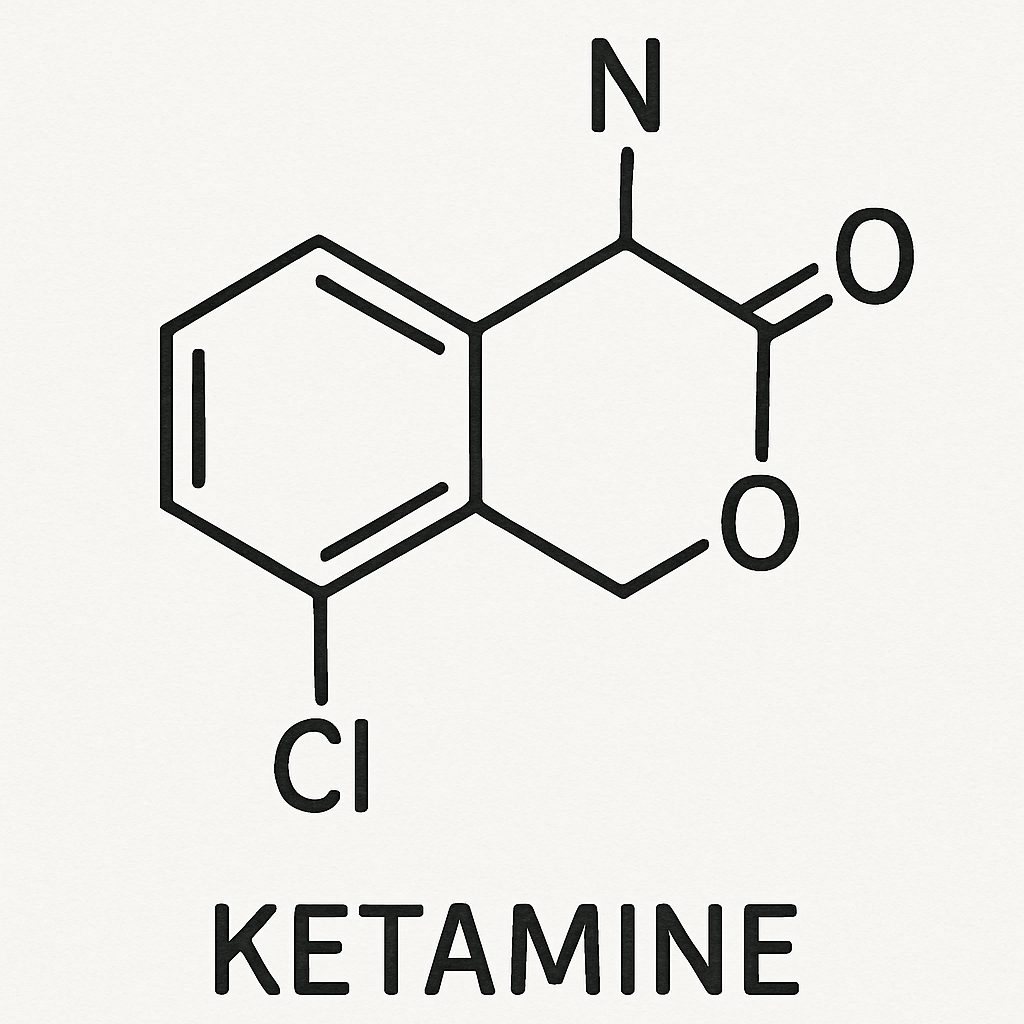
Researchers believe ketamine may affect glutamate signaling and NMDA receptor activity differently than many conventional psychiatric medications. Some researchers are studying whether ketamine may temporarily support neuroplasticity, emotional flexibility, nervous system regulation, and altered pain processing in certain individuals.
Researchers are also exploring how ketamine-induced altered states of consciousness may influence emotional processing, perspective shifts, and therapeutic outcomes.
Unlike many traditional antidepressants that primarily target serotonin systems, ketamine may affect different neurological pathways associated with mood, perception, and pain signaling.
Patients exploring ketamine for mental health or pain management often ask, is ketamine an opioid. Ketamine belongs to a completely different drug class than opioid pain medications.
Research into ketamine’s mechanisms is still evolving, and treatment responses vary significantly between individuals.
What Mental Health Conditions Is Ketamine Used For?
Ketamine therapy is most commonly discussed in relation to mental health conditions such as treatment-resistant depression, PTSD, anxiety disorders, and chronic stress-related nervous system dysregulation. Researchers continue studying how ketamine treatment may affect emotional processing, neuroplasticity, and mood-related symptoms in certain individuals. In mental health, ketamine therapy offers unique benefits. Primarily, it's used when other treatments fail. Ketamine drug can provide a beacon of hope for some people with treatment-resistant conditions.
Some providers explore ketamine treatment for:
- treatment-resistant depression
- anxiety disorders
- PTSD
- chronic stress
- trauma-related symptoms
- emotional numbness
- nervous system dysregulation
Ketamine-assisted therapy is often paired with:
- psychotherapy
- mindfulness
- emotional processing
- integration support
- nervous system regulation practices
This article focuses specifically on ketamine uses and applications rather than what is ketamine or the full ketamine therapy process itself. For more information on the process, check out the article: What Is Ketamine Therapy?
Ketamine for Depression
Ketamine for depression is one of the most researched psychiatric applications of ketamine treatment. Some individuals who have not experienced sufficient improvement from traditional antidepressants explore ketamine infusion therapy or esketamine treatment under medical supervision.
Researchers are continuing to study how ketamine may affect mood, emotional processing, and treatment-resistant depression. Some individuals report temporary improvements in depressive symptoms or feeling less emotionally stuck after treatment, although experiences and results can vary significantly from person to person.
Researchers continue studying:
- neuroplasticity
- emotional processing
- treatment-resistant depression
- long-term outcomes
- treatment frequency
Ketamine for Anxiety
Ketamine anxiety treatment is increasingly discussed in mental health settings.
Some individuals report reductions in:
- racing thoughts
- emotional overwhelm
- nervous system hypervigilance
- chronic stress patterns
Because anxiety responses vary significantly between individuals, ketamine treatment approaches should always be medically supervised and individualized.
Ketamine for PTSD
Ketamine for PTSD is becoming a growing area of research.
Researchers continue studying whether ketamine may affect emotional processing and symptom severity in some individuals with PTSD. Evidence remains mixed, and treatment responses vary significantly.
Ketamine assisted psychotherapy for PTSD is often paired with:
- trauma-informed therapy
- mindfulness
- nervous system regulation
- emotional processing support
Ketamine Treatment for Pain Relief
Ketamine is also explored in chronic pain and pain-management settings.
Some providers use ketamine treatment for:
- neuropathic pain
- CRPS
- chronic pain syndromes
- nervous system sensitization conditions
- pain-related sensitization and complex pain-processing conditions
Ketamine pain relief protocols vary significantly depending on the condition, provider, and treatment model.
For detailed information specifically focused on ketamine pain treatment check out: How long does ketamine pain relief last?
What Types of Ketamine Treatment Exist?
Ketamine treatment may be administered through several different formats depending on the provider, treatment goals, medical setting, and level of supervision involved. Common ketamine treatment approaches include IV infusion therapy, nasal ketamine, esketamine nasal spray, intramuscular injections, oral lozenges, and supervised at-home ketamine programs.
Is ketamine therapy always done through IV infusions?
No. Ketamine treatment may involve IV infusion therapy, nasal ketamine, esketamine nasal spray, intramuscular injections, oral lozenges, or supervised at-home ketamine programs. Different treatment formats vary in intensity, monitoring requirements, accessibility, and cost.
Ketamine Infusion Therapy
Ketamine infusion therapy typically involves IV administration in specialized clinics.
Some providers explore ketamine infusion therapy for:
- depression
- PTSD
- anxiety
- chronic pain
Infusion therapy allows providers to monitor:
- dosage
- timing
- physiological response
- patient safety
Intramuscular (IM) Ketamine
IM ketamine therapy involves ketamine injections administered into a muscle, typically in a supervised clinical setting.
Some providers explore IM ketamine treatment for:
- depression
- PTSD
- anxiety
- chronic pain
IM ketamine treatment may offer:
- shorter appointment times
- simplified administration compared to IV infusions
- supervised dosing and monitoring
Nasal Ketamine
Nasal ketamine treatment may involve:
- compounded ketamine nasal spray
- esketamine nasal spray (Spravato)
Esketamine nasal spray is FDA approved for treatment-resistant depression under medical supervision.
At-Home Ketamine Therapy
Some providers now offer at-home ketamine therapy programs involving:
- virtual oversight
- lozenges or tablets
- remote preparation and integration support
At home ketamine therapy treatment models vary significantly in structure, safety protocols, and provider involvement ranging from microdosing ketamine at low sublingual amounts to higher-dose regimens. The FDA has issued warnings regarding compounded ketamine products used outside supervised clinical settings. Risks may include inadequate monitoring, sedation-related complications, misuse potential, psychiatric adverse events, blood pressure increases, and urinary/bladder complications. Individuals considering at-home ketamine treatment should discuss risks carefully with qualified healthcare professionals.
Why Is Ketamine Important?
Ketamine has become increasingly important in conversations about mental health and chronic pain because many individuals continue struggling with conditions that do not fully respond to conventional treatment approaches.
This includes:
- treatment-resistant depression
- chronic pain
- PTSD
- severe anxiety
- nervous system dysregulation
Ketamine has also become important in conversations surrounding:
- neuroplasticity
- trauma healing
- emotional flexibility
- nervous system regulation
- integrative psychiatry
What Are the Potential Benefits of Ketamine Therapy?
Potential ketamine benefits being explored include:
- rapid mood shifts in some individuals
- emotional processing support
- interruption of repetitive thought loops
- changes in pain perception
- enhanced introspection
- increased psychological flexibility
Some individuals report feeling:
- emotionally lighter
- less mentally stuck
- more hopeful
- less reactive
However, results vary significantly. Ketamine treatment should not be viewed as a guaranteed solution or cure.
Who May Consider Ketamine Therapy?
Ketamine therapy may be explored by individuals experiencing:
- treatment-resistant depression
- PTSD
- anxiety disorders
- chronic pain
- trauma-related symptoms
- nervous system dysregulation
Eligibility should always be determined with qualified healthcare professionals.

Supportive Tools for Ketamine Therapy
Many individuals view ketamine therapy as more than the treatment session itself. While ketamine is often discussed in the context of neuroplasticity and emotional openness, mindset support and integration practices may play an important role in helping individuals reinforce healthier thought patterns and create more lasting change afterward.
At Limitless Guided Visualizations, we create guided audio experiences designed to help individuals get more out of ketamine therapy through mindfulness, emotional regulation, self-compassion, and intentional mindset support during periods of increased psychological flexibility. Some individuals use Limitless experiences before or after ketamine therapy to help shift entrenched patterns of negative self-talk, stress, and emotional reactivity while supporting reflection and integration practices alongside professional treatment.
Limitless Guided Visualizations is not a ketamine treatment provider and should not replace medical or psychiatric care. Our tools are designed to complement preparation, mindset support, and integration practices alongside qualified healthcare guidance.
To learn more about preparing for ketamine therapy and supporting the integration process afterward, explore our guides to before ketamine infusion, what does ketamine feel like, and ketamine infusion therapy integration.
Important Safety Considerations About Ketamine Treatment
Ketamine therapy may not be appropriate for everyone, and treatment experiences vary significantly between individuals.
Potential side effects may include:
- nausea
- dizziness
- dissociation
- temporary increases in blood pressure
- emotional discomfort
Individuals with certain cardiovascular conditions, psychotic disorders, uncontrolled hypertension, substance use disorders, or other medical or psychiatric concerns may not be appropriate candidates for ketamine treatment and may require additional evaluation.
For a deeper breakdown of ketamine side effects and risks, including dissociation, safety considerations, and who may not be a good candidate for treatment, see our article on ketamine side effects and safety considerations.
Ketamine Therapy vs Traditional Antidepressants
What Mistakes Should You Avoid When Exploring Ketamine Therapy?
People exploring ketamine therapy sometimes focus only on the medication itself without considering provider quality, preparation practices, integration support, or long-term treatment planning. Unrealistic expectations and inadequate medical screening may also negatively affect the overall treatment experience.
Common mistakes may include:
- choosing unqualified providers
- expecting instant transformation
- not incorporating mindset support
- neglecting integration support
- ignoring preparation practices
- relying only on ketamine without broader support systems
For preparation guidance, check out our ketamine infusion preparation article.
How to Decide Whether Ketamine Therapy May Be Right for You
People considering ketamine treatment often evaluate several factors before deciding whether to pursue therapy.
Step 1. Identify Your Primary Goal
Different ketamine treatment approaches may be used for different goals, including:
- depression support
- PTSD treatment
- anxiety management
- chronic pain relief
- nervous system regulation
- emotional processing
Clarifying your primary goal may help narrow the most appropriate treatment model and provider type.
Step 2. Understand the Different Treatment Formats
Ketamine treatment may involve:
- ketamine infusion therapy
- nasal ketamine
- esketamine nasal spray
- intramuscular injections
- oral lozenges
- at-home ketamine therapy
Each approach may differ in:
- cost
- supervision level
- accessibility
- intensity
- monitoring requirements
- insurance coverage
Step 3. Evaluate Provider Quality and Safety Standards
Not all ketamine clinics or providers operate the same way.
Some factors people often evaluate include:
- medical oversight
- screening process
- emergency protocols
- integration support
- psychiatric collaboration
- provider experience
- treatment personalization
Step 4. Consider the Importance of Preparation and Integration
Many individuals view ketamine treatment as more effective when combined with:
- preparation practices
- emotional support
- integration work
- mindfulness
- nervous system regulation
- therapy
- journaling
Preparation and recovery experiences may influence how individuals process ketamine treatment emotionally and psychologically.
Step 5. Understand the Financial Commitment
Ketamine therapy costs vary significantly depending on:
- provider model
- treatment frequency
- administration method
- location
- insurance coverage
- additional support services
Some individuals pursue ketamine treatment through specialized clinics, while others explore at-home ketamine programs or insurance-covered Spravato® treatment options.
For more information about pricing and insurance considerations, explore our guide to ketamine therapy costs.
Conclusion
Ketamine is FDA-approved for anesthesia and procedural sedation, while some clinicians also utilize ketamine off-label in certain psychiatric and chronic pain treatment settings under medical supervision. Esketamine nasal spray is FDA-approved for specific adult depression-related indications.
Today, ketamine therapy exists across multiple treatment models including infusion therapy, nasal ketamine treatment, at-home ketamine programs, and integrative psychiatric settings.
At the same time, ketamine treatment is complex. Experiences vary significantly between individuals, research continues evolving, and different treatment approaches may be appropriate for different goals and conditions.
Anyone considering ketamine therapy should work closely with qualified healthcare professionals to determine the safest and most appropriate treatment approach for their situation.
Frequently Asked Questions About What is Ketamine Used For
Many people have questions about ketamine's uses. People ask this in different ways: ketamine is used for what, what is ketamine's drug used for, or even what is ketamine's used for, but they all point to the same core topic: what is ketamine used for?
Some individuals explore ketamine therapy after trying antidepressants, talk therapy, or other mental health treatments without experiencing enough improvement. Researchers continue studying ketamine for treatment-resistant depression, PTSD, anxiety, and chronic pain because some individuals report different experiences compared to conventional approaches. However, outcomes vary significantly, and ketamine is not considered a guaranteed solution. Factors like provider quality, emotional readiness, integration support, and treatment consistency may all influence outcomes.
Ketamine works differently than traditional antidepressants. Instead of mainly targeting serotonin, it affects the glutamate system and NMDA receptors, which may support neuroplasticity and new neural connections. This is why some people experience mood changes within hours or days, though results vary and long-term benefits are still being studied.
Ketamine may be used for certain chronic or acute pain conditions because it affects NMDA receptors involved in pain signaling. In clinical settings, providers may use ketamine infusion therapy for conditions like complex regional pain syndrome, cancer-related pain, or severe pain that has not responded to other treatments. This should always be monitored by trained medical professionals.
People often evaluate factors like symptom severity, provider quality, emotional readiness, treatment goals, cost, safety considerations, and integration support when considering ketamine therapy. Some individuals explore ketamine treatment after years of struggling with depression, PTSD, anxiety, or chronic pain, while others may decide the altered-state experience or financial commitment are not the right fit for them.
Ketamine is used medically for anesthesia, sedation, pain management, depression treatment, anxiety, PTSD, and chronic pain applications under medical supervision. Today, ketamine may be administered through IV infusions, nasal sprays, injections, lozenges, or supervised at-home treatment protocols depending on the provider and treatment approach.
No, Ketamine is not a cure. It is a treatment tool that may help reduce symptoms for some people, especially when other options have not worked. For best results, ketamine treatment is often paired with therapy, integration support, lifestyle changes, and ongoing provider follow-up.
Ketamine infusion therapy is commonly explored for depression, PTSD, anxiety, chronic pain, and nervous system sensitization conditions. IV ketamine infusions allow providers to monitor dosage, physiological response, and treatment timing in supervised clinical settings.
Esketamine nasal spray (Spravato) is FDA approved for treatment-resistant depression under medical supervision. Some providers also prescribe compounded nasal ketamine in certain settings. Nasal ketamine treatment protocols, monitoring requirements, and insurance coverage may vary depending on the treatment format.
Some providers explore ketamine therapy for anxiety disorders, particularly when symptoms have not responded well to conventional treatment approaches. Researchers continue studying ketamine anxiety treatment, including how ketamine may affect nervous system regulation, emotional processing, and chronic stress patterns.
Ketamine treatment carries potential risks and side effects and may not be appropriate for everyone. Safety depends on factors such as medical history, psychiatric history, treatment setting, monitoring practices, and provider qualifications.
Ketamine for depression is one of the most researched psychiatric applications of ketamine treatment. Some individuals explore ketamine therapy after traditional antidepressants have not provided sufficient improvement. Researchers continue studying long-term outcomes, treatment frequency, and neuroplasticity-related effects.
Several ketamine treatment formats exist today, including ketamine infusion therapy, nasal ketamine, esketamine nasal spray, intramuscular injections, oral lozenges, and supervised at-home ketamine therapy programs. Different treatment approaches may be used depending on the condition, provider model, and patient goals.
Ketamine nasal spray is one of several ways ketamine can be administered for depression and other conditions. Learn how intranasal ketamine works, potential benefits and risks, treatment costs, safety considerations, and how it compares to Spravato/esketamine.

Is ketamine an opioid? Learn how ketamine differs from opioids, how ketamine therapy works, common medical uses, side effects, and why ketamine is considered a non-opioid treatment option in some settings.

At home ketamine therapy offers a more accessible way to receive treatment for depression and anxiety through virtual care and clinician-guided sessions. Safe treatment requires a prescription, proper oversight, and ongoing support.
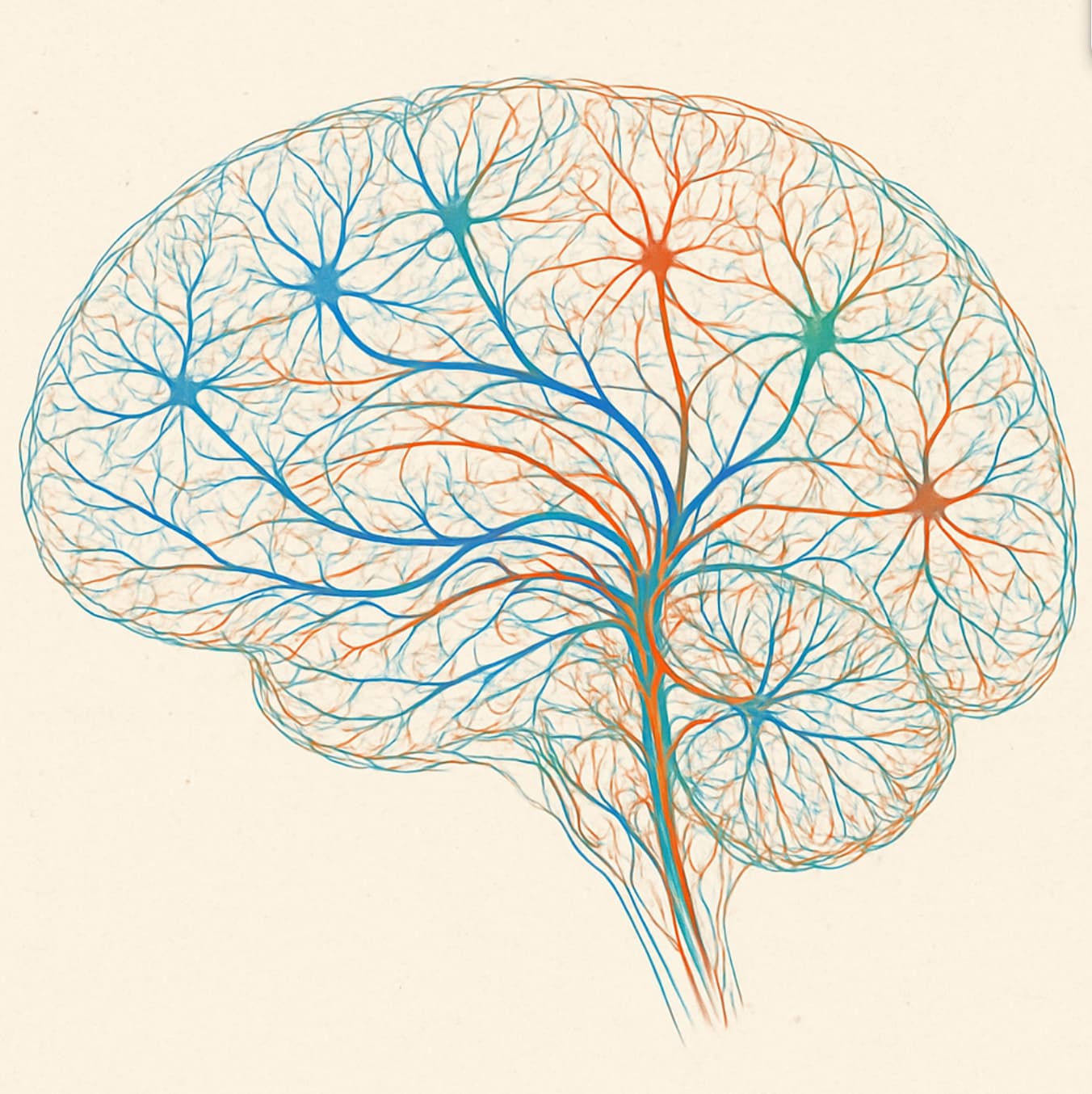
Spravato is an FDA-approved esketamine nasal spray used for treatment-resistant depression, offering a new option when traditional antidepressants are not enough. While it can provide rapid relief for some patients, understanding Spravato side effects is essential before starting treatment.
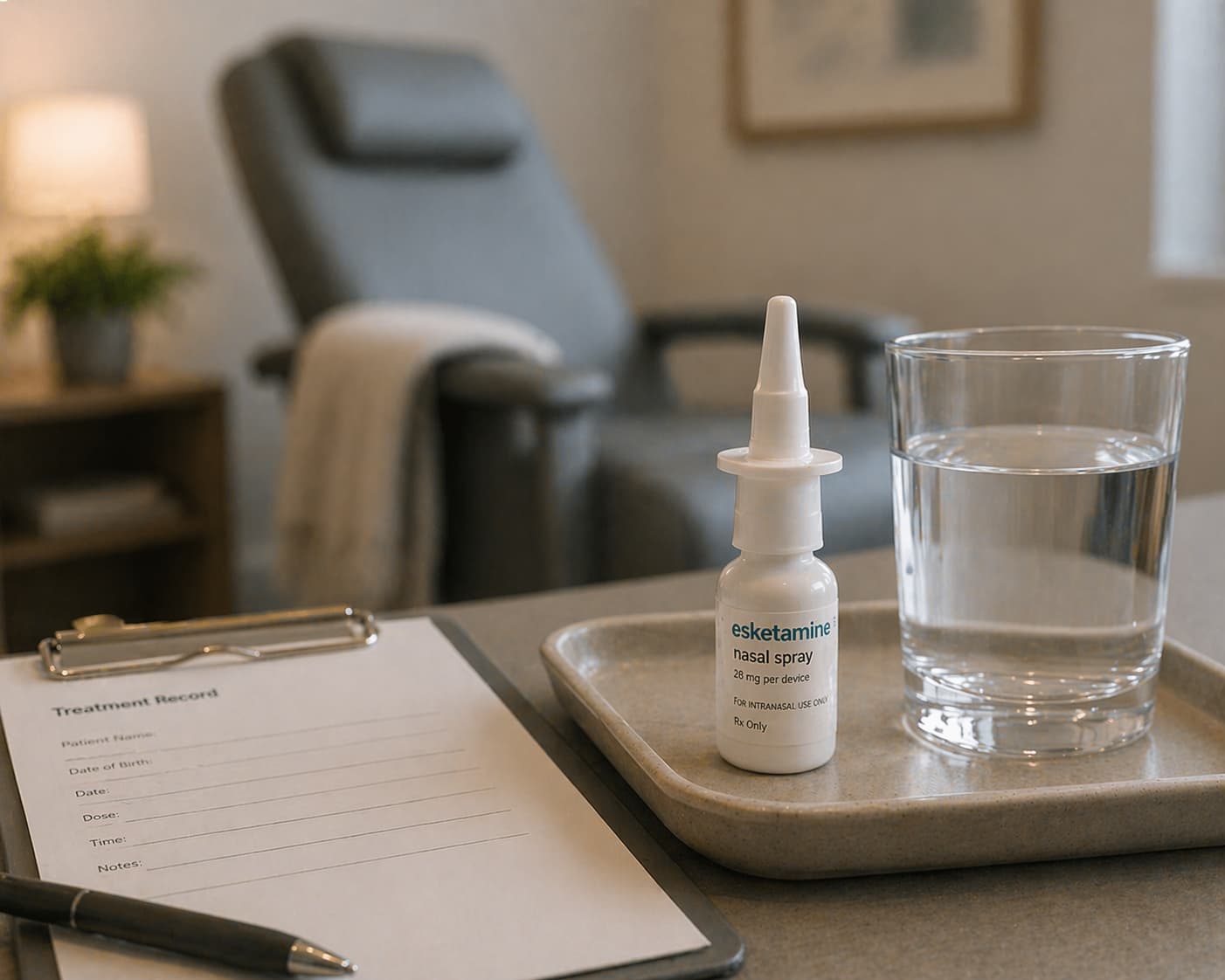
Esketamine is a fast-acting, clinic-based treatment for depression that may help when other options haven’t worked. Delivered as a supervised nasal spray, it works differently from traditional medications and can provide relief more quickly for some people.

Examples of ketamine therapy side effects are dissociation, nausea, and fatigue, but these are usually short-lived and manageable in a clinical setting. With proper supervision and aftercare, treatment can be both safe and effective.

Ketamine for depression is an emerging treatment that can provide rapid relief, especially when other options haven’t worked. By targeting different brain pathways, it offers a new approach to care and is used under medical supervision as part of a personalized treatment plan.

Spravato treatment (esketamine) is a clinic-based treatment for treatment-resistant depression that works differently from traditional antidepressants by targeting the brain’s glutamate system and supporting neuroplasticity. It’s administered as a nasal spray under medical supervision.

Ketamine drug is a medically approved dissociative anesthetic now used for treatment-resistant depression and pain. Unlike traditional antidepressants, it works rapidly by targeting the brain’s glutamate system and supporting neuroplasticity, often providing relief within hours.