
Exploring the Benefits of Esketamine Treatment
Summary
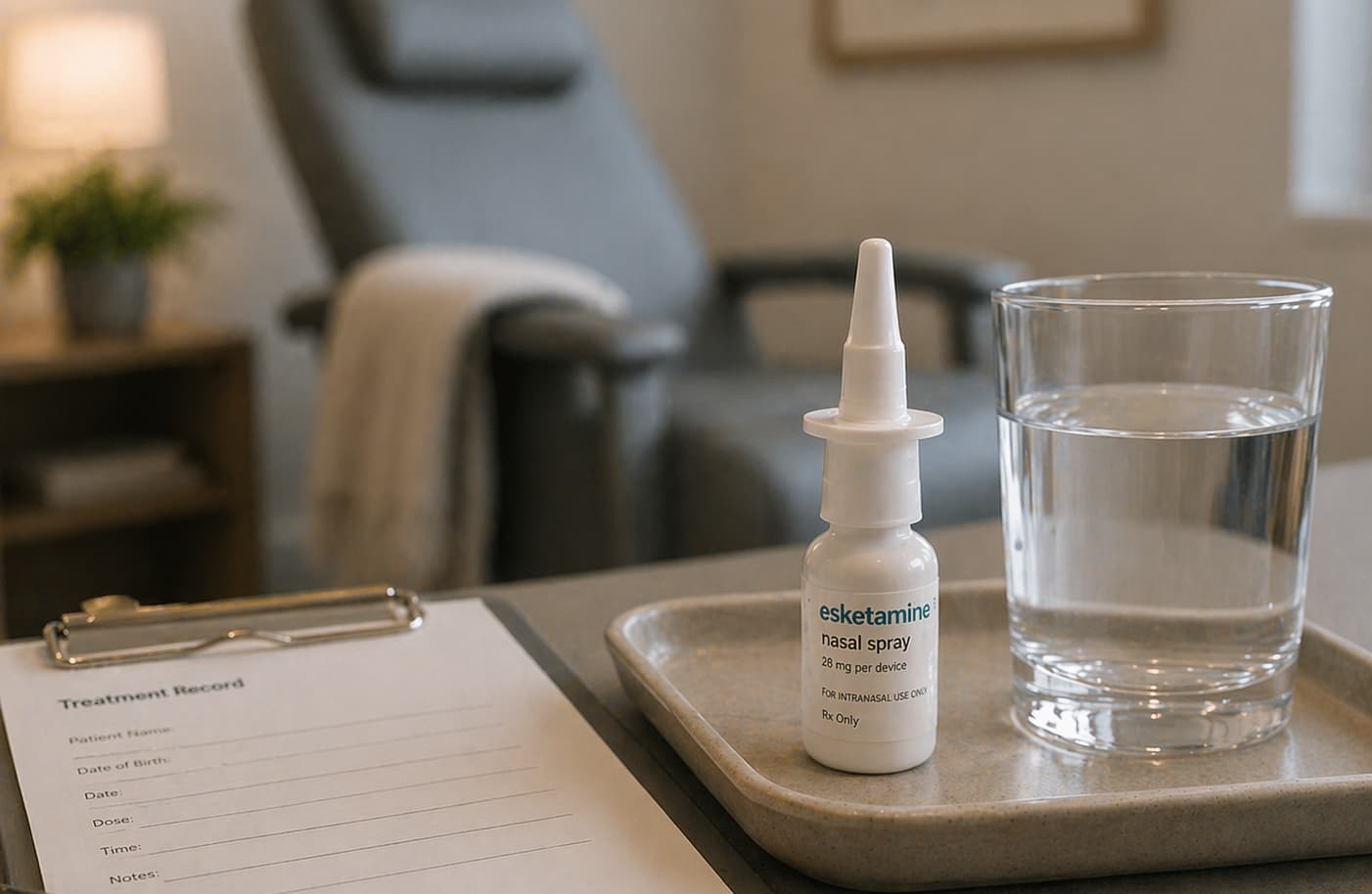
Esketamine treatment is a fast-acting, clinic-based treatment for depression that may help when traditional antidepressants have not worked. Delivered as a supervised nasal spray called Spravato, esketamine works differently from standard medications by targeting glutamate pathways in the brain. Many people explore esketamine for depression because it may provide symptom relief more quickly than traditional antidepressants, especially in cases of treatment-resistant depression. Esketamine is not a cure, but it can create a meaningful window for healing when combined with therapy and supportive ketamine therapy care.
Key Takeaways
- Esketamine is an FDA-approved nasal spray for treatment-resistant depression
- It is given in certified clinics under medical supervision
- Esketamine may help some people feel relief within hours or days
- Common side effects include dizziness, nausea, and temporary dissociation
- Insurance coverage and treatment costs vary significantly
- Esketamine is different from IV ketamine therapy and at-home ketamine treatment
To dive into how to maximize the benefits of the Spravato treatment, check out the Limitless Spravato & Ketamine Treatment Mindset Companion.
Quick Answer: What Is Esketamine?
Esketamine is an FDA-approved nasal spray medication used to treat treatment-resistant depression under medical supervision. Sold under the brand name Spravato, esketamine works differently from traditional antidepressants by targeting glutamate pathways in the brain.
Esketamine comes from ketamine, a medication doctors have used for decades in anesthesia and pain management. But esketamine treatment is used very differently. Instead of putting someone to sleep, it is designed to help reduce severe depression symptoms in carefully supervised settings.
People often search:
- What is esketamine?
- Is esketamine ketamine?
- What is Spravato?
- Is esketamine approved for depression?
In the United States, esketamine nasal spray received FDA approval in 2019 for treatment-resistant depression when combined with an oral antidepressant.
Unlike standard antidepressants that mainly affect serotonin, esketamine works through glutamate pathways in the brain.
Quick Facts About Esketamine Treatment
Esketamine vs Ketamine
Many people compare esketamine vs ketamine because the medications are related but used differently. Esketamine for depression is typically administered as Spravato in certified medical clinics under strict monitoring protocols. Let’s examine the difference between esketamine and ketamine.
Is Spravato the Same Thing as Ketamine Therapy?
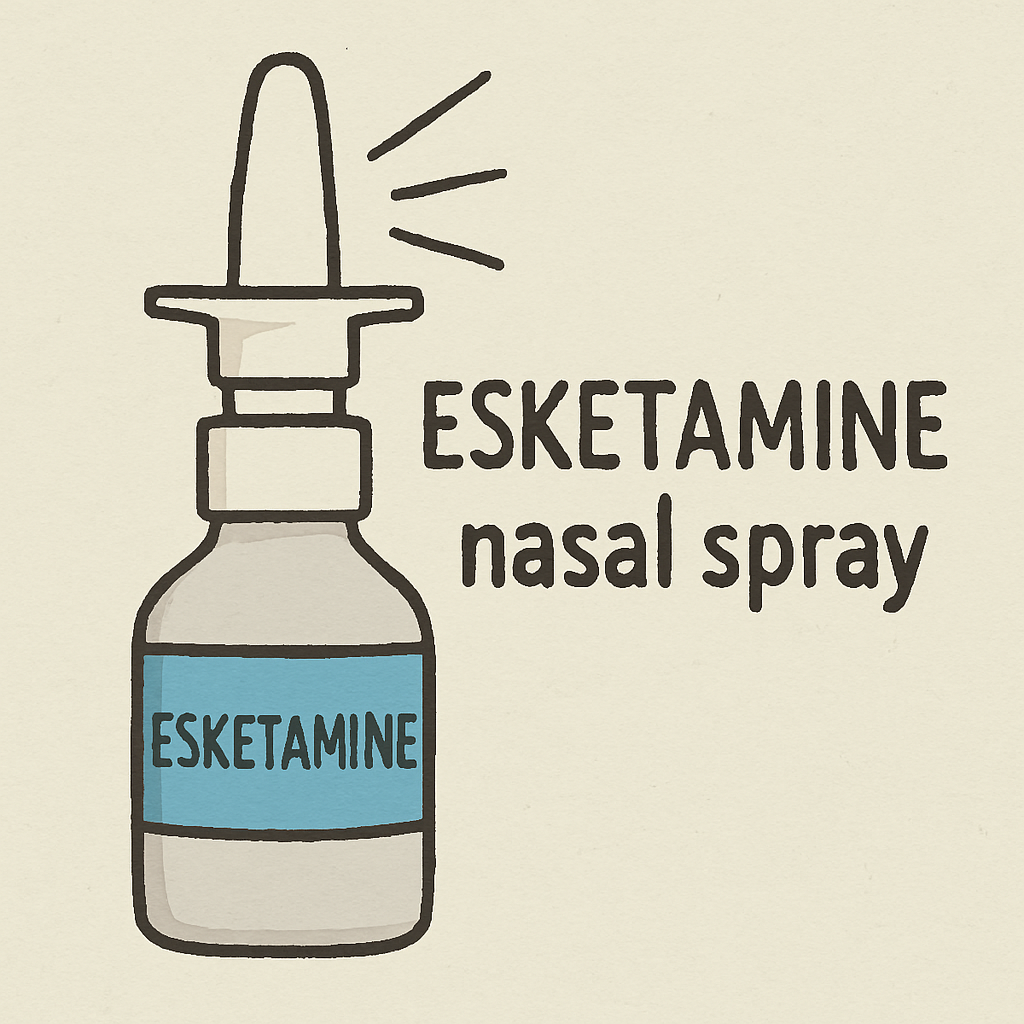
No. Spravato is an FDA-approved nasal spray that contains esketamine, one component of ketamine. Ketamine therapy often refers to racemic ketamine treatments that may be administered by IV infusion, intramuscular injection, oral lozenge, or compounded ketamine nasal spray. While the medications are related, they differ in formulation, administration, monitoring requirements, and insurance coverage.
How Does Esketamine Work?
Esketamine works differently from most antidepressants.
Traditional antidepressants mainly target serotonin. Esketamine affects NMDA receptors and glutamate signaling in the brain. This process is often called the esketamine mechanism of action or esketamine MOA.
Researchers believe this may help:
- improve communication between brain cells
- support neuroplasticity
- interrupt negative mood patterns
- create faster symptom relief for some people
One reason esketamine therapy gets attention is speed. Some individuals report improvement within hours or days, while traditional antidepressants can take weeks.
What Is Esketamine Used For?
Many people search “what is esketamine used for” when comparing treatment options and exploring alternatives to traditional antidepressants.
Esketamine is primarily used for:
- treatment-resistant depression
- major depressive disorder with acute suicidal thoughts or behaviors in certain supervised clinical settings
- severe depression that has not improved with traditional antidepressants
Esketamine is typically prescribed alongside an oral antidepressant and administered under medical supervision in a certified clinic. Because it can temporarily affect perception, awareness, and blood pressure, patients are monitored after each treatment session.
Can Esketamine Work Faster Than Traditional Antidepressants?
Possibly. Traditional antidepressants often take several weeks to reach their full effect. Esketamine works through different brain pathways involving NMDA receptors and glutamate signaling, which may allow some people to notice improvements in depression symptoms within hours or days. Individual results vary, and not everyone responds at the same pace.
Why Is Esketamine Important for Depression Treatment?
Treatment-resistant depression can feel exhausting and discouraging. Many people try multiple medications, therapy approaches, and lifestyle changes without enough improvement.
According to the National Institute of Mental Health (NIMH), major depression can significantly affect daily functioning, relationships, work, and overall quality of life, which is one reason researchers continue exploring new treatment approaches for people who do not respond to
Esketamine treatment matters because it gives some people another option when standard approaches have not worked.
Providers may consider esketamine therapy for:
- treatment-resistant depression
- severe depressive symptoms
- depression with urgent symptom burden
- patients who have not responded well to multiple antidepressants
Some people also explore esketamine for anxiety when anxiety symptoms overlap closely with depression.
Benefits of Esketamine Treatment
Esketamine treatment is being explored because it offers a different approach than traditional antidepressants. For some people with treatment-resistant depression, it may provide symptom relief more quickly and create a window where therapy, emotional processing, and recovery work feel more accessible.
Potential benefits of esketamine therapy may include:
- Faster symptom relief for some individuals compared to traditional antidepressants
- A different mechanism of action that targets glutamate pathways instead of mainly serotonin
- Structured clinic-based supervision and monitoring during treatment
- Support for treatment-resistant depression when other treatments have not helped enough
- Potential reduction in suicidal thinking in certain supervised clinical settings
- Increased emotional openness and reflection during therapy or integration work
- Temporary relief from emotional heaviness, numbness, or mental overwhelm
- A greater sense of hope, motivation, or emotional flexibility for some patients
One reason esketamine for depression receives so much attention is speed. Traditional antidepressants often take weeks before people notice improvement, while some individuals report changes within hours or days after esketamine treatment.
At the same time, results vary significantly from person to person. Some individuals experience meaningful improvement, while others may notice more gradual or limited changes over time.
Esketamine is not considered a cure for depression. For many people, it works best as part of a larger mental health plan that may also include therapy, nervous system support, lifestyle changes, emotional integration, and ongoing psychiatric care.
Why do some people feel emotionally “open” during esketamine therapy?
Some individuals describe feeling more emotionally reflective, mentally flexible, or less emotionally guarded during esketamine treatment. Providers believe changes in glutamate signaling and neuroplasticity may temporarily shift how the brain processes emotions, thought patterns, and stress responses. This is one reason many clinics encourage therapy, integration practices, or emotional support alongside esketamine treatment.
Who Is Esketamine Best For?
Esketamine treatment is usually considered for people with treatment-resistant depression, meaning they have tried multiple antidepressants or other mental health treatments without enough improvement. Some providers may also consider esketamine therapy when depression symptoms feel severe, persistent, or difficult to manage with traditional approaches alone.
People who may be good candidates for esketamine treatment often include those who:
- have treatment-resistant depression
- have tried multiple antidepressants without enough relief
- need closer medical supervision during treatment
- want a structured, clinic-based treatment environment
- are already working with a therapist or mental health provider
- are looking for an alternative to traditional antidepressants alone
- want more support than at-home ketamine treatment programs provide
Eligibility depends on several factors, including:
- medical history
- psychiatric history
- blood pressure and cardiovascular health
- current medications
- substance use history
- provider evaluation and safety screening
Some individuals may not be appropriate candidates for esketamine therapy, especially if they have certain cardiovascular conditions, uncontrolled high blood pressure, active psychosis, or other medical concerns that require additional evaluation.

Why Is Esketamine Only Given in a Clinic?
Esketamine is only administered in certified clinics because it can temporarily cause dissociation, dizziness, changes in perception, and increases in blood pressure. Medical monitoring helps providers manage side effects and ensure patient safety throughout the treatment experience. Patients are also required to remain under observation after treatment before returning home.
What Does Esketamine Treatment Feel Like?
Every esketamine experience is different. Some sessions feel calm and reflective, while others may feel more emotionally intense or mentally unusual for a short period of time.
Because esketamine affects perception and awareness, many people describe the experience as feeling “dream-like,” detached, or introspective. These effects are temporary and happen under medical supervision in a certified clinic setting.
Some people describe feeling:
- relaxed or emotionally lighter
- detached or “floaty”
- calmer and less mentally overwhelmed
- emotionally reflective or introspective
- sleepy or physically heavy
- more connected to thoughts or emotions they normally avoid
Others may experience temporary side effects such as:
- dizziness
- nausea
- sensory changes
- blurry vision
- anxiety during treatment
- temporary dissociation
Not every session feels profound or emotional. Some experiences may feel subtle, quiet, or even difficult to describe. That does not necessarily mean treatment is “not working.” Many providers explain that esketamine therapy is often part of a larger healing process that unfolds gradually over time.
What does esketamine feel like during treatment?
Many people describe esketamine treatment as calming, dream-like, emotionally reflective, or mentally spacious. Some notice temporary dissociation, changes in perception, or feeling detached from their surroundings. Others simply feel relaxed or tired. These effects are usually temporary and monitored closely by clinic staff throughout the session.
What Should You Expect During Esketamine Treatment?
Esketamine treatment follows a structured process designed to prioritize safety, monitoring, and emotional support throughout the experience.
Before Treatment
Before starting esketamine therapy, your provider will complete a medical and psychiatric evaluation to help determine whether treatment is appropriate for you.
This usually includes:
- reviewing your medical history
- discussing current medications
- evaluating safety risks and contraindications
- reviewing previous depression treatments
- confirming eligibility for esketamine treatment
- discussing possible Spravato side effects and expectations
You may also discuss:
- transportation plans
- insurance coverage and costs
- treatment frequency
- emotional support systems
- therapy or integration support between sessions
Many people feel nervous before their first treatment and wonder what does ketamine feel like or what does etamine do to you during a session. Providers typically explain the experience ahead of time so you know what to expect physically, emotionally, and mentally before treatment begins.
During Treatment
Esketamine nasal spray is self-administered under supervision in a certified clinic. Staff guide you through each step and monitor you throughout the experience.
During treatment:
- staff monitor blood pressure and overall safety
- you remain seated or reclined in a calm setting
- lighting and noise are usually kept low
- calming music or guided audio may be used
- you stay in the clinic for monitoring afterward
Many clinics encourage patients to relax quietly during treatment rather than actively trying to “do” anything. Some people listen to calming music, wear an eye mask, or use supportive tools like guided visualization or breathwork during the session.
Most visits last around two hours total because of monitoring requirements.
After Treatment
After treatment, you may feel:
- tired or mentally slowed down
- emotionally sensitive
- calmer or lighter emotionally
- temporarily dizzy or unsteady
- reflective or introspective
Because esketamine can temporarily affect coordination and awareness, you cannot drive yourself home afterward.
Some people prefer to rest quietly for the remainder of the day, while others feel relatively normal within a few hours. Experiences vary significantly from person to person and session to session.
Many providers view esketamine treatment as creating a temporary window for change. What happens between treatments often matters just as much as what happens during them. This is where practices such as therapy, journaling, mindfulness, guided visualization, and integration work may help reinforce new perspectives and behavioral changes. Many also encourage patients to focus on recovery, hydration, sleep, emotional support, and gentle routines after treatment rather than jumping immediately back into stressful obligations.
How Limitless Can Support Esketamine Therapy
Esketamine therapy helps create a temporary window where the brain becomes more flexible, emotionally open, and receptive to change. But what happens during and between treatments can shape how those experiences carry into daily life.
That’s where mindset support becomes important.
The Limitless Guided Visualizations app was designed to help people feel more grounded, emotionally supported, and connected throughout the ketamine therapy process. Many people use Journey Macrodoses during treatment to create a calmer internal environment, stay connected to their intention, and navigate difficult moments with more ease. Between sessions, Mindset Microdoses help reinforce healthier thought patterns, emotional regulation, and integration practices over time.
Unlike generic meditation apps, Limitless was specifically designed to support altered states, nervous system regulation, and mindset reinforcement during ketamine therapy. The goal is not to control the experience, but to help you feel safer, more supported, and better able to work with the experience as it unfolds.
Risks and Side Effects of Esketamine
Like any medication, esketamine can cause side effects.
Common esketamine side effects include:
- dizziness
- nausea
- drowsiness
- dissociation
- temporary blood pressure increases
- anxiety during treatment
- fatigue
Most side effects improve within hours after treatment.
Is esketamine addictive?
When esketamine therapy is used in certified clinics under medical supervision, the risk of addiction is considered lower than recreational misuse. However, it is still a Schedule III controlled medication, which is why treatment is carefully monitored.
Is Esketamine Safe?
Esketamine treatment may be relatively safe for appropriate patients when administered under medical supervision in certified clinics.
Safety protocols usually include:
- blood pressure monitoring
- post-treatment observation
- provider screening
- medication review
- transportation requirements
Esketamine may not be appropriate for everyone.
Who Should Avoid Esketamine?
Some individuals may need additional evaluation or may not be appropriate candidates, including people with:
- uncontrolled high blood pressure
- certain aneurysm histories
- active psychosis
- certain cardiovascular conditions
Always discuss your medical history openly with your provider.
How Much Does Esketamine Cost?
Esketamine treatment costs vary depending on:
- clinic location
- dosage
- insurance coverage
- treatment frequency
- provider fees
Many people search:
- esketamine cost
- Spravato cost
- esketamine cost with insurance
- does insurance cover esketamine
Some insurance plans, Medicare plans, and Medicaid plans may provide partial coverage, but approval requirements vary significantly.
Questions to ask your provider:
- Is prior authorization required?
- Is Spravato covered under my plan?
- What are my out-of-pocket costs?
- Are payment plans available?
How Long Does Esketamine Treatment Take?
Esketamine treatment usually starts with more frequent sessions and gradually becomes less frequent if symptoms improve.
Typical schedules may include:
- twice-weekly visits initially
- weekly maintenance sessions later
- occasional long-term maintenance treatments
Each clinic visit typically lasts around two hours because of monitoring requirements.
Some people notice improvement quickly. Others require multiple sessions before experiencing meaningful symptom changes.
How Long Do Esketamine Benefits Last?
The duration of symptom improvement varies from person to person. Some individuals notice benefits that last days or weeks after treatment, while others require ongoing maintenance sessions to sustain results. Providers typically adjust treatment frequency based on symptom response, overall progress, and individual needs.
Common Mistakes to Avoid With Esketamine Treatment
Common mistakes include:
- expecting instant transformation
- skipping therapy or support systems
- focusing only on medication
- not preparing for side effects
- ignoring follow-up care
- choosing providers without proper certification
Esketamine treatment usually works best as part of a larger mental health plan.
How to Start Esketamine Treatment
Step 1. Talk With a Mental Health Provider
The first step is speaking with a licensed mental health provider who can evaluate whether esketamine treatment may be appropriate for your situation.
Esketamine is usually considered for people with treatment-resistant depression or individuals who have not experienced enough improvement from traditional antidepressants.
Your provider may review:
- depression history
- previous medications
- therapy history
- current symptoms
- medical conditions
- treatment goals
Step 2. Complete a Medical and Psychiatric Evaluation
Before treatment begins, providers typically complete a detailed screening process to help determine whether esketamine is a safe and appropriate option.
This evaluation may include:
- mental health history
- medication review
- blood pressure evaluation
- substance use history
- psychiatric symptoms
- safety considerations
Some individuals may need additional medical clearance before starting treatment.
Step 3. Verify Insurance Coverage and Treatment Costs
Esketamine treatment costs can vary significantly depending on insurance coverage, clinic fees, and treatment frequency.
Ask the clinic:
- Is Spravato covered by my insurance?
- Is prior authorization required?
- What are the estimated out-of-pocket costs?
- Are monitoring visits included?
- Are payment plans available?
Step 4. Find a Certified Esketamine Clinic
Esketamine treatment must be administered in certified clinics that follow FDA REMS safety requirements.
Look for clinics that provide:
- experienced psychiatric oversight
- clear safety protocols
- blood pressure monitoring
- structured follow-up care
- supportive treatment environments
- transparent communication
You can also use the official Spravato treatment center locator to find certified providers:
Step 5. Prepare for Treatment Day
Because esketamine can temporarily affect coordination, awareness, and perception, patients cannot drive themselves home after treatment.
Before your appointment:
- arrange transportation home
- avoid scheduling stressful obligations afterward
- wear comfortable clothing
- plan time to rest afterward
- create a calm environment for the evening
Some people also find journaling, mindfulness, calming music, or guided visualization like from Limitless mindset companion app for Ketamine therapy helpful before sessions.
Step 6. Build a Support Plan Between Sessions
Esketamine treatment often works best when combined with broader mental health support rather than used in isolation.
Supportive practices may include:
- therapy
- emotional support
- sleep routines
- mindfulness
- nervous system regulation
- integration practices
- guided visualization
Some individuals use tools like Limitless Guided Visualizations between sessions to help reinforce emotional grounding, mindset support, and nervous system regulation throughout the treatment process.
Can You Take Esketamine at Home?
No, Esketamine nasal spray (Spravato) must be administered in a certified medical clinic under FDA Risk Evaluation and Mitigation Strategy (REMS) requirements. Patients cannot take Spravato home or self-administer it outside an approved treatment setting.
Conclusion
Esketamine treatment is giving some people with treatment-resistant depression another option when traditional approaches have not provided enough relief. Because it works differently from standard antidepressants, it may offer faster symptom improvement for some individuals under proper medical supervision.
At the same time, esketamine is not a simple or one-size-fits-all solution. Treatment involves clinic visits, monitoring, side effect management, emotional support, and realistic expectations about progress over time.
For many people, the best outcomes come from combining esketamine treatment with therapy, nervous system support, mindfulness practices, and long-term mental health care. The goal is not just symptom reduction. The goal is creating a more stable foundation for healing, support, and daily life moving forward.
Frequently Asked Questions About Esketamine
Esketamine is one form of ketamine (the S-enantiomer). So if you are wondering, "is esketamine ketamine?", the short answer is that it is related but used differently and delivered as a clinic-administered nasal spray.
Common effects soon after dosing include dizziness, nausea, drowsiness, dissociation (feeling detached), and temporary increases in blood pressure. Because of this, you are monitored in the clinic after each dose. Tell the staff exactly what you feel---big or small---so they can keep you comfortable and adjust your plan as needed. When used as directed in a certified clinic, the risk of addiction is considered low; it is a Schedule III controlled medication and is not dispensed for at-home use.
Yes, many providers recommend combining esketamine treatment with therapy, counseling, or other forms of mental health support. While esketamine may help reduce depression symptoms and increase emotional flexibility for some people, therapy can help patients process emotions, develop coping skills, and integrate insights that arise during treatment. Many clinics view esketamine as one component of a broader treatment plan rather than a standalone solution.
It is mainly considered for treatment-resistant depression when standard antidepressants have not helped. Some people with anxiety tied closely to depression may also discuss it with their provider. It is not right for everyone, though. Precautions include uncontrolled high blood pressure (it can temporarily raise BP), a history of aneurysm, and active psychosis. Be open about your medical history, including any substance use history; it does not automatically rule you out, but it matters for safety planning. The only way to know if it is a fit is a thorough evaluation with a qualified clinician.
Coverage varies. It depends on your insurance plan, your diagnosis, and whether prior authorization is required. The best next step is to call your insurer and ask directly: does insurance cover esketamine under my benefits?
It is not a clean "stronger vs weaker" comparison. They are used differently, in different forms, with different dosing plans. Your provider can explain how that affects real-world results for your situation.
Visits take place in a clinic, you won’t take the medication home. Here’s what to expect:
- Before: A quick check-in, including how you’re feeling and your blood pressure
- During: You’ll self-administer the nasal spray with guidance from staff
- After: You’ll stay for monitoring, usually about two hours, so the team can watch for side effects and make sure you’re safe to leave
Esketamine affects NMDA receptors and changes brain signaling linked to mood. That is why you may hear it described by its esketamine mechanism of action or esketamine MOA.
No, it is only given in certified clinics under supervision.
One advantage of esketamine is it's speed. Some people notice relief within hours. Others need time and multiple sessions. Esketamine and Ketamine treatment usually starts with more frequent visits (often twice a week) and then spreads out if you are doing well. Your provider will adjust the dose and schedule based on your response and how you feel between sessions. Esketamine is a process, and ongoing feedback helps fine-tune the plan.
Ketamine nasal spray is one of several ways ketamine can be administered for depression and other conditions. Learn how intranasal ketamine works, potential benefits and risks, treatment costs, safety considerations, and how it compares to Spravato/esketamine.

Is ketamine an opioid? Learn how ketamine differs from opioids, how ketamine therapy works, common medical uses, side effects, and why ketamine is considered a non-opioid treatment option in some settings.
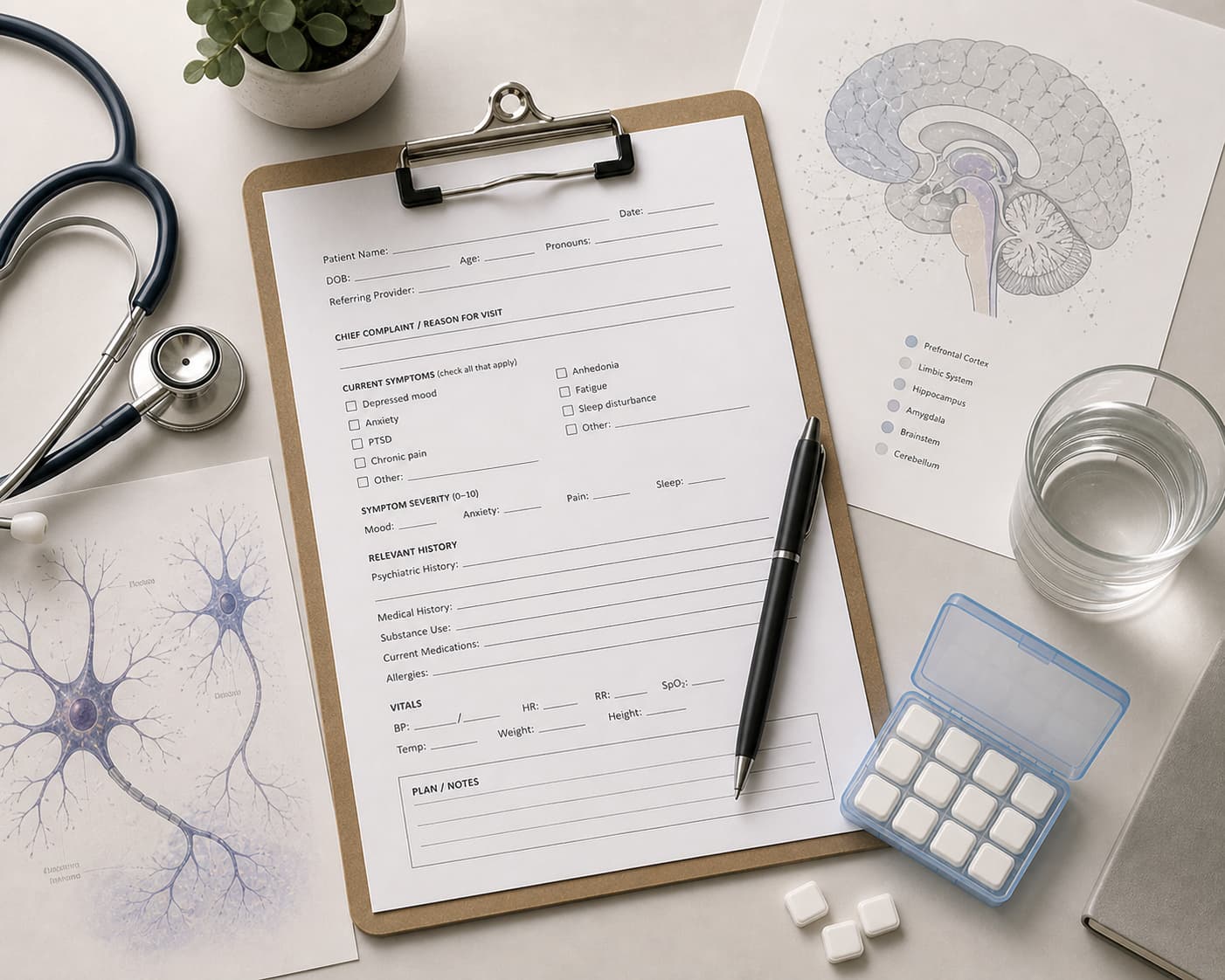
Learn about what is ketamine used for medically and therapeutically, including depression, PTSD, anxiety, chronic pain, anesthesia, ketamine infusions, and nasal ketamine treatment.

At home ketamine therapy offers a more accessible way to receive treatment for depression and anxiety through virtual care and clinician-guided sessions. Safe treatment requires a prescription, proper oversight, and ongoing support.
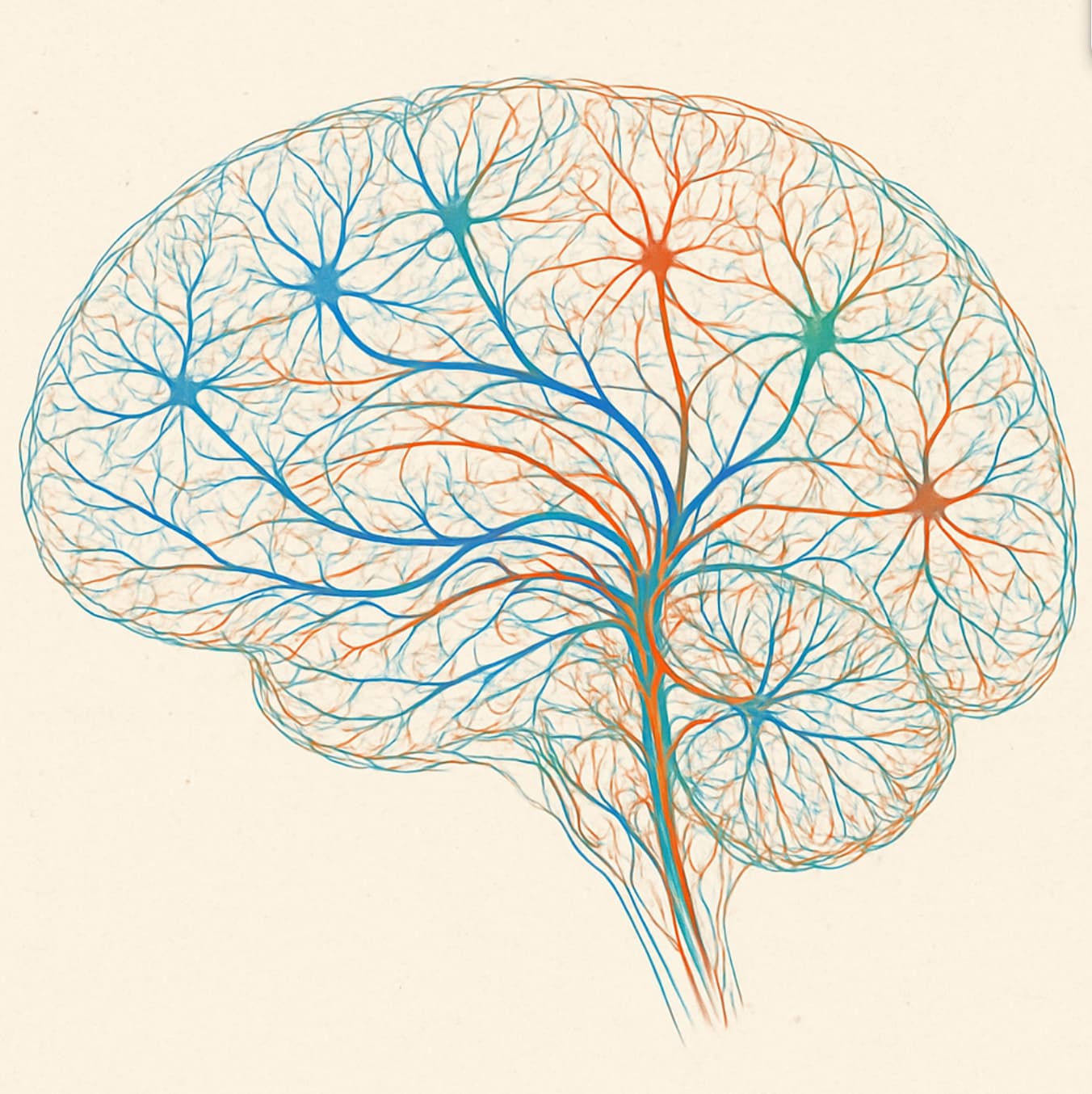
Spravato is an FDA-approved esketamine nasal spray used for treatment-resistant depression, offering a new option when traditional antidepressants are not enough. While it can provide rapid relief for some patients, understanding Spravato side effects is essential before starting treatment.

Examples of ketamine therapy side effects are dissociation, nausea, and fatigue, but these are usually short-lived and manageable in a clinical setting. With proper supervision and aftercare, treatment can be both safe and effective.

Ketamine for depression is an emerging treatment that can provide rapid relief, especially when other options haven’t worked. By targeting different brain pathways, it offers a new approach to care and is used under medical supervision as part of a personalized treatment plan.

Spravato treatment (esketamine) is a clinic-based treatment for treatment-resistant depression that works differently from traditional antidepressants by targeting the brain’s glutamate system and supporting neuroplasticity. It’s administered as a nasal spray under medical supervision.

Ketamine drug is a medically approved dissociative anesthetic now used for treatment-resistant depression and pain. Unlike traditional antidepressants, it works rapidly by targeting the brain’s glutamate system and supporting neuroplasticity, often providing relief within hours.