
Ketamine Drug: What you need to know

Summary
Ketamine is a medically approved dissociative anesthetic that is now used for treatment-resistant depression and pain. Unlike traditional antidepressants, it works rapidly by targeting the brain’s glutamate system and supporting neuroplasticity. Many patients experience relief within hours.
In a clinical setting, ketamine therapy is carefully monitored for safety, and its effects can last for days or even weeks. While it offers meaningful benefits, it also carries risks, which is why professional supervision and proper integration are essential for lasting results.
Key Takeaways
- Ketamine is a dissociative anesthetic and Schedule III controlled substance.
- Ketamine is used medically for anesthesia, pain management, and treatment-resistant depression.
- Unlike traditional antidepressants, ketamine primarily affects the brain’s glutamate system.
- Ketamine therapy may produce effects within hours, though results vary.
- Treatment should always occur under qualified medical supervision.
For decades, the ketamine drug was known mostly as a powerful battlefield anesthetic. Today, researchers at institutions like Yale University hail it as the biggest mental health breakthrough in half a century.
Its use in emergency medicine first revealed something unexpected. Doctors began noticing its impact on mood and perception, which led to further research into its mental health applications. Many people search variations like "what is ketamine drug" and "what is the drug ketamine" to understand both its origins and current clinical use.
Unlike standard sedatives, ketamine operates as a dissociative anesthetic. It creates a temporary state between being fully awake and asleep.
Patients often describe feeling detached from their physical bodies, but in a calm and controlled way. In clinical settings, this dissociation can create a temporary state of altered consciousness that gives the brain space to pause, helping interrupt overwhelming thought patterns.
Severe, treatment-resistant depression often feels like being trapped in an inescapable cycle of negative thoughts. While traditional daily pills take weeks to slowly shift these patterns, psychiatric research shows the therapeutic benefits of ketamine infusions offer a rapid-acting alternative. Rather than waiting months for relief, patients frequently see their darkest moods lift in a matter of mere hours.
If you want to dig deeper into how to make the most of ketamine's benefits, take a look at our resources for ketamine treatment.
Is Ketamine a Schedule Drug?
People often ask, "is ketamine illegal drug?" or "is ketamine a drug?" The answer comes down to federal classification. In the United States, it is a DEA Schedule III substance, meaning the government recognizes its legitimate medical value but mandates strict doctor oversight. This regulation ensures patients receive pure, pharmaceutical-grade medicine rather than unpredictable, dangerous street substances. Because it is a tightly regulated ketamine schedule drug, this status underscores both its medical legitimacy and the need for careful supervision.
Medicinal ketamine's legal status is deeply tied to prescription practices. Though originally FDA-approved as an anesthetic, it is frequently prescribed for depression as an "off-label use" – a highly common, legal practice where an approved medication is utilized to treat a different condition. Because it is a tightly regulated ketamine schedule drug, legitimate clinics separate themselves from illicit use through strict requirements:
- Continuous monitoring of your vital signs by medical staff.
- Precise, calculated dosing tailored to your specific biology.
Street-level recreational use entirely bypasses these non-negotiable safety nets. In a medical setting, clinical supervision is mandatory because the medicine temporarily alters your perception, allowing your brain to hit a vital "reset" button. This controlled environment is crucial for safely navigating the treatment experience.
What is the Drug Ketamine?
When people ask "what is the drug ketamine?", the answer starts with its unique medical category. Ketamine belongs to a class of medications called dissociative anesthetics. In simple terms, it creates a temporary state between being awake and asleep. This allows the mind to disconnect from physical sensations and outside stress in a controlled way.
If you're wondering what type of drug is ketamine, or what kind of drug is ketamine, the answer is consistent: a dissociative anesthetic used medically for anesthesia and, off-label, for depression. A common misconception people have when learning about the ketamine drug is asking, Is ketamine an opioid, even though ketamine belongs to a completely different drug class. These clinically guided ketamine drug effects are carefully managed by trained providers.
Experiencing therapeutic disassociation is very different from chasing a recreational high. Instead of a chaotic escape, clinical dissociation feels like moving from being the stressed actor in a movie to becoming the director calmly watching the screen. You can still observe your life and memories, but the sharp, painful emotions tied to your trauma simply do not hit as hard.
Lifting this heavy emotional weight allows patients to safely process difficult feelings without becoming entirely overwhelmed. This controlled pause in your normal thought patterns provides crucial mental rest, setting the stage for the brain's physical recovery. This resting state creates lasting relief by actively clearing neurological traffic jams and using glutamate to repair brain pathways.
You can read more about this from our article: What is Ketamine Therapy?
Ketamine Drug Quick Facts
How Does Ketamine Work?
Imagine your brain is a bustling city where the traffic has been jammed for years. Traditional antidepressants attempt to ease this congestion by tweaking serotonin, a chemical that slowly regulates mood. However, how ketamine affects the brain relies on a completely different chemical messenger called glutamate, which acts as the mind's primary on-switch for learning and memory.
If you’ve ever wondered what does ketamine do to you, this is where the answer begins. Instead of slowly adjusting mood over time, ketamine works quickly by interrupting the brain’s stress patterns and creating space for new, healthier connections.
To stop the agonizing gridlock of negative thoughts, the medication briefly blocks specific docking stations on your brain cells called NMDA receptors. Ketamine works through an NMDA receptor antagonist mechanism. What this means is that ketamine blocks NMDA receptors in the brain. This helps interrupt the constant flow of stress signals, giving your mind a chance to reset.
These ketamine drug effects involve the glutamate system and neuroplasticity, supporting healthier mood circuits.

Severe depression wears deep, muddy ruts into your daily thinking patterns, making it feel impossible to change course. By triggering a healthy surge in the glutamate system and neuroplasticity, the brain's incredible ability to physically rewire itself, ketamine acts like a fresh, heavy snowfall. It covers those old, painful ruts entirely so you can confidently ski in a new, healthier direction.
Because this process actively grows fresh connections between brain cells, patients often experience profound relief that lasts for weeks after the actual medicine leaves their body. Recognizing how this physical repair creates a lasting reset highlights why infusions offer such an advantage over traditional daily medications.
What Are the Benefits of Ketamine?
If you have spent weeks waiting for a daily pill to finally lift the fog, you are not alone. Traditional antidepressants, commonly SSRIs, work on a "slow-build" model, gradually adjusting your serotonin levels over time. Conversely, the introduction of rapid-acting antidepressants represents a seismic shift in psychiatry, offering an immediate system reboot rather than a delayed chemical nudge.
Comparing standard pills to ketamine reveals several stark differences:
- Timeline: SSRIs require 4 to 6 weeks to build up; ketamine often works within hours.
- Target: SSRIs tweak serotonin levels; ketamine actively repairs glutamate pathways.
- Usage: Daily at-home pills versus supervised, occasional clinical sessions.
- Purpose: Standard first-line defense versus a specialized medical intervention.
By bypassing the slow serotonin route entirely, doctors heavily rely on ketamine for treatment-resistant depression when at least two standard medications have already failed. While scientists continue studying the differences between ketamine vs psilocybin for mental health treatments, ketamine remains the legally and safely available option today.
When someone faces a severe mental health crisis, waiting a month for a pill to take effect is dangerous. Ketamine's ability to deliver rapid relief from suicidal ideation acts as an emergency brake, stopping the free-fall of dark thoughts almost instantly. This life-saving potential prompts an important practical choice between administration methods.
What is the Difference between IV Infusion or Nasal Spray?
The traditional IV route delivers the medication directly into your bloodstream, offering 100% "bioavailability" meaning your body absorbs every drop for maximum predictability. Alternatively, the esketamine nasal spray vs IV infusion choice often comes down to comfort. The spray (commonly known by the brand name Spravato) is gently inhaled, making the process feel much less intimidating, even though your body's overall absorption of the medicine varies slightly compared to an IV drip.

Regardless of the method, knowing what to expect during a ketamine session helps calm your nerves before the 40-minute treatment begins. You may feel a sensation of floating or mild detachment, like watching your thoughts on a movie screen instead of actively living them. Providers maximize this deeply relaxed state through "Set and Setting" – the practice of entering with a calm, prepared mindset (the set) while resting in a quiet, comforting physical space (the setting).
Because this supportive environment deeply shapes your results, finding a qualified ketamine clinic is very important. A reputable facility provides active medical monitoring while you rest under a soft blanket, allowing your brain's pathways to quietly reset. As the session concludes and you slowly return to full awareness, you must be prepared for the physical comedown and side effect management.
What Are the Risks and Side Effects of Ketamine?
As the therapeutic "reset" fades, your body must process the medication, which can occasionally cause a temporary hangover. While side effects of ketamine therapy are highly manageable under medical supervision, the sudden shift back to reality can upset your system. The five most common short-term ketamine side effects and Spravato side effects include:
- Dissociation-induced nausea (a type of motion sickness from feeling detached)
- Temporary spikes in blood pressure
- Mild dizziness upon standing
- Blurred or double vision
- Lingering mental fatigue
Beyond these brief hurdles, the long-term risks of ketamine use highlight the crucial difference between safe clinical care and recreational abuse. When misused frequently at high, unregulated doses, one of the most severe ketamine drug side effects is cystitis, a painful, potentially permanent inflammation of the bladder.
Fortunately, a heavily monitored clinical environment prevents these physical dangers and eliminates the risk of addiction by strictly spacing out precise, therapeutic doses. Ensuring you receive this exact standard of safe, protective care requires knowing what to ask your provider.
What Questions Should You Ask a Ketamine Clinic?
Instead of seeing what is ketamine drug as just an anesthetic, you now recognize it as a snowplow for the mind, clearing deep ruts of depression so you can build healthier paths. While not a magic cure, the therapeutic benefits of ketamine infusions offer a powerful mental reset. True healing happens when you pair this new mental flexibility with traditional therapy to achieve functional recovery, like comfortably returning to work or simply feeling lighter.
Protect your safety and maximize your outcomes by asking doctors these three questions during a consultation:
- Is a medical professional in the room during the entire treatment?
- How do you integrate standard talk therapy with the infusion process?
- What functional success metrics will we track beyond the immediate experience?
Equipped with the science behind the treatment, you can make informed choices. Treating this medicine as an open door rather than a final destination allows you to actively guide your own healing process.
How to Choose a Qualified Ketamine Clinic
Finding the right ketamine clinic is just as important as deciding whether ketamine therapy is right for you. Asking a few key questions can help you understand how a clinic approaches safety, treatment, and long-term care.
Step 1: Ask About Medical Supervision
Will a qualified medical professional monitor you throughout your entire treatment? Continuous supervision is an important part of safe ketamine therapy.
Step 2: Ask About the Treatment Process
Find out which type of ketamine is offered, how treatments are administered, how long appointments typically last, and what monitoring takes place during each session.
Step 3: Understand the Complete Care Plan
Ketamine often works best as part of a broader treatment approach. Ask whether the clinic recommends psychotherapy, integration support, or other services alongside treatment.
Step 4: Discuss Safety and Side Effects
A reputable clinic should explain the potential benefits, common side effects, possible risks, and what steps they take to manage them if they occur.
Step 5: Know How Progress Will Be Measured
Ask how the clinic evaluates whether treatment is working. Good providers look beyond the treatment session itself and monitor changes in symptoms, daily functioning, and overall quality of life over time.
Related Ketamine Resources
- Learn what is ketamine and how ketamine works in the brain, the different forms it can take, and the medical and safety considerations surrounding treatment.
- Explore what is ketamine used for to better understand how ketamine may be used in anesthesia, pain management, and mental health treatment settings.
Frequently Asked Questions About Ketamine Drug
Ketamine belongs to the dissociative anesthetic drug class. Unlike opioids, benzodiazepines, or traditional antidepressants, ketamine primarily affects the brain’s glutamate system. This unique mechanism is one reason researchers have studied ketamine for mental health conditions such as treatment-resistant depression. In medical settings, ketamine is administered in carefully controlled doses and monitored by healthcare professionals.
During a clinical session, ketamine often creates a temporary dissociative state where you may feel detached from your body or thoughts. Many people describe it as calm, dreamlike, or reflective rather than overwhelming. The experience is closely monitored, typically lasts under an hour, and gradually fades as you return to a normal state of awareness.
Medical ketamine is administered in controlled, supervised settings with precise dosing and continuous monitoring, which makes it predictable and significantly safer. Recreational use lacks these safeguards, increasing the risk of harmful side effects, unsafe dosing, and long-term complications such as cognitive issues or bladder damage.
In addition to depression, ketamine is used medically for anesthesia, acute pain management, and certain chronic pain conditions. In some clinical settings, it is also being explored for PTSD and anxiety. These uses depend on provider judgment and are often considered when traditional treatments have not been effective.
In the United States, ketamine is a DEA Schedule III substance this acknowledges its legitimate medical value while requiring strict physician oversight. Clinically, it’s FDA-approved for anesthesia and commonly prescribed “off-label” for depression, which is a legal, routine practice where an approved drug is used for a different condition. Legitimate medical use is tightly controlled: providers monitor vital signs continuously and tailor dosing precisely to your biology. This stands in sharp contrast to street use, which lacks these non-negotiable safety measures and carries unpredictable risks.
The effects of ketamine can begin within hours, but how long they last varies by individual. Some people experience relief for days or weeks after a single session, while others benefit most from a series of treatments followed by maintenance sessions. Ongoing research is still exploring long-term durability and optimal treatment schedules.
Ketamine acts through the brain’s glutamate system rather than serotonin. By briefly blocking NMDA receptors (its NMDA receptor antagonist mechanism), it interrupts the flood of stress signals, the “traffic jam” of negative thoughts, so circuits can clear. This sparks a surge in neuroplasticity, helping the brain form healthier connections, like fresh snowfall covering old ruts and opening new tracks. Because it promotes physical repair of mood pathways, many patients feel relief within hours, and benefits can persist for weeks after the drug itself has left the body.
Compared with SSRIs, ketamine:
- Timeline: Often works within hours versus 4–6 weeks for SSRIs.
- Target: Repairs glutamate pathways rather than tweaking serotonin levels.
- Usage: Delivered in supervised, occasional sessions rather than daily at-home dosing.
- Purpose: Used as a specialized intervention, especially for treatment-resistant depression after at least two standard medications have failed. In acute crises, its rapid relief of suicidal ideation can function like an “emergency brake,” offering immediate stabilization while a broader care plan is put in place.
If you want to know how long do ketamine infusions last, sessions typically last about 40 minutes in a calm, monitored setting. Many people feel gently detached—like moving from being the actor in a scene to the director watching a screen. “Set and setting” matter: arriving with a prepared mindset (set) and resting in a quiet, comforting space (setting) can deepen therapeutic effects. Administration options:
- IV infusion delivers 100% bioavailability for maximum predictability.
- Esketamine nasal spray (Spravato) can feel less intimidating to some, though absorption varies slightly. Both are administered under medical supervision to guide dosing and ensure safety.
Short-term effects are usually manageable under supervision and may include:
- Nausea related to dissociation
- Temporary increases in blood pressure
- Mild dizziness on standing
- Blurred or double vision
- Lingering mental fatigue The main long-term concern arises with frequent, high-dose, non-medical use: cystitis (painful bladder inflammation). A tightly monitored clinic mitigates these dangers by spacing precise therapeutic doses and continuously monitoring patients, which the article emphasizes as eliminating addiction risk in this context. To protect your safety and outcomes, ask prospective clinics:
- Is a medical professional in the room during the entire treatment?
- How do you integrate standard talk therapy with the infusion process?
- What functional success metrics will we track beyond the immediate experience?
Yes, ketamine is a prescription medication and regulated drug that has been used safely in medicine for decades. It was originally approved by the FDA as an anesthetic and remains widely used for anesthesia and pain management. In some cases, healthcare providers also prescribe ketamine off-label for conditions such as treatment-resistant depression, following established medical and legal guidelines.
No, ketamine is not illegal when prescribed and administered by licensed medical professionals. In the United States, ketamine is classified as a Schedule III controlled substance, meaning it has accepted medical uses but is regulated to reduce the risk of misuse. While recreational possession or use may be illegal depending on the circumstances, medical ketamine treatment is a legal and recognized healthcare practice.
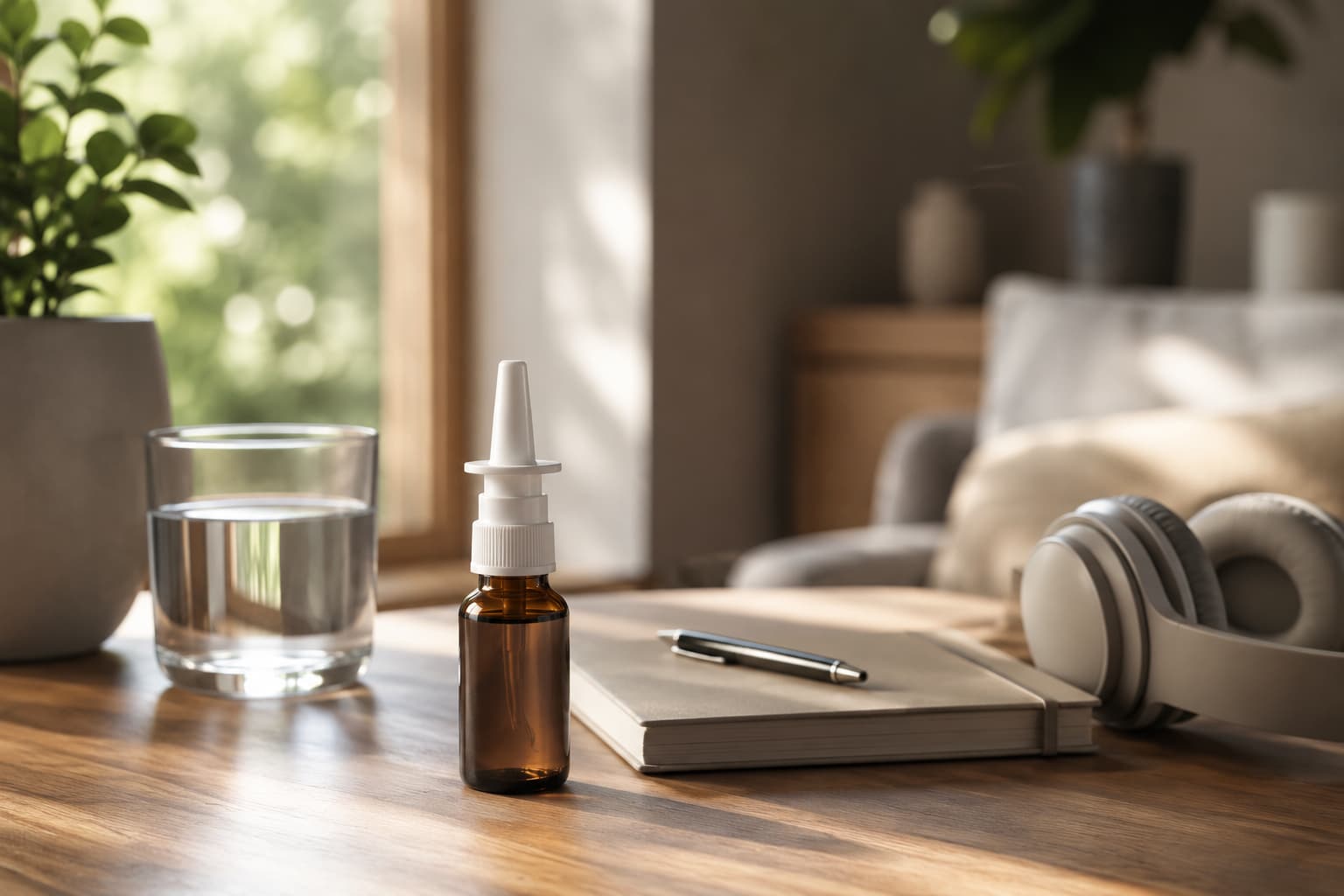
Ketamine nasal spray is one of several ways ketamine can be administered for depression and other conditions. Learn how intranasal ketamine works, potential benefits and risks, treatment costs, safety considerations, and how it compares to Spravato/esketamine.

Is ketamine an opioid? Learn how ketamine differs from opioids, how ketamine therapy works, common medical uses, side effects, and why ketamine is considered a non-opioid treatment option in some settings.
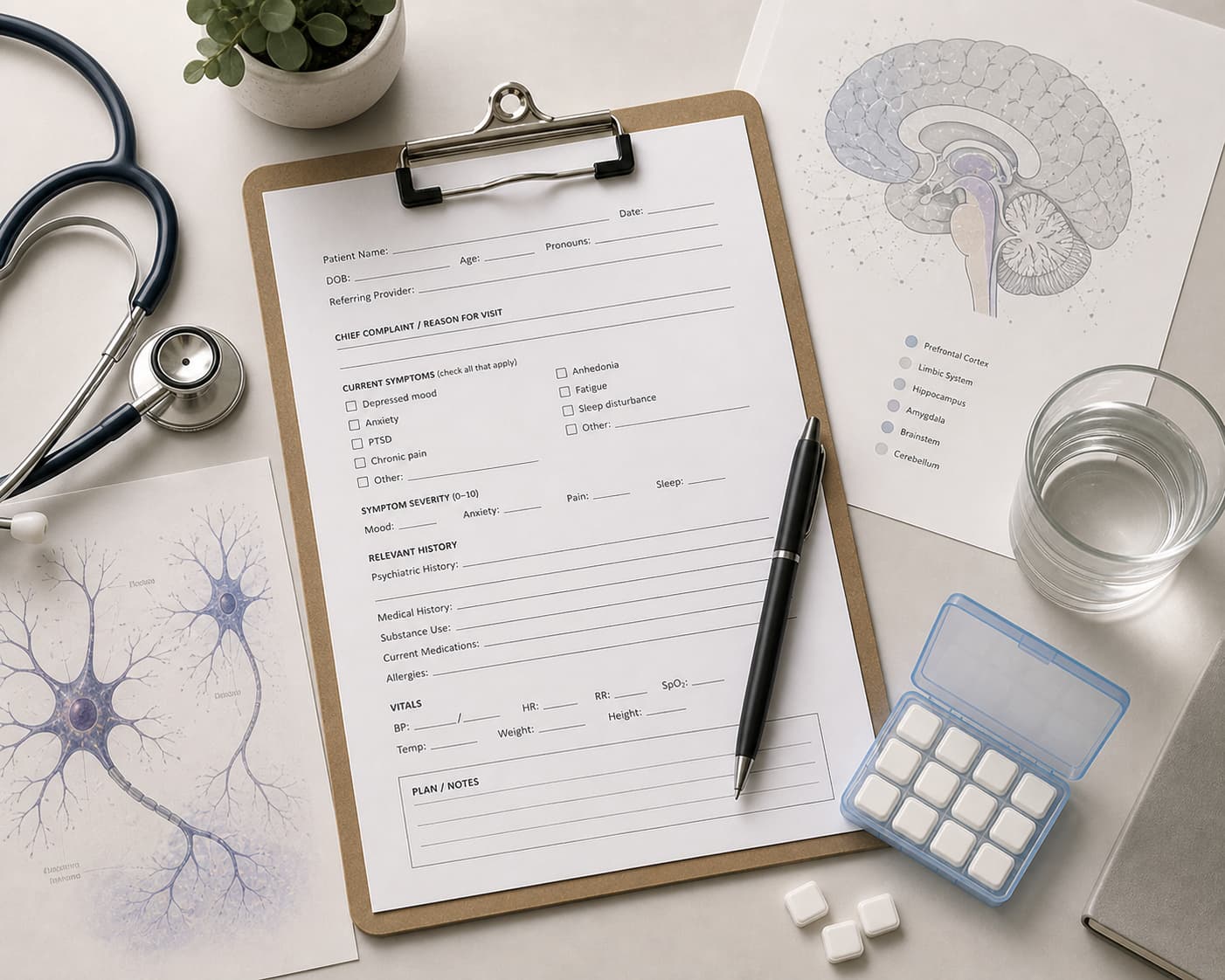
Learn about what is ketamine used for medically and therapeutically, including depression, PTSD, anxiety, chronic pain, anesthesia, ketamine infusions, and nasal ketamine treatment.

At home ketamine therapy offers a more accessible way to receive treatment for depression and anxiety through virtual care and clinician-guided sessions. Safe treatment requires a prescription, proper oversight, and ongoing support.
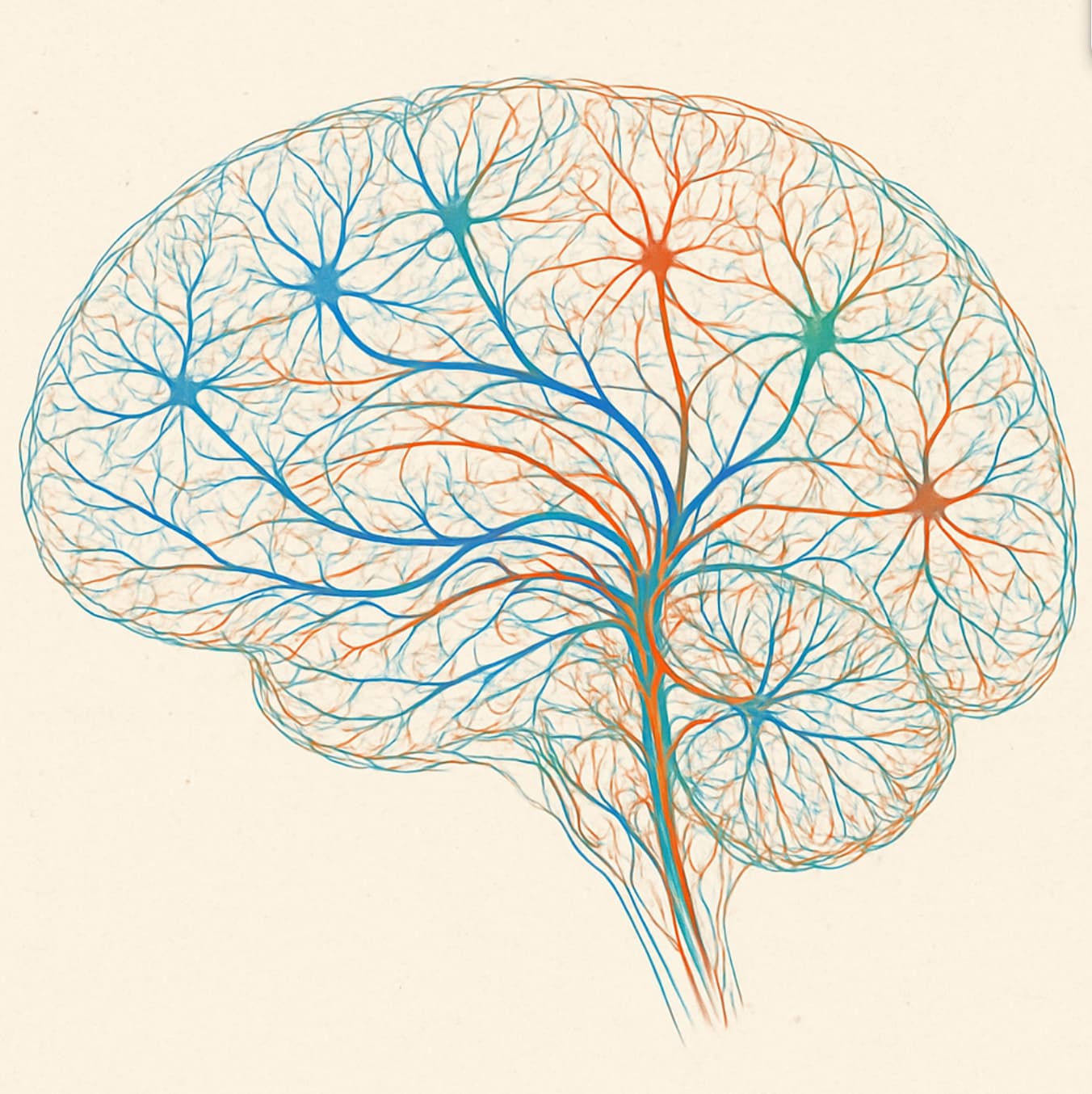
Spravato is an FDA-approved esketamine nasal spray used for treatment-resistant depression, offering a new option when traditional antidepressants are not enough. While it can provide rapid relief for some patients, understanding Spravato side effects is essential before starting treatment.
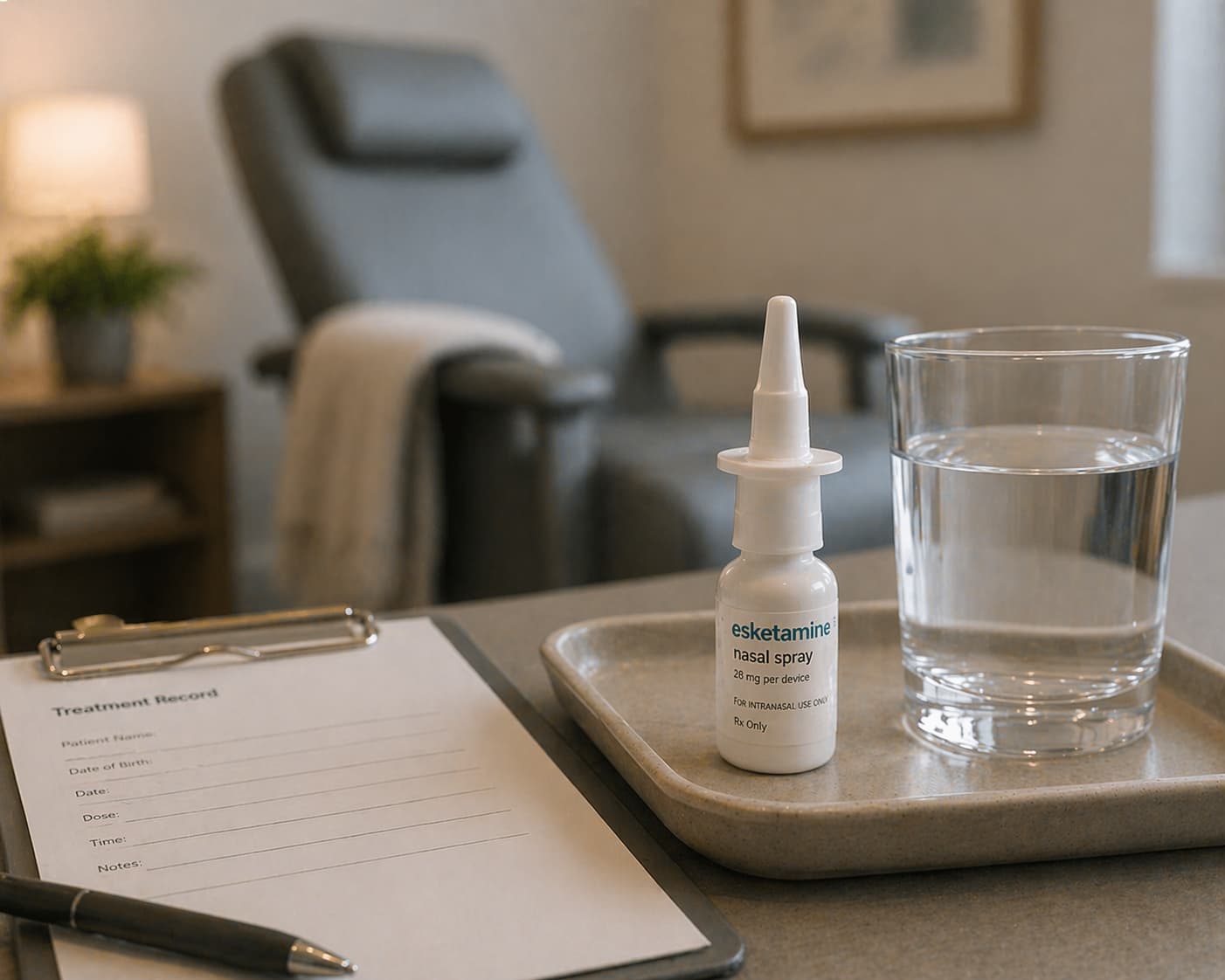
Esketamine is a fast-acting, clinic-based treatment for depression that may help when other options haven’t worked. Delivered as a supervised nasal spray, it works differently from traditional medications and can provide relief more quickly for some people.

Examples of ketamine therapy side effects are dissociation, nausea, and fatigue, but these are usually short-lived and manageable in a clinical setting. With proper supervision and aftercare, treatment can be both safe and effective.

Ketamine for depression is an emerging treatment that can provide rapid relief, especially when other options haven’t worked. By targeting different brain pathways, it offers a new approach to care and is used under medical supervision as part of a personalized treatment plan.
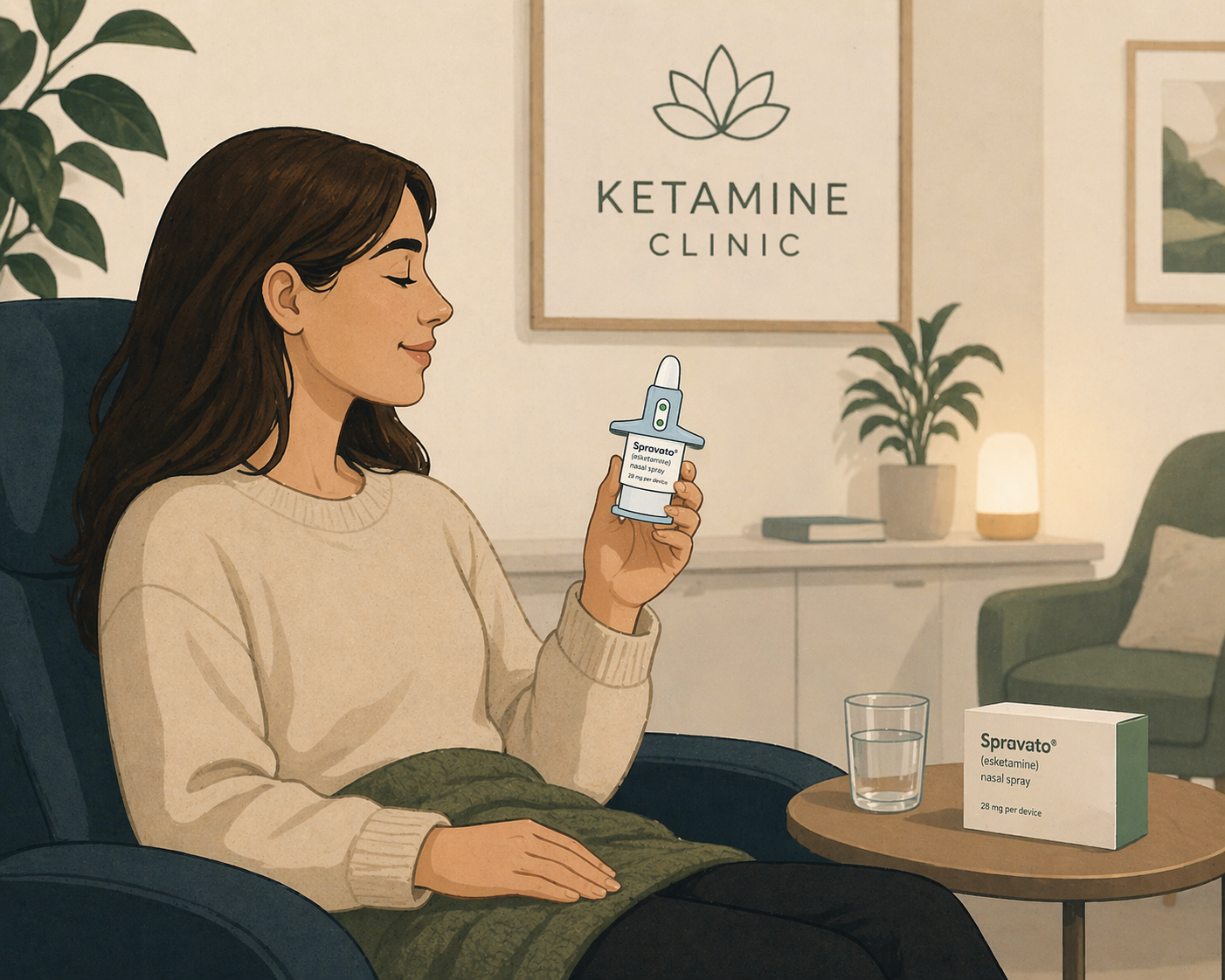
Spravato treatment (esketamine) is a clinic-based treatment for treatment-resistant depression that works differently from traditional antidepressants by targeting the brain’s glutamate system and supporting neuroplasticity. It’s administered as a nasal spray under medical supervision.