
Understanding Ketamine Therapy Cost and Insurance Coverage

Summary
Ketamine therapy costs can vary widely depending on the type of treatment, provider, and number of sessions. IV ketamine infusions typically range from $400–$800 per session and are usually not covered by insurance, meaning most patients pay out of pocket. Insurance coverage for ketamine therapy is inconsistent overall, but Spravato (esketamine), an FDA-approved nasal spray given in a clinic, is often covered when eligibility criteria are met. The best next step is to verify your coverage, compare pricing, and explore payment options. While the cost can feel significant, many people find the potential for fast, meaningful relief makes it a worthwhile investment, especially when paired with the right support and integration.
To learn more about integration and maximizing benefits, explore our resource on ketamine treatment.
Ketamine therapy is gaining attention as a promising treatment for depression and chronic pain. When evaluating ketamine therapy cost and overall ketamine therapy pricing, understanding the numbers can be complex. Many patients also ask about the ketamine infusion therapy price for a single session versus a full series.
Patients often face confusion about what to expect financially. This is especially true when considering insurance coverage and common questions like "does insurance cover ketamine therapy?" or "will insurance cover ketamine therapy?"
The cost of ketamine therapy varies widely. Factors include the type of treatment and the clinic's location, which is why people often search for "ketamine therapy near me cost" or even city-specific examples such as "ketamine therapy Chicago cost." In general, the price of ketamine therapy depends on your plan of care and local market rates.
Insurance coverage for ketamine therapy is inconsistent. Many insurance companies do not cover it due to its off-label use, prompting questions such as "is ketamine covered by insurance?" and "does insurance cover ketamine treatment?" In integrated programs, patients may also ask, "is ketamine assisted therapy covered by insurance?"- the answer depends on the plan and documented medical necessity.
Patients need to verify coverage with their insurance providers. This step is crucial before starting therapy, and it's wise to verify ketamine treatment coverage insurance details in writing.
Understanding the financial aspects of ketamine therapy empowers patients. It helps them make informed decisions about their treatment options and compare ketamine treatment cost across providers.
This article aims to clarify the costs and insurance considerations. It provides insights for both patients and healthcare providers, including ketamine therapy insurance coverage basics and ways to pursue more affordable ketamine therapy when possible.
What Is Ketamine Therapy and Who Can Benefit?
Ketamine therapy is an innovative treatment primarily used for depression and chronic pain. It works by modulating certain neurotransmitters in the brain.
This therapy offers hope for patients where traditional treatments have not succeeded. It's particularly beneficial for those with treatment-resistant depression.
Aside from depression, ketamine therapy can aid in managing chronic pain conditions. It has shown promise in reducing symptoms quickly. For people exploring ketamine for depression cost, prices vary based on dosage, setting, and frequency.
Those who may benefit from ketamine therapy include:
- Individuals with severe depression
- Patients with chronic pain conditions
- Those who haven't responded to standard treatments
Understanding who can benefit from ketamine therapy is crucial. It helps tailor the treatment to meet individual needs.
This treatment can provide relief when other options have failed. As such, it represents a critical component of a comprehensive care strategy.
To learn more about benefits, read our articles: What is Ketamine and What is Ketamine Therapy?
Types of Ketamine Treatments and Their Costs
Ketamine therapy comes in multiple forms, each with varying costs. The most common types include IV infusions, nasal sprays, oral tablets, and at-home treatments.
IV ketamine infusion therapy is often the most expensive option. It involves administering ketamine directly into the bloodstream under medical supervision and drives much of the ketamine infusion therapy cost people research.
Ketamine nasal sprays and oral tablets present a more accessible alternative. These forms are often used for less severe conditions or maintenance and can lower the overall cost of ketamine compared with infusions.
At-home options offer convenience but come with cost considerations. They require careful monitoring to ensure safety and effectiveness, and at home ketamine treatment covered by insurance is uncommon.
Here's a cost comparison:
- IV Infusions: $400 - $800 per session (a typical ketamine infusion cost range)
- Nasal Spray, IM Injections and Oral Troches: Varied, based on dosage and frequency
- Spravato (esketamine): A prescription nasal spray used in a clinical setting for treatment-resistant depression. Unlike many ketamine therapies, Spravato is FDA-approved and often covered by insurance, which can make it a more accessible option for some patients.
Always ask clinics for an itemized quote to understand the ketamine infusion therapy price versus follow-up fees. The costs fluctuate depending on location and clinic specifics. It's vital for patients and providers to discuss these expenses ahead of time, especially when comparing ketamine treatment price across clinics.
Understanding each treatment's cost can aid in choosing the best option. Patients need clarity on pricing to make informed decisions, including how much is ketamine treatment for depression in their area.
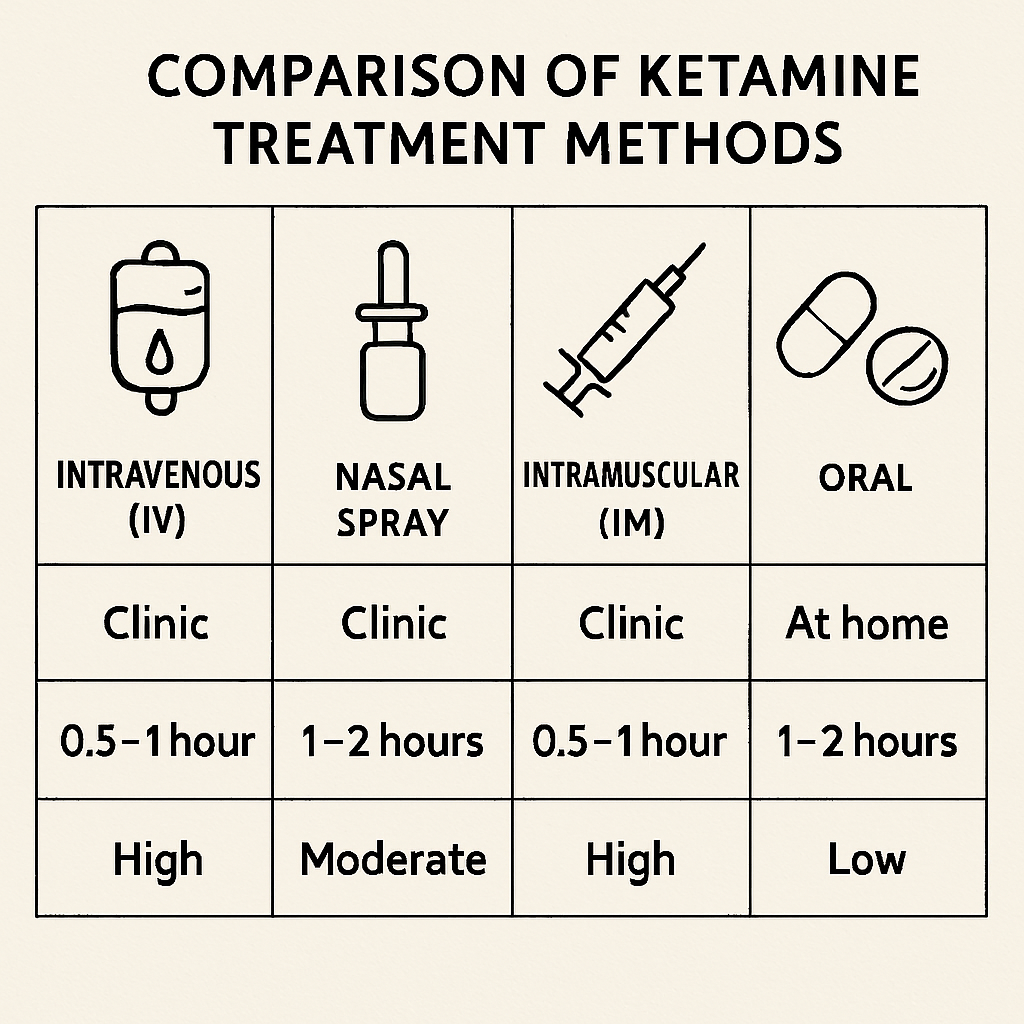
Patients should always verify the specifics of their chosen treatment. This verification helps prevent unforeseen financial burdens.
IV Ketamine Infusion Therapy Price Breakdown
IV ketamine infusions require precision and controlled settings. This approach ensures a high level of safety and effectiveness.
Costs typically range from $400 to $800 per session. These prices reflect the need for skilled personnel and medical equipment and align with many reports of iv ketamine cost. If you're asking how much does iv ketamine cost overall, remember to include consultations and follow-ups.
Many clinics recommend a series of sessions for optimal outcomes. This increases overall treatment costs but enhances therapeutic benefits.
A typical IV ketamine therapy regimen might include:
- Initial Consultation: $100 - $200
- Each Infusion Session: $400 - $800
- Follow-Up Appointments: Variable
Because IV ketamine therapy is typically not covered by insurance, these costs are often paid out of pocket. The cost can accumulate quickly, highlighting the need for financial planning. Patients should discuss these details with their healthcare providers and ask about ketamine session cost for their full protocol. Because IV ketamine therapy is typically not covered by insurance, these costs are often paid out of pocket.
Understanding the financial commitment is key to managing treatment expectations. Proper budgeting enables patients to complete their therapy successfully.
Other Forms: Nasal Spray and Oral Ketamine
Alternative ketamine forms offer different benefits and prices. Some nasal spray options exist, but not all are self-administered. For example, Spravato (esketamine) is given in a clinical setting under supervision, not at home.
The cost of nasal spray ketamine varies widely depending on the type (compounded nasal ketamine vs esketamine nasal spray), setting, dosage, and frequency of treatment.
Oral ketamine troches might be more affordable initially. However, their efficacy can differ from infusions and may change the overall ketamine treatment costs.
At-home ketamine treatments offer the ultimate convenience. But they often lack insurance coverage, increasing out-of-pocket expenses.
Here's a breakdown of costs:
- Nasal Spray or Spravato: Costs vary depending on eligibility
- Oral Troches: Lower initial expense\
Each treatment method serves a specific need, and costs reflect accessibility and convenience. Patients often compare ketamine treatment for depression cost across delivery methods to balance price and outcomes.
Patients should weigh these options carefully, considering personal circumstances. Consulting with healthcare professionals can clarify which method best suits their needs.
Choosing the right treatment involves balancing cost, convenience, and effectiveness. Understanding these aspects ensures an informed treatment journey.
Typical Ketamine Therapy Cost Comparison
Does Insurance Cover Ketamine Therapy?
Navigating insurance coverage for ketamine therapy can be challenging. Many insurers remain hesitant due to its off-label use, leading to questions like "will insurance cover ketamine?" and "is ketamine treatment covered by insurance?"
Currently, insurance coverage is inconsistent across providers and plans and will differ based on the method of administration. This inconsistency arises primarily because the FDA has not fully approved all uses of ketamine.
Patients often find that insurance does not cover ketamine therapy. Coverage, if available, may require extensive documentation and prior authorization, especially for cases related to ketamine therapy insurance.
Considerations when seeking insurance coverage:
- Document Medical Necessity: A strong case improves coverage chances.
- Prior Authorization: Critical for insurer approval before treatment.
- Plan Details: Coverage varies; check specifics of personal insurance plans.
Some insurers might cover therapy if it's deemed medically necessary. However, patients should be prepared for out-of-pocket expenses regardless. For infusions, you may need to ask specifically if ketamine infusion therapy cost is reimbursable or if an is ketamine infusion covered by insurance exception applies.
Others may not recognize the treatment due to its classification and novel approach. Thus, ensuring clarity in communication with insurers is crucial. In some cases, patients also inquire, "how to get ketamine treatment covered by insurance" or "how to get ketamine therapy covered by insurance"---your provider team can help prepare the required documents.
In most cases, IV ketamine infusions are not covered by insurance due to their off-label use, so patients should plan for out-of-pocket costs.
It’s worth noting that Spravato (esketamine), a nasal spray derived from ketamine, is FDA-approved for certain types of depression and is often covered by insurance when medical criteria are met. Because it’s approved and administered in a clinical setting, coverage is typically more consistent than with off-label ketamine treatments. If cost is a concern, asking your provider whether you’re a candidate for Spravato can be a helpful next step.
Ultimately, understanding potential coverage can help manage financial expectations. Knowing this allows informed decisions about proceeding with therapy and whether any ketamine therapy covered by insurance pathways exist in your plan.
What Insurance Companies Cover Ketamine?
Discovering which insurance companies cover ketamine requires research. Coverage varies widely based on company policies and plan specifics, so patients search for what insurance companies cover ketamine and often compare notes with providers.
Several companies may offer some level of coverage. Still, this often involves navigating complex requirements. Review ketamine insurance language in your policy to see how the plan classifies infusions, monitoring, and adjunct psychotherapy.
Here are steps to identify potential coverage:
- Contact Insurers Directly: Reach out for detailed plan information.
- Research Online: Company websites may list covered services.
- Consult Healthcare Providers: They might have insights on insurers familiar with ketamine therapy.
How to Verify Ketamine Treatment Coverage With Insurance
Patients should proactively engage with their insurance providers. This engagement ensures they have the latest information on coverage options for ketamine insurance questions.
Understanding insurance variations helps in planning for possible financial commitments. Preparation is key in managing expectations and reducing stress.
Verifying ketamine treatment coverage involves several steps. Initial steps include contacting your insurance company directly.
Ask specific questions to ensure full understanding of your coverage. Confirm terms such as copays, deductibles, and necessary documentation.
Here's how to verify your coverage:
Step 1: Gather Insurance Information
Before contacting your insurance company, have your insurance card, policy number, and any information about your planned ketamine treatment readily available. It’s also helpful to know the name of your healthcare provider or clinic, as well as whether they are in-network or out-of-network. Having this information prepared can make the conversation faster and help you get more accurate answers.
Step 2: Speak with a Representative
When you call your insurance representative, be prepared with these specific questions:
- Does my plan cover CPT codes 99204/99214 (for evaluation) and 96372 (for therapeutic injection) in an outpatient mental health setting?
- Is Spravato® (esketamine) on my plan's formulary, and what are the specific criteria for prior authorization?
- Do I have out-of-network benefits, and if so, what is the process for submitting a superbill for reimbursement?
- What is my out-of-network deductible, and how much of it has been met this year?
Step 3: Request Written Confirmation
Before ending the call, ask for written confirmation of your coverage details whenever possible. Request a reference number for the conversation, along with any information about copays, deductibles, prior authorization requirements, or reimbursement policies. Keeping a record of these details can help prevent misunderstandings and make it easier to resolve any coverage issues later.
Step 4: Ask About Alternative Coverage Options
If ketamine treatment isn’t covered under your plan, ask whether there are other options available. Your insurance representative may be able to explain out-of-network benefits, reimbursement through a superbill, prior authorization requirements, or coverage for FDA-approved esketamine (Spravato®) if appropriate. Understanding all of your options can help you make a more informed financial decision before starting treatment.
Healthcare providers can often assist with this process, offering expertise and guidance. They may provide the necessary documentation to strengthen coverage claims and show medical necessity for ketamine therapy insurance coverage.
Don't hesitate to reach out multiple times for clarification if needed. Persistence can be crucial in uncovering all potential coverage opportunities, including how to get ketamine treatment covered by insurance or how to get ketamine therapy covered by insurance when criteria are met.
Out-of-Pocket Costs: What to Expect
Patients should be prepared for the possibility of out-of-pocket expenses. This often occurs if insurance doesn't cover ketamine therapy or only partially covers it.
The cost for a single ketamine infusion typically ranges from $400 to $800. Variations depend on clinic location and treatment type. This range is a common reference point for ketamine infusion price estimates. For some patients, FDA-approved options like Spravato may offer a pathway to insurance coverage, depending on eligibility.
Key factors influencing out-of-pocket costs:
- Number of Sessions: Multiple treatments are usually needed.
- Clinic Pricing: Rates vary by facility and region.
- Additional Fees: Follow-up visits or consultations may incur extra costs.
If you're asking how much is ketamine treatment for depression, remember to account for the full course of care, not just a single visit. Comparing ketamine treatment price quotes and asking about ketamine therapy cost near me can also help you budget.
Understanding these factors can help patients budget effectively. It allows them to anticipate financial requirements before committing to therapy. Making informed choices reduces stress and enhances treatment planning.
Financial Assistance and Payment Options
Financial assistance can make ketamine therapy more accessible for many patients. Understanding different payment avenues is crucial for managing costs effectively and finding more affordable ketamine therapy options.
Some clinics offer financing plans or payment installments. This spreads the cost over time, easing immediate financial burdens.
Exploring additional payment options:
- Health Savings Accounts (HSAs): Use pre-tax dollars for medical expenses.
- Personal Loans: Consider low-interest loans if needed.
- Clinic Discounts: Inquire about available promotions or financial aid.
Patients can also ask clinics about how to pay for ketamine infusions, including package pricing or subscription-style maintenance plans when appropriate.
Investigating these options helps patients align treatment costs with their budget. Patients should discuss these possibilities with their healthcare provider for tailored advice. A proactive approach empowers patients to maintain financial stability while receiving essential care.
The Value of Ketamine Therapy: Weighing Cost Against Benefits
When considering ketamine therapy, it's vital to evaluate its value. Benefits can offset the financial implications, especially for treatment-resistant conditions.
Patients often experience rapid symptom relief. For many, this can significantly enhance their quality of life. The therapy might offer hope where others have failed.
Factors influencing the value of therapy:
- Potential improvement in daily functioning
- Reduction in symptoms of depression or chronic pain
- Faster relief compared to traditional treatments
Assessing both benefits and costs helps patients and providers make informed decisions. This holistic view supports a balanced approach to healthcare choices.
Empowering Patients: Mindset, Education, and Support Between Treatments
Empowering patients is crucial for effective ketamine therapy. Fostering a positive mindset can enhance treatment outcomes. Education plays a key role in nurturing this mindset.
Providing resources for emotional resilience and self-regulation is essential. Such tools encourage patients to actively engage in their treatment journeys.
Strategies for patient empowerment:
- Access to educational materials
- Support groups for sharing experiences
- Mindfulness and relaxation techniques
By supporting emotional well-being, healthcare providers ensure that patients feel cared for, not only during treatments but in everyday life too.
Key Takeaways and Next Steps
Understanding ketamine therapy costs and coverage is vital. Patients should consult with providers and insurance before starting treatment. Open communication ensures informed decisions.
Key points to remember:
- Verify insurance coverage early (ask directly: does insurance cover ketamine?)
- Explore financial assistance options to support affordable ketamine therapy
- Prioritize mindset and emotional support
By staying informed and engaged, patients can maximize the benefits of their ketamine therapy and improve their quality of life.
Frequently Asked Questions about Ketamine Therapy Cost and Insurance Coverage
In most cases, IV ketamine therapy is not covered by insurance due to its off-label use. While rare exceptions or partial reimbursements may exist, most patients should expect to pay out of pocket.
Ketamine therapy is often not covered because many of its mental health uses are considered “off-label,” meaning they are not fully FDA-approved for those specific conditions. Insurance companies typically prioritize treatments with standardized approval and long-term data, which leads to inconsistent coverage for ketamine. However, some FDA-approved options like Spravato (esketamine) may be covered when medical criteria are met.
You can reduce ketamine therapy costs by comparing clinics, asking for package pricing, and exploring financial options like payment plans, HSAs, or clinic discounts. Some patients also work with providers to submit prior authorization or medical necessity documentation to insurance. Choosing the right treatment format, such as nasal spray vs IV infusions, can also impact overall affordability.
Budget for the full course of care, not just a single session-IV infusions often run $400-$800 each, plus consultations and follow-ups. Compare clinic pricing in your area, ask about package rates, and explore financing options. Many patients use tools like HSAs, clinic payment plans, personal loans, or clinic discounts to spread or reduce costs.
The total cost of ketamine therapy depends on the treatment type and the number of sessions. Most clinics recommend an initial 'induction series' to achieve the best results, rather than a single treatment. For IV ketamine, a typical induction series of six infusions can range from $2,400 to $4,800 or more. This is in addition to an initial consultation fee (around $150-$400). At-home programs often use a monthly subscription model, which can cost between $250 and $600 per month. Always ask for a complete quote that includes the induction series, consultation, and any required follow-up care to understand the full financial commitment.
Yes, many patients use Health Savings Accounts (HSA) or Flexible Spending Accounts (FSA) to pay for ketamine therapy with pre-tax dollars. Since ketamine is a medical expense prescribed by a licensed professional, it is typically a qualified expense. Additionally, even if your insurance doesn't cover the treatment directly, you can ask your clinic for a 'superbill.' This is a detailed invoice that you can submit to your insurance company for potential out-of-network reimbursement. Reimbursement is not guaranteed, but it is an option worth exploring.
Insurance coverage is highly variable. Most IV, IM, and at-home ketamine treatments are not covered because they are considered 'off-label' for mental health conditions. However, there is one major exception: Spravato® (esketamine). As an FDA-approved medication for treatment-resistant depression, Spravato is often covered by insurance, provided you meet specific criteria. This typically involves:
- Prior Authorization: Your doctor must submit documentation to the insurance company for approval before you start.
- Medical Necessity: You usually must prove you have tried and failed at least two other antidepressant medications.
For other forms of ketamine, you may be able to get partial reimbursement by submitting a 'superbill' to your insurer, but you should expect to pay the full cost upfront.
Start by gathering your policy details, then speak directly with an insurance representative to confirm what's covered, required copays/deductibles, and documentation needs. Ask specifically about ketamine infusions and whether exceptions or prior authorization apply. Request written confirmation of any coverage decisions, and involve your healthcare provider to supply medical-necessity documentation. Persistence and clear, specific questions can uncover potential coverage.
IV ketamine infusions are usually the most expensive, typically $400–$800 per session, and are often not covered by insurance. Nasal spray options like Spravato (esketamine) may be more affordable for some patients because they are often covered by insurance, but they must be administered in a clinical setting. Oral or at-home options may have lower upfront costs, but coverage is less common and support can vary. The best option depends on your budget, treatment goals, and the level of medical supervision you need.
The price per session is not the only expense to consider. Be sure to budget for the full scope of care, which often includes:
- Initial Consultation: A required medical and psychological evaluation before starting treatment, typically costing $150 - $400.
- Integration Therapy: Follow-up sessions with a therapist to process your experiences and integrate insights into your daily life. These are crucial for long-term success and are often billed separately.
- Maintenance Sessions: After the initial series, many patients require periodic booster infusions or sessions to maintain the benefits, which should be factored into long-term costs.
- Lab Work: Some clinics may require initial blood tests or other lab work before beginning treatment.
For individuals with treatment-resistant depression, the value of ketamine therapy often extends beyond the initial price tag. While the upfront investment is significant, many find it worthwhile by considering the long-term benefits. A successful treatment can lead to:
- Improved Functioning: Regaining the ability to work, engage in relationships, and enjoy daily life.
- Reduced Long-Term Costs: Potentially decreasing expenses related to other medications, frequent therapy sessions, or even hospitalizations.
- Rapid Relief: Unlike traditional antidepressants that can take weeks or months to work, ketamine can provide relief within hours or days, which can be invaluable for someone in severe distress.
Ultimately, the decision is personal and should be made by weighing the potential for profound life improvement against the financial cost.

Ketamine nasal spray is one of several ways ketamine can be administered for depression and other conditions. Learn how intranasal ketamine works, potential benefits and risks, treatment costs, safety considerations, and how it compares to Spravato/esketamine.

Is ketamine an opioid? Learn how ketamine differs from opioids, how ketamine therapy works, common medical uses, side effects, and why ketamine is considered a non-opioid treatment option in some settings.
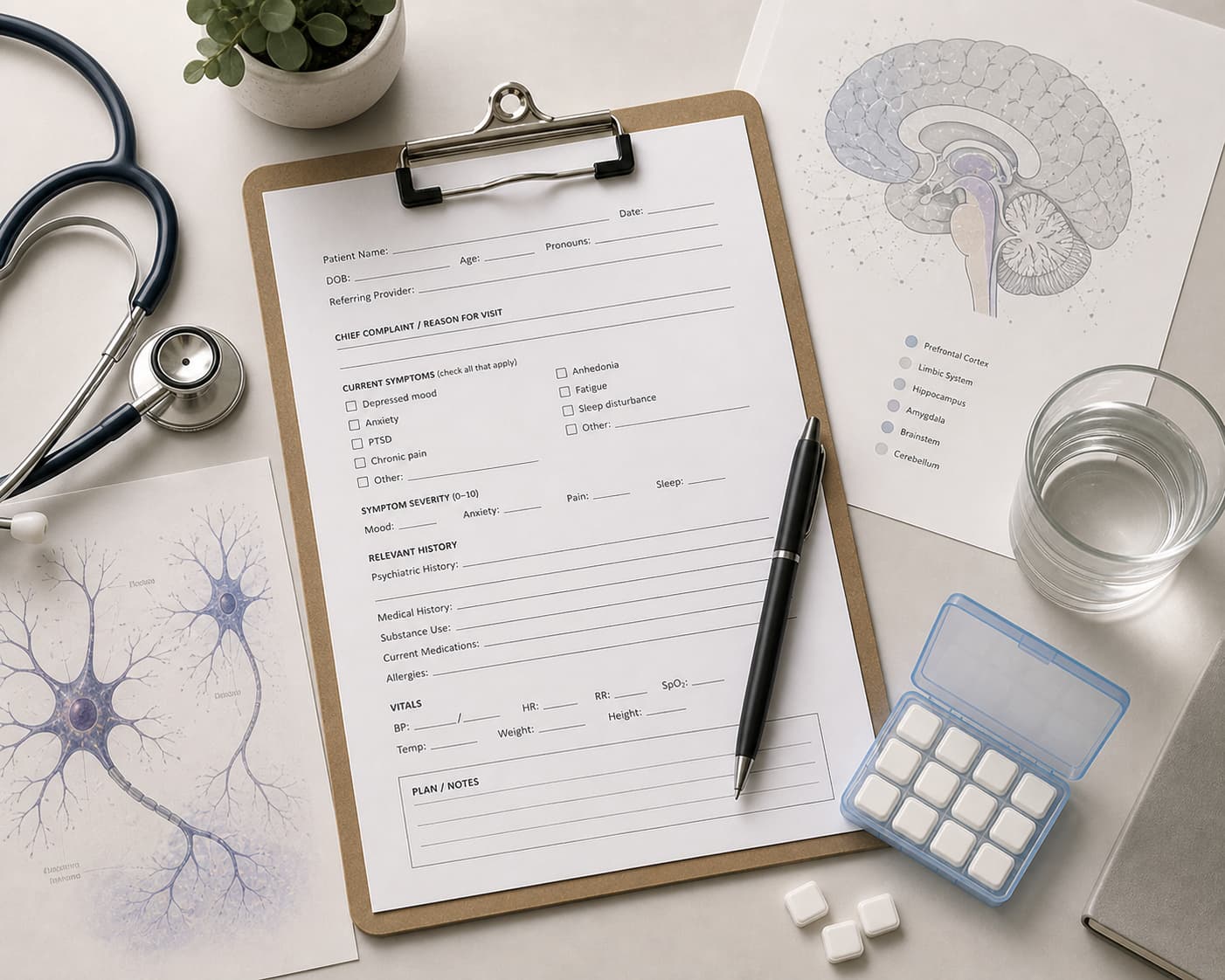
Learn about what is ketamine used for medically and therapeutically, including depression, PTSD, anxiety, chronic pain, anesthesia, ketamine infusions, and nasal ketamine treatment.

At home ketamine therapy offers a more accessible way to receive treatment for depression and anxiety through virtual care and clinician-guided sessions. Safe treatment requires a prescription, proper oversight, and ongoing support.

Spravato is an FDA-approved esketamine nasal spray used for treatment-resistant depression, offering a new option when traditional antidepressants are not enough. While it can provide rapid relief for some patients, understanding Spravato side effects is essential before starting treatment.
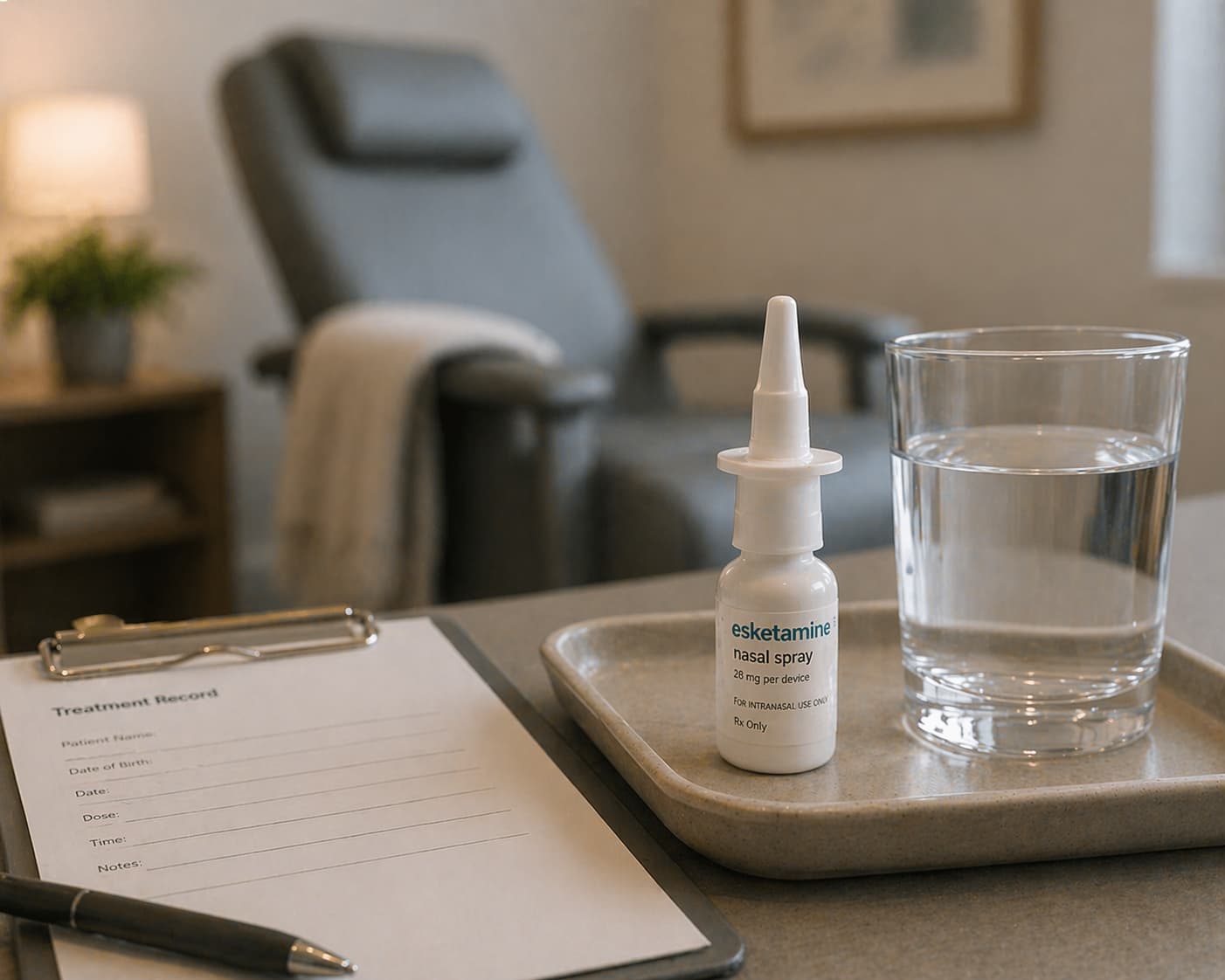
Esketamine is a fast-acting, clinic-based treatment for depression that may help when other options haven’t worked. Delivered as a supervised nasal spray, it works differently from traditional medications and can provide relief more quickly for some people.

Examples of ketamine therapy side effects are dissociation, nausea, and fatigue, but these are usually short-lived and manageable in a clinical setting. With proper supervision and aftercare, treatment can be both safe and effective.

Ketamine for depression is an emerging treatment that can provide rapid relief, especially when other options haven’t worked. By targeting different brain pathways, it offers a new approach to care and is used under medical supervision as part of a personalized treatment plan.

Spravato treatment (esketamine) is a clinic-based treatment for treatment-resistant depression that works differently from traditional antidepressants by targeting the brain’s glutamate system and supporting neuroplasticity. It’s administered as a nasal spray under medical supervision.