

Letting Go Microdose | Release What No Longer Serves You

The Art of Letting Go
Letting Go is the sixth step in your metacognitive journey. It’s not about forgetting—it’s about clearing space for clarity, healing, and renewal. In this guided visualization, you’ll release mental and emotional baggage that weighs you down, and open up room for peace and new patterns to emerge.Prompt: What are you holding onto that no longer serves you? Imagine setting it down gently.
How Letting Go Supports Your Well-Being
Let go of what’s no longer aligned and create space for clarity, lightness, and renewed self-trust.

Stress Relief: Guided visualization helps release stress stored in the body, allowing for a lighter, more open state of being.
Emotional Freedom: Let go of lingering grief, resentment, or guilt—reclaim your emotional bandwidth.
Cognitive Clarity: By clearing mental clutter, you create space for clarity, creativity, and renewed focus.
Smoother Transitions: Whether you're in a life shift or healing season, this Microdose supports inner adaptation and flow.

The Philosophy Behind Letting Go
Letting Go activates the metacognitive process of re-evaluation. It invites you to witness your attachments—not as failures or flaws—but as imprints ready to evolve. In this visualization, you’ll use metaphor, imagery, and breath to release them.You might see the thing you’re letting go of as a balloon, a cloud, or a heavy stone. You’ll watch it drift, float, or dissolve, and with it, experience a release in the body and mind.Letting go isn’t passive. It’s a practice of courageous surrender—and in that surrender, healing accelerates.
Prompt: If your thoughts or emotions had a shape or texture, what would they look like? What happens as you watch them leave?
Practicing Letting Go: Tools & Techniques
These techniques help you visualize the release of internal weight, reclaim space, and reinforce your boundaries with intention.
Learn to construct and release visual representations of burdens through imagery like smoke, sand, light, or nature-based metaphors.
Use grounding techniques and breath to bring your attention inward and create a safe, neutral space for release.
Once something is released, the visualization guides you to reinforce and protect the space you've reclaimed—with light, energy, or intention.
Prompt: After releasing something, visualize what you want to replace it with. Is it peace, clarity, or spaciousness?

Daily Practices for Letting Go
Play with these core techniques in your daily life to help you build a lasting sense of balance and clarity:

Breathing Exercise
Inhale peace, exhale tension. With each breath, visualize a wisp of worry leaving your body. Repeat for 5 minutes daily.

Nature Connection
Take a walk. Watch leaves fall or waves retreat. Mirror nature’s rhythm of release and return.

Art as Alchemy
Draw what you're ready to release. Then alter it—cross it out, paint over it, tear it. Create a new image that symbolizes what's next.
Letting Go Affirmations
Use these mantras during and after your session:
"I release what I no longer need."
"I am safe to let go."
"With every breath, I become lighter."
Prompt: Choose one affirmation and say it aloud three times. Where do you feel it in your body?

Expand Your Metacognitive Abilities: Microdoses to Explore Next
After Letting Go, continue your mindset development with these relevant Microdoses to expand your metacognitive skills.


Macrodoses to Pair with Letting Go
Deep Guided Visualization Sessions


FAQs About Letting Go
Learn how this Microdose helps release emotional weight and restore clarity.
Letting go helps release mental and emotional patterns that drain your energy or block clarity. It creates room for new insight and healing.
No. Letting go acknowledges what was—but chooses not to carry it forward. It’s an act of honoring and release, not avoidance.
The subconscious processes imagery more deeply than language. Visualization makes emotional release tangible and embodied.
You can start by visualizing the idea of letting go. Readiness will follow practice.
Yes. Letting Go is especially helpful during life transitions, emotional overwhelm, or full moon cycles.
Learn About Limitless App
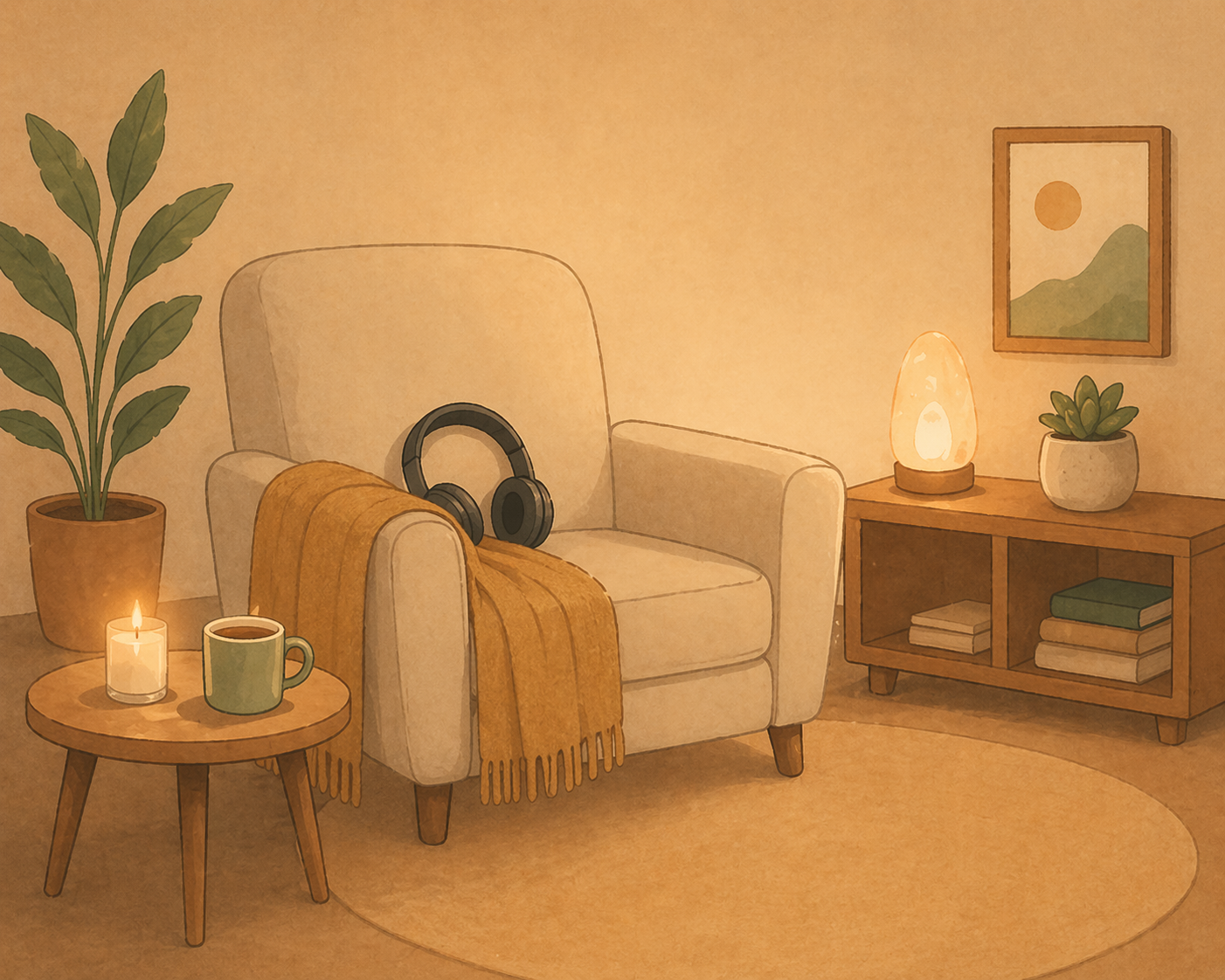
How to Have the Best Ketamine Treatment Experience
Getting the most out of ketamine treatment isn’t about having a perfect experience. It’s about creating the right conditions for your mind and body to feel safe enough to open. That means preparing your mindset, choosing a calm and supportive environment, working with a clinician on the right dose, and prioritizing integration afterward.
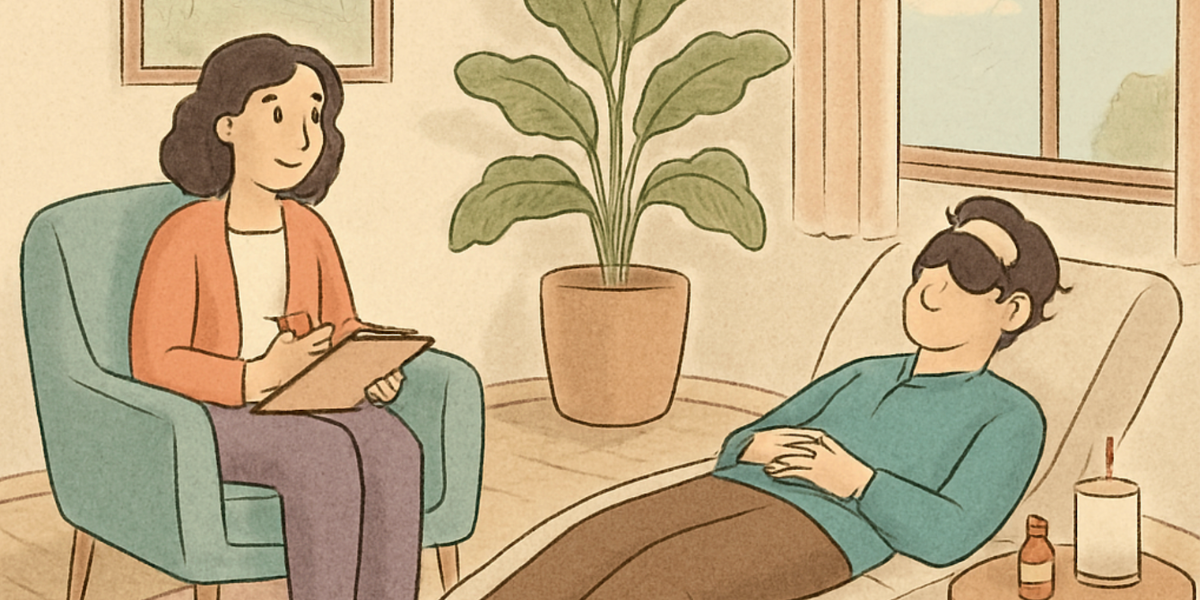
Exploring the Benefits of Ketamine Assisted Psychotherapy
Ketamine assisted psychotherapy (also called KAP therapy or ketamine psychotherapy) pairs medically supervised ketamine with psychotherapy and integration. Traditional psychotherapy relies on talk therapy alone. Both can be helpful-and the best fit depends on your history, goals, and what feels safe for you.

Exploring Safe Microdosing Ketamine at Home
Microdosing ketamine at home involves taking small, controlled doses, often as lozenges, to support mood and anxiety without the intensity of full treatments. While it can offer benefits like improved mood and neuroplasticity, it should always be done with professional guidance, clear safety protocols, and ongoing support.

What Is Ketamine Therapy? Benefits, Uses, and Safety for Anxiety and Depression
This article explains what is ketamine therapy and how it works as a fast-acting treatment for depression and anxiety. You’ll learn how infusions are administered, how quickly relief may happen, and what to expect with safety and side effects.

After Treatment: Ketamine Infusion Therapy Integration
Your ketamine therapy journey does not end when the medicine wears off. The hours and days after your session are a vital part of the process. This guide explains what you may notice after treatment, how to take care of yourself, and how to begin ketamine infusion therapy integration to support lasting change.
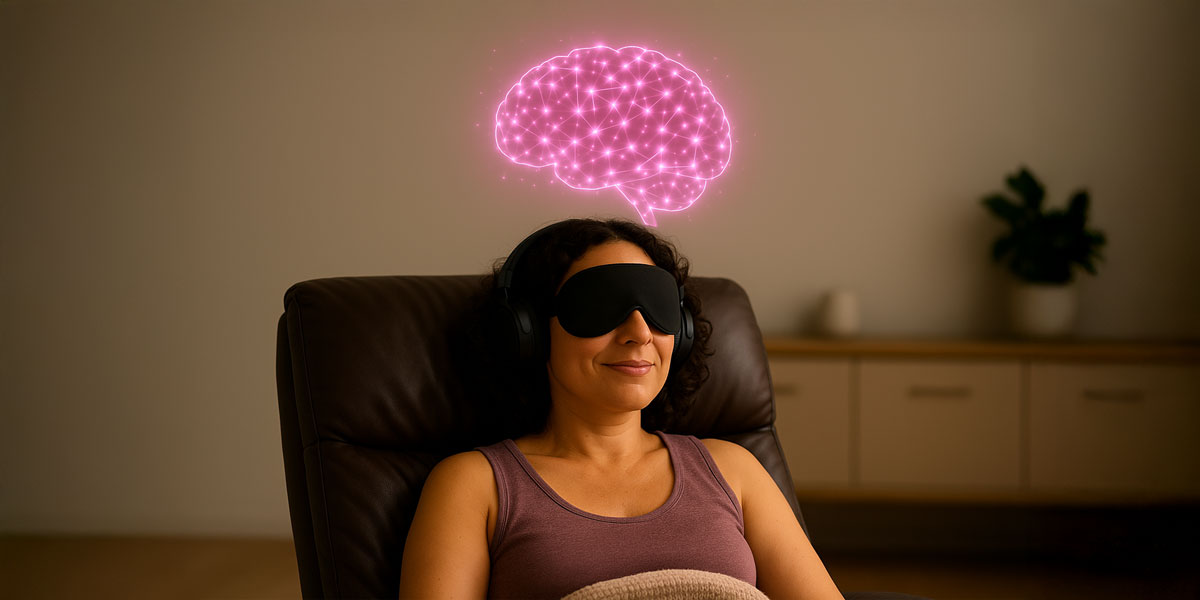
What to Expect During Ketamine Therapy: What Does Ketamine Feel Like
Your first ketamine therapy session can feel unfamiliar, but understanding what does ketamine feel like and what typically happens during treatment can ease nerves and create a sense of calm. This guide walks you through the setting, the process, and what you may experience so you can feel supported and informed as you begin.