
Is Ketamine an Opioid? Ketamine Classification and Uses

Summary
Quick Answer / TL;DR
No, ketamine is not an opioid. Ketamine is classified as a dissociative anesthetic and works differently in the brain than opioid medications. While both ketamine and opioids may be used in medical settings involving pain, they affect different receptors and have different risk profiles. Ketamine is also used in some supervised mental health treatments, including ketamine therapy for depression and PTSD.
Key Takeaways
- Ketamine is not an opioid
- Ketamine mainly affects NMDA receptors and glutamate signaling
- Opioids mainly affect opioid receptors
- Ketamine is used in anesthesia, some pain management settings, and supervised ketamine therapy
- Ketamine and opioids have different dependence and overdose risks
- Ketamine therapy should always involve qualified medical supervision
Introduction to Ketamine and Opioid Misconceptions
Many people search questions like:
- is ketamine an opioid
- is ketamine considered an opioid
- ketamine vs opioids
- is ketamine an opioid drug
The confusion is understandable. Ketamine can be used in some medical settings involving pain, and it is sometimes discussed as part of non-opioid treatment approaches. Because of that, many people assume ketamine belongs to the same category as opioid medications.
But ketamine is not an opioid. Some people also know ketamine by the slang term “Special K,” which typically refers to non-medical or recreational use. Medical ketamine therapy is very different from recreational misuse and should only occur under qualified supervision.
Ketamine belongs to a completely different drug class called dissociative anesthetics. It works differently in the brain, has different medical uses, and carries different risks than opioid medications.
This article explains:
- ketamine classification
- how ketamine works
- ketamine vs opioids
- ketamine therapy uses
- pain management applications
- ketamine side effects
- common opioid misconceptions
What Is Ketamine? A Quick Overview
Ketamine is a dissociative anesthetic medication that has been used in hospitals and emergency medicine since the 1960s. Originally developed for anesthesia during surgery and trauma care, the ketamine drug is still widely used today because it can help manage pain and sedation while preserving breathing and cardiovascular stability better than some other medications.
In recent years, researchers have also studied ketamine for certain mental health and chronic pain conditions. Some supervised treatment programs now use therapeutic ketamine off-label for conditions such as:
- treatment-resistant depression
- PTSD
- anxiety-related symptoms
- chronic pain-related distress
This growing interest in ketamine for chronic pain treatment is one reason many people mistakenly assume ketamine is an opioid. However, ketamine belongs to a completely different drug class and affects the brain differently than opioid medications.
Unlike opioids, which primarily act on opioid receptors, ketamine mainly affects glutamate activity and NMDA receptors involved in pain perception, mood, learning, and brain signaling. This difference is a major reason ketamine is often discussed separately from traditional opioid medications and why some people explore it as part of non-opioid treatment approaches.
Learn more about what is ketamine including the history and chemical composition.
Common Medical Uses of Ketamine
- anesthesia
- emergency medicine
- supervised ketamine therapy
- some pain management settings
- certain treatment-resistant mental health conditions
Ketamine should always be used under medical supervision.
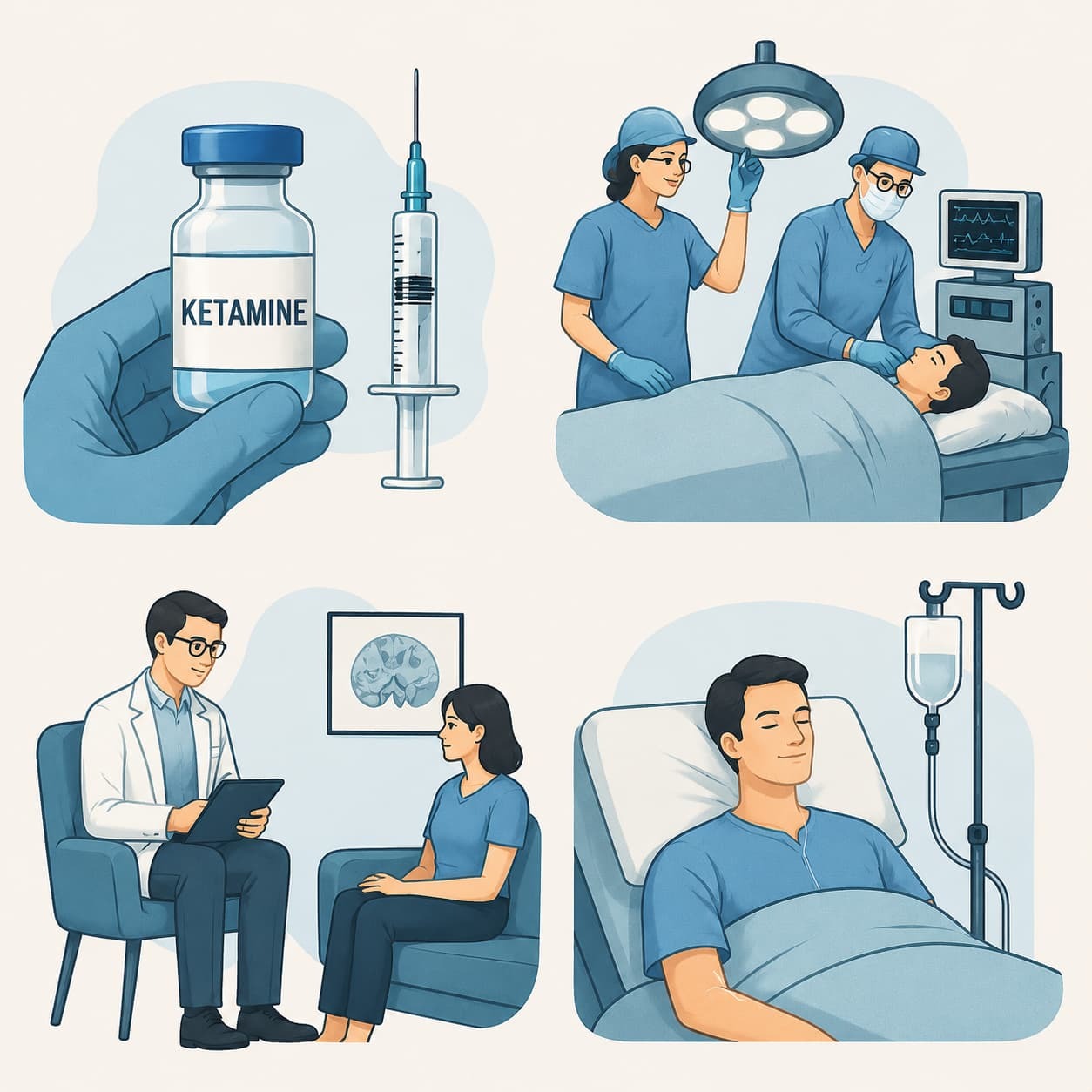
Is Ketamine an Opioid?
No. Ketamine is not an opioid.
Ketamine is classified as a dissociative anesthetic, while opioids are classified as opioid pain medications. Although both may be used in some pain management settings, they affect the brain and body in very different ways.
Ketamine mainly works by affecting NMDA receptors and glutamate signaling, while opioids primarily activate opioid receptors linked to pain relief, breathing, and physical dependence.
These differences affect:
- how the medications work
- overdose risk
- dependence potential
- side effects
- medical uses
- treatment applications
The confusion often comes from the fact that ketamine may sometimes be discussed alongside pain medications or opioid alternatives. However, despite common searches like “is ketamine considered an opioid” or “ketamine opioid classification,” ketamine belongs to a completely different drug class than opioids.
Ketamine vs Opioids
While ketamine and opioids may both be used in medical settings involving pain, they work very differently in the brain and are not part of the same drug class.
How Does Ketamine Work?
Ketamine works differently from most traditional psychiatric medications and pain medications.
Instead of mainly affecting serotonin or opioid receptors, ketamine affects:
- NMDA receptors
- glutamate signaling
- brain communication pathways linked to mood and perception
Researchers are still studying ketamine’s full mechanism of action, but they believe these effects may influence neural connectivity and mood-related brain pathways.
This is one reason ketamine therapy has gained attention in mental health treatment settings.
Why Does Ketamine Feel Different?
Unlike opioids, ketamine can temporarily create altered consciousness states that may affect perception, awareness, and emotional processing.
Many people ask:
- what does ketamine feel like
- what does ketamine do to you
Ketamine can temporarily affect:
- perception
- awareness
- mood
- sensory processing
- emotional reflection
Some people describe ketamine experiences as:
- dream-like
- calming
- dissociative
- introspective
- emotionally reflective
Effects vary widely between individuals and treatment settings.
Why Is Ketamine Important in Mental Health Treatment?
Ketamine therapy has received attention because some individuals report symptom improvement more quickly than traditional antidepressants.
Traditional antidepressants may take weeks to work. Some supervised ketamine therapy protocols may produce symptom changes within hours or days for certain individuals.
Providers may consider ketamine therapy for:
- treatment-resistant depression
- severe depressive symptoms
- PTSD-related symptoms
- anxiety-related symptoms
- chronic pain-related emotional distress
Research is still ongoing, and ketamine is not considered a cure for depression or mental health conditions.
Benefits of Ketamine Therapy
Potential benefits of supervised ketamine therapy may include:
- faster symptom relief for some individuals
- alternative treatment pathways compared to traditional antidepressants
- support for treatment-resistant depression through supervised ketamine therapy for depression protocols.
- increased emotional openness during therapy
- structured clinical monitoring
- possible short-term reduction in depressive symptoms in some settings
Ketamine therapy is not a one-size-fits-all treatment, and responses vary significantly between individuals.
Who Is Ketamine Therapy Best For?
Ketamine therapy may be considered for people who:
- have treatment-resistant depression
- have not responded well to traditional antidepressants
- are working with a qualified mental health provider
- need additional treatment options under supervision
- are exploring non-opioid treatment approaches in certain pain management settings
Eligibility depends on:
- medical history
- psychiatric history
- medications
- cardiovascular health
- provider evaluation
- substance use history
How Limitless Can Support Chronic Pain and Ketamine Therapy
Because ketamine affects perception, nervous system activity, and pain processing differently than opioids, many chronic pain treatments now recognize that pain is not only physical, but also neurological and emotional.
In chronic pain conditions like central sensitization, the nervous system can become stuck in a heightened state of reactivity, amplifying pain signals even after the original injury has healed. Stress, fear, emotional overwhelm, and hypervigilance can all reinforce these pain loops over time.
The Limitless Guided Visualizations app was designed to help support nervous system regulation and healthier pain-related thought patterns during and between ketamine treatments. Many people also use mindfulness, preparation, and integration tools to help maximize ketamine therapy outcomes and create a greater sense of emotional safety during treatment.
Many people use Journey Macrodoses during ketamine therapy to help calm stress responses, reduce fear and tension in the body, and create a greater sense of emotional safety during altered states of consciousness. Between sessions, Mindset Microdoses help reinforce calmer nervous system patterns, emotional regulation, and more supportive ways of relating to chronic pain.
For many people living with chronic pain, healing is not just about reducing symptoms. It is also about helping the nervous system relearn safety, calm, and resilience over time.
Risks and Side Effects of Ketamine
Like any medication, ketamine can cause side effects.
Common ketamine side effects may include:
- dissociation
- dizziness
- nausea
- elevated blood pressure
- temporary sensory changes
- increased heart rate
- fatigue
- anxiety during treatment
Many side effects are temporary and monitored closely during supervised ketamine therapy.
Is Ketamine Addictive?
Ketamine can be misused, which is why medical supervision is important.
Ketamine’s dependence profile differs from opioids, but it is still a controlled substance and should only be used under qualified medical care.
Is Ketamine Safe?
Ketamine may be relatively safe for some individuals when used under proper medical supervision.
Safety protocols often include:
- medical screening
- blood pressure monitoring
- psychiatric evaluation
- medication review
- post-treatment monitoring
Ketamine may not be appropriate for everyone.
Who Should Avoid Ketamine?
Some people may require additional evaluation or may not be appropriate candidates, including individuals with:
- uncontrolled high blood pressure
- certain cardiovascular conditions
- active psychosis
- certain substance use disorders
- specific medical contraindications
Always discuss your medical history openly with a qualified provider.
Ketamine for Pain Management and Non-Opioid Treatment Approaches
Many people researching ketamine are looking for alternatives to traditional opioid pain medications, especially for chronic pain conditions that have not responded well to conventional treatments.
Unlike opioids, ketamine works through different brain pathways involved in pain perception and nervous system signaling. Because of this, some medical providers explore ketamine for pain as part of broader pain management strategies in carefully supervised settings.
Interest in ketamine has also grown among people searching for non-opioid treatment approaches that may support both the physical and emotional aspects of chronic pain. In some cases, chronic pain is closely connected to stress, nervous system dysregulation, anxiety, depression, and trauma-related symptoms.
Research into Ketamine Treatment for Pain Relief is still ongoing, and ketamine is not considered a universal replacement for opioid medications or other pain treatments. Treatment decisions should always be made with qualified medical providers who understand your individual health history, symptoms, and risks.
Ketamine is not a replacement for every pain treatment approach, and treatment decisions should always involve qualified medical providers. You can read how long does ketamine pain relief last for chronic pain treatment expectations.
What Should You Expect During Ketamine Therapy?
Before Treatment
Before starting ketamine therapy, providers usually:
- review medical history
- discuss medications
- evaluate safety considerations
- explain possible ketamine side effects
- discuss treatment expectations
Some people also explore:
- what does ketamine feel like
- what does ketamine do to you before their first session.
During Treatment
Ketamine may be administered through:
- IV infusion
- IM injection
- Spravato treatment aka esketamine nasal spray
- oral lozenges
During treatment, some individuals experience:
- dissociation
- altered perception
- emotional reflection
- dream-like sensations
- changes in awareness
Patients are typically monitored closely throughout the experience.
After Treatment
After ketamine therapy, some people feel:
- tired
- emotionally reflective
- calmer
- mentally sensitive
- temporarily dizzy
Many providers encourage therapy, mindfulness, and ketamine infusion therapy integration practices afterward to help process emotions and experiences between sessions.
How to Compare Ketamine vs. Opioids With Your Healthcare Provider
If you’re living with chronic pain and researching alternatives to opioid medications, these steps can help you have a more informed conversation with your healthcare provider.
Step 1: Explain Your Pain History
Describe your symptoms, how long you’ve been experiencing pain, what treatments you’ve already tried, and how pain affects your daily life. This gives your provider important context when discussing potential treatment options.
Step 2: Ask Whether Ketamine Therapy Is an Appropriate Option
Rather than assuming ketamine is right for you, ask whether it may be appropriate for your specific condition. Your provider can explain if ketamine is supported by evidence for your type of pain and how it compares with other treatment approaches.
Step 3: Discuss the Benefits, Risks, and Alternatives
Ask about the potential benefits, possible side effects, safety considerations, and alternative treatment options. Understanding all of your choices can help you make a more informed decision.
Step 4: Learn What Treatment Would Involve
If ketamine is an option, ask how it is administered, how you’ll be monitored during treatment, what side effects to expect, and what follow-up care is recommended.
Step 5: Understand How Ketamine Therapy Fits Into Your Overall Care Plan
Chronic pain often requires more than one treatment approach. Ask how ketamine might fit alongside physical therapy, behavioral health support, exercise, lifestyle changes, or other strategies that are part of your long-term pain management plan.
Recommended Reading
- Explore what is ketamine therapy and what supervised treatment typically involves.
- Read about what is ketamine used for in mental health, anesthesia, and pain management settings.
- Learn how long do ketamine infusions last and what treatment timelines may look like.
Conclusion
Ketamine is not an opioid. It is a dissociative anesthetic that works through different brain pathways and has different medical uses, effects, and risks than opioid medications.
Today, ketamine is used in anesthesia, some pain management settings, and supervised ketamine therapy for certain mental health conditions. While ketamine may help some individuals under proper medical supervision, it is not a cure-all and should never be approached casually.
If you are exploring ketamine therapy, opioid alternatives, or non-opioid treatment approaches, the best next step is speaking with a qualified provider who can help you understand your options safely and clearly.
Educational Disclaimer:
This article is for educational purposes only and should not be considered medical advice. Ketamine therapy may not be appropriate for everyone. Always consult a qualified healthcare provider before starting or changing any treatment.
Frequently Asked Questions About Ketamine vs Opioids
No, ketamine is classified as a dissociative anesthetic and has been used for decades in surgical and emergency settings for anesthesia and pain relief. Its classification is based on its mechanism of action, which produces a feeling of detachment (dissociation) from oneself and the environment. While it has powerful pain-relieving properties, it is not an opioid and does not work on the opioid receptor system.
The primary difference lies in how they interact with the brain's neurotransmitter systems. Opioids, such as morphine or oxycodone, primarily bind to mu-opioid receptors, which blocks pain signals and can produce feelings of euphoria. Ketamine, on the other hand, is a dissociative anesthetic that works by blocking NMDA (N-methyl-D-aspartate) receptors, which are part of the glutamate system. This action modulates mood and perception, leading to its antidepressant and anesthetic effects. This fundamental difference in mechanism is why their medical uses, side effects, and risk profiles are so distinct.
People often confuse them because both may appear in medical settings involving pain management.
Pain relief does not automatically mean a medication is an opioid. Ketamine affects different brain pathways and does not primarily activate opioid receptors the way opioid medications do.
Yes. Some providers use ketamine for depression in supervised treatment settings, especially for treatment-resistant depression.
This is a subject of ongoing research. While ketamine's primary antidepressant and anesthetic effects come from its action on NMDA receptors in the glutamate system, some studies suggest it may have secondary, complex interactions with the brain's opioid system. However, this does not make it an opioid. Its main mechanism is entirely different, and it does not produce the same effects or risks, such as respiratory depression, that are characteristic of traditional opioid medications.
No, their side effect profiles are very different. Common opioid side effects include drowsiness, constipation, nausea, and the dangerous risk of slowed breathing (respiratory depression). In contrast, the ketamine side effects are typically short-lived and occur during or shortly after treatment. They can include dissociation (a feeling of being disconnected from your body), increased blood pressure and heart rate, dizziness, and nausea. These effects are monitored closely in a clinical setting.
The most important thing is to ensure treatment occurs under strict medical supervision. This involves more than just a prescription. A qualified provider will conduct a thorough initial screening for physical and mental health contraindications. During treatment sessions, they will monitor vital signs like blood pressure and heart rate, provide a safe and controlled environment, and have protocols in place to manage any adverse psychological or physical reactions. Proper care also includes post-treatment support, often called integration, to help you process the experience.

Ketamine nasal spray is one of several ways ketamine can be administered for depression and other conditions. Learn how intranasal ketamine works, potential benefits and risks, treatment costs, safety considerations, and how it compares to Spravato/esketamine.
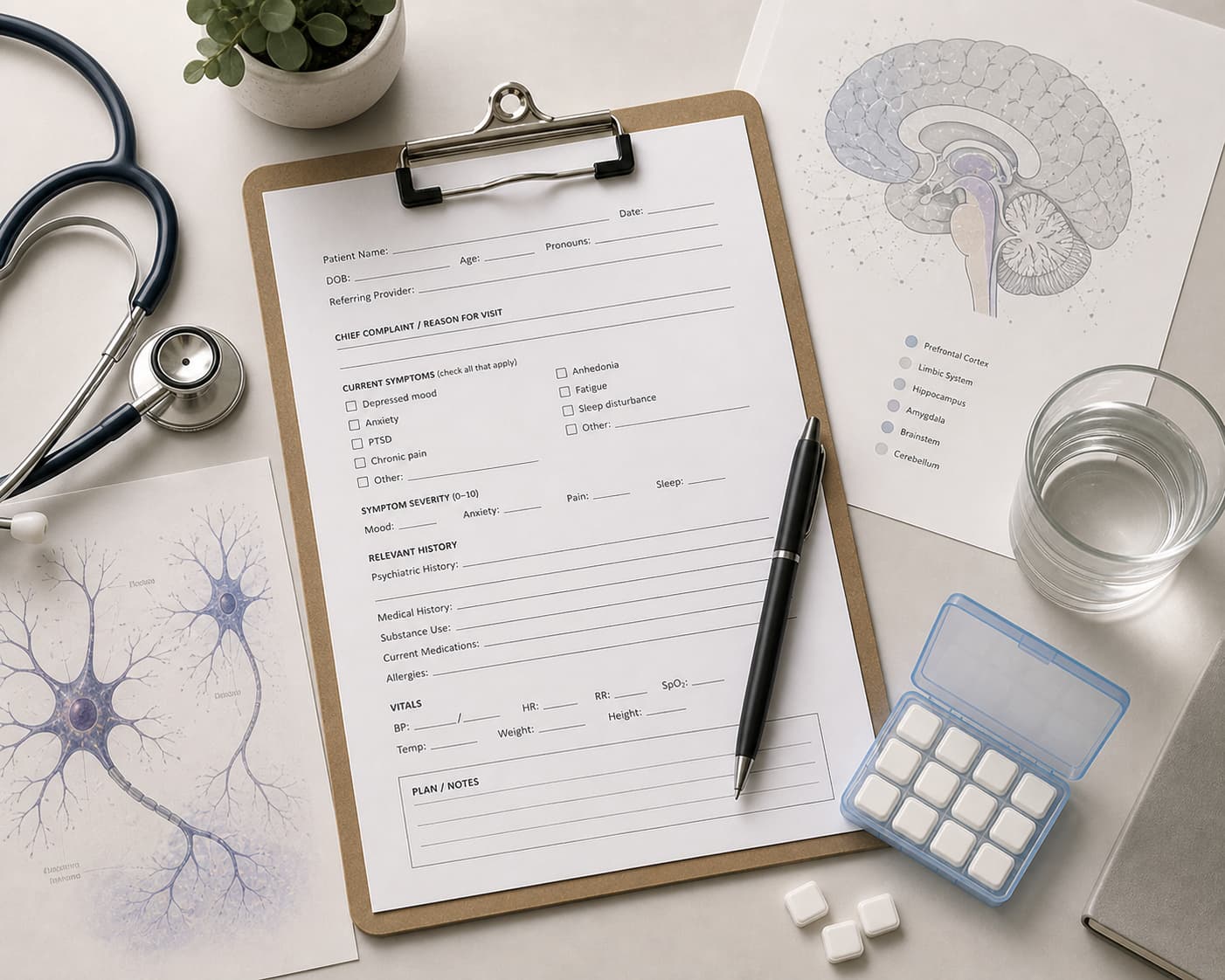
Learn about what is ketamine used for medically and therapeutically, including depression, PTSD, anxiety, chronic pain, anesthesia, ketamine infusions, and nasal ketamine treatment.

At home ketamine therapy offers a more accessible way to receive treatment for depression and anxiety through virtual care and clinician-guided sessions. Safe treatment requires a prescription, proper oversight, and ongoing support.
Spravato is an FDA-approved esketamine nasal spray used for treatment-resistant depression, offering a new option when traditional antidepressants are not enough. While it can provide rapid relief for some patients, understanding Spravato side effects is essential before starting treatment.

Esketamine is a fast-acting, clinic-based treatment for depression that may help when other options haven’t worked. Delivered as a supervised nasal spray, it works differently from traditional medications and can provide relief more quickly for some people.

Examples of ketamine therapy side effects are dissociation, nausea, and fatigue, but these are usually short-lived and manageable in a clinical setting. With proper supervision and aftercare, treatment can be both safe and effective.

Ketamine for depression is an emerging treatment that can provide rapid relief, especially when other options haven’t worked. By targeting different brain pathways, it offers a new approach to care and is used under medical supervision as part of a personalized treatment plan.

Spravato treatment (esketamine) is a clinic-based treatment for treatment-resistant depression that works differently from traditional antidepressants by targeting the brain’s glutamate system and supporting neuroplasticity. It’s administered as a nasal spray under medical supervision.

Ketamine drug is a medically approved dissociative anesthetic now used for treatment-resistant depression and pain. Unlike traditional antidepressants, it works rapidly by targeting the brain’s glutamate system and supporting neuroplasticity, often providing relief within hours.