
Ketamine for Depression: Therapy, Benefits, Risks, and Hope

Summary
Ketamine for depression is an emerging treatment that works differently from traditional antidepressants, offering rapid relief for some people, especially those with treatment-resistant depression. It targets glutamate pathways in the brain, which may help “reset” mood patterns and support new neural connections. While it can reduce symptoms quickly, it’s not a cure and typically works best as part of a broader mental health plan that includes therapy and lifestyle support. Because there are risks and side effects, ketamine should always be used under medical supervision with a personalized treatment approach.
Depression can feel like a heavy cloud that just won’t lift. And when the usual treatments don’t help, it can feel even more discouraging.
For some people, ketamine therapy offers a different path. Originally used as an anesthetic in surgery, ketamine is now being explored as a treatment for depression, especially when other options haven’t worked.
People often turn to ketamine for depression treatment when they’re looking for faster relief or something that works in a new way. While it’s not a first-line treatment, it has become an important option in certain cases of treatment-resistant depression.
People often ask:
- Is ketamine used to treat depression?
- Do doctors prescribe ketamine for depression?
- How does ketamine treatment work?
- Is ketamine safe for depression?
- What does ketamine do for depression?
- Why would someone be prescribed ketamine?
One reason ketamine for treatment resistant depression gets so much attention is speed. Many antidepressants can take weeks. Ketamine may help some people feel better within hours or days. That can matter a lot when symptoms feel unbearable. This kind of rapid relief can offer short-term depression relief when it's urgently needed.
To understand how to get the most out of the benefits for depression, take a look at our resource for ketamine treatment.
In this guide, we'll walk through how ketamine may help depression, what a session can feel like, ketamine therapy explained: how it works, the different types of treatment (including IV ketamine for depression, sometimes called IV for depression), and the risks you should know about. We'll keep it clear, honest, and supportive, because you deserve that.
Understanding Depression - and Why New Options Matter
Depression isn't just "feeling sad." It can affect your sleep, energy, appetite, focus, and relationships. It can also make everyday tasks feel impossible.
Many people improve with therapy, antidepressants, or both. But not everyone does. When depression doesn't improve after trying multiple treatments, it's often called treatment-resistant depression.

That's why people look for other options and ask questions like "why would a doctor prescribe ketamine?" Sometimes it's because time matters. Sometimes it's because nothing else has helped enough. These searches reflect a need for flexible depression treatment choices.
Why ketamine as new treatments can be helpful:
- Faster relief for some people
- Different brain pathway than standard antidepressants
- Another option when side effects or results from other meds are tough
What Is Ketamine? (And Why It's Being Used for Depression)
Ketamine has been used safely in medicine for decades, mainly as an anesthetic. Over time, researchers noticed something unexpected: some patients reported mood improvements after receiving ketamine.
That sparked studies on ketamine for depression. Now, certain clinics offer ketamine therapy for depression, and an FDA-approved nasal spray form (esketamine) is available in supervised medical settings. Below, you'll find ketamine therapy explained in plain language. So, is ketamine used to treat depression? In supervised medical contexts, yes, when carefully evaluated and monitored.
Ketamine for depression is still an evolving area. Researchers are learning more every year, including the best dosing schedules and who benefits most. Ongoing ketamine research explores these questions, and each new ketamine depression study adds to our understanding.
If you want to read more about it’s use, check out our article: What is Ketamine Therapy.
How Does Ketamine Work for Depression?
Ketamine works differently than most antidepressants.
Many antidepressants mainly affect serotonin. Ketamine affects a different system in the brain that involves glutamate, a chemical that helps brain cells communicate.
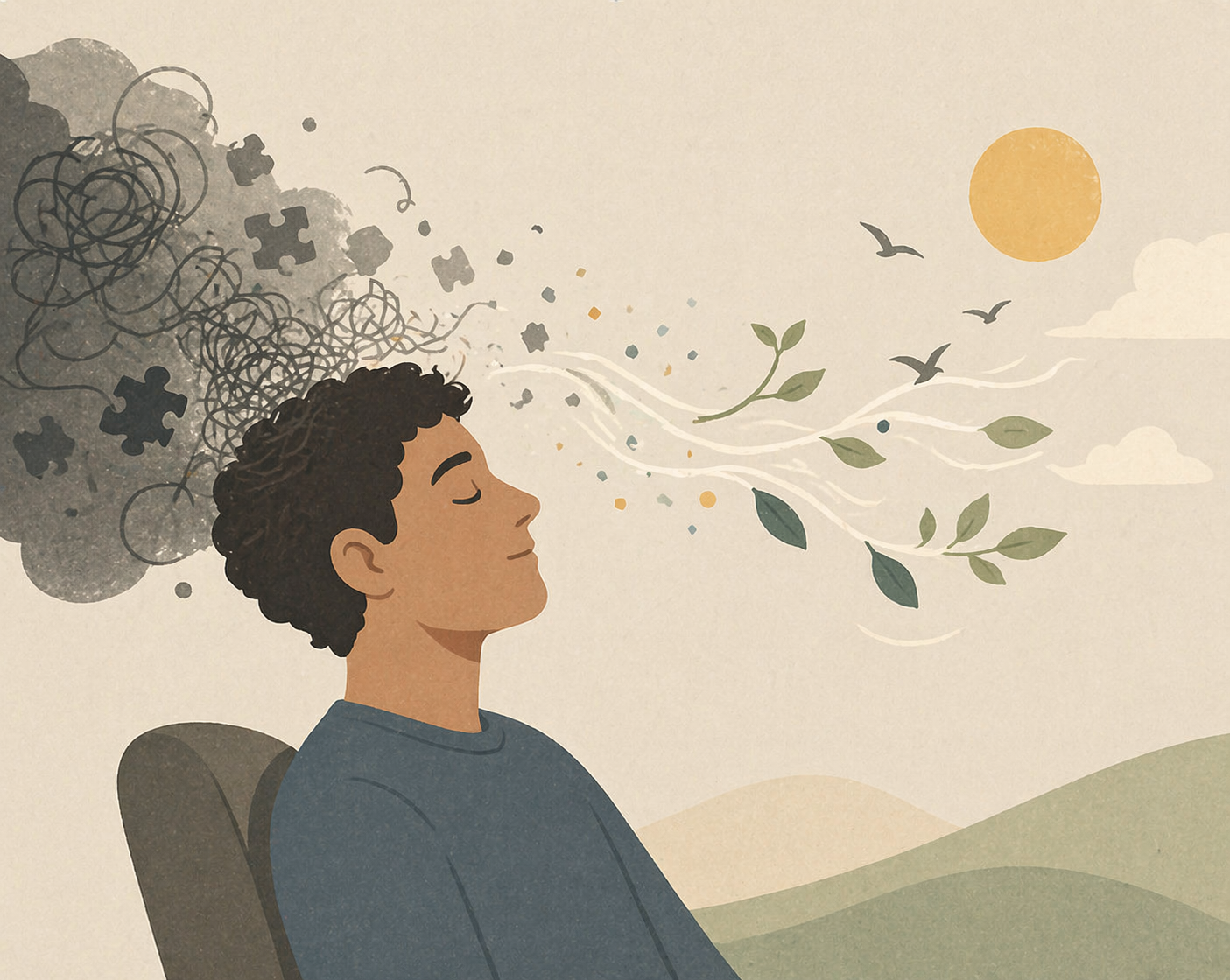
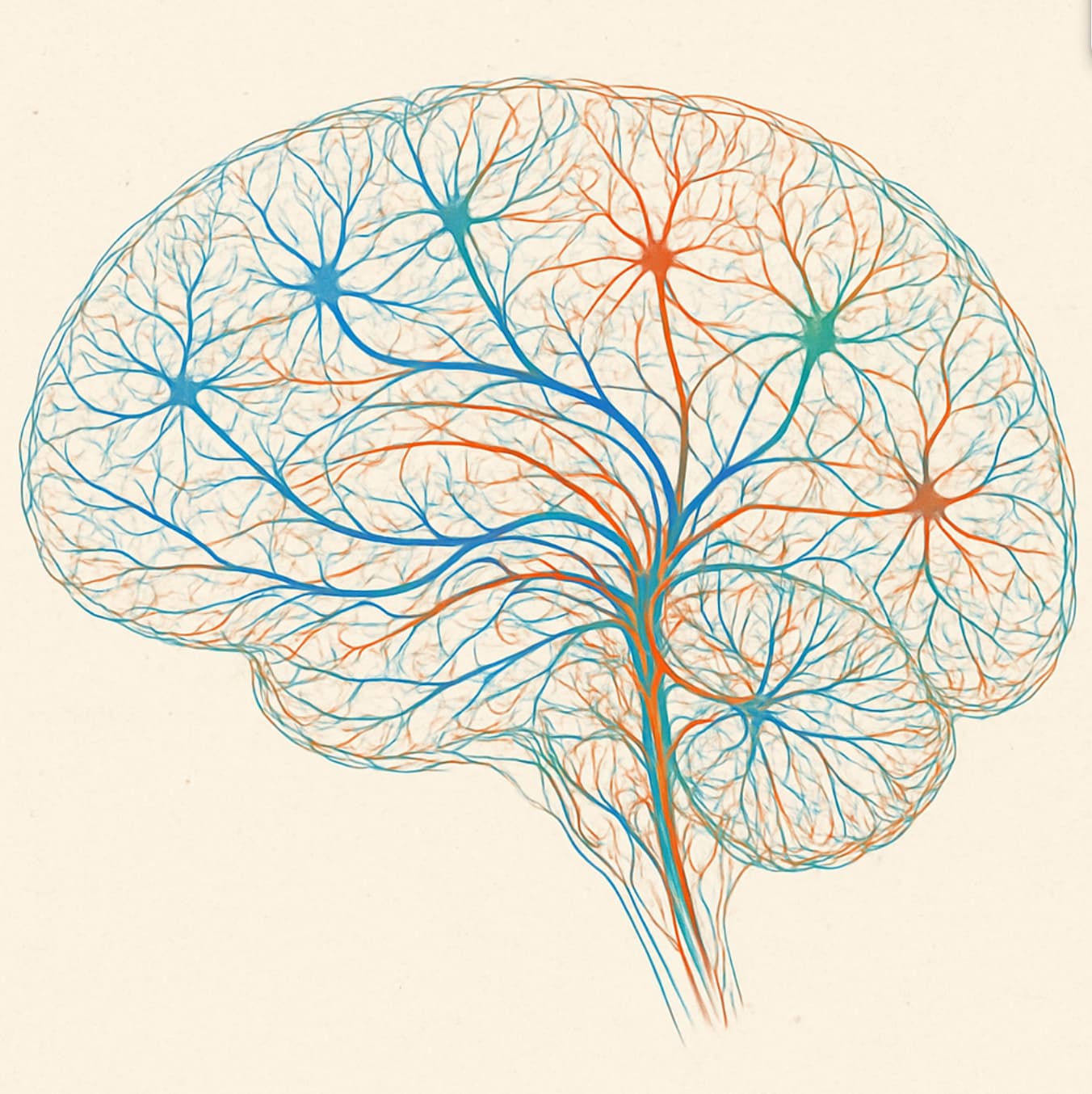
In simple terms, ketamine may help the brain "unstick" from certain patterns. It may also help the brain form new connections, which could support mood improvement. This is part of why people ask, "why does ketamine help depression?" If you're wondering how does ketamine therapy work for depression, think of it as briefly shifting NMDA receptor activity to create a short-term neurotransmitter boost and support synaptic plasticity.
How does ketamine help depression?
Researchers are still studying the details. But the big takeaway is this: ketamine can work fast for some people, and it targets the brain differently than typical antidepressants. Let's dive deeper into ketamine therapy how it works.
Types of Ketamine Therapy: IV, Nasal Spray, and Pills
There are a few ways ketamine may be given. The right option depends on your health history, what's available, and what your clinician recommends.
IV ketamine for depression (ketamine infusion)
This is also called intravenous ketamine for depression or IV treatment for depression. Ketamine is delivered through a vein in a clinic. Some people refer to this approach informally as IV for depression.
Pros:
- dosing is precise
- Effects can start quickly
Cons
- Requires an in-clinic visit and monitoring
Esketamine Nasal Spray (Spravato)
Esketamine aka Spravato is an FDA-approved nasal spray used for certain people with depression under strict medical supervision.
Pros
- No needles
- Supervised dosing in clinic
Cons:
- Availability and insurance coverage can vary
Ketamine troches (lozenges) for depression
Ketamine troches are a form of oral or sublingual ketamine used in some treatment plans, often outside of traditional clinic infusions and always with medical guidance.
Pros:
- Easy to use and non-invasive
- Can be used in a more comfortable, at-home setting (when prescribed)
Cons
- Absorption can be less predictable than IV or nasal forms
- Effects may vary more from session to session
- Still requires careful medical oversight and guidance
Compounded Ketamine Nasal Spray
Compounded ketamine nasal spray is different from Spravato. It typically contains racemic ketamine prepared by a compounding pharmacy and may be prescribed by some providers as part of a broader ketamine treatment plan. Availability varies significantly by provider, state regulations, and prescribing practices.
Pros:
- Non-invasive alternative to IV or injections
- May be more convenient than clinic-based treatments
- Offered by some telehealth and at-home ketamine programs
Cons:
- Not FDA-approved for depression in the same way as Spravato
- Availability is more limited than ketamine troches
- Dosing, monitoring, and treatment protocols vary by provider
- Insurance coverage is often limited
Who Might Benefit? (Treatment-Resistant and Severe Depression)
Ketamine is most talked about for treatment-resistant depression. That means depression that hasn't improved after trying standard options like antidepressants and therapy.
It may also be considered for severe depression, especially when symptoms feel urgent or dangerous. Some research suggests ketamine may reduce suicidal thoughts quickly in certain cases, which is a big reason it's used in supervised settings. Clinicians may consider ketamine therapy for treatment resistant depression or ketamine for severe depression when a faster response is needed. In short, ketamine for treating depression is often explored when other paths haven't helped.
Some people explore ketamine for depression at home through licensed telehealth providers that offer virtual evaluations, prescription-based treatment plans, and follow-up support under medical supervision.
What to Expect: The Ketamine Therapy Experience
Most ketamine care starts with a consultation. Your clinician will review your medical history, current medications, and symptoms. They'll also explain the plan and safety rules. Most clinics use low dose ketamine for depression protocols tailored to your health history and goals.
In some clinical settings, providers may also explore high dose ketamine for depression when symptoms are more severe or when lower-dose approaches have not produced the desired response, although treatment protocols vary based on medical history, safety considerations, and the level of monitoring required.
Sessions are typically done in a clinic with monitoring. That's important, because ketamine can affect blood pressure and perception.
During a session, you might:
- Sit or recline in a quiet room
- Have your blood pressure and heart rate monitored
- Feel relaxed, sleepy, or "floaty"
- Notice time feels different, or your thoughts feel distant
Some patients choose to listen to guided audio or use visualization tools during sessions to help create a sense of structure and emotional safety. Tools like Limitless ketamine companion app can support relaxation and help patients feel more grounded throughout the experience.
Afterward, you'll usually rest for a bit before heading home. Most clinics require you to have a ride because you’re not allowed to drive on the same day you receive treatment. This overview also reflects how does ketamine treatment work in real-world sessions.
Benefits of Ketamine Therapy for Depression
Ketamine therapy may help some people when other treatments haven't. The biggest draw is how fast it can work.
Potential benefits include:
- Rapid symptom relief (sometimes within hours or days)
- Help for treatment-resistant depression
- Possible fast reduction in suicidal thoughts in some settings
It's also important to say this clearly: ketamine doesn't "cure" depression. For many people, it's a tool that can create a window of relief. That window can make therapy, lifestyle changes, and other supports easier to use.
What happens during the initial consultation for ketamine therapy?
The initial consultation is a comprehensive evaluation to ensure ketamine is a safe and appropriate option for you. It typically involves a detailed review of your medical history, past and current medications, and psychiatric history, including previous treatments for depression. Your provider will discuss your symptoms and treatment goals, explain the potential benefits and risks of ketamine, and answer all of your questions. This step is essential for creating a personalized and safe treatment plan.
Why is psychotherapy often recommended with ketamine treatment?
Ketamine can create a state of enhanced neuroplasticity, making the brain more open and receptive to change for a period of time after treatment. This 'window of opportunity' makes psychotherapy particularly effective. Therapy can help you process insights gained during treatment, challenge negative thought patterns, and build lasting coping skills, helping to sustain the antidepressant effects long-term.
What Are the Risks, Side Effects, and Safety Concerns?
Ketamine can be safe when it's done with proper screening and medical supervision. But it's not risk-free.
Common side effects can include:
- Nausea
- Dizziness
- Increased heart rate or blood pressure
- Temporary dissociation (feeling "separate" from your body or surroundings)
Because ketamine can be misused, treatments should be done with trained professionals and clear safety rules.
Two smart safety steps:
- Get a full medical evaluation first.
- Only use ketamine under supervision from a qualified provider.
How is clinical ketamine therapy different from recreational use?
The distinction is critical for safety and effectiveness. Clinical ketamine therapy involves a medical-grade substance administered in precise, weight-based doses by trained professionals in a controlled environment with continuous monitoring of vital signs. In contrast, recreational use involves unknown doses and purity, lacks medical supervision and safety protocols, and carries significant risks of overdose, psychological harm, and long-term health problems like bladder damage.
Ketamine Therapy vs. Traditional Antidepressants
Traditional antidepressants (like SSRIs and SNRIs) are usually taken daily. They often take weeks to help. They can also cause side effects like weight changes or sexual side effects for some people.
Ketamine is different. It's usually given in sessions (like ketamine infusion therapy or supervised nasal spray). It may work faster, but the benefits may fade over time, which is why some people need a series of treatments or maintenance sessions.
Ketamine Research: What We Know (and What We're Still Learning)
Ketamine research is growing fast. Many studies show that ketamine can reduce depression symptoms quickly in some people. Researchers are still working on questions like:
- How long do the benefits last for different people?
- What's the best schedule for dosing and maintenance?
- Who is most likely to respond well?
- What are the long-term effects of repeated treatment?
Each new ketamine depression study helps clinicians improve safety and outcomes.
Is Ketamine Therapy Right for You? Questions to Ask Your Doctor
If you're considering ketamine, a good conversation with a clinician matters. The best plan is always personal.
Questions to ask:
- Why would a doctor prescribe ketamine in my case, and do doctors prescribe ketamine for depression for people with my history?
- Which type (IV, nasal spray, or pills) do you recommend for me, and why?
- How will we track whether it's working?
- What side effects should I watch for?
- What will my full plan be (therapy, medication, lifestyle support) alongside ketamine?
Accessibility, Cost, and Insurance Coverage
People often ask about ketamine for depression cost or ketamine treatment for depression cost; prices vary by clinic, dose, and schedule. Access depends on where you live. Many areas have ketamine clinics, but availability can still be limited in some regions.
Cost can be a real barrier. Ketamine therapy often involves multiple sessions. Insurance coverage is mixed – some plans may cover certain forms like supervised Spravato (esketamine), while others may not.
A quick checklist:
- Ask clinics about total ketamine cost for a full treatment series.
- Ask whether they offer payment plans or package pricing.
- Call your insurance provider to confirm what's covered.

Integrating Ketamine Therapy Into a Bigger Mental Health Plan
Ketamine can help, but it usually works best as part of a bigger plan. Many people combine it with therapy, healthy routines, and ongoing support. For some people with mood disorders, simple, steady routines can help sustain progress between sessions.
Helpful supports to consider:
- regular therapy (especially if you're processing big emotions)
- sleep support and consistent routines
- movement and nutrition that feel doable for you
- mindfulness or grounding practices
- follow-ups to adjust the plan as you go
The Future of Ketamine Therapy
Ketamine therapy is still evolving. Researchers are studying how it may help with other conditions, too, like anxiety and PTSD, and how to make treatment safer and more personalized. Although ketamine is a dissociative anesthetic, it's often discussed alongside psychedelic medicine as part of the broader search for innovative mental health care.
How to Know if Ketamine for Depression May Be Right for You
Ketamine therapy is generally considered for specific situations, such as major depressive disorder (MDD) that hasn’t responded to treatment or when rapid symptom relief may be clinically appropriate. These steps can help you decide whether it’s worth discussing with your healthcare provider.
Step 1: Consider Whether Traditional Treatments Have Helped
Many people explore ketamine after trying psychotherapy, antidepressants, or both without experiencing enough improvement. If your symptoms continue despite treatment, it may be worth discussing additional options with your provider.
Step 2: Think About How Depression Is Affecting Your Daily Life
Depression can impact work, relationships, sleep, motivation, and your ability to enjoy everyday activities. Understanding how your symptoms affect your quality of life can help guide treatment conversations.
Step 3: Learn Whether Ketamine Is Used for Your Situation
Ketamine is most commonly discussed for treatment-resistant depression and, in some cases, severe depressive symptoms under medical supervision. It isn’t the right treatment for everyone or the first option most providers recommend.
Step 4: Talk With Your Healthcare Provider
Ask whether ketamine is supported by current evidence for your diagnosis, medical history, and previous treatments. Your provider can explain the potential benefits, risks, and whether additional evaluation is appropriate.
Step 5: Understand That Ketamine Is Part of a Bigger Treatment Plan
When ketamine is used for depression, it’s often combined with ongoing mental health care, such as psychotherapy, medication management, and regular follow-up, rather than used as a standalone treatment.
Key Takeaways: What You Need to Know About Ketamine for Depression
- Ketamine works differently than traditional antidepressants.
- It can provide rapid relief for some people.
- It's often used for treatment-resistant depression and severe cases under supervision.
- It's not a cure, and results vary.
- Side effects and safety matter. Medical screening and monitoring are essential.
Resources and Next Steps
If you're curious about ketamine therapy, you don't have to figure it out alone.
- Talk with your healthcare provider about whether ketamine could fit your situation.
- Look for a clinic with experience in ketamine for depression and clear safety protocols.
- Search for "ketamine therapy for depression near me" to map local options, then verify credentials and safety standards.
- Build a support plan for between sessions (therapy, routines, and people you trust).
Frequently Asked Questions About Ketamine for Depression
No. Ketamine can reduce symptoms for some people, sometimes quickly, but it isn't a cure. For many, it creates a window of relief that makes other supports, like therapy, steady routines, movement, sleep, and follow-up care, more effective. It usually works best as one part of a broader, personalized treatment plan.
Access varies by location and tends to be greater in urban areas. Costs can be significant because multiple sessions are common; ask clinics about per‑session pricing and any package discounts. Insurance coverage is inconsistent. Some plans may cover certain forms while others do not, so confirm details with your insurer and the clinic before starting.
Both are effective options, but they differ in key ways. IV ketamine uses racemic ketamine (a mix of two mirror-image molecules) and is administered directly into the bloodstream, allowing for precise dose control. It is typically prescribed 'off-label' for depression. Spravato® is the brand name for esketamine, which is one of those two molecules. It is FDA-approved specifically for treatment-resistant depression and is administered as a nasal spray in a certified clinic. Insurance coverage and cost can also differ significantly between the two.
Traditional antidepressants (like SSRIs/SNRIs) primarily modulate serotonin and often take weeks to work. Ketamine targets NMDA receptors, shifts glutamate activity, and promotes synaptic plasticity, changes that can ease symptoms within hours. It's usually given in supervised clinical settings (e.g., IV infusion or FDA‑approved nasal spray), with short‑lived dissociative effects rather than the longer‑term side effects sometimes seen with daily antidepressants. It's not a cure, but it can provide rapid relief, especially when other treatments haven't helped.
Ketamine works by temporarily blocking a specific target in the brain called the NMDA receptor. This action causes a brief surge of a different neurotransmitter, glutamate, which stimulates the growth of new connections between brain cells (a process called synaptogenesis). This helps 'reset' or repair the neural pathways that are often disrupted by chronic depression.
Duration of symptom releif varies by individual and delivery method. After an IV ketamine session or ketamine infusion, some people report benefits for days to weeks. Maintenance schedules can extend results. In other words, how long does ketamine work for depression and how long does ketamine treatment for depression last depend on factors like dose, frequency, and your overall treatment plan.
Ketamine therapy treatment resistant depression can be particularly helpful for people who haven't improved with conventional antidepressants and psychotherapy. It can also be beneficial in severe or chronic depression, and its swift action may reduce suicidal thoughts, making it useful when rapid intervention is needed. Determining fit depends on your history, current symptoms, and a thorough evaluation with a healthcare provider.
There are 4 main forms:
- IV infusion: Delivers ketamine directly into the bloodstream for precise dosing and fast effects, typically in a controlled clinical setting.
- IM ketamine (intramuscular injection): Given as a shot into a muscle; no IV needed, with reliable absorption, though it’s less adjustable once administered.
- Spravato Nasal spray (esketamine): FDA-approved, administered under supervision; non-invasive and convenient.
- Oral troches/lozenges: Generally slower or more variable in effect; may suit those who prefer a non-invasive option.
During the session, you might experience dissociation, a temporary and expected side effect. Patients often describe this as a calm, dream-like, or floating sensation, with a feeling of being detached from their immediate surroundings or even their own body. Some notice changes in how they perceive time, colors, or sounds. These perceptual shifts are monitored by your clinical team and typically fade shortly after the treatment concludes.
Common ketamine side effects and Spravato side effects include nausea, dizziness, increased heart rate, and temporary dissociation. Ketamine has abuse potential, so professional supervision and controlled settings are essential. Long‑term safety is still being researched, and ketamine does not "cure" depression; it alleviates symptoms. To reduce risks, undergo a thorough medical evaluation, review current medications and interactions, and receive care from trained professionals while weighing benefits versus uncertainties with your clinician.
Yes. If you are wondering “is ketamine legal for depression,” ketamine can legally be prescribed by licensed medical providers in the United States for certain mental health conditions, including depression, when used under appropriate medical supervision and treatment protocols.
While beneficial for many, ketamine therapy is not suitable for everyone. A thorough screening is essential. Individuals with certain conditions may be at higher risk for adverse effects. These typically include uncontrolled high blood pressure, a history of psychosis or schizophrenia, certain cardiovascular conditions like a recent heart attack or stroke, or an active substance use disorder. Always disclose your full medical and psychiatric history to your provider to ensure safety.
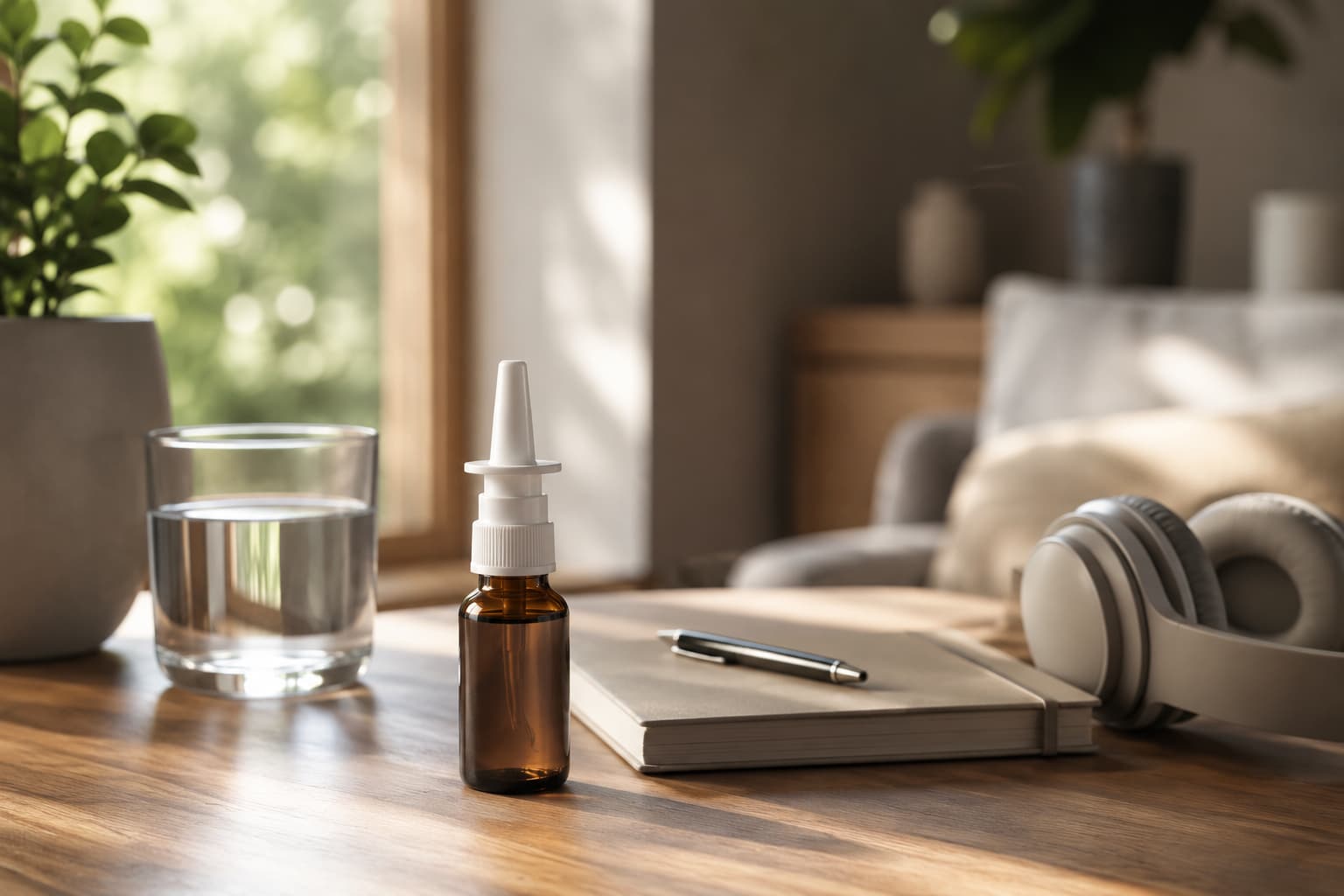
Ketamine nasal spray is one of several ways ketamine can be administered for depression and other conditions. Learn how intranasal ketamine works, potential benefits and risks, treatment costs, safety considerations, and how it compares to Spravato/esketamine.

Is ketamine an opioid? Learn how ketamine differs from opioids, how ketamine therapy works, common medical uses, side effects, and why ketamine is considered a non-opioid treatment option in some settings.
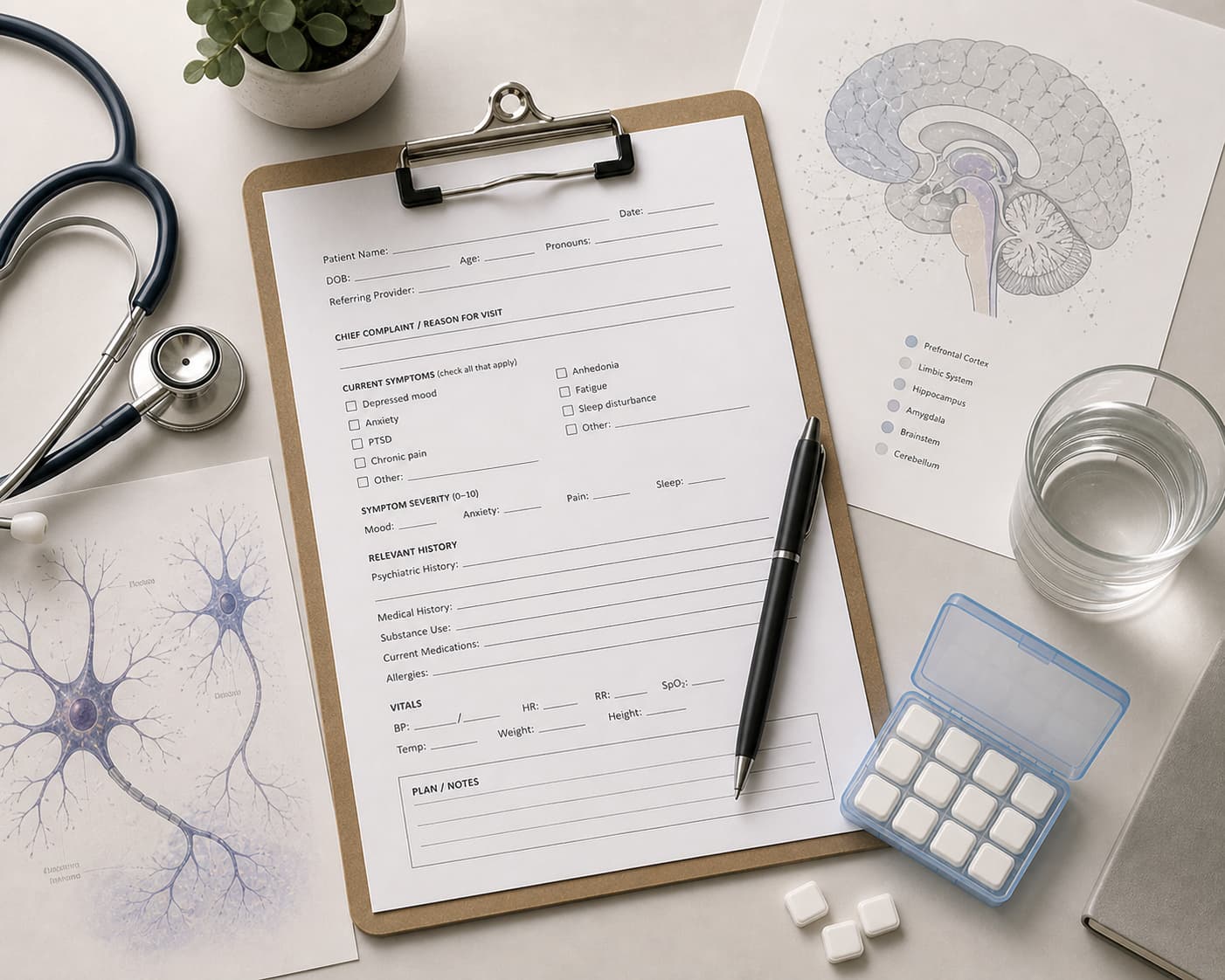
Learn about what is ketamine used for medically and therapeutically, including depression, PTSD, anxiety, chronic pain, anesthesia, ketamine infusions, and nasal ketamine treatment.

At home ketamine therapy offers a more accessible way to receive treatment for depression and anxiety through virtual care and clinician-guided sessions. Safe treatment requires a prescription, proper oversight, and ongoing support.
Spravato is an FDA-approved esketamine nasal spray used for treatment-resistant depression, offering a new option when traditional antidepressants are not enough. While it can provide rapid relief for some patients, understanding Spravato side effects is essential before starting treatment.
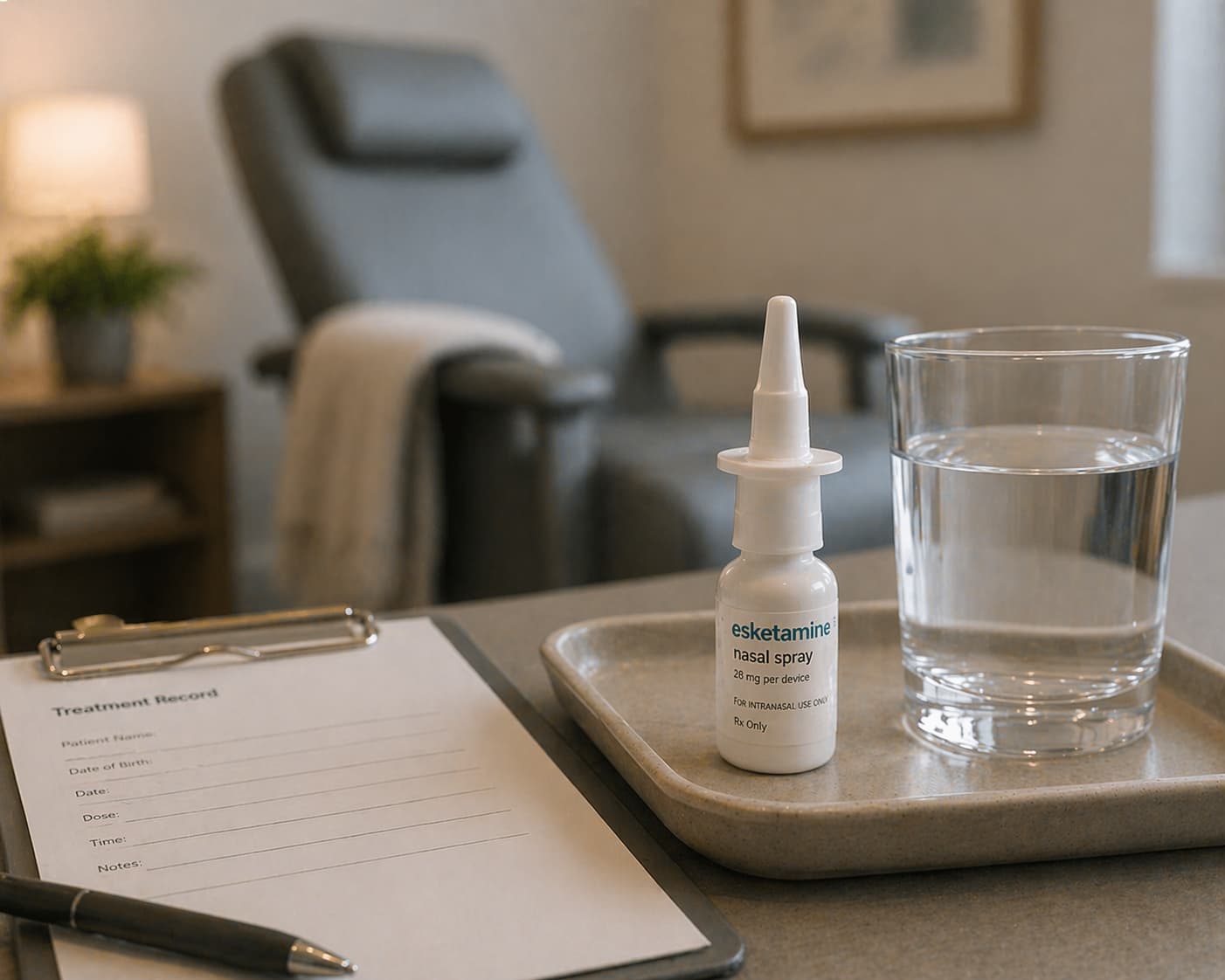
Esketamine is a fast-acting, clinic-based treatment for depression that may help when other options haven’t worked. Delivered as a supervised nasal spray, it works differently from traditional medications and can provide relief more quickly for some people.

Examples of ketamine therapy side effects are dissociation, nausea, and fatigue, but these are usually short-lived and manageable in a clinical setting. With proper supervision and aftercare, treatment can be both safe and effective.
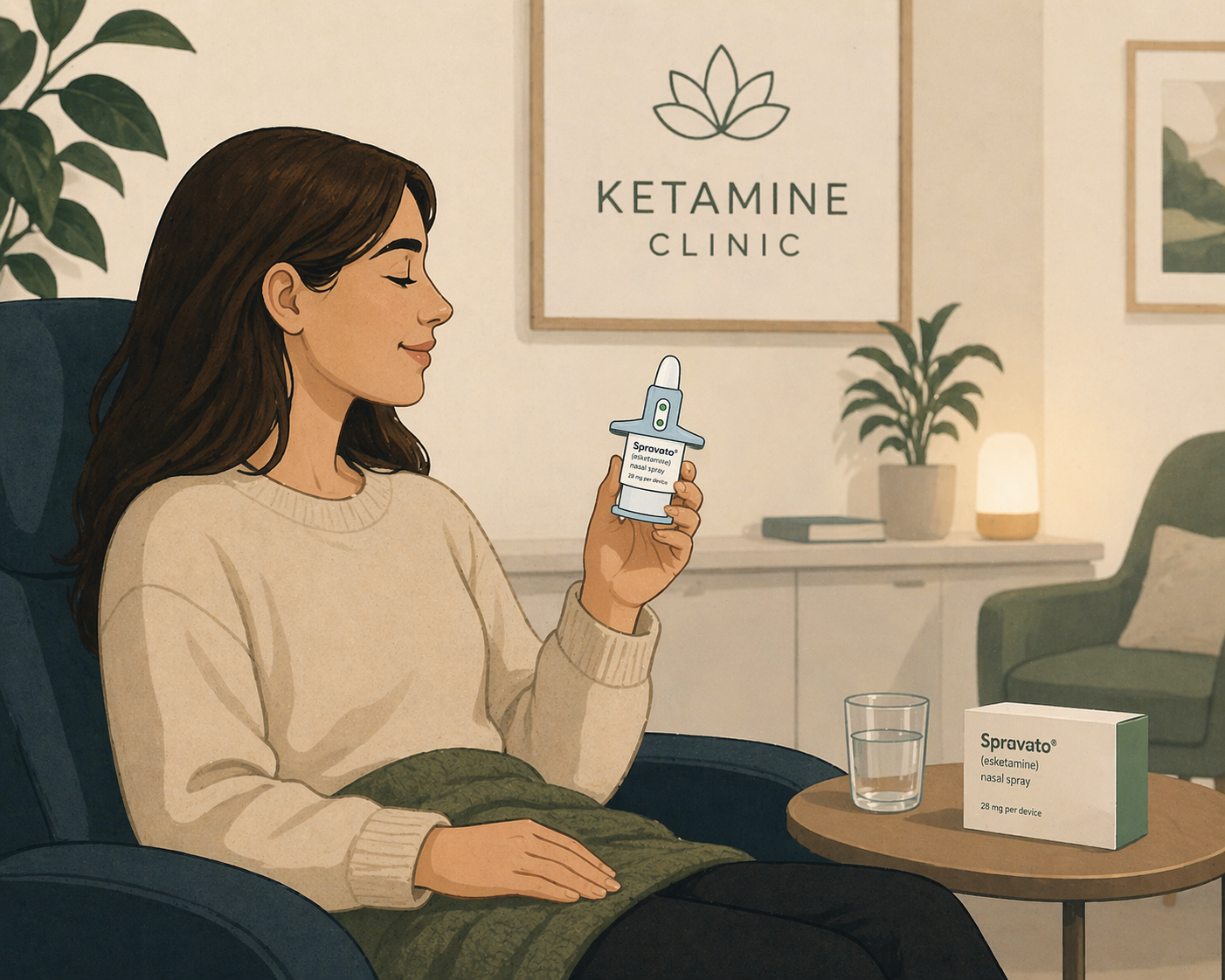
Spravato treatment (esketamine) is a clinic-based treatment for treatment-resistant depression that works differently from traditional antidepressants by targeting the brain’s glutamate system and supporting neuroplasticity. It’s administered as a nasal spray under medical supervision.

Ketamine drug is a medically approved dissociative anesthetic now used for treatment-resistant depression and pain. Unlike traditional antidepressants, it works rapidly by targeting the brain’s glutamate system and supporting neuroplasticity, often providing relief within hours.