
Cortisol Detox: Practical Ways to Lower Cortisol Naturally

Summary
Quick Answer
A cortisol detox is not about eliminating cortisol completely. Cortisol is an essential stress hormone that helps regulate energy, metabolism, inflammation, and your sleep-wake cycle. The goal is to reduce chronically elevated cortisol levels through nervous system regulation, better sleep, balanced nutrition, stress management, and sustainable lifestyle habits that help the body feel safe again.
Key Takeaways
- Chronic stress can keep cortisol levels elevated for long periods of time
- High cortisol may contribute to fatigue, anxiety, poor sleep, cravings, and stubborn belly fat
- Nutrition, sleep quality, and nervous system regulation all influence cortisol levels
- Practices like breathwork, restorative yoga, and vagus nerve stimulation may help calm stress responses
- Adaptogens and magnesium glycinate are commonly used to support adrenal and nervous system health
- Poor sleep can significantly increase cortisol and worsen stress symptoms
- Sustainable lifestyle changes are typically more effective than extreme “detox” approaches
- Emotional regulation and stress recovery practices support long-term mental wellness and resilience
- Consistency matters more than perfection when lowering cortisol naturally
- Many people notice improvements in energy and mood within a few weeks of consistent stress-reduction practices
What Is a Cortisol Detox?
A cortisol detox is a collection of lifestyle habits designed to help lower chronically elevated cortisol levels and support a healthier stress response. Despite the name, a cortisol detox is not about eliminating cortisol from the body. Cortisol is an essential hormone that helps regulate energy, metabolism, inflammation, and your sleep-wake cycle.
Many people start searching for a cortisol detox when they feel constantly stressed, exhausted, anxious, or stuck in a cycle of poor sleep and low energy. Chronic stress can keep cortisol levels elevated for long periods of time, which may contribute to symptoms such as fatigue, brain fog, cravings, irritability, and difficulty recovering from stress.
The good news is that lowering cortisol naturally does not require extreme diets, expensive supplements, or restrictive detox programs. In many cases, the most effective strategies involve improving sleep quality, supporting nervous system regulation, eating a balanced diet, and building daily habits that help the body feel safe and recovered. Many of these same habits are also commonly recommended as mental health tips for supporting emotional well-being, resilience, and stress management.
This guide explains what cortisol does, common signs of elevated cortisol, practical ways to lower cortisol naturally, foods and supplements that may help support a healthy stress response, and how long it may take to notice improvements.
Understanding the Stress Hormone
Before learning how to lower cortisol naturally, it helps to understand what cortisol actually does. Cortisol is a hormone produced by the adrenal glands that helps regulate metabolism, inflammation, energy production, and your sleep-wake cycle.
Although cortisol is often called the “stress hormone,” it is not inherently bad. Healthy cortisol levels help you wake up in the morning, stay alert, and respond to challenges. Problems typically arise when chronic stress keeps cortisol elevated for long periods of time.
To grasp how your body handles threats, it helps to understand cortisol vs adrenaline function. Adrenaline is responsible for the immediate "fight or flight" response, it makes your heart race and your palms sweat when you are suddenly startled. Cortisol, on the other hand, is the longer-acting hormone that keeps you alert and supplies steady energy to deal with ongoing stressors. The problem arises when the stress never stops, leaving your cortisol levels permanently elevated.

Cortisol vs. Adrenaline: What’s the Difference?
Adrenaline helps you react to immediate danger. Cortisol helps your body stay alert and manage longer-term stress. Both are important, but problems can develop when cortisol stays elevated for long periods of time.
Recognizing the Signs of Stress Overload
When stress becomes chronic, the communication network between your brain and adrenal glands begins to misfire. This often presents as HPA axis dysregulation symptoms (hypothalamic-pituitary-adrenal axis), which include brain fog, mid-afternoon energy crashes, sugar cravings, and mood swings.
Additionally, high cortisol symptoms in women can be particularly disruptive. They often manifest as irregular menstrual cycles, hair thinning, poor skin health, and hormonal imbalances. Furthermore, one of the most frustrating side effects of chronic stress is metabolic change. Reducing belly fat from high stress is incredibly difficult because elevated cortisol specifically signals the body to store fat around the midsection as a survival mechanism.
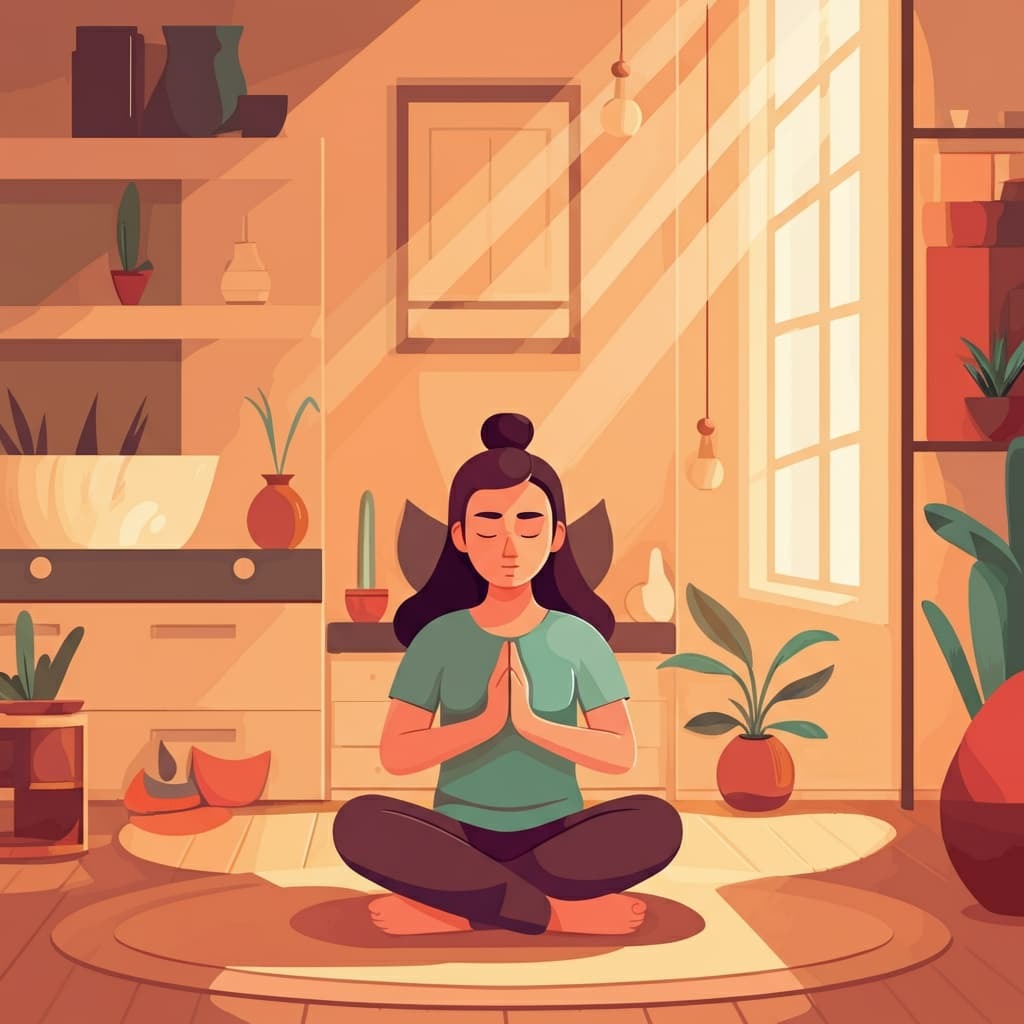
Supportive Tools for Cortisol Detox
Lowering cortisol naturally is not only about supplements, food, or sleep habits. Chronic stress changes how the body interprets safety, often leaving people mentally overstimulated, emotionally reactive, and stuck in a constant state of internal tension even when they are trying to rest.
Because elevated cortisol is often connected to ongoing hypervigilance and overactivation of the nervous system, supportive practices that reinforce calm, safety, and emotional regulation may help individuals feel more mentally clear, emotionally balanced, and physically recovered over time. Practices like guided visualizations and progressive muscle relaxation meditation are commonly used to help calm stress responses and support nervous system recovery.
At Limitless Guided Visualizations, we create immersive audio experiences designed to help interrupt that stress loop. Our 14-Day Stress Baseline Reset combines guided visualizations, mindfulness practices, breathwork, and nervous system regulation tools designed to help calm racing thoughts, reduce stress reactivity, and support healthier stress-response patterns over time. Some individuals use these tools alongside meditation, evening recovery routines, or other practices that strengthen emotional resilience during periods of chronic stress.
Limitless Guided Visualizations is not a medical treatment and should not replace professional healthcare guidance. Our tools are designed to complement mindfulness, stress recovery, emotional wellness, and nervous system support practices.
Common Mistakes People Make When Trying to Lower Cortisol
Many people searching for a cortisol detox are looking for quick results. Unfortunately, some common approaches may increase stress rather than reduce it.
Common mistakes include:
- Following restrictive detox diets
- Over-exercising while already exhausted
- Relying heavily on caffeine to push through fatigue
- Ignoring sleep while focusing only on supplements
- Expecting cortisol levels to normalize overnight
In most cases, consistency matters more than intensity. Small daily habits that support sleep, recovery, and nervous system regulation tend to produce better long-term results than extreme short-term interventions.
How to Lower Cortisol Naturally
So, what are the most reliable ways to reduce cortisol? The secret lies in a holistic approach that signals safety to your brain and body. Here is how to lower cortisol levels naturally through nutrition, nervous system regulation, and rest.
Step 1. Nourish Your Body for Balance
Your diet plays a pivotal role in how your body handles stress. To support hormone health, you need to focus on specific cortisol foods, nutrient-dense whole foods that keep your blood sugar stable. Blood sugar crashes trigger panic in the body, which immediately spikes cortisol.
Just as important as what you add to your diet is what you choose to limit. High consumption of refined sugars, ultra-processed foods, and excessive alcohol can fuel inflammation and cause sharp spikes and crashes in blood sugar, putting your adrenal glands on high alert. By consciously reducing these, you provide a more stable internal environment for your hormones to find balance.
Consider the stark difference between foods that lower cortisol vs caffeine. While a heavy caffeine habit can keep your adrenal glands working in overdrive, certain foods actively help lower cortisol. Incorporate leafy greens like spinach and kale, which are rich in magnesium to calm the nervous system. Berries are packed with antioxidants that fight oxidative stress, while omega-3-rich foods like salmon and walnuts reduce inflammation. Additionally, vitamin C from citrus and bell peppers supports adrenal function, and complex carbohydrates like oats and sweet potatoes help maintain stable energy levels.
To give your body an extra edge, you can incorporate the best adaptogens for adrenal support. Adaptogenic gerbs like Ashwagandha, Holy Basil, and Rhodiola have been scientifically shown to help the body adapt to stress and reduce cortisol levels over time.
Additionally, L-theanine, an amino acid found in green tea, is known for promoting a state of 'calm alertness' without drowsiness.
Finally, don't overlook the benefits of magnesium glycinate for nervous system health; this highly absorbable mineral helps relax tense muscles and promotes a deep sense of calm. These nourishing choices, when used thoughtfully, are accessible ways to support your body's stress response.
Step 2. Regulate Your Nervous System
You cannot think your way out of stress; you have to feel your way out of it by physically calming your body.
One of the most effective strategies is vagus nerve stimulation for stress relief. The vagus nerve is the superhighway of your parasympathetic (rest and digest) nervous system. You can stimulate it easily through humming, singing, splashing cold water on your face, or deep belly breathing.
Speaking of breathwork, incorporating box breathing techniques for anxiety is a powerful tool to use when you feel overwhelmed. Simply inhale for four seconds, hold for four, exhale for four, and hold empty for four. Repeating this for just two minutes can dramatically lower your heart rate.
Cultivating a mindfulness practice can also be a game-changer. Even 5-10 minutes of daily meditation helps train your brain to respond to stress rather than react to it. By focusing on your breath and observing your thoughts without judgment, you create a space of calm that can lower cortisol levels and improve your overall resilience over time.
Regular, moderate movement is a powerful way to metabolize excess stress hormones. Unlike intense exercise, which can sometimes raise cortisol, activities like brisk walking (especially in nature), swimming, cycling, or tai chi help release endorphins and calm the nervous system. Aim for 20-30 minutes of gentle movement each day to help your body process stress.
To release physical tension, try practicing restorative yoga poses for nervous system regulation. Poses like Child's Pose (Balasana) or Legs-Up-The-Wall (Viparita Karani) allow blood to flow back to the heart and gently signal to your brain that you are safe, helping your cortisol hormone reduce organically.
Step 3. Prioritize Rest and Recovery
You cannot successfully complete a cortisol detox without addressing your sleep habits. The impact of sleep deprivation on stress hormones is profound; even a single night of poor sleep can leave your cortisol levels elevated the entire next day, keeping you in a state of hyper-arousal.
Creating a consistent evening routine for better sleep and lower stress is non-negotiable. Aim to step away from screens at least an hour before bed to prevent blue light from suppressing your natural melatonin production. Swap scrolling for reading, stretching, or taking a warm bath. As your body cools down and your mind quiets, your stress hormones will naturally drop, helping reduce cortisol levels and setting the stage for deep, restorative sleep.
Step 4. Change Your Relationship With Stress
Not every stressful situation can be avoided, but you can change how your brain responds to it. The way you interpret challenges, uncertainty, and everyday events influences whether your nervous system stays in a state of protection or begins to relax.
One way to do this is by practicing metacognition, or observing your thoughts without automatically believing or reacting to them. When you notice patterns like catastrophizing, self-criticism, or constant worry, you create an opportunity to interrupt the stress response before it escalates.
Guided visualizations, mindfulness, and other relaxation practices can help reinforce this skill by shifting your attention away from fear and toward a greater sense of safety and calm. Over time, consistently practicing these techniques can support nervous system regulation and help reduce chronic activation of the body’s stress response.
Remember, lowering cortisol isn’t about eliminating stress. It’s about helping your brain and body recognize when you’re safe so they can spend more time in a state of rest, recovery, and resilience.
Building Your Cortisol Recovery Plan
Bringing your body back into balance requires patience and consistency. Creating a sustainable adrenal fatigue recovery plan means committing to these gentle lifestyle changes rather than looking for a quick fix.
If you are wondering how long does it take to balance hormones, the answer depends on how long you have been living in a state of chronic stress. While timelines vary, some people notice improvements in sleep quality, mood, and energy levels within a few weeks of consistently supporting their nervous system. More significant improvements in stress resilience, recovery, and overall well-being often take several months of consistent lifestyle changes.
Ultimately, learning how to manage your body's stress response is one of the most empowering things you can do for your health. By nourishing your body, calming your mind, and prioritizing deep rest, you can successfully detox from chronic stress and reclaim your vibrant, energized self.
Medical Disclaimer
The information provided in this article is for educational purposes only and is not intended as a substitute for professional medical advice, diagnosis, or treatment. Always seek the advice of your physician or another qualified health provider with any questions you may have regarding a medical condition or before starting any new supplement or lifestyle regimen. Do not disregard professional medical advice or delay in seeking it because of something you have read here.
Frequently Asked Questions About Cortisol Detox
A cortisol detox is a collection of lifestyle habits designed to help lower chronically elevated cortisol levels and support a healthier stress response. Rather than removing cortisol from the body, the goal is to improve cortisol regulation through sleep, nutrition, stress management, and nervous system support.
A cortisol detox typically involves improving sleep quality, managing chronic stress, supporting nervous system regulation, eating nutrient-dense foods, limiting excessive caffeine and alcohol, and building sustainable recovery habits. Most people benefit more from consistent daily practices than restrictive detox programs.
Cortisol is a steroid hormone made by your adrenal glands that helps regulate metabolism, reduce inflammation, and manage your sleep-wake cycle. You need it to wake up and handle challenges. The goal isn’t to eliminate cortisol - doing so would be harmful - but to prevent it from staying chronically elevated due to ongoing stress.
Adrenaline drives the immediate fight-or-flight response; think rapid heartbeat and sweaty palms when startled. Cortisol is longer-acting: it keeps you alert and supplies steady energy to handle ongoing stressors. Problems arise when stress is constant, keeping cortisol high over time.
Focus on stabilizing blood sugar with nutrient-dense whole foods. Favor vitamin C–rich foods (citrus, bell peppers), omega-3 sources (salmon, walnuts), and complex carbs (oats, sweet potatoes). Limit heavy caffeine use, which can keep your adrenals on overdrive. Many people also use adaptogens like ashwagandha, holy basil, and rhodiola, and consider magnesium glycinate to support relaxation and a calmer nervous system.
Signs can include brain fog, mid-afternoon energy crashes, sugar cravings, and mood swings. In women, high cortisol may show up as irregular menstrual cycles, hair thinning, skin issues, and broader hormonal imbalances. Chronically elevated cortisol also promotes fat storage around the midsection, making belly fat harder to lose.
Simple practices like humming, singing, splashing cold water on your face, and deep belly breathing stimulate the vagus nerve and shift you into a “rest and digest” state. Box breathing (inhale 4, hold 4, exhale 4, hold 4 for two minutes) can quickly lower arousal. Restorative yoga poses such as Child’s Pose or Legs-Up-the-Wall also help. Some individuals also use calming audio experiences, mindfulness tools, and guided imagery practices through Limitless mindset companion app to help quiet stress-driven thought loops and support emotional regulation before sleep. Prioritize sleep with a consistent evening routine by limiting screens an hour before bed and swapping scrolling for reading, gentle stretching, or a warm bath, since even one night of poor sleep can elevate cortisol the next day. With steady practice, many people notice improvements in energy and mood within a few weeks, while deeper hormonal and metabolic recovery may take 3–6 months.
A positive mental attitude isn’t about forcing happiness, it’s about learning how to shift your mindset, build resilience, and respond to challenges with more clarity. Through small daily habits like gratitude, mindfulness, and reframing negative thoughts, you can create lasting changes in how you think, feel, and show up in your life.

Esketamine is a fast-acting, clinic-based treatment for depression that may help when other options haven’t worked. Delivered as a supervised nasal spray, it works differently from traditional medications and can provide relief more quickly for some people.

Examples of ketamine therapy side effects are dissociation, nausea, and fatigue, but these are usually short-lived and manageable in a clinical setting. With proper supervision and aftercare, treatment can be both safe and effective.

Ketamine for depression is an emerging treatment that can provide rapid relief, especially when other options haven’t worked. By targeting different brain pathways, it offers a new approach to care and is used under medical supervision as part of a personalized treatment plan.

Spravato treatment (esketamine) is a clinic-based treatment for treatment-resistant depression that works differently from traditional antidepressants by targeting the brain’s glutamate system and supporting neuroplasticity. It’s administered as a nasal spray under medical supervision.

Ketamine drug is a medically approved dissociative anesthetic now used for treatment-resistant depression and pain. Unlike traditional antidepressants, it works rapidly by targeting the brain’s glutamate system and supporting neuroplasticity, often providing relief within hours.

Ketamine therapy cost can vary widely depending on the type of treatment, provider, and number of sessions. IV ketamine infusions are usually not covered by insurance, meaning most patients pay out of pocket. Spravato (esketamine), an FDA-approved nasal spray given in a clinic, is often covered when eligibility criteria are met.
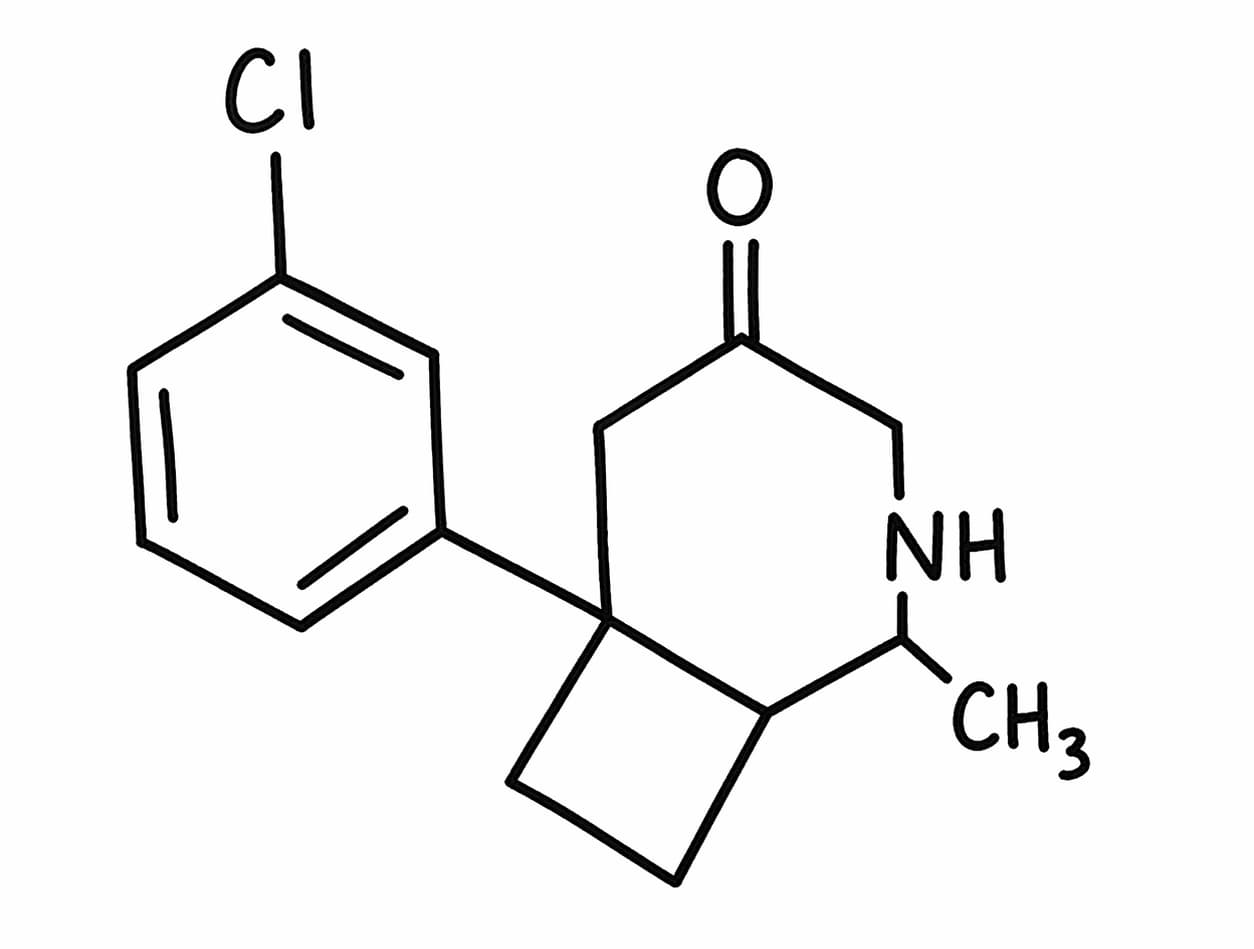
This article explains what is ketamine, what ketamine is made of, how it works in the brain and body, the different forms it can take, and the benefits, risks, and safety considerations to understand before treatment.

The infusion itself is relatively short, usually lasting about 40 to 60 minutes in a clinic. But if you’re wondering how long do ketamine infusions last, the experience goes beyond the session itself. Some people notice changes within hours, while for others the benefits build over time.