
What Is Ketamine Nasal Spray? A Guide for Patients

Summary
Ketamine nasal spray is a form of ketamine treatment delivered through the nose rather than by IV infusion, injection, or oral lozenge. It is different from Spravato, the FDA-approved esketamine nasal spray used for treatment-resistant depression. While ketamine nasal spray is less common than ketamine troches for at-home treatment, some providers offer compounded ketamine nasal spray through clinic-based, hybrid, or telehealth care models.
Key Takeaways:
- Ketamine nasal spray is different from Spravato (esketamine)
- Most ketamine nasal spray prescriptions involve compounded racemic ketamine
- Nasal ketamine is less common than ketamine troches for at-home treatment
- Some providers offer ketamine nasal spray through telehealth or hybrid care models
- Treatment should only be used under medical supervision
- Insurance coverage varies significantly
Introduction to Ketamine Nasal Spray
Ketamine therapy has expanded far beyond IV infusions. Today, people exploring alternative treatment options may come across ketamine nasal spray, a delivery method that administers ketamine treatment through the nasal passages rather than through an IV, injection, or oral lozenge.
Many people search for terms like nasal ketamine, ketamine nose spray, compounded ketamine nasal spray, and ketamine nasal spray at home when researching treatment options. These searches often lead to confusion because ketamine nasal spray is frequently mistaken for Spravato, an FDA-approved esketamine nasal spray used for depression.
Although both are administered through the nose, ketamine nasal spray and Spravato are not the same treatment.
This guide explains:
- What ketamine nasal spray is
- How nasal ketamine works
- What ketamine nasal spray is used for
- How it compares to Spravato and ketamine troches
- Potential benefits and risks
- Cost considerations
- What to expect during treatment
If you’re new to ketamine treatment, our guide to What Is Ketamine Therapy? explains how ketamine works, the different treatment formats available, and what patients can expect throughout the process.
What Is Ketamine Nasal Spray?
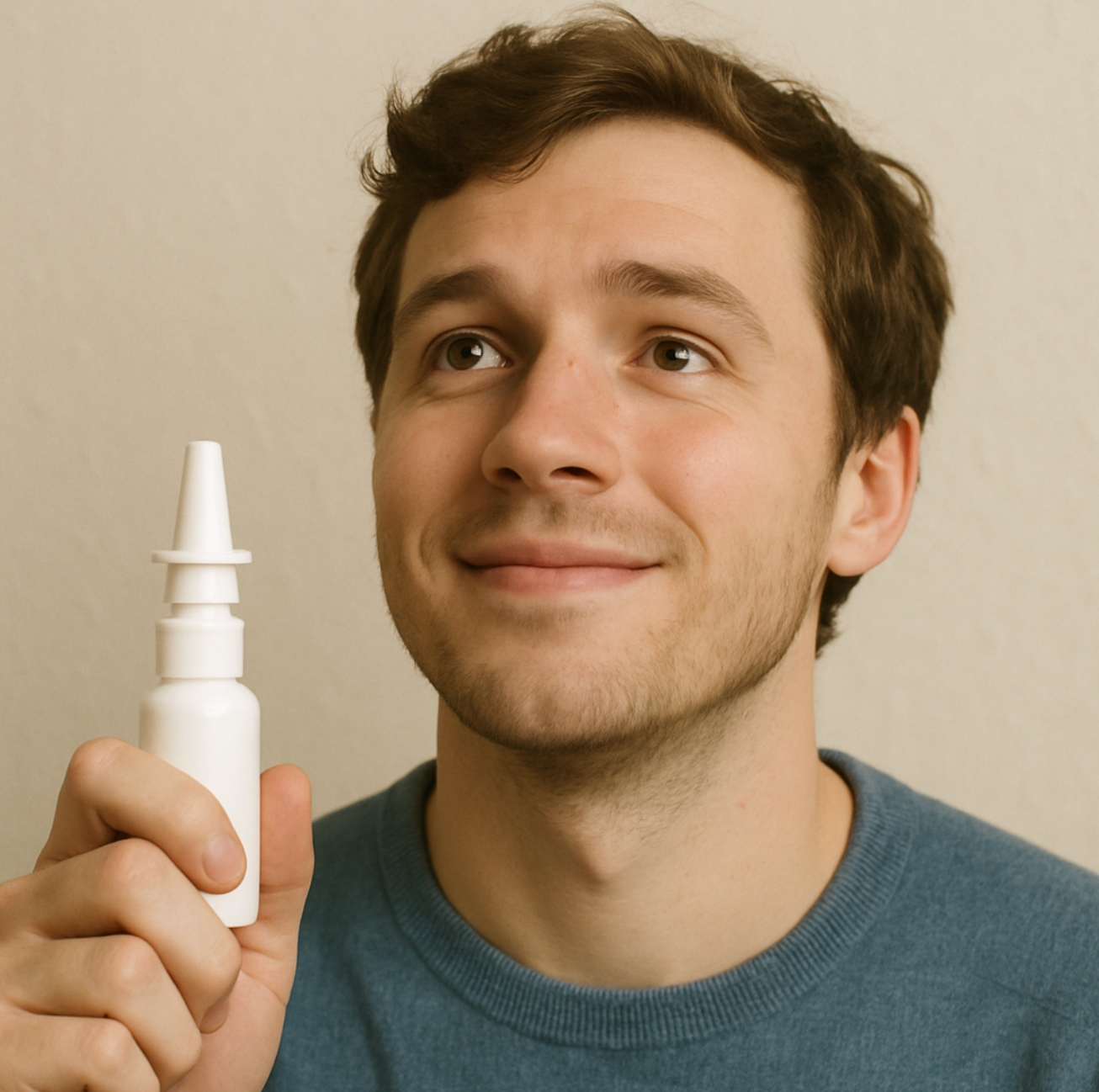
Ketamine nasal spray is a form of ketamine treatment that delivers medication through the nasal passages. Instead of swallowing a medication or receiving an infusion, the spray is absorbed through tissues inside the nose.
Most ketamine nasal spray prescribed today contains compounded racemic ketamine. Racemic ketamine contains both the R-ketamine and S-ketamine molecules.
This differs from Spravato, which contains only esketamine (S-ketamine) and is FDA-approved for specific depression indications.
Quick Facts About Ketamine Nasal Spray
- Administered through the nose
- Typically contains compounded racemic ketamine
- Different from Spravato
- Less common than ketamine troches
- May be available through telehealth providers
- Often used as part of a broader ketamine treatment plan
- Requires medical supervision
Many people searching “what is ketamine nasal spray” are surprised to learn that it is generally less common than oral ketamine troches, which currently dominate the at-home ketamine treatment market.
How Does Ketamine Nasal Spray Work?
Ketamine nasal spray works through the same general mechanisms as other forms of ketamine treatment.
Researchers believe ketamine affects NMDA receptors and glutamate signaling pathways in the brain. Ongoing research continues to explore how these effects may influence mood, cognition, emotional processing, and neuroplasticity.
Unlike traditional antidepressants that primarily target serotonin pathways, ketamine appears to work through different neurological systems.
Researchers are studying whether ketamine may:
- Support neuroplasticity
- Influence brain connectivity
- Interrupt rigid thought patterns
- Affect emotional processing
- Create temporary changes in perception and awareness
Because ketamine affects different systems than many conventional antidepressants, some individuals report changes in symptoms more quickly than they experienced with traditional medications.
If you’re new to ketamine treatment, you may also want to read our complete guide on What Is Ketamine Therapy?, which explains how ketamine is used across different delivery methods and treatment models.
Does ketamine nasal spray work differently than IV ketamine?
Not necessarily. The medication itself is similar, but the delivery method changes how the body absorbs it. IV ketamine enters the bloodstream directly, while ketamine nasal spray is absorbed through nasal tissues. The overall experience, dosing, and treatment protocols can differ depending on the provider.
What Is Ketamine Nasal Spray Used For?
Many people search “what is ketamine nasal spray used for” when comparing treatment options.
Ketamine nasal spray may be used as part of provider-directed treatment plans involving:
- Depression
- Treatment-resistant depression
- Mental health treatment programs
- Ketamine-assisted therapy programs
- Other off-label uses determined by a healthcare provider
Because compounded ketamine nasal spray is typically prescribed off-label, treatment approaches vary between providers.
Ketamine nasal spray is generally not considered a first-line treatment. It is most commonly discussed when individuals are exploring alternatives to traditional antidepressants or other ketamine delivery methods.
Is Ketamine Nasal Spray FDA Approved?
This is one of the most common points of confusion.
Spravato is FDA-approved.
Compounded ketamine nasal spray is not.
Spravato contains esketamine and was approved by the FDA for treatment-resistant depression and certain depressive symptoms under strict medical supervision.
Most ketamine nasal spray formulations contain racemic ketamine and are prescribed off-label. While ketamine itself has FDA approval as an anesthetic, compounded ketamine nasal spray does not have FDA approval specifically for depression treatment.
This distinction affects:
- Insurance coverage
- Treatment availability
- Monitoring requirements
- Provider protocols
Understanding this difference can help patients make more informed treatment decisions.
Can You Get Ketamine Nasal Spray at Home?
Sometimes. Some providers prescribe compounded ketamine nasal spray through telehealth or hybrid treatment models. However, nasal ketamine remains less common than oral ketamine troches for at-home ketamine treatment.
Unlike Spravato, which must be administered in a certified clinic under FDA REMS requirements, compounded ketamine nasal spray may be prescribed through select providers depending on:
- State regulations
- Provider policies
- Clinical appropriateness
- Pharmacy availability
Availability varies significantly across the United States.
A small number of providers have offered compounded intranasal ketamine treatment. Because treatment models change frequently, patients should verify current offerings directly with each provider.
Why isn’t ketamine nasal spray more widely available?
Compounded ketamine nasal spray requires specialized prescribing and pharmacy compounding. Many at-home ketamine programs prefer oral ketamine troches because they are easier to standardize, prescribe, distribute, and monitor across larger patient populations.
Ketamine Nasal Spray vs Spravato
Many people assume ketamine nasal spray and Spravato are the same thing, but there are important differences.
Spravato is the brand name for esketamine nasal spray, an FDA-approved nasal spray used for treatment-resistant depression and certain depressive symptoms under medical supervision.
Compounded ketamine nasal spray typically contains racemic ketamine and is prescribed off-label. While both are administered through the nose, they have different approval pathways, monitoring requirements, and treatment models.
For individuals searching for a depression nasal spray or a new nasal spray for depression, understanding these differences is important when comparing treatment options.
Ketamine Nasal Spray vs Ketamine Troches
People exploring at-home ketamine treatment often compare ketamine nasal spray and ketamine troches.
Ketamine troches are small dissolvable tablets or lozenges placed under the tongue or inside the cheek. They are currently the most common form of ketamine prescribed through telehealth ketamine programs.
Ketamine nasal spray may appeal to some patients because:
- It does not require dissolving medication in the mouth
- Absorption may occur more quickly through nasal tissues
- Some people prefer a nasal delivery method
Ketamine troches may appeal to others because:
- They are more widely available
- More providers currently prescribe them
- They are easier to standardize and distribute
- More telehealth programs are built around troche-based treatment
Neither option is inherently superior. The best choice depends on your provider’s recommendations, treatment goals, medical history, and personal preferences.
Does ketamine nasal spray work faster than ketamine troches?
It may feel faster for some people because nasal tissues can absorb medication differently than oral tissues. However, treatment outcomes depend on many factors, including dosage, treatment protocols, individual biology, and provider oversight. Faster absorption does not necessarily mean better results.
What Are the Benefits of Ketamine Nasal Spray?
Ketamine nasal spray has gained attention because it offers a middle ground between clinic-based IV treatment and oral ketamine options.
Potential benefits of ketamine nasal spray may include:
- Needle-free administration
- Greater convenience than IV infusions
- Potential access through telehealth or hybrid care models
- Flexible treatment formats depending on provider protocols
- An alternative for individuals who dislike oral medications
- Ability to receive treatment under medical supervision without infusion equipment
Some people also appreciate the simplicity of using a nasal spray compared to attending frequent infusion appointments.
For individuals exploring ketamine treatment, convenience can be an important factor when balancing work schedules, transportation needs, and ongoing mental health care.
It is important to remember that results vary significantly. Some people report meaningful improvements, while others may experience more gradual changes or find that a different treatment format works better for their needs.
How Limitless Can Support Ketamine Nasal Spray Sessions
Whether ketamine nasal spray is administered in a clinic or through an approved at-home treatment program, many people find that the experience feels more supportive when they have tools that extend beyond the treatment itself.
Limitless Guided Visualizations was designed to help people learn how improve their mindset maximize the benefits of ketamine therapy.
During a ketamine nasal spray session, some users choose to listen to Journey Macrodoses. These longer guided visualization experiences can provide a structured audio environment that helps anchor patients to their intention and relax into the experience to allow thoughts, emotions, and insights to unfold naturally.
Between treatments, many people use Mindset Microdoses to reinforce the changes they want to carry into everyday life. These shorter mindset training experiences are designed to help users practice new perspectives, strengthen emotional resilience, reduce self-criticism, and build healthier mental habits over time.
What Are the Risks and Side Effects of Ketamine Nasal Spray?
Like other forms of ketamine treatment, ketamine nasal spray can cause side effects.
Common side effects may include:
- Dizziness
- Nausea
- Fatigue
- Temporary dissociation
- Changes in perception
- Blurred vision
- Elevated blood pressure
- Anxiety during treatment
Many side effects are temporary and resolve as the medication wears off.
The intensity of side effects varies depending on:
- Dosage
- Individual sensitivity
- Treatment setting
- Medical history
- Other medications
Because ketamine affects awareness and perception, providers generally recommend avoiding driving, operating machinery, or making important decisions until the effects have completely resolved.
For a more detailed discussion, see our guide on Ketamine Side Effects and Spravato side effects.
Can ketamine nasal spray make you feel dissociated?
Yes. Some individuals experience temporary dissociation, which may feel like detachment from thoughts, emotions, surroundings, or the sense of self. Not everyone experiences dissociation, and the intensity can vary significantly between people and treatment sessions.

Is Ketamine Nasal Spray Safe?
Ketamine nasal spray may be safe for appropriate patients when prescribed and monitored by qualified healthcare providers. However, like any medication, it carries risks and is not appropriate for everyone.
Before prescribing ketamine nasal spray, providers typically review:
- Medical history
- Mental health history
- Current medications
- Cardiovascular health
- Blood pressure
- Substance use history
- Previous treatment experiences
Because ketamine can temporarily increase blood pressure and alter perception, careful screening is an important part of the treatment process.
Who Should Avoid Ketamine Nasal Spray?
Additional evaluation may be needed for individuals with:
- Uncontrolled high blood pressure
- Certain cardiovascular conditions
- History of aneurysms
- Active psychosis
- Certain substance use disorders
- Other medical conditions identified by a healthcare provider
Only a qualified clinician can determine whether ketamine nasal spray is appropriate for your situation.
Can you drive after ketamine nasal spray treatment?
No. Ketamine may temporarily affect awareness, coordination, reaction time, and perception. Most providers recommend avoiding driving, operating machinery, or making important decisions until the effects have fully resolved and you have followed your provider’s guidance.
How Much Does Ketamine Nasal Spray Cost?
The cost of ketamine nasal spray varies significantly depending on the provider, treatment model, compounding pharmacy, and level of clinical oversight involved.
Factors that may influence cost include:
- Initial evaluations
- Follow-up appointments
- Pharmacy compounding fees
- Telehealth services
- Treatment frequency
- Provider monitoring requirements
Many people search:
- ketamine nasal spray cost
- nasal ketamine cost
- compounded ketamine nasal spray cost
- is ketamine nasal spray covered by insurance
Because compounded ketamine nasal spray is typically prescribed off-label, insurance coverage is often less predictable than coverage for Spravato.
Questions to ask your provider include:
- Is ketamine nasal spray covered by my insurance?
- Are pharmacy costs included?
- What follow-up appointments are required?
- Are there ongoing monthly fees?
- Are payment plans available?
What Should You Expect During Ketamine Nasal Spray Treatment?
Treatment experiences vary, but most providers follow a structured process that includes preparation, administration, monitoring, and follow-up support.
Before Treatment
Before starting ketamine nasal spray, providers typically complete a medical and psychiatric evaluation.
This process may include:
- Reviewing your medical history
- Discussing previous treatments
- Reviewing medications
- Evaluating treatment goals
- Assessing safety considerations
Many people feel nervous before their first session. Understanding what to expect can help reduce uncertainty and improve comfort with the process.
During Treatment
Experiences vary widely from person to person.
Some individuals report feeling:
- Relaxed
- Reflective
- Emotionally open
- Dream-like
- Detached from everyday stress
Others may notice:
- Changes in sensory perception
- Altered awareness
- Physical heaviness
- Temporary dissociation
- Emotional intensity
Some sessions feel profound and meaningful. Others feel subtle. Neither experience necessarily predicts treatment outcomes.
After Treatment
Following treatment, some individuals report feeling:
- Tired
- Reflective
- Calm
- Emotionally sensitive
- Mentally clear
Others may experience temporary side effects such as dizziness or fatigue.
Many providers encourage patients to prioritize:
- Rest
- Hydration
- Sleep
- Therapy
- Journaling
- Emotional support
- Integration practices
What does ketamine nasal spray feel like?
People commonly describe ketamine nasal spray as creating a sense of relaxation, introspection, emotional openness, altered awareness, or temporary detachment from everyday thoughts. Some sessions feel profound, while others feel subtle. Experiences vary significantly based on dosage, environment, mindset, and individual factors.
Common Mistakes to Avoid With Ketamine Nasal Spray
Like any mental health treatment, ketamine nasal spray tends to work best when approached with realistic expectations and appropriate support.
Common mistakes include:
Expecting Immediate Transformation
Some people notice changes quickly, while others require multiple treatments before experiencing meaningful improvements. Ketamine is not a guaranteed or instant solution.
Focusing Only on the Medication
Many providers encourage patients to combine ketamine treatment with therapy, lifestyle changes, emotional support, and healthy routines. Medication alone is rarely the entire answer.
Ignoring Preparation and Integration
Preparing for treatment and reflecting afterward can help people make better use of the experience. Journaling, therapy, mindfulness practices, and guided visualization are commonly used to support integration.
Choosing Providers Based Only on Price
Cost matters, but quality of care, provider experience, safety protocols, and follow-up support are equally important considerations.
Assuming All Ketamine Treatments Are the Same
Ketamine nasal spray, ketamine troches, IV ketamine, IM ketamine, and Spravato each have different treatment protocols, monitoring requirements, costs, and accessibility considerations.
How to Prepare for Ketamine Nasal Spray Treatment
Preparing for ketamine nasal spray treatment starts with medical guidance, a safe setting, and a clear plan for what happens before, during, and after your session. Exact instructions vary by provider, so always follow the protocol given by your clinician.
Step 1: Complete Your Medical Screening
Before treatment, your provider will usually review your medical history, mental health history, current medications, blood pressure, and treatment goals. This helps determine whether ketamine nasal spray is appropriate and safe for you.
Step 2: Ask About the Treatment Protocol
Ketamine nasal spray protocols can vary depending on whether treatment happens in a clinic, at home, or through a hybrid care model. Ask your provider how dosing works, how long monitoring lasts, what side effects to expect, and what to do if you feel uncomfortable during the session.
Step 3: Prepare Your Setting
A calm setting can help the experience feel more comfortable. If your provider allows at-home treatment, choose a quiet space, reduce distractions, have water nearby, and make sure you have any required support person or check-in process in place.
Step 4: Plan for Safety After Treatment
Ketamine can temporarily affect awareness, coordination, reaction time, and perception. Do not drive, operate machinery, or make major decisions until your provider says it is safe. Many people plan a quiet rest period after treatment.
Step 5: Make Time for Integration
After ketamine nasal spray treatment, many providers encourage journaling, therapy, reflection, mindfulness, or emotional support. Integration can help you make sense of insights, emotions, or changes in perspective that come up during the experience.
Conclusion
Ketamine nasal spray is one of several ketamine therapy delivery methods available today. Although it is less common than ketamine troches for at-home treatment and less widely available than IV ketamine in clinics, it offers another option for patients seeking a different treatment experience.
For some individuals, ketamine nasal spray may provide a balance between convenience and effectiveness. For others, alternative formats such as troches, IV infusions, IM injections, or Spravato may be more appropriate. The best choice depends on your medical history, treatment goals, provider recommendations, and personal preferences.
As interest in ketamine therapy continues to grow, understanding the differences between treatment options can help you make more informed decisions. Whether you are exploring ketamine nasal spray for depression, anxiety, PTSD, or another condition, working with a qualified provider is the best way to determine whether this approach fits your needs.
If you’re interested in getting more out of your ketamine therapy experience, the Limitless Guided Visualizations app provides tools for preparation, emotional support, mindset reinforcement, and integration before, during, and after treatment.
Frequently Asked Questions About Ketamine Nasal Spray
No, Ketamine nasal spray and Spravato are different treatments. Spravato contains esketamine, a specific form of ketamine that is FDA-approved for treatment-resistant depression and administered only in certified clinics. Ketamine nasal spray is typically compounded by a licensed pharmacy using racemic ketamine and may be prescribed through certain specialty clinics or telehealth programs.
Depending on the provider and treatment model, ketamine nasal spray may be prescribed off-label for conditions such as depression, anxiety, PTSD, chronic pain, or other mental health concerns. Treatment decisions should always be made with a qualified healthcare professional.
Some people report noticing changes in mood, perspective, or symptoms within hours or days of treatment, while others require multiple sessions before experiencing meaningful improvements. Response times vary significantly based on the individual, diagnosis, dosing protocol, and overall treatment plan.
In some cases, yes. Certain providers prescribe compounded ketamine nasal spray through telehealth or hybrid care models that allow treatment at home under medical supervision and follow-up. However, not all providers offer nasal spray, and many clinics use other formats such as troches, IV infusions, or intramuscular injections instead.
Common ketamine nasal spray side effects may include:
- Dizziness
- Nausea
- Fatigue
- Temporary dissociation
- Mild increases in blood pressure
- Changes in perception
- Headache
- Nasal irritation
Most ketamine side effects are temporary and improve as the medication wears off.
Experiences vary, but many people describe feeling relaxed, introspective, emotionally reflective, or mildly detached from their usual thought patterns. Some people report changes in perception, time awareness, or sensory processing. These effects are usually temporary and depend on the dose, setting, and individual response.
Insurance coverage varies. Compounded ketamine nasal spray is often not covered because it is generally prescribed off-label. Coverage depends on the provider, pharmacy, insurance plan, and diagnosis. Patients should verify coverage directly with their provider and insurance company.
Some providers prescribe ketamine nasal spray for people who have not experienced enough improvement with traditional antidepressants. Research on ketamine suggests it works differently from conventional antidepressants by affecting glutamate pathways rather than primarily targeting serotonin. However, treatment responses vary, and ketamine is not appropriate for everyone.
The best option depends on your symptoms, goals, budget, medical history, provider recommendations, and access to treatment. Some people prioritize convenience and choose at-home options such as troches or nasal spray. Others prefer the structure and monitoring of clinic-based IV or IM ketamine. A qualified provider can help determine which approach may be most appropriate.
Look for a provider who offers thorough medical screening, clear safety protocols, mindset support, ongoing monitoring, transparent pricing, and appropriate follow-up care. Whether working with a local clinic or a telehealth provider, patients should feel comfortable asking questions about treatment protocols, side effects, integration support, and long-term treatment planning.

Is ketamine an opioid? Learn how ketamine differs from opioids, how ketamine therapy works, common medical uses, side effects, and why ketamine is considered a non-opioid treatment option in some settings.

Learn about what is ketamine used for medically and therapeutically, including depression, PTSD, anxiety, chronic pain, anesthesia, ketamine infusions, and nasal ketamine treatment.

At home ketamine therapy offers a more accessible way to receive treatment for depression and anxiety through virtual care and clinician-guided sessions. Safe treatment requires a prescription, proper oversight, and ongoing support.
Spravato is an FDA-approved esketamine nasal spray used for treatment-resistant depression, offering a new option when traditional antidepressants are not enough. While it can provide rapid relief for some patients, understanding Spravato side effects is essential before starting treatment.

Esketamine is a fast-acting, clinic-based treatment for depression that may help when other options haven’t worked. Delivered as a supervised nasal spray, it works differently from traditional medications and can provide relief more quickly for some people.

Examples of ketamine therapy side effects are dissociation, nausea, and fatigue, but these are usually short-lived and manageable in a clinical setting. With proper supervision and aftercare, treatment can be both safe and effective.

Ketamine for depression is an emerging treatment that can provide rapid relief, especially when other options haven’t worked. By targeting different brain pathways, it offers a new approach to care and is used under medical supervision as part of a personalized treatment plan.

Spravato treatment (esketamine) is a clinic-based treatment for treatment-resistant depression that works differently from traditional antidepressants by targeting the brain’s glutamate system and supporting neuroplasticity. It’s administered as a nasal spray under medical supervision.

Ketamine drug is a medically approved dissociative anesthetic now used for treatment-resistant depression and pain. Unlike traditional antidepressants, it works rapidly by targeting the brain’s glutamate system and supporting neuroplasticity, often providing relief within hours.