
What Is Ketamine Therapy? Benefits, Uses, and Safety for Anxiety and Depression

Summary
What is ketamine therapy? Ketamine therapy is a fast-acting treatment used for depression and anxiety, including treatment-resistant depression. Often delivered through ketamine infusion therapy or IV ketamine, it works by promoting brain plasticity and rapid symptom relief. Ketamine treatment for depression is administered under medical supervision and is considered safe for many patients, with typically mild, short-term side effects.
Key Takeaways
- Ketamine therapy uses low-dose ketamine under medical supervision to treat depression, anxiety, PTSD, and certain chronic pain conditions.
- Ketamine often works faster than traditional antidepressants, sometimes producing symptom relief within hours or days.
- Ketamine can be administered through IV infusions, nasal sprays, oral lozenges, or intramuscular injections.
- Most side effects are temporary and may include dizziness, nausea, dissociation, and elevated blood pressure.
- Ketamine therapy is typically most effective when combined with psychotherapy, integration, and lifestyle support.
- Not everyone is a candidate for ketamine treatment, which is why medical screening is essential.
To learn how to maximize ketamine's benefits, check out our Ketamine Treatment mindset resources.
Ketamine therapy is gaining attention as a promising treatment for mental health conditions. Originally used as an anesthetic, ketamine is now recognized for its potential in treating depression and anxiety. If you're wondering "what is ketamine therapy" and "what does ketamine therapy do," it involves carefully supervised care that targets difficult symptoms. This therapy offers hope, especially for those who haven't found relief with traditional treatments, including ketamine therapy for depression and ketamine therapy for anxiety.
Why do people try ketamine therapy? Simply put, ketamine works quickly, often providing symptom relief within hours. This rapid action sets it apart from conventional antidepressants, which can take weeks to show effects. This speed is one of the key benefits of ketamine therapy. Administered under medical supervision, ketamine therapy is considered safe and effective for many patients, addressing the common question, "is ketamine therapy safe."
Patients can receive ketamine through various methods, including IV infusions (often called a ketamine infusion or ketamine drip and delivered as IV ketamine infusion therapy), ketamine nasal spray, and in some settings oral lozenges. Each method is tailored to individual needs, ensuring personalized care. Despite its benefits, ketamine therapy is not without side effects. Common ones include dizziness and nausea, but these are usually short-lived.
Understanding ketamine therapy's role in mental health care is crucial. It empowers patients and providers to make informed decisions. For anyone exploring ketamine for mental health, this treatment is becoming a more widely recognized option as research continues to grow.
What is Ketamine Therapy?
Ketamine therapy uses carefully controlled doses of ketamine, a compound traditionally used as an anesthetic, to treat mental health issues. It has become especially recognized for its effectiveness in addressing treatment-resistant depression and anxiety, which helps clarify what is ketamine therapy used for in many clinical settings. This often includes ketamine therapy for depression when other options fall short.
When used theraprutically, ketamine is not intended to induce a state of unconsciousness. Instead, as a ketamine treatment for depression, it is aimed at modulating brain function to alleviate symptoms of depression and anxiety. This modulation involves the neurotransmitter glutamate, which plays a key role in neural communication and mood regulation. This mechanism also reflects what is ketamine treatment used for in modern practice.
Ketamine therapy isn't only about medication. It is typically part of a comprehensive treatment plan. This often includes psychotherapy and lifestyle adjustments, helping to amplify the therapy's benefits. Before starting ketamine therapy, patients are thoroughly screened to ensure the treatment is suitable for them.
In clinical practice, what is ketamine infusion used for most commonly is rapid relief of severe depressive symptoms, including carefully monitored ketamine infusion for depression.
Each method offers different benefits, allowing treatments to be customized. Ultimately, ketamine therapy represents a significant step forward in mental health care, offering new hope to patients and providers alike.
To learn more about it's history, check out our article on What is Ketamine?
How Does Ketamine Therapy Work?
Ketamine therapy works by affecting glutamate, a neurotransmitter involved in learning, memory, and mood regulation. This process may help promote neuroplasticity and support healthier brain connections.
Ketamine therapy works by impacting the brain's neural pathways. Unlike traditional antidepressants that primarily target serotonin or norepinephrine, ketamine works on a different neurotransmitter system: glutamate. By blocking a receptor called NMDA, ketamine leads to a surge in glutamate, which then activates other receptors.
This cascade of events is believed to trigger the growth of new synapses, or connections between brain cells, particularly in regions affected by depression. This process, known as synaptogenesis, can enhance neuroplasticity, allowing the brain to form new, healthier thought patterns and break free from cycles of negative thinking.
One of ketamine's distinct attributes is its ability to quickly reduce symptoms like suicidal thoughts in some people. This rapid response is particularly beneficial for individuals in crisis. It provides a temporary reprieve, during which more comprehensive care strategies can be implemented. These mechanisms help explain the benefits of ketamine for appropriate patients.
Mechanisms of Action:
- Glutamate Modulation: Alters neurotransmitter activity.
- Neural Plasticity: Promotes new connections in the brain.
- Rapid Symptom Relief: Quick reduction in depression and anxiety.
While traditional treatments might take weeks to show effects, potentially ketamine's fast-acting nature sets it apart. This makes it a valuable component in modern mental health strategies.
To learn more about how it works, check out our resource: What Does Ketamine Do to You.
Medical Conditions Treated by Ketamine Therapy
Ketamine therapy is most commonly used for treatment-resistant depression, anxiety disorders, PTSD, suicidal ideation, and certain chronic pain conditions. While ketamine was originally approved as an anesthetic, many mental health uses are considered “off-label,” meaning healthcare providers use it based on clinical research and patient needs.
Ketamine therapy is becoming a pivotal treatment for several mental health issues. Ketamine treatment for depression may be considered when standard therapies are ineffective, particularly for people living with treatment-resistant depression.
Another area where ketamine therapy excels is anxiety management. Chronic anxiety can be debilitating, affecting daily life significantly. Ketamine offers a pathway to reduce anxiety symptoms swiftly, promoting calmness and clarity, and is often discussed as ketamine therapy for anxiety.
Beyond depression and anxiety, ketamine aids in managing PTSD. This complex disorder involves persistent distressing thoughts and memories. Ketamine can help break the cycle of trauma-related symptoms, offering relief to sufferers.
Additionally, ketamine has applications in chronic pain management. It is used to treat conditions like fibromyalgia and complex regional pain syndrome. To learn more about ketamine for pain, check out our article: How Long Does Ketamine for Pain Relief Last?
Conditions Treated:
- Treatment-resistant depression
- Severe anxiety disorders
- Suicidal ideation
- Post-traumatic stress disorder (PTSD)
- Chronic pain syndromes
Ketamine therapy is a versatile tool in the medical field. Its ability to address diverse conditions highlights its potential in comprehensive care strategies.
Ketamine Therapy for Depression and Anxiety
Depression and anxiety are often resistant to traditional medications. These conditions can be debilitating, affecting a person's ability to function day-to-day. Ketamine therapy offers a novel solution for those who have not found relief from standard treatments. For many, ketamine therapy for depression acts rapidly and helps create momentum for recovery, while ketamine therapy for anxiety can quickly reduce intense worry and physiological arousal.
Ketamine acts rapidly, usually providing symptom relief within hours. This is particularly beneficial for individuals experiencing severe depression, where speed is crucial. Patients sometimes ask, "is ketamine legal for depression?" In many clinical programs, it can be prescribed for depression under careful evaluation and monitoring.
Anxiety disorders, while common, can be challenging to treat effectively. Ketamine therapy can quickly alleviate anxiety symptoms, improving patients' quality of life.
One of the unique features of ketamine is its ability to target glutamate. This neurotransmitter plays a role in mood regulation, making ketamine particularly effective.
In many regions, ketamine drug or esketamine for depression can be legally used for depression within regulated medical programs.

For patients and providers, ketamine therapy represents a significant advancement. It offers a powerful alternative to traditional antidepressants, broadening the treatment landscape for depression and anxiety.
To read more, check out our articles about ketamine therapy for depression.
What to Expect During a Ketamine Therapy Session
Ketamine therapy begins with a thorough assessment by a healthcare professional. This step ensures that the treatment is suitable for the patient's specific needs and medical history.
Once deemed appropriate, a personalized treatment plan is developed. This plan outlines the structure, including dosage and frequency, tailored to each patient.
The actual therapy often takes place in a controlled setting. This ensures safety and allows healthcare providers to monitor the patient's response closely.
Ketamine IV, IM or troche sessions typically last an hour or less, while the full Spravato treatment time is 2 hours. The environment is calm and supportive, designed to enhance the therapeutic experience. People often ask what do you do during ketamine therapy: many clinics encourage resting quietly, listening to calming music, or integrating psychotherapy support during or after sessions.
Patients may experience mild effects, such as lightheadedness, during or shortly after sessions. These effects are temporary and monitored by a professional.
Steps in Ketamine Therapy:
- Initial assessment and screening
- Personalized treatment planning
- Controlled administration
- Monitoring and support
- Post-session follow-up

Through structured sessions, ketamine therapy aims to offer sustained relief from symptoms, enhancing overall well-being.
To learn more, read our article about what to expect during ketamine therapy.
How is Ketamine Administered?
How is ketamine administered for depression? Ketamine can be delivered through several methods, allowing flexibility based on patient needs. The most common method is intravenous (IV) infusion, which delivers the drug directly into the bloodstream and is often called ketamine infusion therapy.
Another option is a Spravato esketamine nasal spray, often used for patients who prefer not to have an IV. This method is convenient and can be self-administered under medical guidance.
Oral tablets or lozenges are also available, providing another non-invasive method for administration. However, this form is less common compared to IV or nasal delivery due to absorption variability.
Some providers also offer ketamine treatment at home through licensed telehealth programs that may include virtual evaluations, prescription-based care, preparation guidance, and follow-up support under medical supervision.
In each case, the administration method is chosen based on the patient's medical condition and personal preferences. Healthcare providers ensure the chosen method aligns with the therapeutic goals.
Common Administration Methods:
- IV Infusion: Direct delivery into the bloodstream (a ketamine infusion via ketamine IV; sometimes referred to as IV ketamine infusion therapy).
- Ketamine Nasal Spray or Esketamine Nasal Spray: Non-invasive and convenient (used in some ketamine treatment for depression protocols).
- Oral Lozenges: Melted under the tongue, slower onset than IV. Sometimes used for microdosing ketamine.
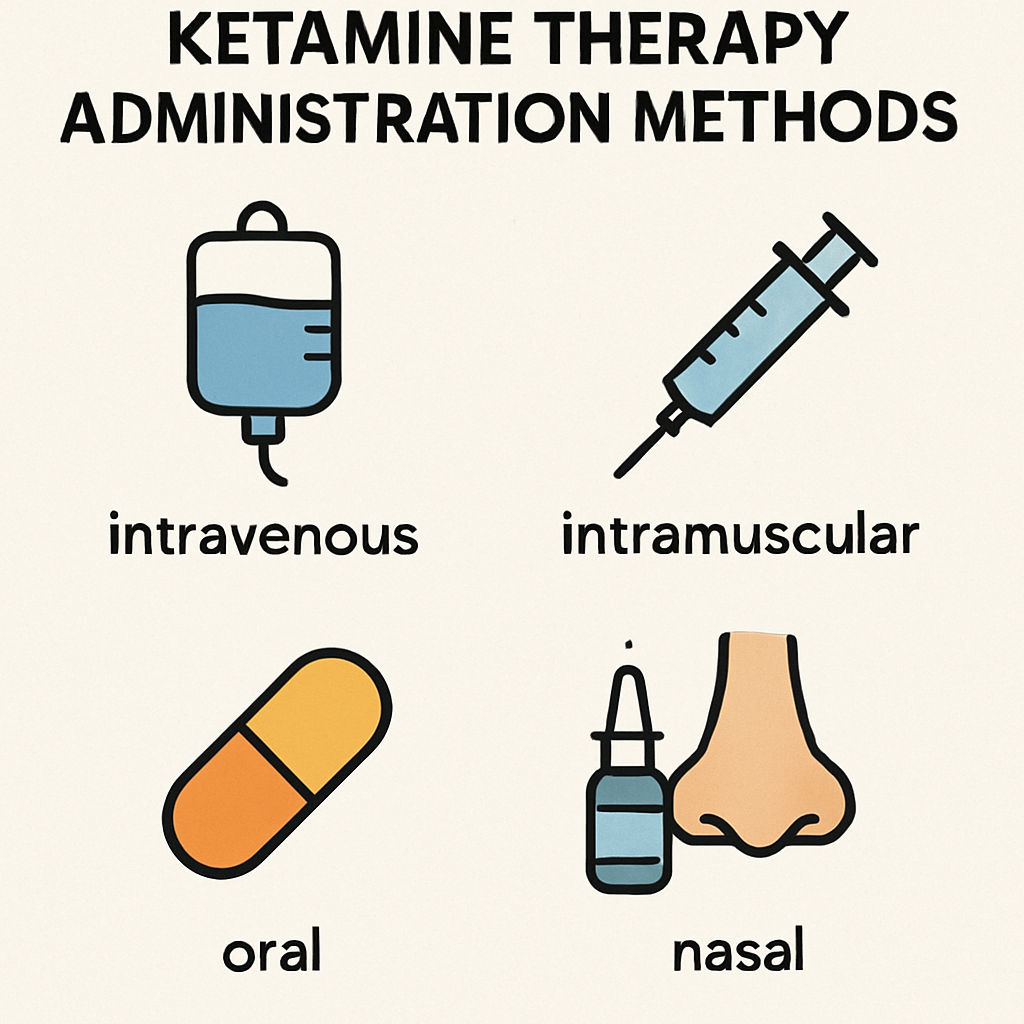
Comparing Ketamine Therapy Administration Methods
The best administration method depends on factors such as your diagnosis, treatment goals, medical history, provider recommendations, and personal preferences. Your provider can help determine which option may be most appropriate for your situation.
How Long Does Ketamine Therapy Take?
A ketamine therapy session can last anywhere from about 40 minutes to 2 hours depending on how the medication is administered. The full treatment process also includes preparation, recovery time, and often a series of treatments over several weeks.
What Are the Benefits of Ketamine Therapy?
Ketamine therapy offers numerous benefits, particularly for individuals who have not found relief with traditional treatments. It provides a rapid response, with many patients experiencing symptom improvement within hours.
This therapy is especially beneficial for treatment-resistant depression, a condition where conventional antidepressants fail. Ketamine's unique mechanism enhances brain neurotransmitter activity, delivering fast and noticeable effects.
Ketamine therapy is also known to enhance cognitive flexibility and emotional resilience. This is crucial in helping patients handle stressors and improve their quality of life.
Many patients report a reduction in suicidal thoughts and a significant mood improvement. These improvements pave the way for further therapeutic interventions and holistic care. These benefits of ketamine complement psychotherapy, lifestyle changes, and ongoing support.
Key Benefits:
- Fast symptom relief
- Effective for treatment-resistant depression
- Improves cognitive flexibility
- Reduces suicidal ideation
Integrating ketamine therapy into a comprehensive treatment plan can lead to profound improvements, fostering hope and recovery.
To learn about how long the benefits last, check our our article, How Long Do Ketamine Infusions Last.
How quickly can ketamine therapy start working?
One of the most unique aspects of ketamine therapy is its speed. While traditional antidepressants often take weeks to produce noticeable changes, some people report improvements within hours or days after treatment. Individual results vary, and long-term improvement typically involves ongoing care and support.
How to Get More Out of Ketamine Therapy
Preparation, intention setting, and integration are often overlooked parts of ketamine therapy. Many providers believe that what happens before and after treatment can influence how patients process and apply the experience.
While ketamine may help create new perspectives and opportunities for change, lasting progress often comes from the actions, habits, and practices that support the process over time. Your mindset can directly influence the benefits of ketamine therapy.
Tools such as intention setting, guided visualization, mindfulness, journaling, and reflection can help people stay engaged with their treatment and make sense of what they’re learning along the way.
That’s why many people use Limitless alongside ketamine therapy. Our guided visualizations, mindset tools, and ketamine therapy support resources are designed to help you prepare for sessions, stay connected to your goals, and continue supporting your growth between treatments.
Understanding Potential Side Effects
While ketamine therapy is safe when administered in a controlled clinical setting, it's important to be aware of potential short-term side effects. During or shortly after treatment, some patients may experience nausea, dizziness, blurred vision, or a temporary increase in blood pressure. A common effect is dissociation, which can feel like a dream-like or out-of-body sensation. These effects are closely monitored by your clinical team and typically subside within an hour or two after the session concludes.
When discussing side effects of ketamine treatment for depression and Spravato side effects, most are mild and short-lived, dissipating within hours of a session.
To summarize, common side effects include:
- Nausea
- Dizziness
- Blurred vision
- Sensory dissociation
- Mild increase in blood pressure
Is Ketamine Therapy Safe?
Ketamine therapy is generally considered safe when administered by trained medical professionals in a controlled clinical setting. Patients are carefully screened before treatment, monitored during sessions, and evaluated for any potential risks based on their medical history.
Many people ask questions such as “is ketamine therapy safe,” “is ketamine safe,” or “is low-dose ketamine safe.” Clinical ketamine protocols use carefully controlled, sub-anesthetic doses designed to maximize therapeutic benefit while minimizing risk.
Safety depends on several factors, including:
- proper patient screening
- appropriate dosing
- medical supervision
- ongoing monitoring
- adherence to provider recommendations
Safety is paramount when considering ketamine therapy. Administered in a controlled medical setting, the risks are minimized. Professional oversight ensures dosages are appropriate and safe.
There are rare ketamine side effects, which should be discussed with patients prior to treatment:
- Severe confusion
- Hallucinations
- Blurred vision
Open communication with healthcare providers is crucial. Patients should voice any concerns or pre-existing conditions that might impact their treatment plan.
Patients must be carefully screened before therapy begins. This ensures they are suitable candidates, maximizing benefits while reducing risks. With informed oversight, ketamine therapy remains a safe option for many.
Is Ketamine Therapy Right for You?
Determining if ketamine therapy is right for you involves several considerations. It's vital to evaluate personal health history and current mental health needs.
Individuals who might benefit from ketamine therapy include:
- Those with treatment-resistant depression
- Patients experiencing severe anxiety
- Individuals dealing with chronic pain unresponsive to conventional treatments
A detailed consultation with a healthcare provider should explore past treatments, existing conditions, and personal preferences.
It's important to assess readiness for ketamine therapy. Consider emotional resilience and willingness to engage in follow-up care. With guidance, potential candidates can make informed decisions that align with their mental health goals. Remember, patient readiness and medical evaluation are critical to therapy's success.
Who Is Not a Candidate for Ketamine Therapy?
Ketamine is not appropriate for everyone. A thorough medical evaluation is necessary to ensure safety. Individuals with certain conditions are typically not candidates, including those with uncontrolled hypertension, a recent heart attack or stroke, a history of psychosis, aneurysms, or who are currently pregnant. It's vital to disclose your full medical and psychiatric history to your provider during the evaluation.
How to Get Ketamine Therapy
Accessing ketamine therapy involves a few key steps. Begin by consulting with a licensed medical professional who specializes in mental health or pain management. They can assess if ketamine therapy aligns with your treatment needs. If you're searching how to get ketamine, the safe and legal route is through licensed prescribers and clinics; how to get ketamine therapy is by referral or evaluation within these regulated settings.
Once suitability is determined, consider the following steps:
- Seek a reputable clinic offering ketamine therapy.
- Verify the clinic's credentials and protocols.
- Schedule an appointment for an evaluation.
During the evaluation, discuss your medical history and treatment goals. Ask any questions about the procedure, potential effects, and ketamine cost. Ensure your concerns are addressed before proceeding.
You want to understand how to prepare for ketamine infusion therapy and what to expect during and what to expect after ketamine therapy. With a clear plan and professional guidance, you can embark on this therapeutic journey confidently. Always prioritize safety and informed decision-making in your healthcare choices.
Integrating Ketamine Therapy into Whole-Person Care
Integrating ketamine therapy into whole-person care involves more than just the treatment itself. It requires a cohesive approach that encompasses the mental, emotional, and physical aspects of health. This integration leads to better outcomes and enhanced patient engagement.
To achieve whole-person care, consider the following strategies:
- Combine ketamine therapy with psychotherapy or ketamine assisted psychotherapy for emotional support.
- Encourage lifestyle changes such as regular exercise and a balanced diet.
- Facilitate mindfulness practices to enhance emotional resilience.
Building a supportive environment is essential. This includes regular follow-ups and open communication with the healthcare team. Such support ensures patients feel heard and understood throughout their treatment journey.
Whole-person care empowers patients. It not only improves mental health outcomes but also fosters a sense of empowerment and control over one's well-being.
How-To Start (and Integrate) Ketamine Therapy
If you're exploring ketamine therapy, this five-step flow can help you move from curiosity to a supported, intentional plan. Always follow your clinician's guidance, since individual protocols vary.
Step 1: Start with a qualified evaluation
Book a consult with a licensed clinician or clinic that offers ketamine treatment. Be ready to share your diagnosis history, medications/supplements, past treatments, and any substance-use concerns-all of that helps determine if ketamine is appropriate and safe.
Step 2: Choose the right format for your goals
Ask which route fits your situation (IV ketamine infusion therapy, nasal spray, or oral lozenges), how many sessions are typical, and what maintenance might look like. Clarify what the plan is targeting (depression, anxiety, PTSD symptoms, chronic pain, or a mix).
Step 3: Prep your body and plan your day
Confirm your pre-visit instructions (for example, eating/drinking guidelines and which meds to take or hold). Plan for a ride home, keep the rest of your day light, and bring comfort supports like layers, an eye mask, and a calming playlist. To learn more about setting yourself up for success, check out our article on how to have the best ketamine treatment.
Step 4: Set an intention and let the session do its work
During the session, allow sensations to move through without judgment. Many people describe the experience as dream-like or feeling disconnected from their body, sometimes called dissociation. You might feel like you're floating, see vivid colors and patterns, or revisit memories from a new perspective. These effects are temporary and part of the therapeutic process; your clinical team will be there to ensure you feel safe throughout. There is no 'right' way to experience it.
Many people do best when they enter with a simple focus (like I'm practicing safety in my nervous system or I'm open to new perspectives). You can easily choose an intention theme from this ketamine companion app. Themes such as "I am Safe", "I am Well" or I am Resilient" can help you anchor as your thoughts drift.
Step 5: Integration
The benefits of ketamine therapy don't stop when the session ends. The period following a treatment is a valuable window of enhanced neuroplasticity, where your brain is more open to change. This is where integration comes in. Integration is the process of making sense of your experiences, feelings, and insights from the session and applying them to your daily life. This is often done through psychotherapy, journaling, or mindfulness practices. It is the work you do between sessions that helps translate the temporary shifts from ketamine into lasting improvements in your mental health.
Empowering Patients and Providers
Ketamine therapy represents a significant advancement in mental health treatment. By offering rapid relief for conditions like depression and anxiety, it opens new avenues for healing. Patients who have struggled with traditional treatments can find hope and relief through this innovative approach.
For healthcare providers, integrating ketamine therapy enhances the ability to offer comprehensive, whole-person care. It allows for a tailored treatment plan that addresses both the physical and emotional aspects of health. Providers can empower patients by educating them on the role of mindset in recovery.
Ultimately, ketamine therapy is more than a medical intervention. It is a tool for transformation, helping patients regain control over their mental health. With continued research and understanding, its role in healthcare will only grow, benefiting both patients and providers alike.
Frequently Asked Questions about Ketamine Therapy
Many people have questions about ketamine therapy. Below, we address some common queries to provide clarity and insight.
It's important to engage with your healthcare provider if you have more specific questions. Always seek guidance to ensure that you understand the details of your treatment. By staying informed, you can actively participate in your healthcare decisions, enhancing the overall effectiveness of your therapy.
Common ketamine side effects include dizziness, nausea, temporary increases in blood pressure, dissociation, blurred vision, and mild fatigue. Most side effects are short-lived and resolve within hours after treatment under medical supervision.
Yes, ketamine therapy is often most effective when combined with other treatments like psychotherapy, medication management, or lifestyle changes. This integrated approach helps reinforce the benefits of ketamine and supports longer-lasting improvements in mental health.
A full course of ketamine therapy often includes an initial series of sessions over a few weeks, followed by maintenance treatments as needed. The exact timeline varies based on individual response, condition severity, and treatment goals, making personalized care essential.
The term 'off-label' means a medication is being used to treat a condition for which it has not received specific FDA approval. While ketamine is FDA-approved as an anesthetic, its use via IV infusion for depression is considered off-label. Because of this, most insurance plans do not cover IV ketamine therapy, and patients typically pay out-of-pocket. In contrast, the esketamine nasal spray (Spravato) is FDA-approved specifically for treatment-resistant depression and is often covered by insurance.
Yes, it is safe when administered by experienced healthcare professionals. To learn more about waht ket
When used medically under supervision, ketamine therapy has a strong safety profile. The primary long-term risks identified in research, such as cognitive issues or bladder problems (cystitis), are associated with chronic, high-dose recreational abuse, not clinical use. Research into the long-term effects of medically supervised ketamine therapy is ongoing, and your provider will use the lowest effective dose and frequency to minimize any potential risks.
Benefits vary from person to person. Some individuals notice improvements for days or weeks after treatment, while others benefit from ongoing maintenance sessions. Factors such as diagnosis, treatment frequency, integration practices, and overall treatment plan can influence how long benefits last.
Primarily for treatment-resistant depression, certain anxiety disorders, PTSD, and select chronic pain conditions under medical supervision.
Commonly via IV infusion (ketamine infusion therapy), nasal spray, or oral lozenges as clinically appropriate.
Most patients rest quietly, listen to calming music, guided visualizations, or engage in therapist-guided support. Not every session with be profound. It is ok if "nothing happens." For a deeper dive into this, check our our article on nothing happened during ketamine infusion therapy.
Microdosing ketamine at low doses is commonly used in clinics or for at-home use with monitoring to promote safety and efficacy.
Insurance coverage varies depending on the treatment method and provider. Spravato is often covered by insurance when medical criteria are met. IV ketamine therapy is frequently considered an off-label treatment and may not be covered. Patients should verify coverage directly with their insurance provider.
Ketamine nasal spray is one of several ways ketamine can be administered for depression and other conditions. Learn how intranasal ketamine works, potential benefits and risks, treatment costs, safety considerations, and how it compares to Spravato/esketamine.

Is ketamine an opioid? Learn how ketamine differs from opioids, how ketamine therapy works, common medical uses, side effects, and why ketamine is considered a non-opioid treatment option in some settings.
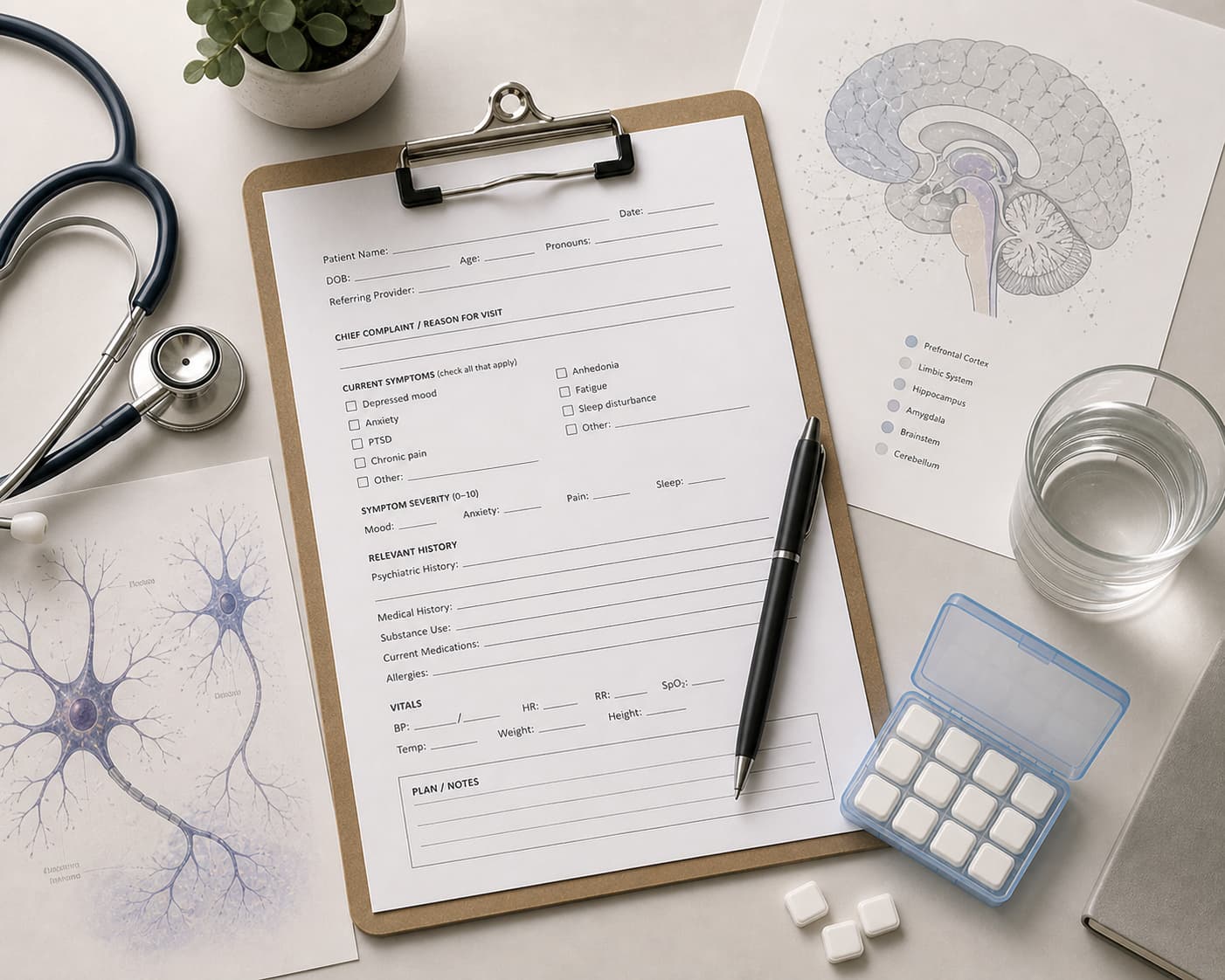
Learn about what is ketamine used for medically and therapeutically, including depression, PTSD, anxiety, chronic pain, anesthesia, ketamine infusions, and nasal ketamine treatment.

At home ketamine therapy offers a more accessible way to receive treatment for depression and anxiety through virtual care and clinician-guided sessions. Safe treatment requires a prescription, proper oversight, and ongoing support.
Spravato is an FDA-approved esketamine nasal spray used for treatment-resistant depression, offering a new option when traditional antidepressants are not enough. While it can provide rapid relief for some patients, understanding Spravato side effects is essential before starting treatment.
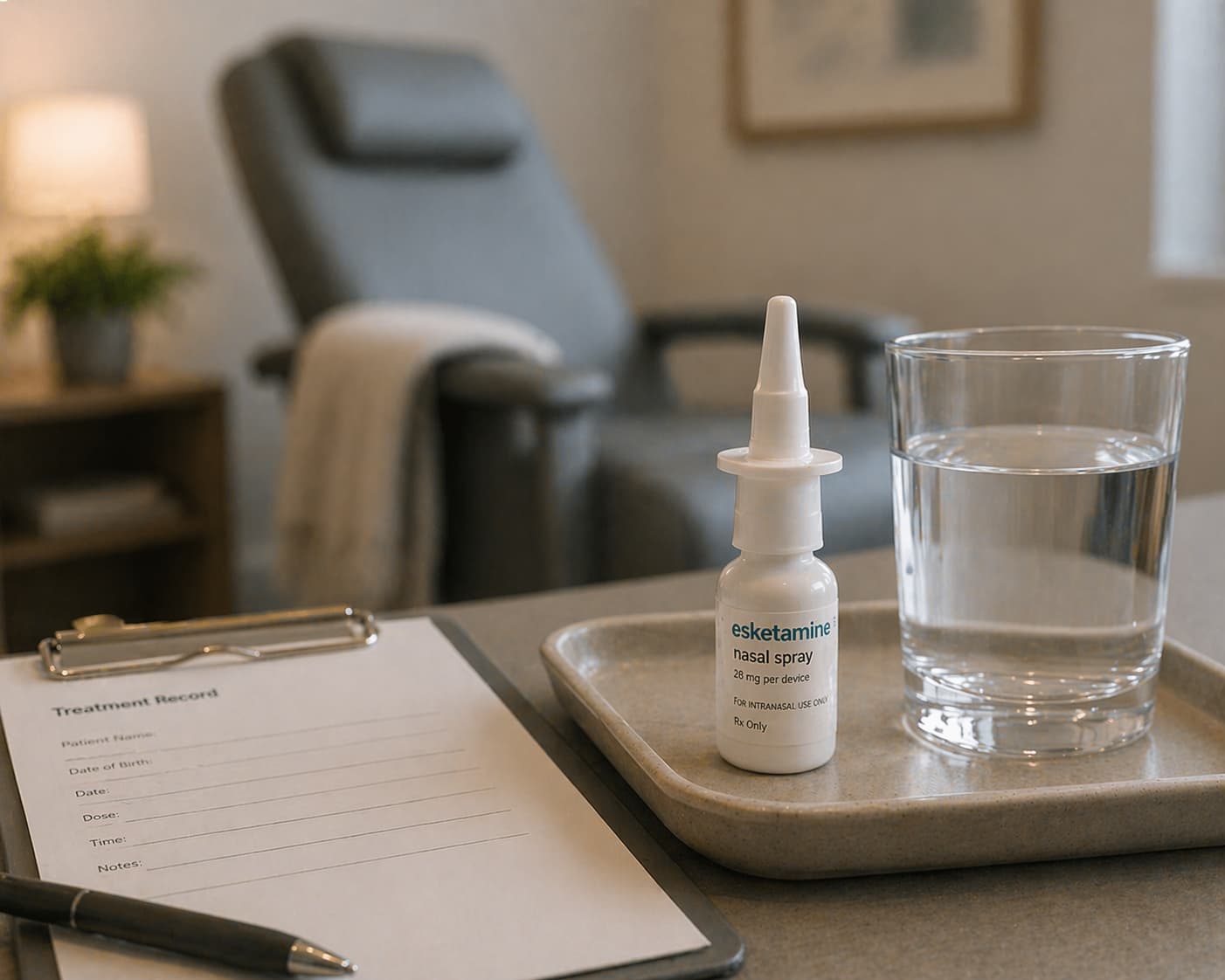
Esketamine is a fast-acting, clinic-based treatment for depression that may help when other options haven’t worked. Delivered as a supervised nasal spray, it works differently from traditional medications and can provide relief more quickly for some people.

Examples of ketamine therapy side effects are dissociation, nausea, and fatigue, but these are usually short-lived and manageable in a clinical setting. With proper supervision and aftercare, treatment can be both safe and effective.

Ketamine for depression is an emerging treatment that can provide rapid relief, especially when other options haven’t worked. By targeting different brain pathways, it offers a new approach to care and is used under medical supervision as part of a personalized treatment plan.

Spravato treatment (esketamine) is a clinic-based treatment for treatment-resistant depression that works differently from traditional antidepressants by targeting the brain’s glutamate system and supporting neuroplasticity. It’s administered as a nasal spray under medical supervision.