
What is Ketamine?

Summary
Quick Answer / TL;DR
Ketamine is a dissociative anesthetic originally developed for surgery, emergency medicine, and pain management. It is commonly supplied as ketamine hydrochloride, and its chemical structure affects NMDA receptors involved in pain, mood, perception, and consciousness. Today, ketamine may be used in supervised medical settings for anesthesia, pain management, and some mental health treatments, but it carries risks and should only be used with professional medical guidance.
Key Takeaways
- Ketamine is a dissociative anesthetic, not an opioid or traditional stimulant.
- Many people search “what is ketamine made of” to better understand how ketamine affects the brain and body.
- Ketamine may be used medically for anesthesia, sedation, pain management, and some supervised mental health treatments.
- Recreational misuse, sometimes called the “Special K drug,” carries higher risks because dosing, purity, and monitoring are uncertain.
- Ketamine treatment decisions should always involve a qualified healthcare professional.
If you're doing ketamine therapy and want to elevate the benefits, explore our resource on maximizing ketamine treatment.
Introduction to Ketamine
Ketamine is a medication that has been used in medicine for decades, but in recent years it has become widely discussed in conversations around mental health, chronic pain, anesthesia, altered states, and recreational drug use.
While ketamine itself is a medication, many people want to know what is ketamine therapy as it pertains to supervised treatment programs that use ketamine in mental health or pain care settings.
Many people search questions like “what is ketamine made of,” “what is ketamine made up of,” or “why do people take ketamine” because they want to understand how ketamine works, what ketamine does to your brain and body, and why it can produce such unique effects.
Ketamine was originally developed as an anesthetic, but today it may also be used in supervised medical settings for pain management and certain mental health treatments. At the same time, ketamine misuse, sometimes referred to as the “Special K drug,” has also raised important safety concerns.
Many people also search what is ketamine used for to better understand its role in anesthesia, chronic pain management, emergency medicine, and supervised mental health treatment.
This guide explains:
- what ketamine is
- what ketamine is made of
- ketamine ingredients and ketamine properties
- how ketamine works
- forms of ketamine
- ketamine risks and benefits
- ketamine side effects in humans
- how ketamine is used medically
- important legal and safety considerations
What Is Ketamine?
Ketamine is a dissociative anesthetic medication used medically for anesthesia, sedation, and pain management. Ketamine alters how the brain processes pain, sensory information, and awareness, which helps explain its unique effects in both medical and therapeutic settings. It works differently from many traditional anesthetics because it can reduce pain and alter awareness while often preserving breathing and cardiovascular stability.
Ketamine belongs to a class of compounds called arylcyclohexylamines. Its ketamine chemical structure is one reason it can affect perception, mood, consciousness, and pain signaling in unique ways.
Today, ketamine may be used in:
- anesthesia and emergency medicine
- surgical settings
- pain management
- veterinary medicine
- some supervised mental health treatment settings
Outside medical settings, ketamine is also sometimes misused recreationally which can increase safety risks significantly.
Brief History of Ketamine
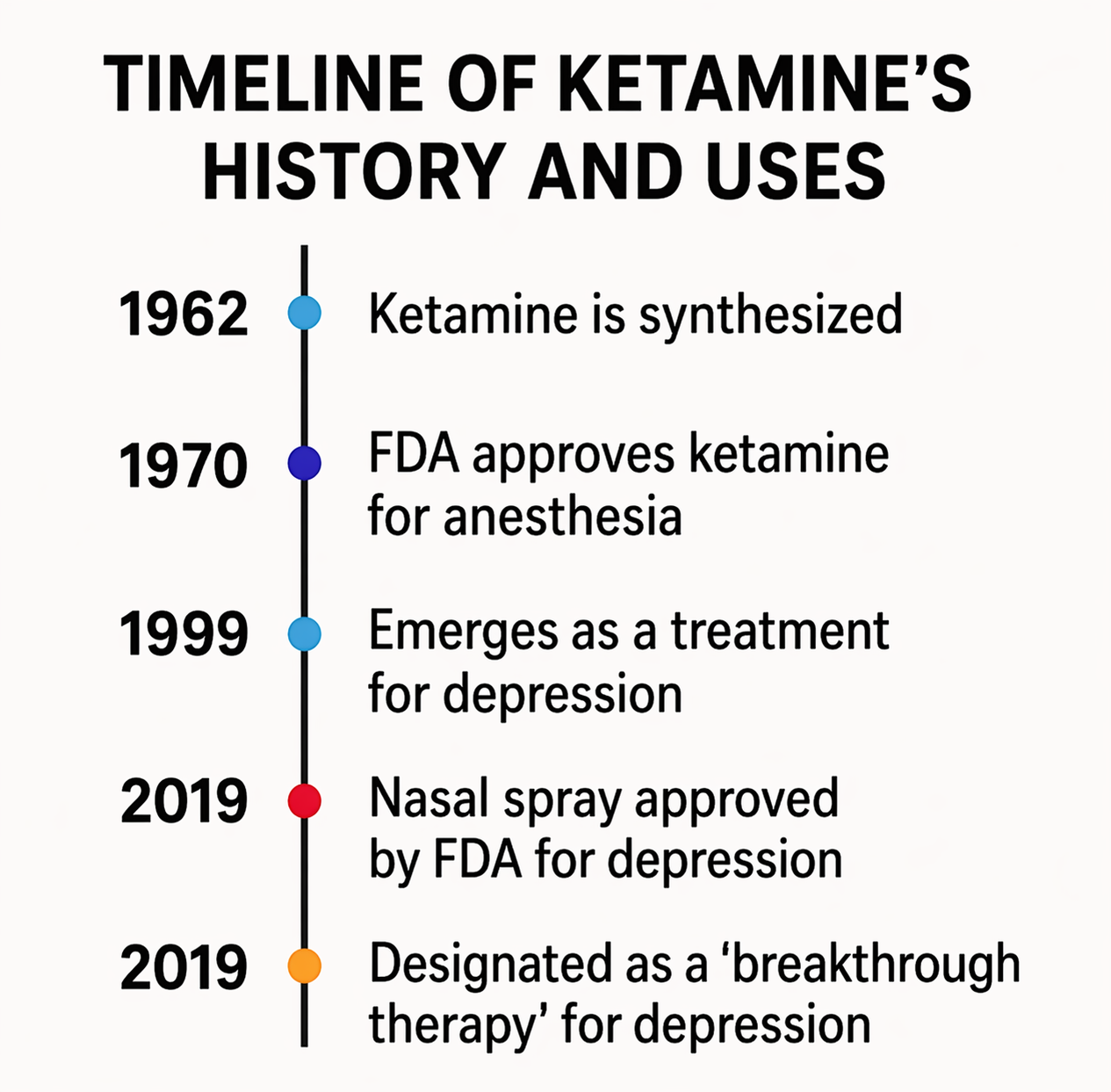
Ketamine was first synthesized in 1962 during research into safer anesthetic alternatives to phencyclidine (PCP). Researchers wanted a medication that could provide anesthesia and pain relief with fewer severe psychological side effects.
In 1970, the FDA approved ketamine for medical anesthesia. It later became widely used in:
- emergency medicine
- surgery
- battlefield medicine
- veterinary care
By the late 1990s, researchers began exploring the role of ketamine for depression treatment after early studies showed rapid effects in some patients with treatment-resistant depression.
In 2019, the FDA approved a ketamine-derived nasal spray called esketamine (Spravato) for certain forms of depression under medical supervision. Around the same time, ketamine-related treatments gained broader attention in mental health care and chronic pain management.
Today, ketamine is used in both medical settings and supervised ketamine therapy programs, while researchers continue studying its long-term effects, risks, and therapeutic potential.
What Is Ketamine Made Of?
Many people search “what is ketamine made of” because understanding ketamine ingredients and ketamine properties can help explain why the medication affects the brain and body the way it does.
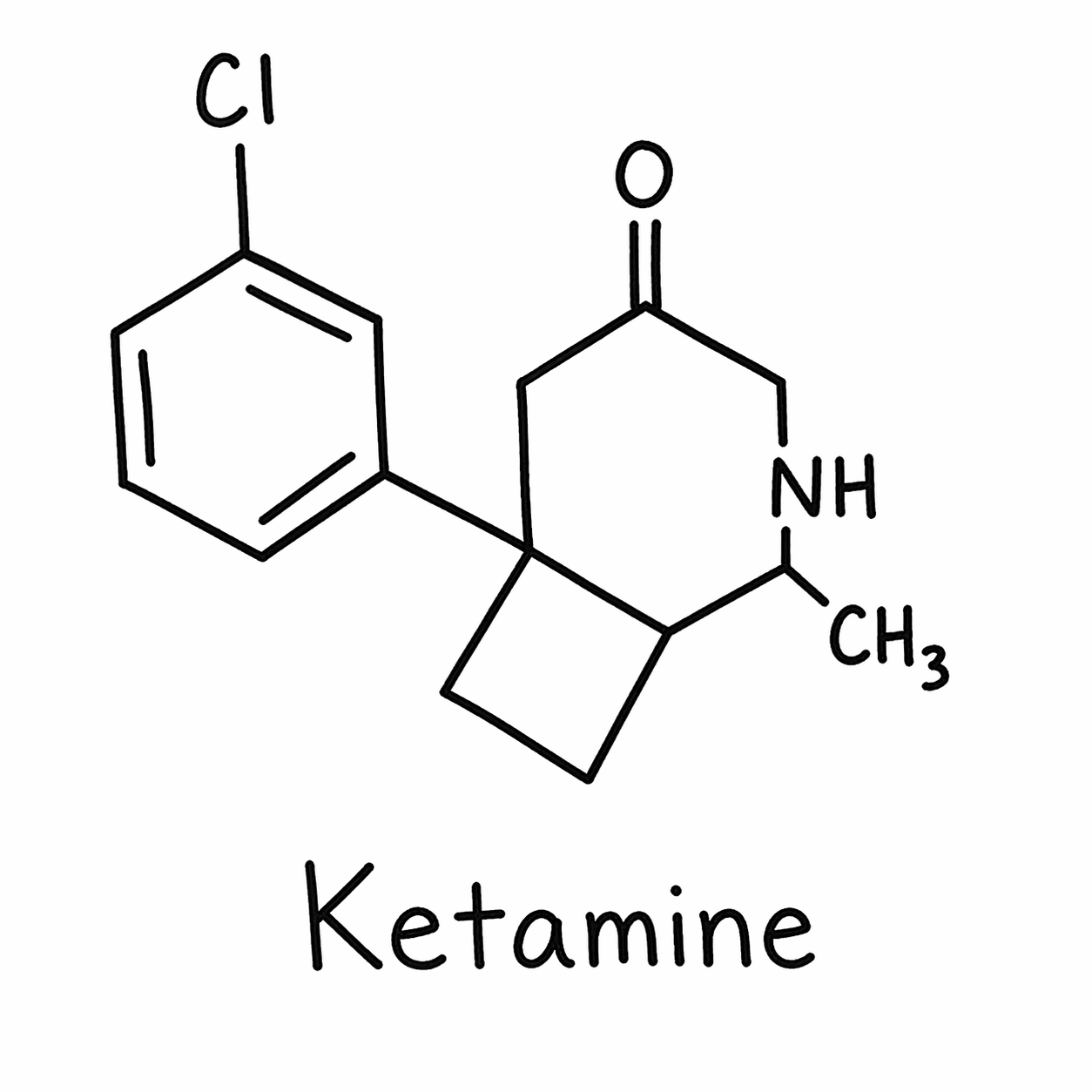
Ketamine is a synthetic compound in the arylcyclohexylamine class. Its scientific name is:
2-(2-chlorophenyl)-2-(methylamino)cyclohexanone
In medicine, ketamine is commonly supplied as ketamine hydrochloride.
Ketamine Chemical Structure
Ketamine’s chemical structure includes several important components that contribute to its effects:
- chlorophenyl group
- cyclohexanone ring
- methylamino group
Together, these ketamine ingredients influence how ketamine interacts with NMDA receptors in the brain.
What Is Ketamine Derived From?
Ketamine was originally developed through research involving phencyclidine (PCP) derivatives. Although ketamine and PCP are different substances, ketamine was designed to produce anesthesia with fewer severe side effects.
Why do people ask what ketamine is made of?
People often ask what ketamine is made of because its chemical composition helps explain why it affects perception, mood, pain, and consciousness differently from many other medications including opioids. Many people wonder Is ketamine an opioid, especially because ketamine is sometimes discussed in pain management settings, but it is not.Understanding ketamine properties may also help people better understand the medication’s risks, benefits, and safety considerations.
How Is Ketamine Made and Where Does It Come From?
Ketamine is produced through regulated pharmaceutical manufacturing processes.
The medication is synthesized in laboratories under strict quality and safety standards to ensure purity and consistency.
The production process generally includes:
- chemical synthesis
- purification
- quality control testing
- pharmaceutical formulation
Because ketamine is a controlled substance, its manufacturing and distribution are heavily regulated in many countries.
Most medical ketamine is distributed through:
- hospitals
- surgical centers
- pharmacies
- licensed clinics
- veterinary facilities
How Does Ketamine Work?
Ketamine works primarily by interacting with NMDA receptors involved in glutamate signaling in the brain.
Glutamate is one of the brain’s major neurotransmitters and plays a role in:
- learning
- memory
- mood
- sensory processing
- pain signaling
By affecting NMDA receptor activity, ketamine can alter:
- pain perception
- awareness
- sensory processing
- mood
- consciousness
This is one reason ketamine can produce dissociative effects, where someone may feel detached from their body, surroundings, or thoughts.
What Does Ketamine Do to Your Brain and Body?
Ketamine can affect both neurological and physical systems.
Potential effects may include:
- altered perception
- sedation
- pain relief
- changes in sensory processing
- dissociation
- temporary increases in heart rate or blood pressure
Experiences vary significantly depending on:
- dose
- route of administration
- medical supervision
- environment
- individual health history
Is ketamine a stimulant or a depressant?
Ketamine is classified as a dissociative anesthetic rather than a traditional stimulant or depressant. Depending on dose and individual response, ketamine may feel sedating, dissociative, calming, or stimulating.
Why Is Ketamine Important?
Ketamine has remained important in medicine for decades because of its unique anesthetic and pain-relieving properties.
Unlike some anesthetics, ketamine may preserve breathing reflexes and cardiovascular stability in certain settings, which can make it valuable in emergency medicine and trauma care.
More recently, ketamine has also received attention for its potential role in supervised mental health treatment and chronic pain management.
At the same time, ketamine’s growing visibility has increased public questions around:
- ketamine risks and benefits
- ketamine side effects in humans
- ketamine legality
- recreational misuse
- ketamine drugging concerns
Understanding ketamine clearly and accurately is important because the topic often includes both medical uses and nonmedical risks.
What Are the Benefits of Ketamine?
Ketamine may offer benefits in certain supervised medical settings.
Potential medical uses include:
- anesthesia
- emergency sedation
- pain management
- procedural support
- some supervised mental health treatment protocols
What Is Ketamine Infusion Used For?
In some clinical settings, ketamine infusion may be used for:
- treatment-resistant depression
- chronic pain conditions
- procedural sedation
- acute pain management
Esketamine is a prescription-based nasal spray therapy used in certain supervised clinical settings for treatment-resistant depression and related mental health conditions.
Treatment approaches vary depending on provider training, patient history, and medical goals.
Who Is Ketamine Best For?
Ketamine therapy may be appropriate for some individuals in supervised medical settings, depending on:
- health history
- treatment goals
- current medications
- psychological history
- cardiovascular health
A licensed medical professional should determine whether ketamine is appropriate for a particular individual or condition.
Supportive Tools for Ketamine Education, Preparation, and Integration
Learning what ketamine is can bring up a lot of questions, especially because ketamine sits at the intersection of anesthesia, pain management, mental health treatment, altered states of consciousness, and safety concerns. For people exploring supervised ketamine treatment, education is only the starting point. It can also be helpful to prepare emotionally, regulate the nervous system, and create space for reflection after treatment.
Limitless Guided Visualizations was created to be a mindset companion to help maximize ketamine therapy. Through neuroscience backed techniques like guided imagery, breath pacing, calming audio, mindfulness, emotional reflection, and mindset practices, Limitless can help people feel more grounded and get the most out of their ketamine treatments by leveraging the neuroplastic window to shift thought patterns to be more supportive.
Many people use Limitless to improve:
- anticipatory anxiety before treatment
- integration after a session
- reflection and journaling between sessions
- nervous system regulation
- self-compassion and healthier internal dialogue
Limitless does not provide ketamine treatment, diagnosis, psychotherapy, medical monitoring, or emergency support. It is a complementary wellness tool that may support mindset, relaxation, and emotional regulation alongside care from qualified professionals.
Forms of Ketamine
There are several forms of ketamine used in medical settings.
Common Forms of Ketamine
- ketamine injection
- IV ketamine infusions
- nasal spray formulations
- oral troches or lozenges
- compounded oral formulations
Ketamine Tablet Uses
Oral ketamine formulations or troches may sometimes be used in supervised treatment settings depending on provider protocols and medical goals.
The route of administration should always be determined by a qualified healthcare professional.
How do you take ketamine?
Ketamine may be administered through injections, IV infusions, esketamine nasal spray, oral troches, or other supervised formulations depending on the treatment setting and clinical goal. The safest route and dosage should always be determined by a qualified provider.
What Is the Difference Between Medical Ketamine, Ketamine Therapy, and Recreational Use?
This distinction matters. Ketamine is the medication itself, while ketamine therapy refers to a structured medical treatment process involving screening, supervision, and follow-up care. Recreational ketamine use is nonmedical, unsafe, and associated with significantly greater physical, psychological, and safety risks. This article is intended for educational purposes only and does not encourage or endorse recreational ketamine use.
What Does Ketamine Feel Like?
People often ask questions like:
- how does ketamine feel
- what does ketamine feel like
- does ketamine get you high
- does ketamine make you hallucinate
Ketamine experiences vary significantly depending on dose, supervision, environment, and individual factors.
Some people describe the ketamine feeling as:
- dreamlike
- detached
- floating
- calming
- disorienting
- emotionally intense
At higher or nonmedical doses, ketamine may also cause:
- hallucinations
- dissociation
- confusion
- impaired coordination
Ketamine High Feeling and Recreational Misuse
Recreational ketamine misuse is sometimes associated with altered consciousness experiences or dissociation.
However, recreational use carries significantly greater risks because:
- dose may be uncertain
- substances may be contaminated
- there may be no medical supervision
- physical or psychological risks increase
What Are the Risks or Downsides of Ketamine?
Ketamine can carry both short-term and long-term risks.
Ketamine Side Effects in Humans
While some people feel relief quickly, others may experience temporary discomfort during or after ketamine treatment.
Possible ketamine side effects in humans may include:
- nausea
- dizziness
- confusion
- elevated blood pressure
- increased heart rate
- sedation
- dissociation
- altered perception
Ketamine Therapy Side Effects
Ketamine therapy side effects may vary depending on:
- dosage
- treatment frequency
- medical supervision
- route of administration
- individual health history
Short-Term Effects of Ketamine
Short-term effects of ketamine may include:
- altered perception
- impaired coordination
- sedation
- temporary confusion
- sensory distortion
Is Ketamine Addictive?
Ketamine can carry a risk of misuse and psychological dependence, especially when it is used recreationally, taken frequently, or used outside of medical supervision. This is one reason ketamine is classified as a controlled substance in the United States.
When ketamine is used in a clinical setting, providers typically screen patients carefully, monitor dosage, and space treatments appropriately to help reduce risk. Research on long-term ketamine therapy is still evolving, so ongoing medical oversight is important.
People with a history of substance use disorder should discuss potential risks and alternatives with a qualified healthcare provider before considering ketamine treatment.
For additional information on ketamine misuse and dependence risks, see the National Institute on Drug Abuse (NIDA) Ketamine Drug Facts resource.
Does Ketamine Cause Loss of Appetite?
Some people report appetite changes, nausea, or stomach discomfort during or after ketamine treatment, although experiences vary.
Side Effect of Ketamine Infusion
Potential side effects of ketamine infusion may include:
- nausea
- dizziness
- blood pressure changes
- dissociation
- fatigue
- anxiety
Ketamine Drugging Risks
There are also safety concerns involving ketamine drugging in nonmedical or social settings, particularly when substances are used without someone’s knowledge or consent. This is one reason medical supervision and controlled clinical settings are important.
How should someone think about ketamine risks and benefits?
Ketamine risks and benefits should always be considered in context. Potential benefits may include anesthesia, sedation, or supervised treatment support, while risks may include dissociation, nausea, blood pressure changes, confusion, misuse potential, or long-term complications with frequent nonmedical use.
Is Ketamine Safe?
Ketamine may be used safely in properly supervised medical settings, but like all medications, it carries risks.
Important safety considerations include:
- medical screening
- dose monitoring
- cardiovascular monitoring
- mental health history
- medication interactions
- supervision during treatment
Who Should Avoid Ketamine?
Some individuals may need additional caution or may not be appropriate candidates for ketamine depending on:
- uncontrolled cardiovascular conditions
- certain psychiatric conditions
- substance misuse history
- medication interactions
- pregnancy or breastfeeding status
Only a qualified healthcare professional can determine whether ketamine is appropriate for a particular individual.
Is Ketamine Legal?
Ketamine is legal for approved medical use in many countries when prescribed or administered by licensed medical professionals.
In the United States, ketamine is classified as a Schedule III controlled substance.
While medical use may be legal under supervision, recreational possession or distribution may be illegal depending on local laws.
The term “Special K” commonly refers to recreational ketamine misuse.
What Mistakes Should You Avoid With Ketamine?
Some of the most important mistakes to avoid include:
- using ketamine without medical supervision
- taking non-prescribed substances
- combining ketamine with other substances without guidance
- ignoring medical screening
- assuming recreational and medical ketamine use carry the same risks
- seeking treatment from unqualified providers
Proper medical oversight is important for both safety and treatment quality.
How to Learn More About Ketamine Safely
Step 1: Start With Reliable Medical Information
Look for educational resources from licensed providers, medical organizations, and evidence-based health sources.
Step 2: Understand the Difference Between Medical and Recreational Use
Medical ketamine and recreational ketamine use involve very different safety standards, monitoring, and goals.
Step 3: Talk With a Qualified Healthcare Professional
A licensed provider can help determine whether ketamine is appropriate for your health history and goals.
Step 4: Learn About Risks, Expectations, and Safety
Understanding ketamine risks, side effects, and limitations is an important part of informed decision-making.
Step 5: Explore Supportive Wellness Practices
Some individuals also explore mindfulness, guided visualization like with Limitless mindset companion app, journaling, breathwork, and nervous system support practices alongside medical care.
Conclusion
Ketamine is a complex medication with a long history in anesthesia, emergency medicine, pain management, and supervised treatment settings.
Understanding what ketamine is made of, how ketamine works, the forms of ketamine available, and the potential risks and benefits can help people make more informed decisions.
While ketamine may offer important medical benefits in supervised settings, it also carries risks, particularly when misused recreationally.
If you are exploring ketamine treatment or learning more about altered states, mental health support, or nervous system regulation, it is important to seek qualified medical guidance and reliable educational resources.
Frequently Asked Questions About What Is Ketamine
Ketamine is a dissociative anesthetic used medically for anesthesia, sedation, and pain management. In some supervised settings, ketamine may also be used in certain mental health treatment protocols.
Ketamine therapy is a supervised medical treatment process that uses ketamine in structured clinical settings with screening, monitoring, and follow-up care.
Ketamine is classified as a dissociative anesthetic and is regulated as a Schedule III controlled substance in the United States.
Ketamine can rapidly alleviate depressive symptoms by affecting brain chemistry and neural pathways. It is often used when other treatments have not been effective.
Ketamine is a lab-made medication originally developed for anesthesia and pain relief. It belongs to a class of compounds called arylcyclohexylamines and is commonly used medically as ketamine hydrochloride.
Its chemical structure affects NMDA receptors in the brain, which play a role in pain, mood, memory, and perception. This helps explain why ketamine can produce effects related to pain relief, dissociation, and altered awareness.
Unlike plant-derived substances, ketamine is synthesized in regulated pharmaceutical laboratories to help ensure safety, purity, and consistency for medical use.
Ketamine is a dissociative anesthetic. It is not a traditional stimulant or depressant, and its effects vary depending on dose and individual response.
Ketamine ingredients vary depending on the formulation. Medical products may include ketamine hydrochloride along with inactive ingredients or preservatives depending on the manufacturer.
Ketamine comes in several forms, including IVs, injections, nasal spray, and oral troches or lozenges. The method used depends on the treatment whether it is at home ketamine therapy or an in-clinic treatment setting. Because ketamine can affect awareness, blood pressure, coordination, and perception, it should only be used under the guidance and supervision of a qualified healthcare provider.
In the United States, ketamine is legal when prescribed or administered by a licensed medical professional for approved medical purposes. Ketamine is classified as a Schedule III controlled substance, which means it has recognized medical uses but is also regulated because of its potential risks and misuse potential.
Medical ketamine may be used in settings such as:
- anesthesia and emergency medicine
- pain management
- certain supervised mental health treatments
However, recreational ketamine use, unauthorized possession, and illegal distribution are against the law in the United States and can carry serious legal, medical, and safety consequences.
People may take ketamine medically for anesthesia, sedation, pain management, or supervised treatment protocols. Some people misuse ketamine recreationally, which carries much higher risks.
Ketamine is primarily used for anesthesia in medical settings. It’s also used for pain management and is gaining traction for treating mental health conditions like ketamine for depression.

Ketamine drug is a medically approved dissociative anesthetic now used for treatment-resistant depression and pain. Unlike traditional antidepressants, it works rapidly by targeting the brain’s glutamate system and supporting neuroplasticity, often providing relief within hours.

Ketamine therapy cost can vary widely depending on the type of treatment, provider, and number of sessions. IV ketamine infusions are usually not covered by insurance, meaning most patients pay out of pocket. Spravato (esketamine), an FDA-approved nasal spray given in a clinic, is often covered when eligibility criteria are met.
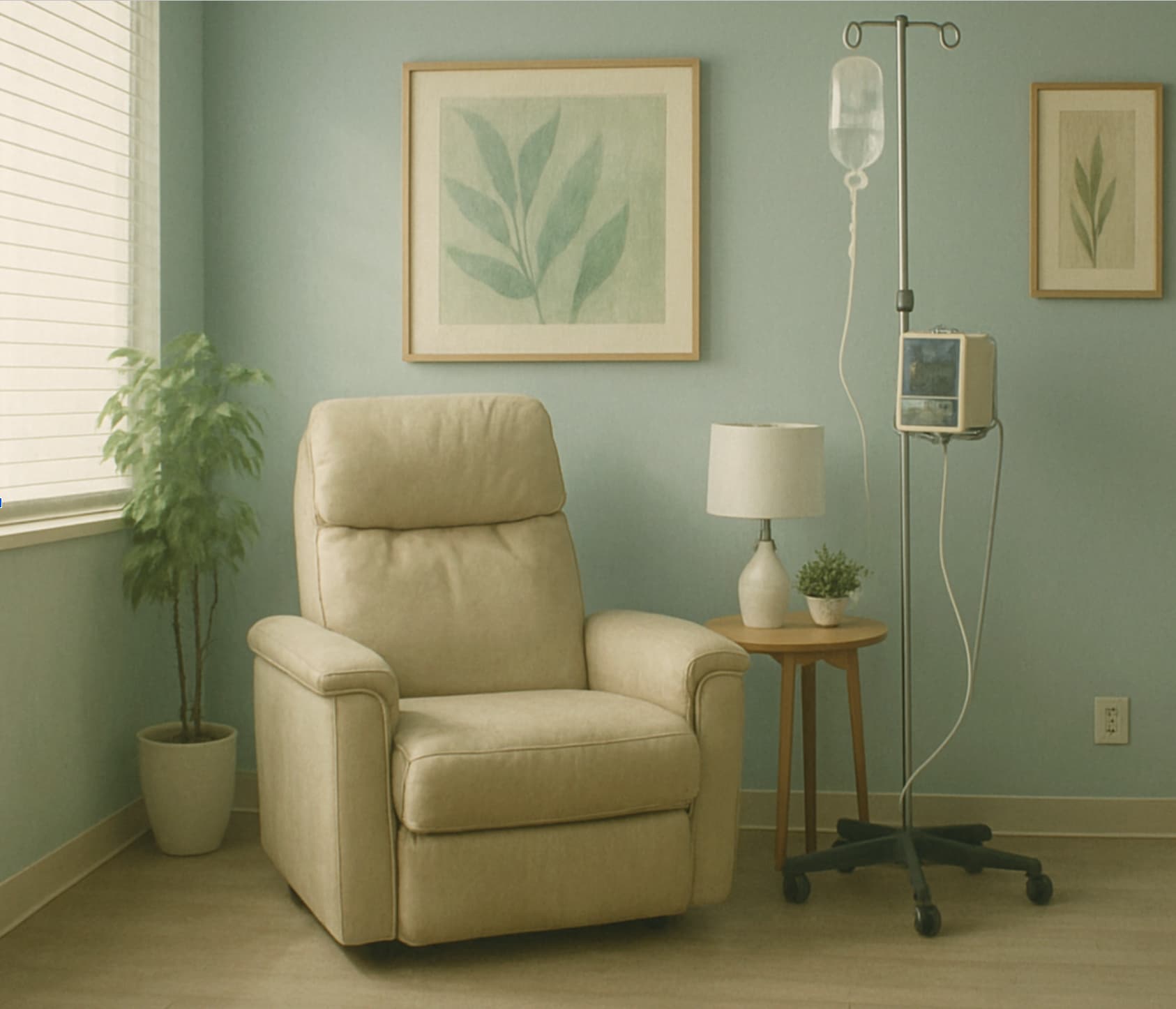
The infusion itself is relatively short, usually lasting about 40 to 60 minutes in a clinic. But if you’re wondering how long do ketamine infusions last, the experience goes beyond the session itself. Some people notice changes within hours, while for others the benefits build over time.
Ketamine works differently than traditional treatments. If you’re wondering what does ketamine do to you, it can rapidly shift mood, perception, and pain while supporting neuroplasticity. Results vary, and understanding both the benefits and risks can help you approach treatment more safely.

Getting the most out of ketamine session isn’t about having a perfect experience. It’s about creating the right conditions for your mind and body to feel safe enough to open. That means preparing your mindset, choosing a calm and supportive environment, working with a clinician on the right dose, and prioritizing integration afterward.
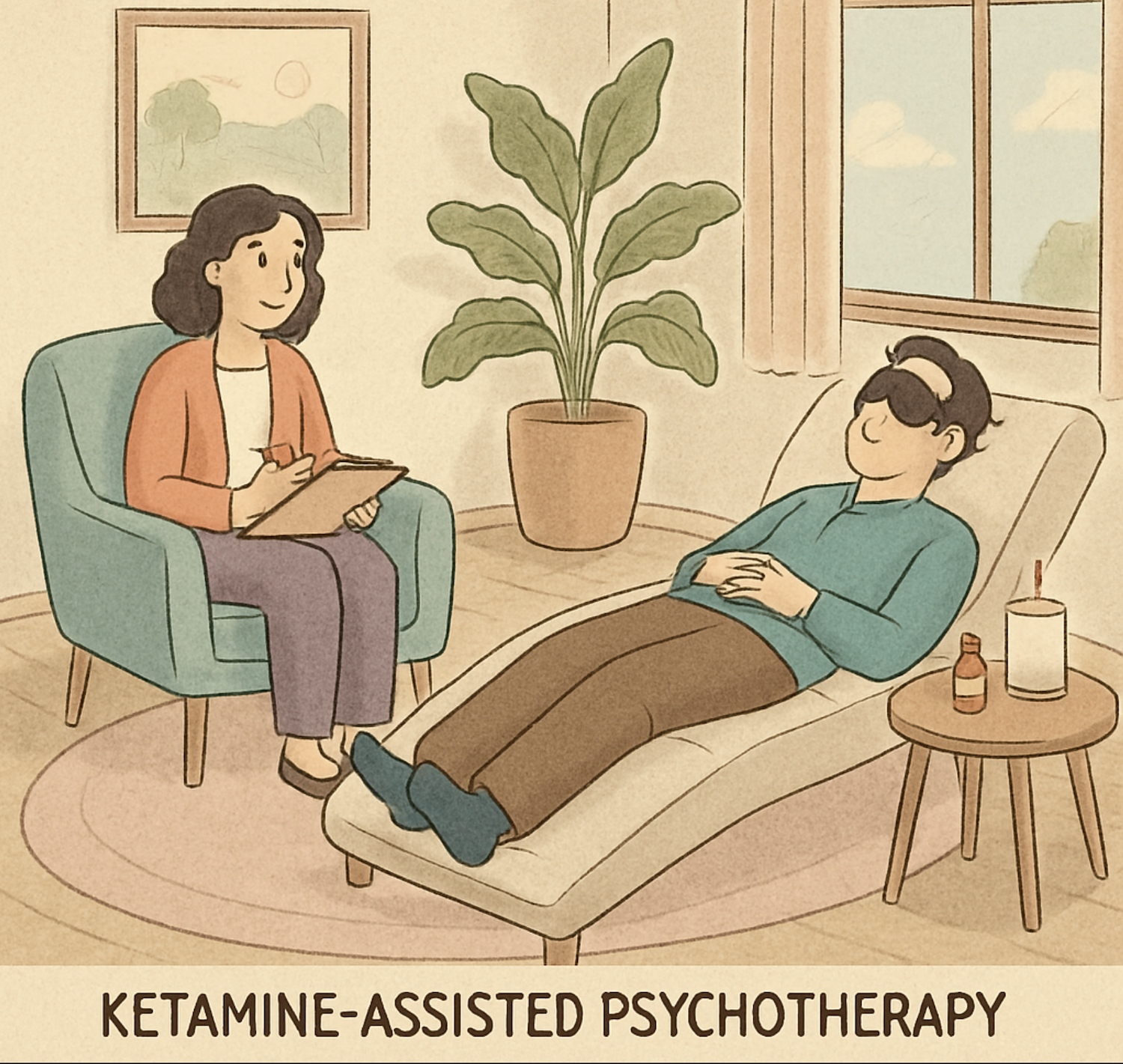
Ketamine assisted psychotherapy (also called KAP therapy or ketamine psychotherapy) pairs medically supervised ketamine with psychotherapy and integration. Traditional psychotherapy relies on talk therapy alone. Both can be helpful-and the best fit depends on your history, goals, and what feels safe for you.

Microdosing ketamine at home involves taking small, controlled doses, often as lozenges, to support mood and anxiety without the intensity of full treatments. While it can offer benefits like improved mood and neuroplasticity, it should always be done with professional guidance, clear safety protocols, and ongoing support.

This article explains what is ketamine therapy and how it works as a fast-acting treatment for depression and anxiety. You’ll learn how infusions are administered, how quickly relief may happen, and what to expect with safety and side effects.

Your ketamine therapy journey does not end when the medicine wears off. The hours and days after your session are a vital part of the process. This guide explains what you may notice after treatment, how to take care of yourself, and how to begin ketamine infusion therapy integration to support lasting change.