
Exploring the Benefits of Ketamine Assisted Psychotherapy
Summary
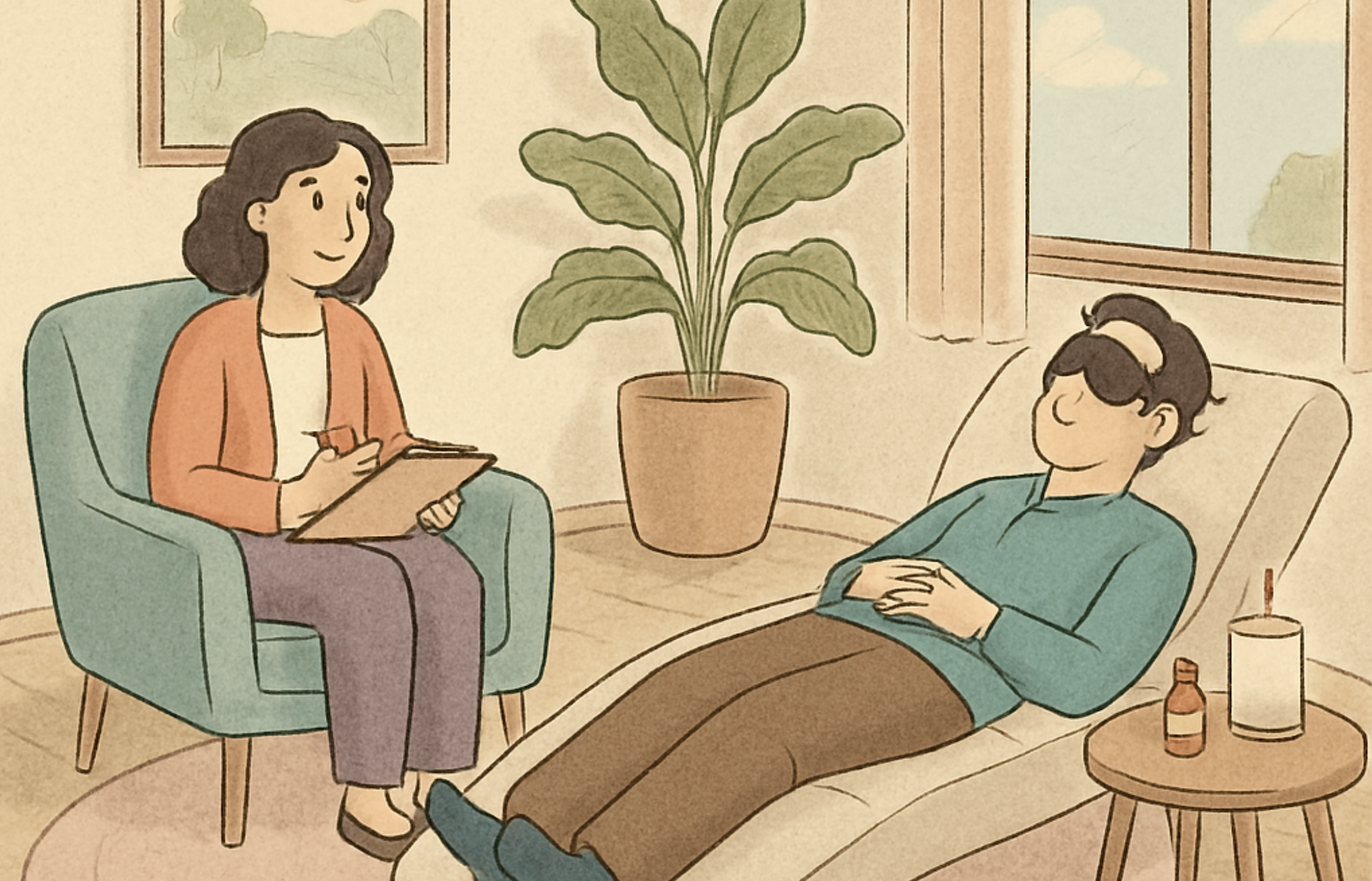
Ketamine assisted psychotherapy combines medically supervised ketamine treatment with psychotherapy and integration support. Unlike traditional talk therapy alone, KAP therapy uses a structured therapeutic process before, during, and after ketamine treatment to help patients process emotions, gain insight, and create lasting behavioral change.
Key Takeaways
- Ketamine assisted psychotherapy combines ketamine treatment with psychotherapy and integration support.
- KAP therapy is different from ketamine treatment alone because it includes preparation and post-session integration.
- Most KAP sessions include three phases: preparation, the ketamine experience, and integration.
- Many people explore guided ketamine therapy for depression, anxiety, PTSD, trauma, grief, or chronic stress.
- Finding an experienced KAP therapist is an important part of the treatment process.
- Integration often plays a major role in turning insights into lasting change.
You can also explore our other resources about ketamine treatment.
What is Ketamine-Assisted Psychotherapy (KAP)?
Ketamine-Assisted Psychotherapy (KAP) is a therapeutic approach that combines the administration of ketamine in a controlled medical setting with structured support from a trained psychotherapist. Unlike treatments that focus solely on the biological effects of ketamine, KAP uses the medicine to create a temporary state of heightened neuroplasticity and reduced psychological defenses, making the mind more receptive to therapeutic work. The process is designed to help individuals access and process difficult emotions or memories, leading to profound insights and lasting change.
Some people describe KAP as a way to create a short window of flexibility-where stuck patterns feel a little less rigid-and then use therapy to turn insights into real-life change. It's not about forcing a breakthrough. It's about creating the conditions for one to happen safely, if it's ready. Check our our other article to learn more about What is Ketamine Therapy.
For many people, that idea can feel reassuring. You do not have to show up with the perfect mindset or know exactly what you want to uncover. KAP therapy is often less about chasing a specific outcome and more about staying open to the process.
One of the reasons KAP is appealing is because it combines the potential benefits of ketamine with the structure and support of therapy. Rather than viewing ketamine as a standalone treatment, KAP therapy treats the experience as part of a larger healing process. Many providers believe that preparation and integration are just as important as the ketamine itself.
Why Do Therapists Combine Ketamine and Psychotherapy?
Ketamine and psychotherapy serve different roles. Ketamine may temporarily shift awareness, emotions, or perspective, while psychotherapy helps people understand those experiences and apply them to daily life. Many providers believe the combination is valuable because insight alone does not automatically create lasting change.
A common question is whether KAP therapy is simply psychotherapy with ketamine added to it. While there are similarities, most KAP programs place significant emphasis on preparation, intention-setting, safety, and integration. These elements often make the overall experience feel very different from traditional therapy alone.
The Science Behind KAP: How Ketamine Facilitates Therapy
On a neurological level, ketamine works differently from traditional antidepressants. It primarily targets the brain's glutamate system, which plays a key role in learning and memory. By modulating this system, ketamine can trigger a rapid increase in neuroplasticity—the brain's ability to form new neural connections. This 'rewiring' process can help individuals break free from rigid, negative thought patterns associated with conditions like depression and PTSD. The altered state of consciousness induced by ketamine can also temporarily lower psychological defenses, allowing for deeper therapeutic exploration and insight.
The KAP Journey: Understanding the Three Core Phases
A comprehensive KAP program is structured around three essential phases:
- Preparation: Before any medicine is administered, you'll have one or more sessions with your therapist to build rapport, discuss your history, and set clear intentions for your journey. This phase is crucial for establishing safety and a therapeutic framework.
- The Ketamine Session: This is the session where you receive a carefully measured dose of ketamine under medical supervision. Your therapist is present to provide support, ensure emotional safety, and help guide you if needed.
- Integration: Following the ketamine session, you will meet with your therapist to process the experience. This is where you make sense of insights, emotions, or memories that arose and work to translate them into lasting changes in your daily life.
KAP Therapy vs. Traditional Psychotherapy
Traditional psychotherapy is typically talk-based and steady. You show up regularly, build trust, learn skills, and work through patterns over time.
Guided ketamine therapy (KAP) adds a medicine-supported experience within a planned setting. For some people, ketamine can soften defenses, quiet rumination, or make emotions and memories feel more accessible. Then the therapy-especially the integration-helps you make meaning and choose practical next steps.
That does not mean one approach is better than the other. Many people make meaningful progress through traditional psychotherapy alone. KAP therapy is simply a different therapeutic model that some people choose to explore.
KAP therapy can look different from clinic to clinic. In some programs, psychotherapy occurs before and after ketamine treatment, while in others, therapeutic support may also occur during the ketamine experience itself.
Key differences (plain language)
- Traditional psychotherapy: gradual progress through conversation, reflection, and practice.
- KAP therapy / ketamine psychotherapy: psychotherapy plus a ketamine experience that may help some people access new perspectives more quickly.
- What makes it work: careful screening, a safe setting, and a clear integration plan-not just the medicine.
The most important thing is finding an approach that feels safe, supportive, and aligned with your goals. Some people prefer the steady pace of traditional therapy. Others feel drawn to the structured combination of ketamine and psychotherapy.

What Are the Benefits of KAP Therapy?
People explore ketamine assisted psychotherapy for different reasons. Some are looking for relief after other approaches have not helped enough. Others want support processing trauma, grief, anxiety, chronic stress, or major life transitions.
Potential benefits people report include:
- less rumination and mental stuckness
- greater emotional openness
- new perspectives on long-held beliefs or challenges
- increased engagement in therapy
- greater motivation to follow through on therapeutic goals
- feeling more hopeful about change
Many people describe KAP therapy as helping them step outside familiar patterns of thinking or reacting for a brief period of time. While that shift in perspective does not automatically solve problems, it can create opportunities to explore them differently and approach therapeutic work with greater openness.
For some people, the most meaningful benefit is emotional insight. For others, it is feeling more connected to themselves, more engaged in therapy, or more willing to work through difficult emotions that previously felt overwhelming.
Important: Results vary. And the therapy container matters. A thoughtful program can make the experience feel safer, clearer, and more useful.
How Limitless Can Support KAP Therapy
Many people think of ketamine assisted psychotherapy as something that only happens during treatment sessions. In reality, preparation and integration often shape the overall experience just as much as the ketamine itself.
Before KAP sessions, many people use Limitless Guided Visualizations to reduce anxiety, clarify intentions, and feel more grounded before treatment. During ketamine experiences, Journey Macrodoses can help create a structured and supportive environment for exploring states of altered consciousness.
Between sessions, Mindset Microdoses can help reinforce therapeutic themes, emotional awareness, and mindset shifts that emerge during treatment. The goal is not to replace therapy, but to support the preparation, reflection, and integration process that many providers consider essential to successful KAP therapy.
Who Is KAP Therapy Best For?
KAP therapy may be considered by people experiencing:
- depression
- treatment-resistant depression
- anxiety
- PTSD
- trauma-related symptoms
- grief and loss
- chronic stress
- burnout
- chronic pain
The best way to determine whether ketamine assisted psychotherapy is appropriate for you is through consultation with qualified medical and mental health professionals.
Is KAP Safe? Key Considerations and Contraindications
While KAP is generally considered safe when administered in a controlled clinical setting, it is not suitable for everyone. A thorough medical and psychological screening is mandatory.
Key contraindications often include uncontrolled hypertension, certain cardiovascular conditions, a history of psychosis, or current mania. Common side effects during a session are typically short-lived and may include dissociation (an out-of-body feeling), nausea, or changes in perception. A qualified medical team will monitor you throughout the experience to ensure your physical safety.
Common screening and safety steps
- medical review (including blood pressure and other key health factors)
- mental health history review and risk screening
- medication/substance review
- a plan for transportation and aftercare
- clear boundaries around dosing, monitoring, and follow-up
Not everyone is an appropriate candidate for KAP therapy. A qualified provider will help determine whether ketamine treatment is suitable based on your medical history, mental health history, current medications, and overall treatment goals.
A good provider will never pressure you into treatment. You should have opportunities to ask questions, discuss concerns, and understand the risks and benefits before deciding whether KAP therapy feels right for you.
How Much Does KAP Therapy Cost?
The cost of ketamine assisted psychotherapy varies depending on the provider, treatment format, location, and level of therapeutic support included.
Costs may include:
- intake evaluations
- preparation sessions
- ketamine administration
- psychotherapy sessions
- integration appointments
Insurance coverage varies widely. Some plans may cover portions of psychotherapy while ketamine treatment remains self-pay. Always ask for a detailed breakdown of costs before beginning treatment.
How to find a KAP therapist: 5 steps (and what to look for)
Finding the right KAP therapist can feel like a lot. Here's a simple way to approach it-one step at a time.
Step 1: Start with licensure and scope
Look for a licensed mental health professional (for example: psychologist, licensed professional counselor, clinical social worker, marriage and family therapist) who clearly states they provide ketamine assisted psychotherapy or support for KAP sessions.
Step 2: Confirm KAP-specific training and experience
Ask: What training have you completed for KAP therapy? and How many clients have you supported through ketamine psychotherapy? Experience matters, especially with anxiety, trauma, or complex histories.
Step 3: Make sure there's real medical coordination
KAP should involve a qualified prescriber/medical team. Ask how the therapist and medical provider communicate, what happens if you feel distressed, and who is responsible for monitoring during the ketamine portion of treatment.
Step 4: Ask how they handle preparation and integration
Strong integration is often what separates a meaningful guided ketamine therapy program from a confusing one. Ask what a typical prep plan looks like, how soon integration happens after dosing, and whether you'll have tools for the days between sessions.
Step 5: Listen for safety, consent, and a human fit
Notice how you feel in the consult. Do you feel respected? Not rushed? A good KAP therapist welcomes questions, explains boundaries, and helps you feel grounded. If something feels off, it's okay to keep looking.
Remember that finding the right therapist can take time. It is okay to speak with more than one provider before making a decision. The quality of the therapeutic relationship often matters just as much as the treatment approach itself.
Green flags in a KAP therapist
- Clear, Trauma-Informed Communication: They use language that is respectful and non-judgmental. They listen more than they talk and are sensitive to your personal history.
- Balanced Perspective: They openly discuss both the potential benefits and the risks of KAP without over-promising or using marketing hype. They should be able to set realistic expectations about what the treatment can and cannot do.
- Emphasis on Integration: They have a clear, structured plan for integration sessions. They should be able to explain how they will help you make sense of your experiences and apply them to your life after the ketamine session.
- Seamless Medical Collaboration: They can clearly articulate their communication process with the prescribing medical team, ensuring your physical and psychological safety are prioritized at all times.
Trust is an important part of the process. If you feel dismissed, rushed, or uncomfortable during a consultation, it may be worth continuing your search until you find a provider who feels like a better fit.
Simple integration tools (so insights don't fade)
Integration doesn't have to be complicated. Small, repeatable practices often work best.
- Grounding: a few minutes of slow breathing, a short body scan, or a steady routine that signals safety
- Short journaling: What stood out? What would I like to practice this week?
- One doable action: one boundary, one conversation, one walk-something you can actually follow through on.
- Limitless Guided Visualizations: our ketamine companion app helps you integrate your experience and promote long term emotional and mindset resilience.
Many therapists consider integration one of the most important parts of ketamine assisted psychotherapy. Insights that arise during KAP sessions often become more meaningful when they are reinforced through reflection, conversation, and small changes in everyday life.
Integration does not have to be complicated. Small actions repeated consistently are often more powerful than trying to make major life changes all at once. The goal is to stay connected to what felt meaningful and explore how it might apply to daily life.

Additional Recommended Reading
Every person’s experience with ketamine assisted psychotherapy is different. Learning about the treatment process, potential experiences, and integration strategies can help you feel more informed and prepared as you explore your options.
- Some therapists and clinics are exploring how ketamine for depression may help individuals access emotional material that can feel difficult to reach through talk therapy alone.
- Some people feel discouraged if they do not experience a dramatic breakthrough right away. Learn more about ketamine infusion therapy and why subtle emotional, cognitive, or nervous system shifts may still matter even when it feels like “nothing happened.”
- Many individuals entering ketamine-assisted psychotherapy wonder what the altered-state experience may actually feel like. Learn more about what to expect and what does ketamine feel like and the emotional and perceptual shifts some people describe during treatment.
- Insight alone does not always create lasting change. Read about ketamine infusion therapy integration and how reflection, journaling, and therapeutic reinforcement may help patients apply insights after treatment
- Some people experience shifts in perception, memory, emotional awareness, or thought patterns during treatment. Learn more about what does ketamine do to you and how ketamine may affect consciousness during therapy sessions.
- If you’re trying to understand the timeline of treatment effects, explore how long do ketamine infusions last and why the duration of physical, emotional, and therapeutic effects can vary between individuals.
- Not all ketamine care happens in a clinic setting. Learn how ketamine therapy at home models differ from therapist-supported and infusion-based approaches.
- Low dose ketamine for depression protocols have also become part of the broader ketamine conversation. Explore how microdosing ketamine differs from the deeper altered-state experiences often associated with ketamine-assisted psychotherapy.
Closing thoughts
If you're considering KAP therapy, you don't have to decide everything today. Start with a consultation, ask the questions that matter to you, and pay attention to whether the process feels steady and safe.
Note: This article is for education and isn't medical advice. Please talk with a qualified clinician about your specific situation.
FAQs about ketamine assisted psychotherapy (KAP)
KAP therapy combines ketamine with structured psychotherapy and integration, while ketamine-only treatment focuses primarily on the medical effects of the drug. Without therapy, patients may experience temporary symptom relief, but KAP is designed to help process insights and create lasting behavioral and emotional change.
Yes, preparation is an important part of KAP therapy. Patients typically work with a therapist beforehand to set intentions, review safety plans, and learn grounding techniques. This preparation helps reduce anxiety and creates a more supportive, meaningful experience during the session.
KAP is primarily used for mental health conditions that have been difficult to treat with other methods. It has shown significant promise for treatment-resistant depression (TRD), post-traumatic stress disorder (PTSD), and severe anxiety disorders. It is also explored for conditions like obsessive-compulsive disorder (OCD), existential distress, and complicated grief. A thorough assessment with a qualified medical and therapeutic team is essential to determine if KAP is a suitable option for your specific situation.
Ketamine can be administered in several ways, and the method can affect the experience. Common forms include intramuscular (IM) injection, intravenous (IV) infusion, sublingual or oral lozenges, and intranasal sprays. The choice of administration route depends on the clinic's protocol and the specific goals of the treatment. Your medical provider will determine the most appropriate method for you.
Often, yes. KAP therapy is a common shorthand for ketamine psychotherapy-ketamine paired with psychotherapy and integration, rather than medication-only treatment.
Integration is where the real therapeutic work happens after the ketamine experience. It involves processing emotions, insights, or memories that came up and turning them into practical changes in daily life. Without integration, the benefits of KAP therapy may feel temporary or unclear.
Most KAP sessions include preparation, the ketamine experience with medical monitoring, and integration afterward. Integration is where you turn the experience into practical change.
Guided ketamine therapy usually means there's structured therapeutic support around set/setting, emotional safety, and follow-up integration.
It depends on your goals, response, and the clinic's model. Some people do a short series (often a few sessions), and others continue longer with integration sessions in between. A good clinic will explain the plan and how progress is tracked.
Usually not. Ketamine is typically prescribed/administered by a medical clinician. The KAP therapist focuses on psychotherapy and integration and coordinates with the medical team.
Coverage varies. Some plans may cover psychotherapy, while ketamine administration may be separate. Ask for a clear breakdown of ketamine cost.
KAP therapy can sometimes accelerate insight or emotional breakthroughs compared to traditional therapy, but it’s not a shortcut or replacement for ongoing work. Lasting results still depend on consistency, integration, and a strong therapeutic relationship over time.

Ketamine nasal spray is one of several ways ketamine can be administered for depression and other conditions. Learn how intranasal ketamine works, potential benefits and risks, treatment costs, safety considerations, and how it compares to Spravato/esketamine.

Is ketamine an opioid? Learn how ketamine differs from opioids, how ketamine therapy works, common medical uses, side effects, and why ketamine is considered a non-opioid treatment option in some settings.
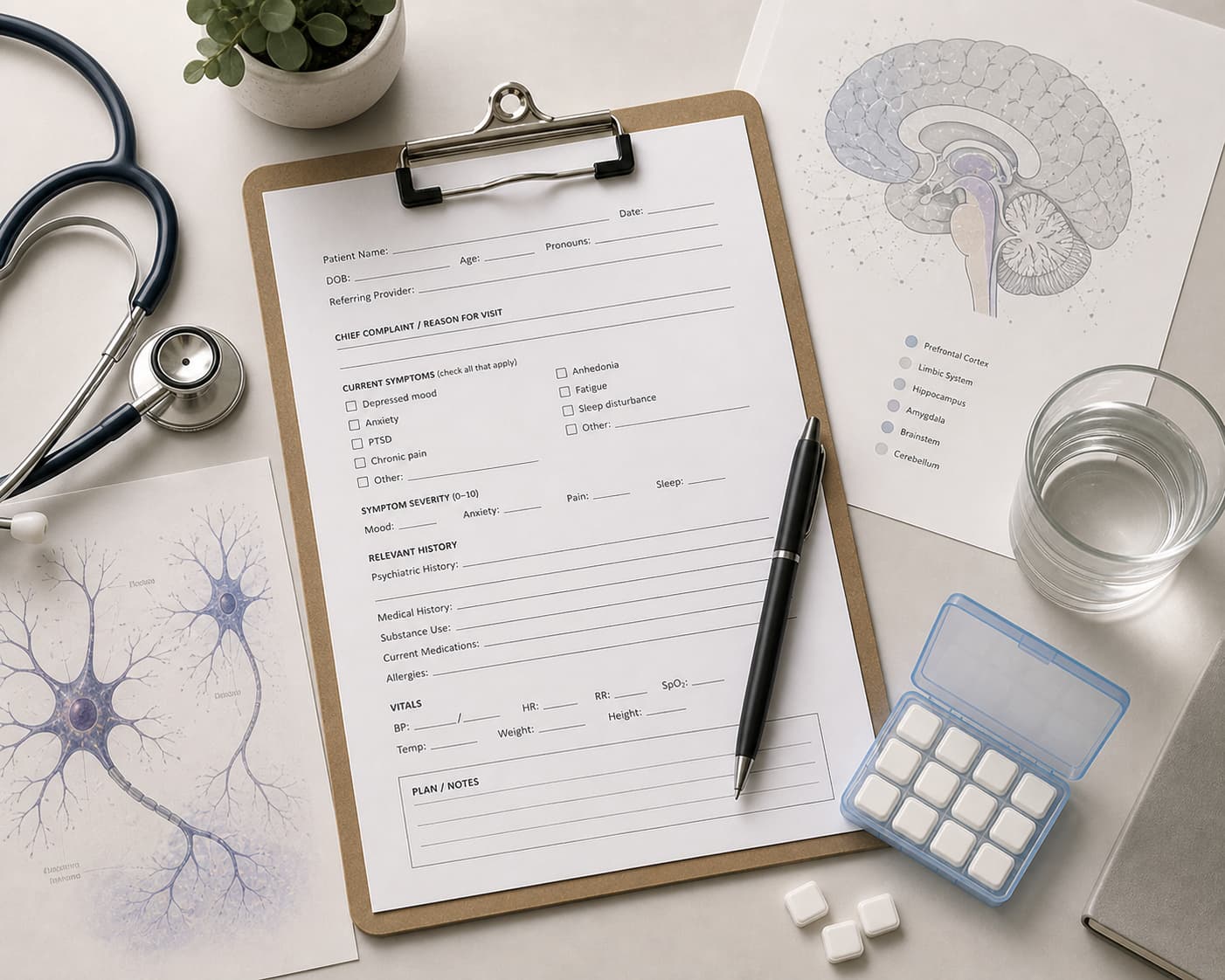
Learn about what is ketamine used for medically and therapeutically, including depression, PTSD, anxiety, chronic pain, anesthesia, ketamine infusions, and nasal ketamine treatment.

At home ketamine therapy offers a more accessible way to receive treatment for depression and anxiety through virtual care and clinician-guided sessions. Safe treatment requires a prescription, proper oversight, and ongoing support.
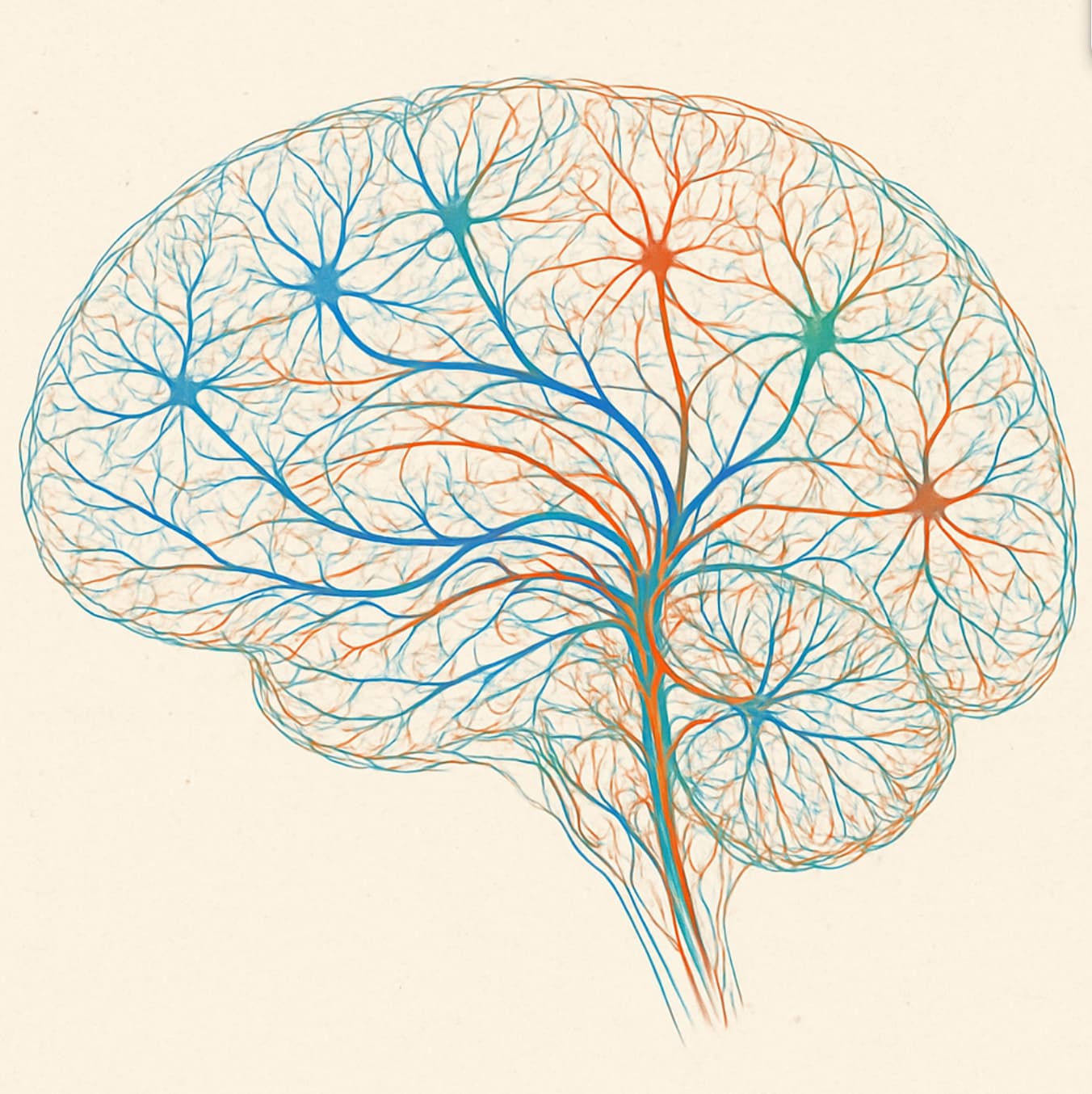
Spravato is an FDA-approved esketamine nasal spray used for treatment-resistant depression, offering a new option when traditional antidepressants are not enough. While it can provide rapid relief for some patients, understanding Spravato side effects is essential before starting treatment.
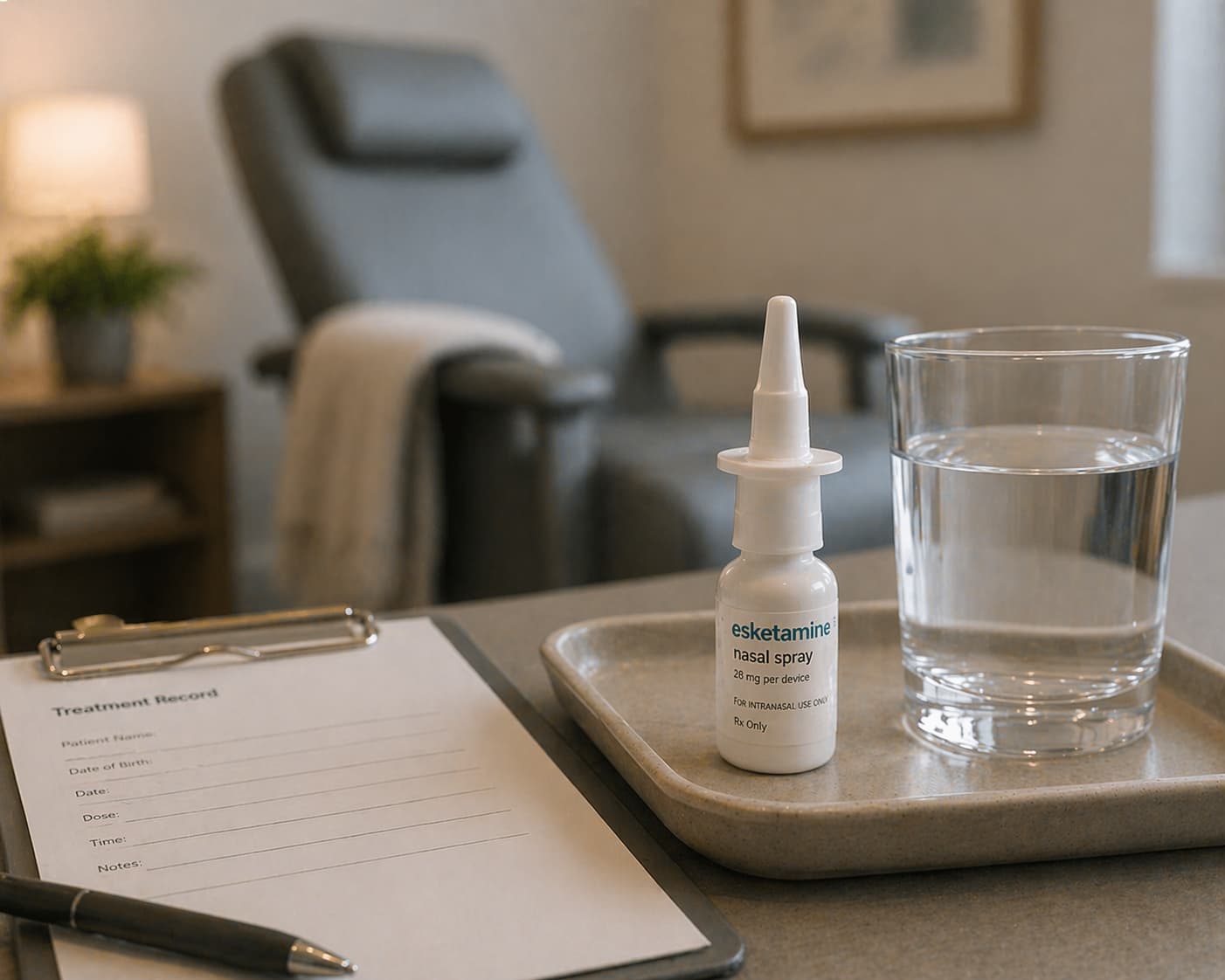
Esketamine is a fast-acting, clinic-based treatment for depression that may help when other options haven’t worked. Delivered as a supervised nasal spray, it works differently from traditional medications and can provide relief more quickly for some people.

Examples of ketamine therapy side effects are dissociation, nausea, and fatigue, but these are usually short-lived and manageable in a clinical setting. With proper supervision and aftercare, treatment can be both safe and effective.

Ketamine for depression is an emerging treatment that can provide rapid relief, especially when other options haven’t worked. By targeting different brain pathways, it offers a new approach to care and is used under medical supervision as part of a personalized treatment plan.

Spravato treatment (esketamine) is a clinic-based treatment for treatment-resistant depression that works differently from traditional antidepressants by targeting the brain’s glutamate system and supporting neuroplasticity. It’s administered as a nasal spray under medical supervision.